 English
 русский

The CNC Pipe Cutting Machine is designed for high-precision cutting of stainless steel pipes, especially suited for cup ...
See Details
Tube cutting can look straightforward when the job involves a single shape and a simple cut. The situation changes when a workshop handles different tube forms, multiple cutting locations, holes, slots, or parts that need to fit together later.
Traditional tube processing may involve several separate steps. A tube can be measured, marked, cut, drilled, and prepared for assembly. Each stage needs attention. Moving the material between work areas can also add handling work.
Laser tube cutting has changed how manufacturers think about this process. A modern laser tube cutter can bring several cutting tasks into one connected workflow. BLM Laser Tube Cutter systems are part of this wider shift toward integrated tube processing.
The value is not simply about cutting faster. A simpler process can also mean fewer manual handoffs, easier production planning, and a more direct path from a digital design to a finished tube component.
The actual capabilities depend on the machine configuration, material, tube shape, and production requirements. Still, the broader idea is worth examining. Can a BLM Laser Tube Cutter really make tube cutting work easier?
A metal tube may appear to be an easy material to cut because it has a relatively simple shape. In production, however, its three-dimensional form creates additional considerations.
A flat sheet has a broad working surface. A tube has an outer surface that changes direction around its body. A cut that looks simple on a drawing may require careful positioning when transferred to the physical tube.
Different projects can also call for different operations. One component may need an opening on the side. Another may require a cut near the end. A frame component may need several openings that later connect with other parts.
This can create a chain of work:
Measure → Mark → Position → Cut → Drill → Inspect → Prepare for Assembly
Every additional step creates another point where handling or checking may be required.
A workshop that produces many different tube components may therefore look for ways to reduce unnecessary movement. This is where integrated tube cutting becomes interesting.
Instead of treating each operation as an isolated task, manufacturers can approach the tube as a complete component.
That shift can change the way production is organized.
A laser tube cutter can perform cutting work directly on the tube rather than requiring every opening to be created through a separate manual process.
The machine follows a programmed cutting path. The tube is positioned while the cutting head works around the required area.
This approach can simplify jobs that contain several different cut features.
For example, a tube used for a metal frame may require:
Instead of moving the same tube between several workstations, a suitable laser tube cutting process can handle multiple features within one production sequence.
This does not mean every project can be completed without additional work. Some parts still require bending, welding, finishing, inspection, or assembly.
The difference is that tube cutting can become a more connected stage rather than a series of disconnected operations.
That can make production easier to plan.
Tube products are not limited to round sections. Manufacturing projects may use square, rectangular, oval, or other profiles.
Each shape presents a different cutting surface. A system designed around tube processing can account for the changing position of the material as it moves through the cutting process.
This flexibility can be useful for workshops serving different industries. A manufacturer may produce furniture frames one day and structural components on another production order.
The machine does not remove the need to select suitable tooling or settings. It can, however, provide a common processing approach for different tube designs.
| Tube Form | Possible Application |
|---|---|
| Round tube | Frames, rails, equipment structures |
| Square tube | Furniture, supports, frames |
| Rectangular tube | Structural and industrial parts |
| Special profiles | Custom equipment and application-specific components |
The practical benefit comes from reducing the need to build a completely different workflow around every tube shape.
Manufacturers can focus more on the part design and intended application.
One of the less visible changes in tube processing is the growing connection between design and production.
A tube component can be created digitally before it reaches the workshop. The cutting information can then be prepared around that design.
This can reduce some of the manual marking work associated with traditional fabrication.
Consider a tube with several openings. In a manual process, a worker may need to determine where each opening belongs, mark the material, position it, and then create each feature.
With a digital cutting workflow, the intended geometry can guide the cutting process.
That creates a more direct path:
Design → Cutting Information → Tube Processing → Finished Component
The advantage is not only convenience. It can also make repeat work easier because the same design information can be used again when the same component is produced.
Changes can also be handled at the design stage. If an opening needs to move or a cut shape needs to change, the digital drawing can be updated before production.
This connection between design and manufacturing is one reason laser tube cutting has become attractive to manufacturers looking for a more organized workflow.
Material handling can become a surprisingly large part of tube fabrication.
A tube may need to be carried from a cutting station to a drilling area. It may then move to another location for additional preparation. Every transfer takes time and requires space.
A more integrated cutting process can reduce some of these movements.
This is particularly useful when a tube contains several features that can be produced during the same processing stage.
Less movement does not mean that workers become unnecessary. Operators still need to prepare materials, monitor production, inspect parts, manage finished components, and respond to unusual conditions.
The nature of the work changes.
Instead of repeatedly performing small cutting operations by hand, operators may spend more time managing the overall process.
That can be valuable for workshops where production involves many different tube components.
It also helps make the workspace more organized. Fewer intermediate piles of partially processed tubes can make it easier to see what has been completed and what still needs attention.
Manufacturers today often need to handle smaller orders and greater product variety. A production line built around one repeated tube shape may not be suitable for this kind of work.
Laser tube cutting can provide a more flexible approach because the cutting pattern can be changed through production instructions rather than requiring a completely different physical setup for every part.
A workshop may produce one frame design and then move to another design. The tube shape may remain similar, but the hole arrangement or end cuts may change.
The ability to move between different designs can make short production runs more manageable.
This flexibility is especially relevant for industries where products are frequently customized.
Examples include:
Furniture manufacturing
Different frame designs may require different openings and connection points.
Industrial equipment
Tubes can form supports, guards, frames, and other structural sections.
Construction-related fabrication
Metal sections may need customized cuts before being assembled on site.
Vehicle components
Tubular structures can be prepared for later welding and assembly.
Fitness equipment
Frames often combine different tube shapes and connection features.
The machine is not necessarily replacing every production method. Instead, it can give manufacturers another way to organize tube preparation.
Cutting is only one stage of manufacturing. The real test comes when the finished tube reaches assembly.
A tube with accurately placed openings and prepared ends can be easier to connect with other components.
This is particularly important for welded structures. Connection points need to be positioned according to the intended design. Poorly located openings can create extra fitting work.
Laser tube cutting can help prepare these features as part of the cutting process.
Imagine a simple frame made from several tube sections. Each section may need openings that allow another piece to fit into place. If those openings are created manually, workers may need to measure and check each location.
When the cutting pattern comes directly from the component design, the preparation process can become more consistent.
This does not guarantee that assembly will always be trouble-free. Material variation, welding, bending, and other production factors can still affect the final result.
The key point is that tube preparation and assembly can be considered together.
A tube does not exist only to be cut. It is usually part of a larger product.
No machine removes every production challenge. Tube cutting still requires suitable materials, correct programming, proper machine operation, and regular maintenance.
However, an integrated process can address several common workflow problems.
| Traditional Challenge | How Integrated Tube Cutting Can Help |
|---|---|
| Repeated manual marking | Digital cutting information can reduce manual marking |
| Several separate cutting stages | Multiple features may be processed in one workflow |
| Frequent material movement | Processing can reduce some transfers |
| Different tube designs | Cutting patterns can be changed for different parts |
| Complex opening layouts | Digital designs can guide feature placement |
| Repeated production | Saved cutting information can support repeat orders |
| Preparation before welding | Tube ends and openings can be prepared during cutting |
The important word here is help.
A laser tube cutter is a production tool, not a guarantee of a trouble-free manufacturing process. Operators still need to inspect materials, prepare the machine correctly, and check finished parts.
The benefit comes from reducing unnecessary complexity where the process allows it.
A machine should be selected around the actual production task rather than the name of the technology alone.
The type of tube being processed is an important consideration. Manufacturers should understand the shapes, materials, sizes, and designs that appear in their normal production work.
The desired workflow also matters.
A workshop that mainly produces simple straight cuts may have different requirements from one producing tubes with many openings and connection features.
Manufacturers can consider several questions:
The answers can reveal whether an integrated laser tube cutting approach fits the workshop.
It is also useful to look beyond the machine itself. Software, material handling, operator training, maintenance, and production planning all influence the practical experience.
A machine may provide sophisticated cutting functions, but the surrounding workflow still determines how useful those functions become.
Automation does not simply remove people from a production process. In many workshops, it changes what operators spend their time doing.
Traditional tube cutting may involve repeated measuring, marking, positioning, and manual cutting. An integrated system can shift some of these tasks into a programmed workflow.
The operator may then focus more on:
This can make the operator's role more process-oriented.
The human element remains important because production conditions are not always identical. Material can vary. Orders can change. A cutting job may require adjustment. Finished parts still need to be checked.
The machine handles the programmed cutting work. The operator remains responsible for making sure the overall process makes sense.
That relationship is becoming increasingly relevant as manufacturers look for practical ways to simplify tube fabrication without removing flexibility from the workshop.
A BLM Laser Tube Cutter can therefore be viewed less as a standalone cutting machine and more as part of a connected tube-processing workflow. Its value depends on the type of work, the production environment, the tube designs being handled, and how well the cutting process fits with the stages that come before and after it.
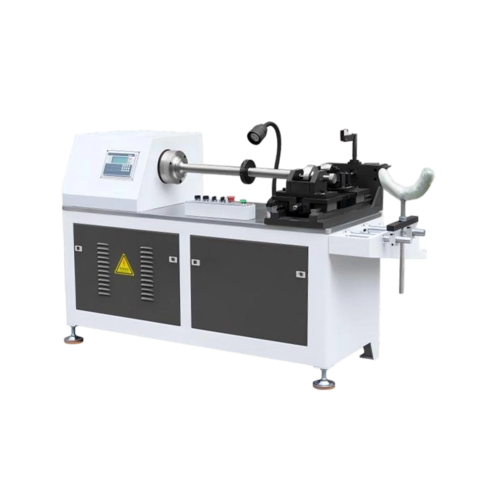
The CNC Pipe Cutting Machine is designed for high-precision cutting of stainless steel pipes, especially suited for cup ...
See Details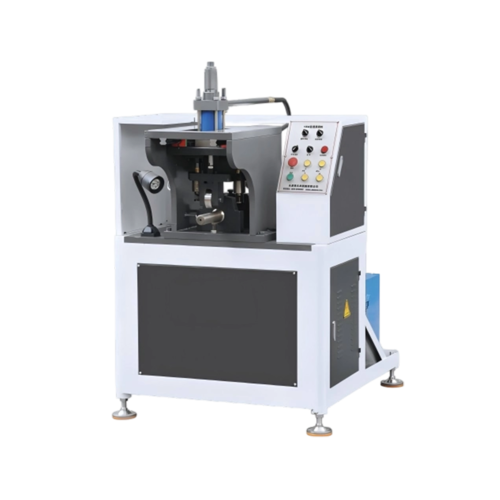
The Hydraulic Welding Seam Flatten Rolling Machine is a specialized piece of equipment designed for rolling and leveling...
See Details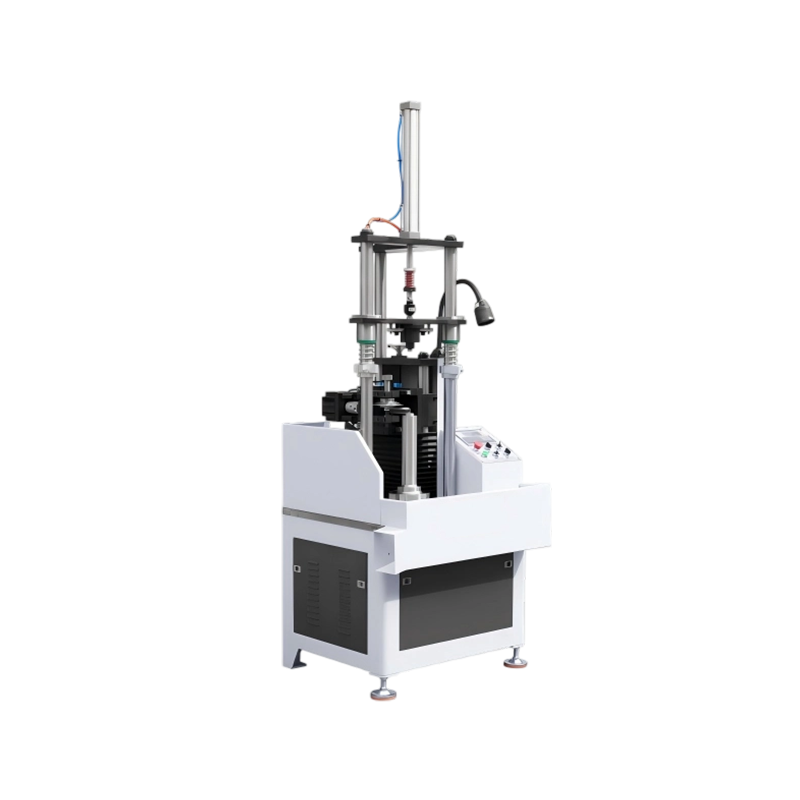
The CNC Rim Neck Cutting Machine is a high-precision, fully automated equipment designed for cutting and trimming the wa...
See Details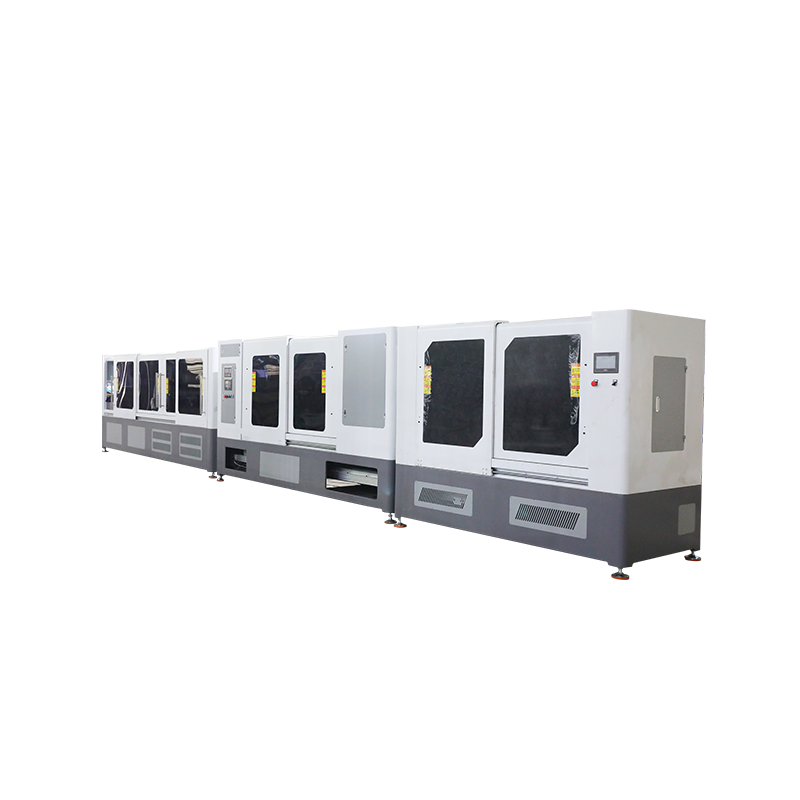
The Fully Automatic Pipe Drawing Machine for Thermos is a precision-engineered production system. It integrates laser pi...
See Details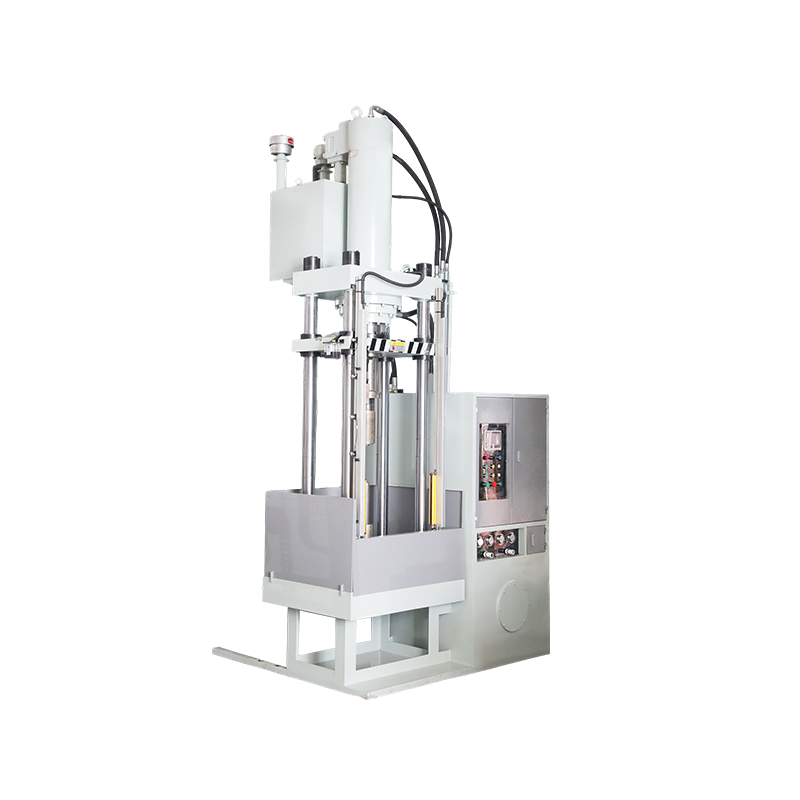
The Water Bulging Bottle Making Machine is made for the precision forming process of both the outer shell and inner line...
See Details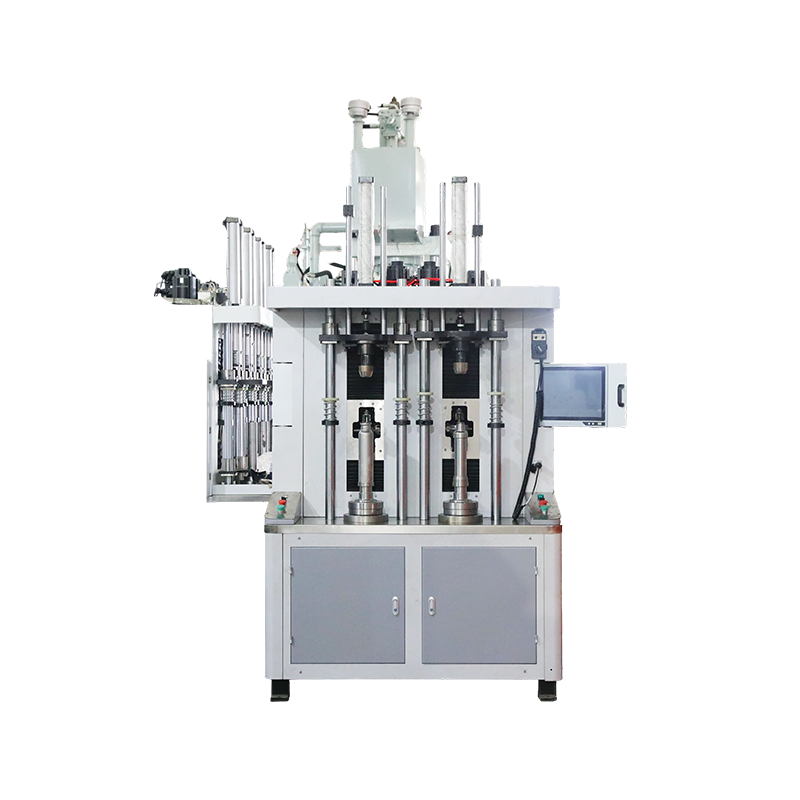
The Double Station CNC Tube End Shrinking Machine is designed for the spinning and compressing process of cup and pot mo...
See Details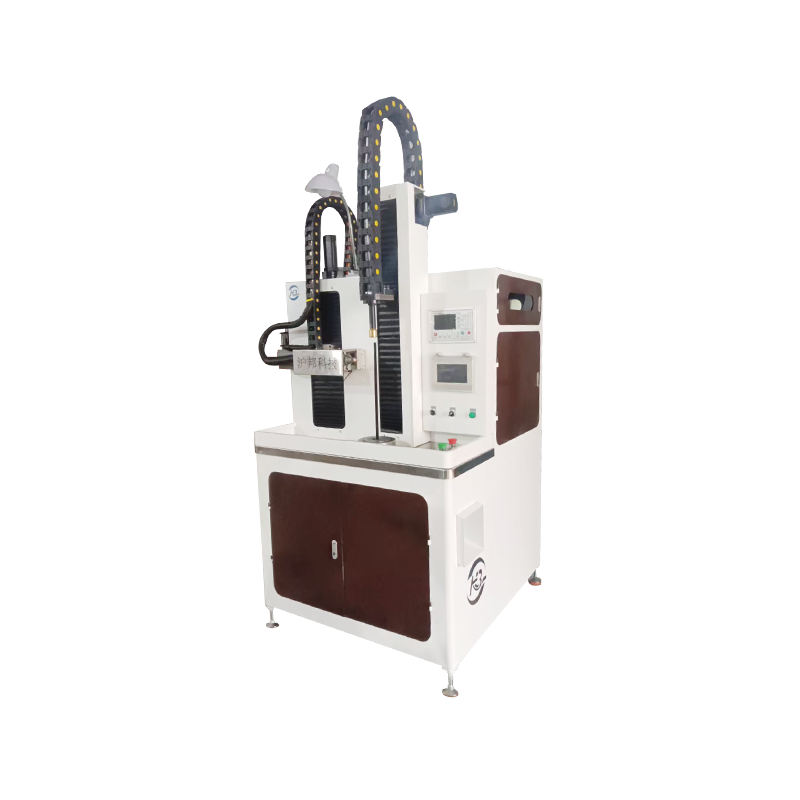
The Laser Bottle Flask Dividing Machine is designed for precision processing of various cup and pot components, includin...
See Details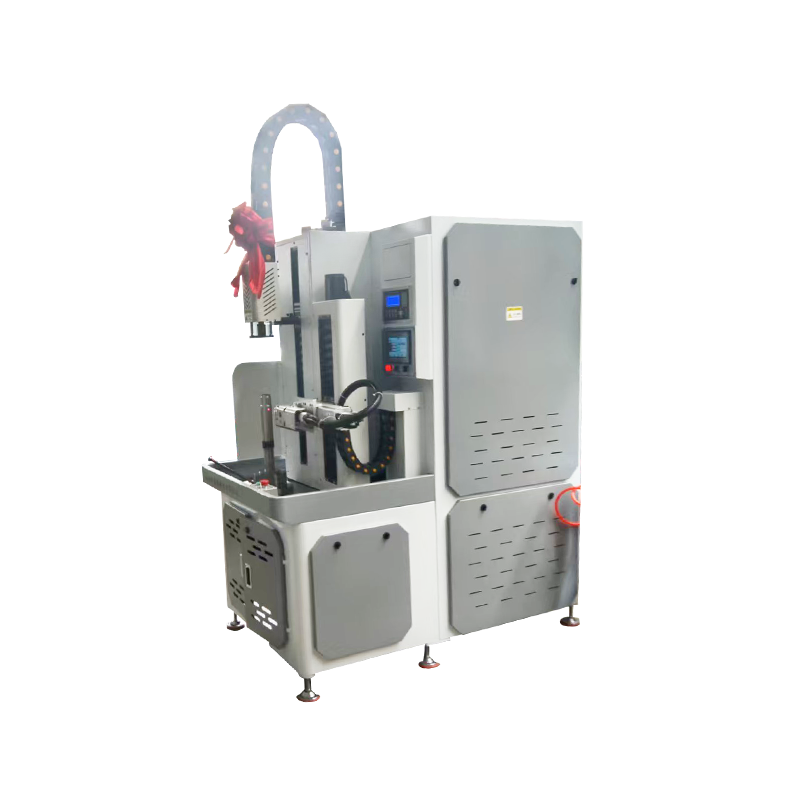
The Automatic Laser End Cutting Machine for Vacuum Flask is a high-precision equipment designed for efficient cutting of...
See Details
Yongkang Hubang Machinery Technology Co., Ltd.

No. 223, Chengxin Road, Economic Development Zone, Dongcheng Street, Yongkang City, Jinhua City, Zhejiang Province, China
Copyright © Yongkang Hubang Machinery Technology Co., Ltd.

Stainless Steel Flask Making Machine Supplier


