
 English
 русский


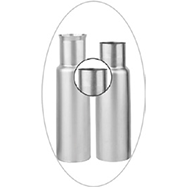
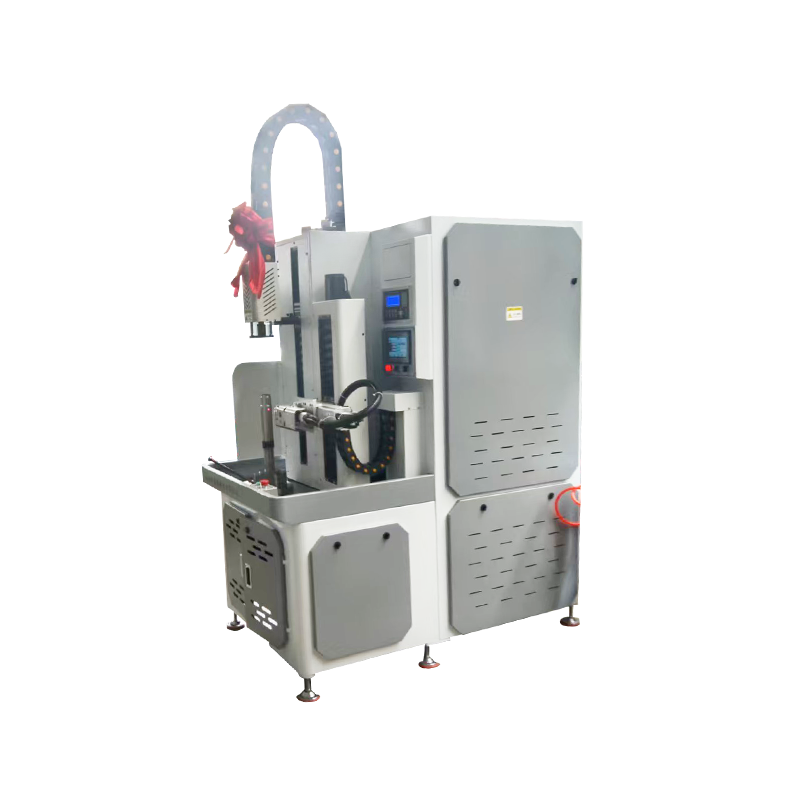
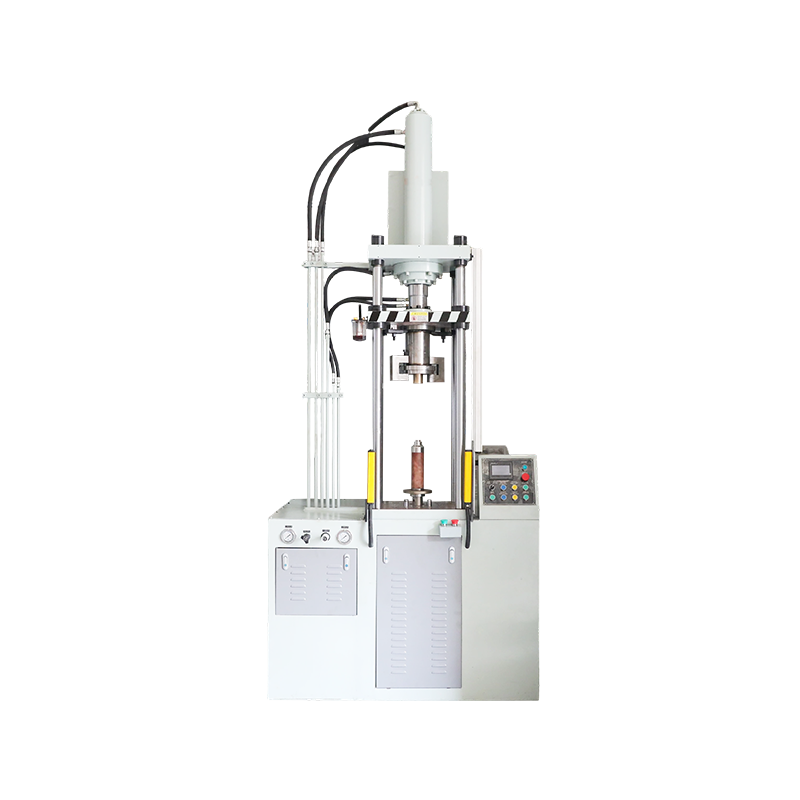
Full vs. Semi-Auto Vacuum Flask Line Benefits
Why Go with a Full Production Line Instead of Semi-Automatic?
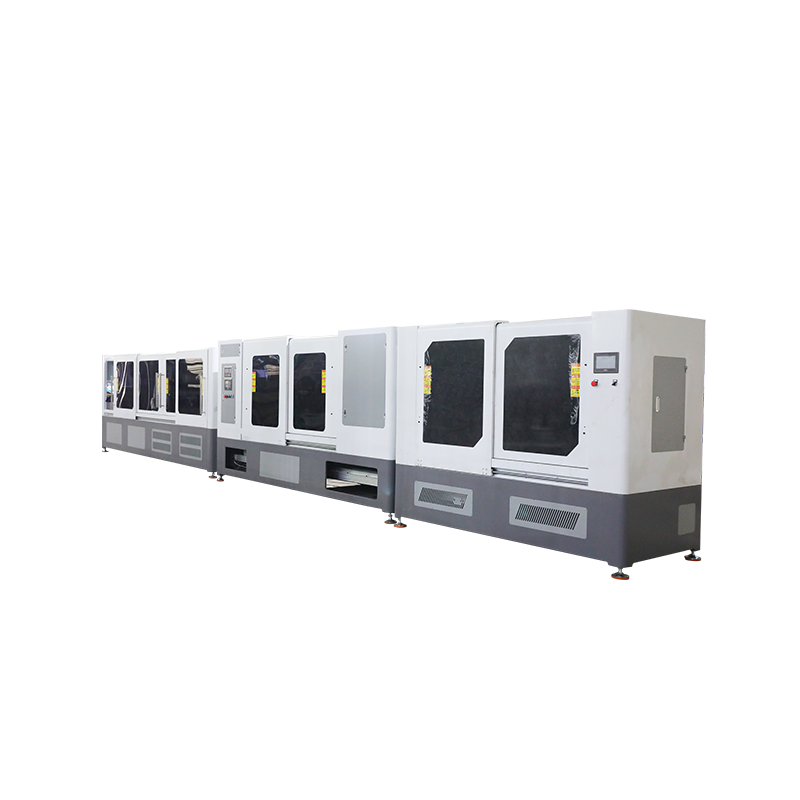
A Vacuum Flask Production Line gives you three things that semi-automatic setups struggle with: speed, steady quality, and lower labor costs. More factories are switching over because automation helps them beat competitors.
Main benefits:
- (a) Faster output since work flows nonstop from one station to the next
- (b) You pay fewer workers over time, which adds up to real savings
- (c) Every flask comes out nearly the same because machines follow the same routine
With semi-automatic lines, you have people handling parts during forming, welding, sealing, and testing. Different workers do things a bit differently. That causes quality to drift up and down. A Vacuum Flask Production Line takes those people out of the equation. Machines move parts between stations, too, so you do not waste time waiting.
Quality stays steady on a full line. Semi-automatic systems need someone to turn knobs and make calls. Sometimes they get it right, sometimes not. Full lines lock in temperature, pressure, and timing. What comes off the line at 8 am looks the same as what comes off at 6 pm.
How One Machine Runs the Whole Show?
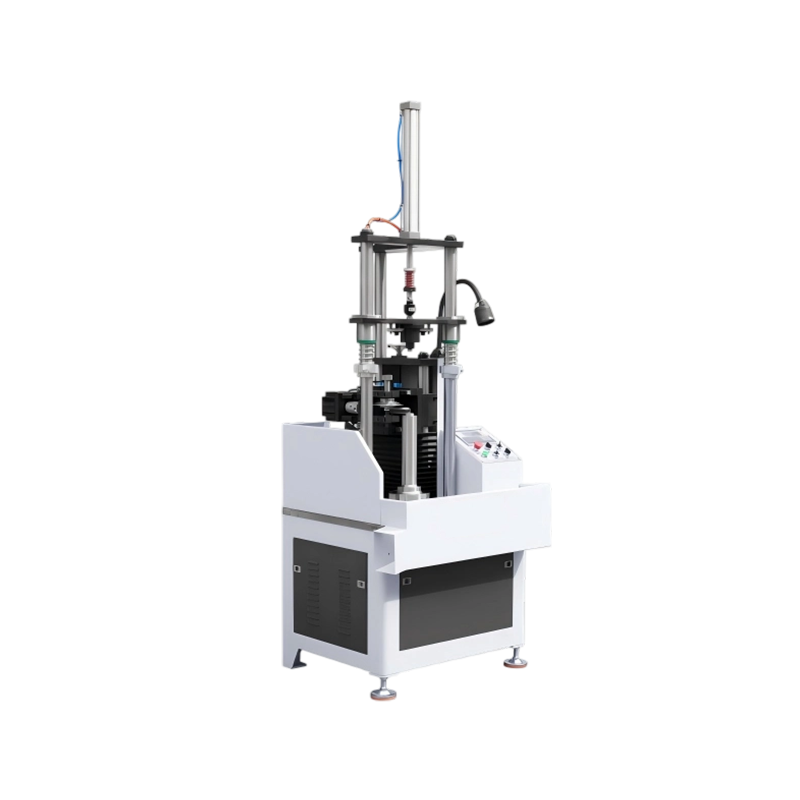
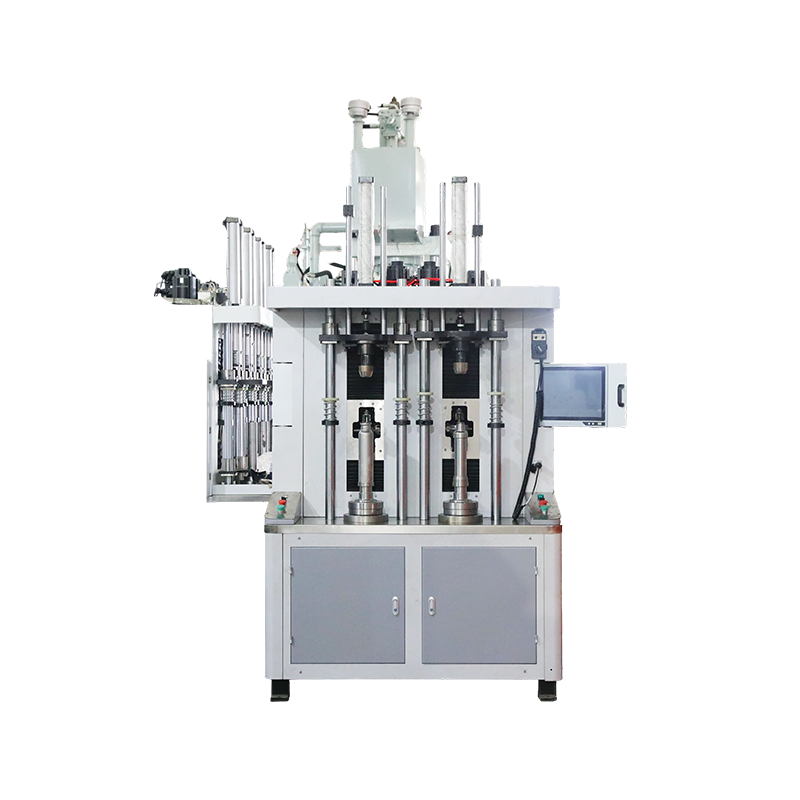
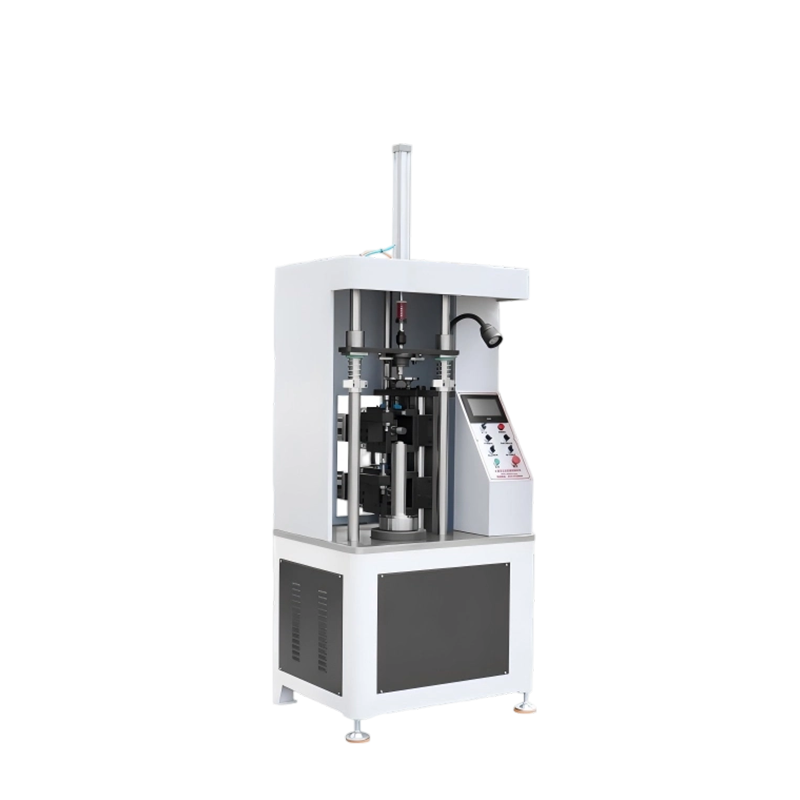
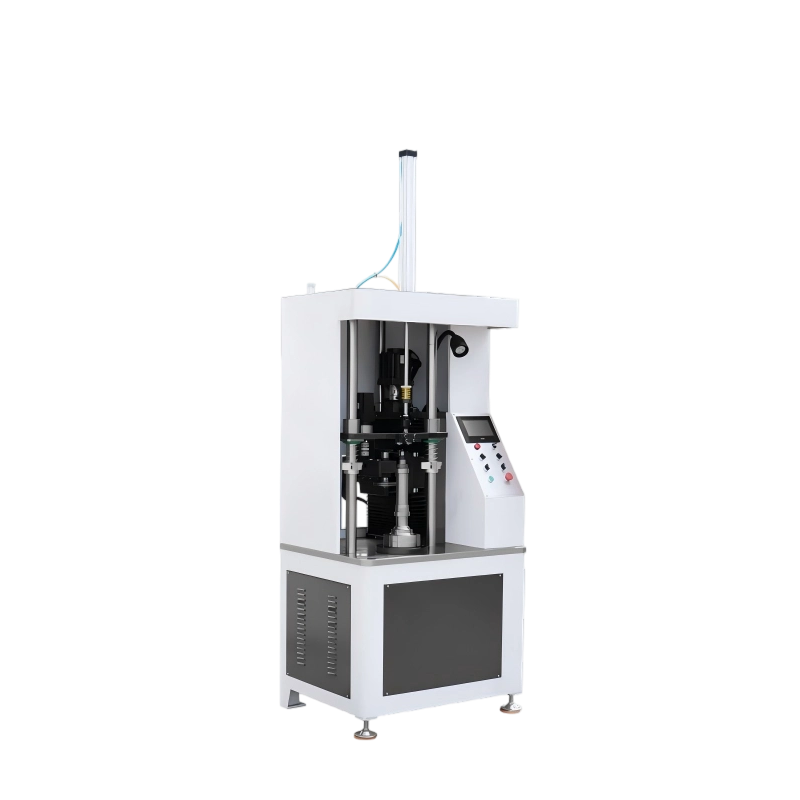
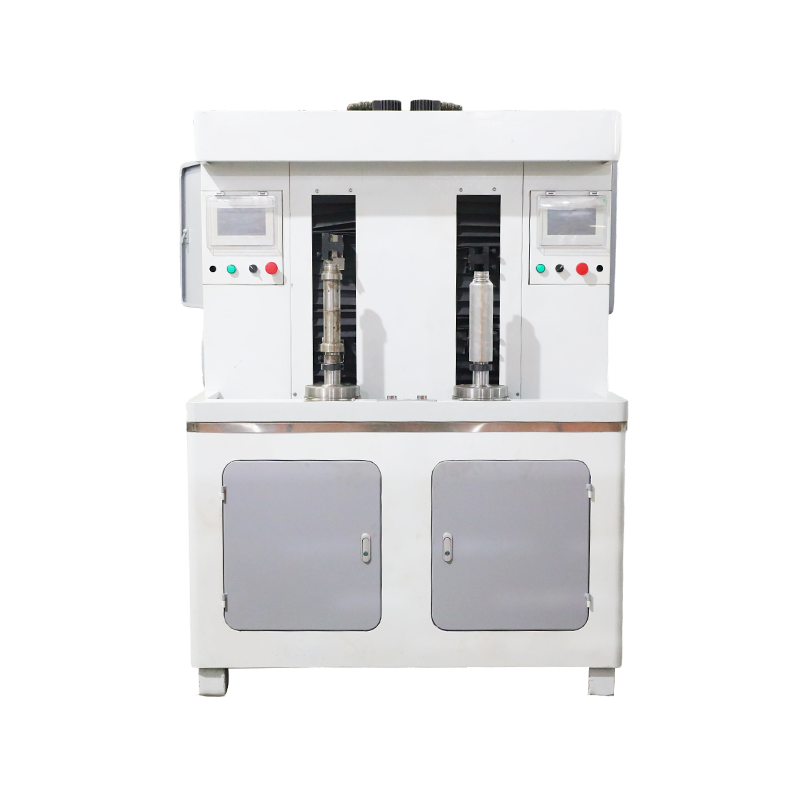
A Vacuum Flask Production Machine ties together many steps into one system. It runs by itself using three main things: a brain (PLC), robot arms, and sensors.
The main parts that make it work:
- (a) A computer brain that tells each station when to start and stop
- (b) Robot arms that grab parts, move them, and put them in place
- (c) Sensors that watch temperature, pressure, and seal quality as things happen
The brain adjusts pressure and timing on the fly when it sees a metal thickness change. For welding, laser or resistance welders run automatically and make joints that hold.
Operators can watch a screen to see what the machine is doing. If something drifts off, the machine either fixes itself or sets off a beep. That means fewer bad parts make it through. You also do not need as many highly trained people standing around.
Better Welds and Steadier Vacuum?
A Thermos Flask Production Line focuses hard on two things: welding and vacuum. Both decide whether a flask keeps coffee hot for hours or goes cold in thirty minutes.
Main improvements:
- (a) Laser welders that lay down smooth, even seams
- (b) Automatic controls that keep heat and weld depth steady
- (c) Vacuum systems that hold pressure so insulation lasts
The welding setup watches what it is doing and changes power as needed. That stops the metal from burning through, getting weak spots, or sealing crookedly.
Vacuum is the other big piece. Good pumps pull air out, and leak testers check each flask. Any flask with a tiny leak gets pulled off the line right there.
Cooling also gets handled carefully so the metal does not warp. Put all that together, good welding, automatic checks, and solid vacuum control, and you get the same performance from flask number one and flask number ten thousand.
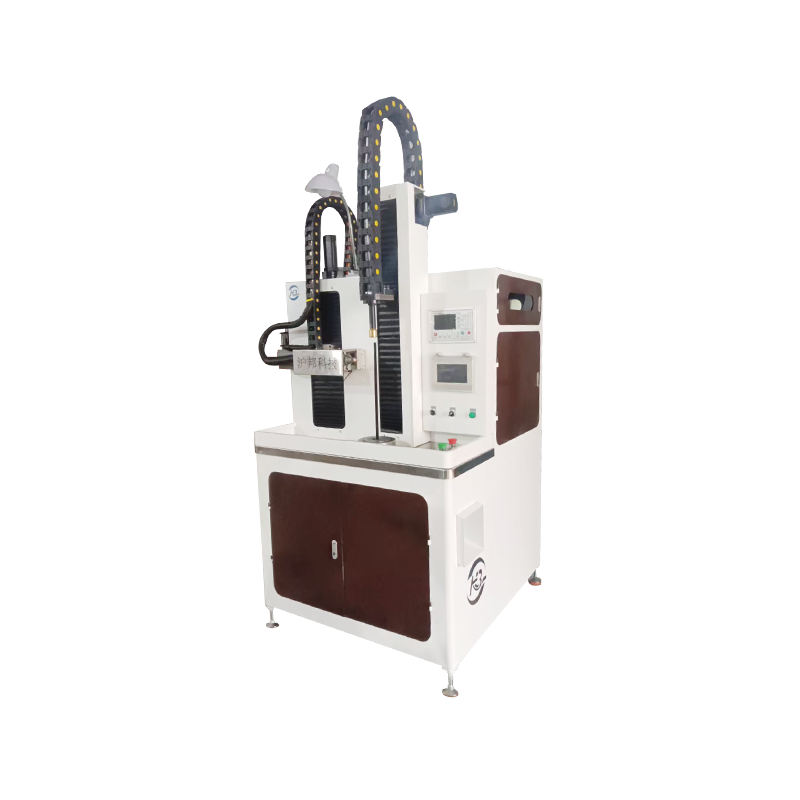
Modern lines like the Vacuum Flask Production Line, Vacuum Flask Production Machine, and Thermos Flask Production Line help shops push out more product, keep quality up, and build flasks that last. If your shop already runs a Water Bulging Machine, High-Pressure Water Bulging Machine, or Water Bulging Bottle Making Machine for metal forming, adding one of these automated flask lines lets you go from raw metal to finished flask without stopping.


