 English
 русский

The CNC Pipe Cutting Machine is designed for high-precision cutting of stainless steel pipes, especially suited for cup ...
See Details
The pace of change inside metal tube fabrication does not always draw attention from the outside. Machines look similar. Workshops still handle steel, aluminum, and other common materials. Yet inside these spaces, the way work is arranged has started to shift. The focus is moving away from fixed routines and toward adaptable production.
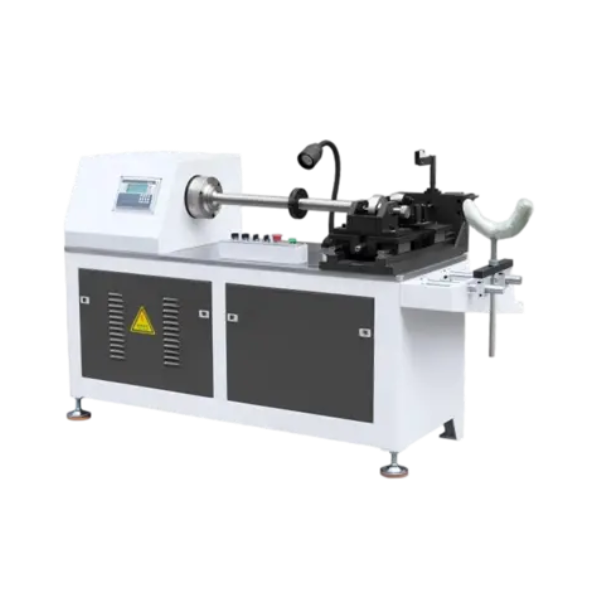
Blm tube laser cutting machine is often linked to this shift. They are not only shaping tubes. They are shaping decisions. They influence how a job is planned, how quickly a change can be made, and how smoothly work moves from one step to another.
Flexibility, in this context, does not mean constant change. It means having the ability to adjust without breaking the rhythm of production. This idea now runs through many fabrication environments.
A typical workflow used to follow a predictable route. Tubes arrived in raw form. They moved through cutting, shaping, and finishing stages. Each stage was separate. Each one required preparation.
This structure worked well when orders were stable. Large batches moved through the same path again and again. Repetition supported speed, but it limited variation.
With tube laser cutting machines, the workflow begins to feel less segmented. Several steps can be handled within a closer range. Movement between stages is reduced. This change might seem small, but it affects how the entire space operates.
Workers no longer spend as much time repositioning materials. Adjustments can be made within the same working area. This shortens the time between decisions and results.
Another noticeable change is the pace of transitions. Switching from one design to another used to interrupt the flow. Now the shift is softer. The line continues with fewer pauses.
Over time, this creates a more continuous rhythm. Production feels less like a series of stops and starts. It becomes more like a steady stream with controlled variation.
Design has always played a role in fabrication. However, the expectations around design have changed. It is no longer enough to produce standard shapes. Many projects now require variation, even within the same batch.
Tube laser cutting machines support this shift by allowing changes to be introduced without rebuilding the entire process. A new pattern can be applied without changing the physical setup in a major way.
This affects how designers and production teams work together. Ideas can move forward without long delays. Adjustments can be tested in a practical setting rather than remaining theoretical.
Design flexibility also changes how errors are handled. If a design needs correction, the response can be quicker. Instead of stopping the line, teams can adapt and continue.
There is also a subtle psychological effect. When changes are easier to apply, teams are more willing to explore options. This leads to a more active design environment.
Order patterns are no longer consistent. Some clients request large volumes. Others need small quantities with specific features. This variation creates pressure on production systems.
Traditional setups often favor large batches. Smaller orders can disrupt efficiency because they require frequent adjustments. This leads to downtime and uneven output.
Tube laser cutting machines help reduce this tension. The transition between orders is less demanding. This allows workshops to handle mixed workloads without losing stability.
Smaller batches can be processed alongside larger ones. The system does not need to be stopped for long periods. Instead, it adjusts and continues.
This approach also affects planning. Managers can accept a wider range of orders without worrying about major disruptions. It creates a more balanced production schedule.
Shifts in Production Behavior
| Production Factor | Earlier Pattern | Current Flexible Pattern |
|---|---|---|
| Order Size Preference | Larger batches | Mixed batch sizes |
| Changeover Impact | High disruption | Limited interruption |
| Workflow Stability | Dependent on repetition | Maintained across variation |
| Planning Approach | Fixed schedules | Adaptive scheduling |
| Output Rhythm | Start-stop pattern | Continuous flow |
Material flow often reveals the true efficiency of a workshop. If tubes are moved too often, time is lost. If handling is complex, the risk of damage increases.
With more integrated cutting processes, the path of each tube becomes simpler. It enters the system and moves through fewer stages. This reduces unnecessary transport.
Fewer handling steps also mean fewer delays. Workers spend less time coordinating movement and more time focusing on production.
There is also a visual difference in the workspace. Clearer paths appear. Congestion decreases. Materials no longer wait between stages for long periods.
This smoother flow supports a more predictable environment. Teams can anticipate the next step without constant adjustments.
Many people worry that flexible workflows will make output less uniform. Consistency still matters above all in manufacturing; every component needs identical specs, and assemblies rely on reliable sizing to fit together.
Tube laser cutters keep cutting results steady even when switching between different part designs. This lets production stay adaptable without sacrificing uniform quality.
Every workpiece runs through a standardized process route. Different design requirements won't create random defects, as all adjustments happen within a fixed, stable operating system.
Uniform output keeps later assembly steps running smoothly, since all parts line up exactly as planned. Quality checks also become faster and simpler to complete.
Striking a balance between flexibility and consistent output defines today's modern fabrication methods. Production can make many different products without messy, unpredictable quality shifts.
Customer expectations continue to evolve. Faster delivery is often requested. At the same time, there is a demand for unique features.
Workshops need to respond without increasing complexity. Flexible cutting systems provide a way to manage these expectations.
Orders can be adjusted during production. Changes do not always require restarting the process. This shortens response time.
Communication also becomes more direct. Designers, planners, and operators can work closer together. Information moves quickly between them.
This creates a more responsive environment. Instead of resisting change, the system absorbs it and continues.
A workshop's floor plan is built around its daily production flow. Older setups split the space into isolated zones, each dedicated to just one job step.
When operations gain more flexibility, these divided layouts open up. Multi-purpose equipment removes the need for rigid, separated work areas.
Materials move far shorter distances as a result. Staff can monitor multiple production stages from one spot instead of moving back and forth constantly.
The whole space no longer feels broken into disconnected sections. Operators can rearrange work areas easily whenever production shifts. New processing lines can be added without tearing down large parts of the setup.
This ability to adjust grows into a core feature of the workshop. The space isn't locked into one permanent design; it shifts along with changing production demands.
Changes in equipment often bring changes in roles. Repetitive tasks become less central. Awareness and adaptability gain importance.
Workers need to understand how different steps connect. They need to recognize when adjustments are required. This involves observation as much as action.
Training becomes more continuous. Skills are developed over time rather than learned once. Teams share knowledge as processes evolve.
This shift does not remove the value of experience. Instead, it changes how experience is applied. Workers rely on judgment and awareness rather than routine alone.
The result is a more engaged workforce. People are not only following steps. They are participating in how those steps are shaped.
Planning used to rely on predictability. Stable orders allowed long-term schedules to be set in advance. Variation made planning more difficult.
Flexible systems allow planning to become more responsive. Schedules can be adjusted without major disruption. This reduces the risk of delays.
Managers can consider a wider range of opportunities. New orders can be accepted without fear of interrupting existing work.
This creates a more dynamic planning environment. Instead of avoiding change, teams prepare for it.
Long-term stability is no longer based on repetition alone. It is supported by the ability to adapt when needed.
What is the main advantage of flexible tube fabrication?
It allows production to adjust to different designs and order sizes without stopping the workflow.
Can complex designs be handled easily?
Design changes can be introduced with less disruption, making it easier to produce varied shapes.
Does flexibility slow down production?
In many cases, it helps maintain a steady pace because fewer interruptions occur during changes.
How does it affect material handling?
Material movement becomes simpler, with fewer steps and less handling required.
Is consistency still reliable?
Yes. Even with variation, cutting processes remain stable and predictable.
Do smaller workshops benefit from this approach?
Flexible systems can support both small and large operations by adapting to different workloads.
Are workers required to change their skills?
They often develop a broader understanding of the workflow and learn to adjust processes when needed.
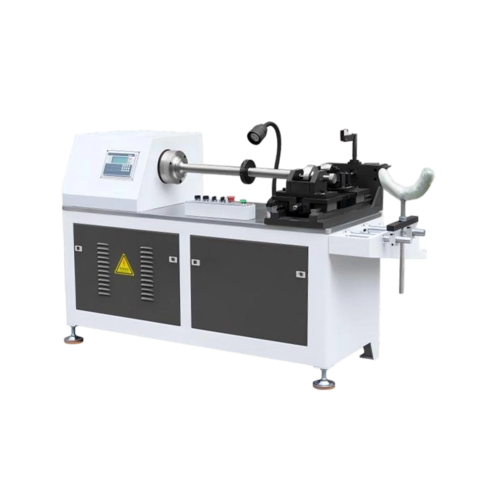
The CNC Pipe Cutting Machine is designed for high-precision cutting of stainless steel pipes, especially suited for cup ...
See Details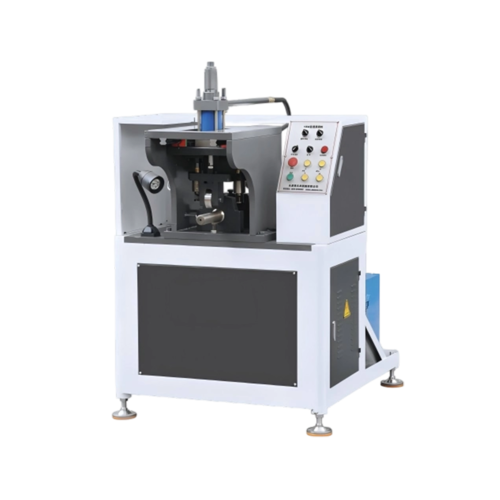
The Hydraulic Welding Seam Flatten Rolling Machine is a specialized piece of equipment designed for rolling and leveling...
See Details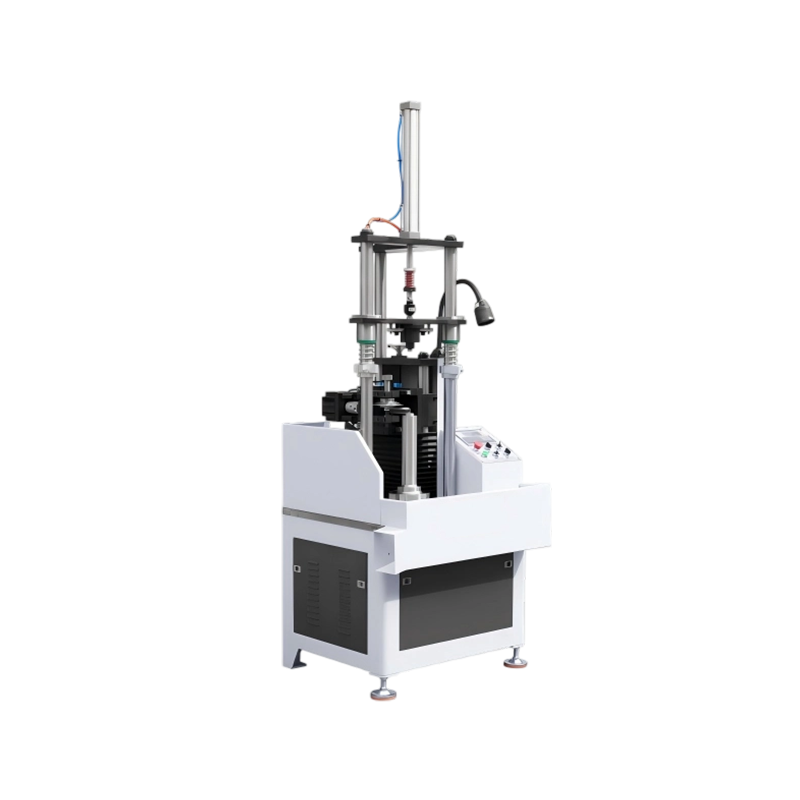
The CNC Rim Neck Cutting Machine is a high-precision, fully automated equipment designed for cutting and trimming the wa...
See Details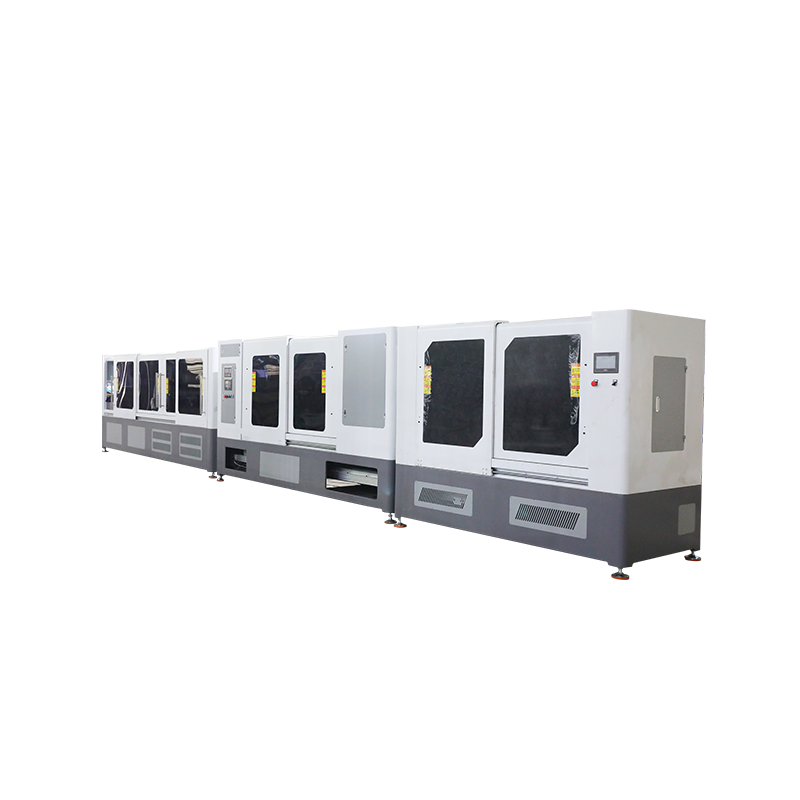
The Fully Automatic Pipe Drawing Machine for Thermos is a precision-engineered production system. It integrates laser pi...
See Details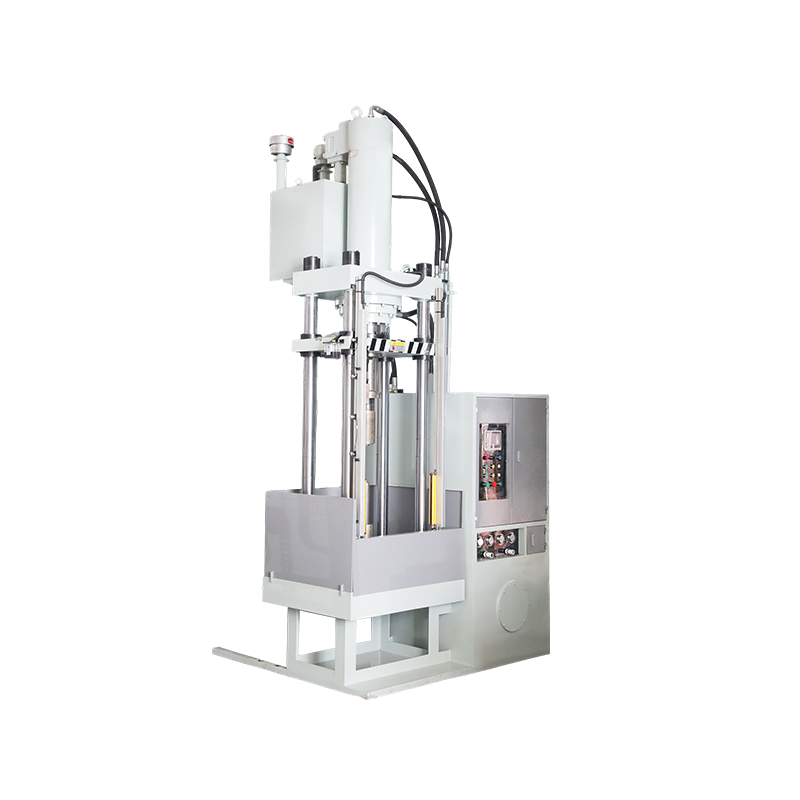
The Water Bulging Bottle Making Machine is made for the precision forming process of both the outer shell and inner line...
See Details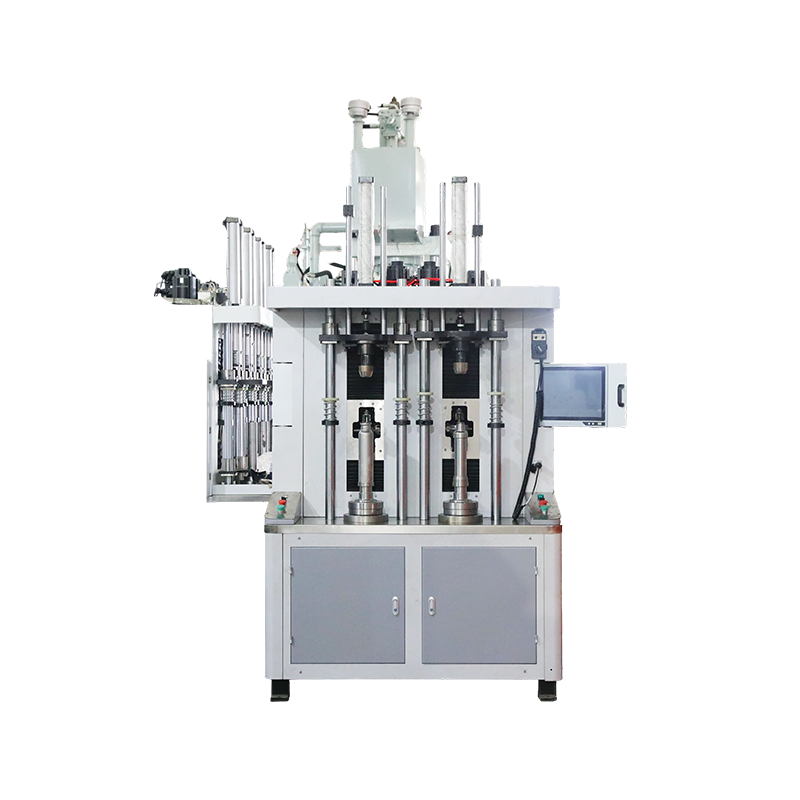
The Double Station CNC Tube End Shrinking Machine is designed for the spinning and compressing process of cup and pot mo...
See Details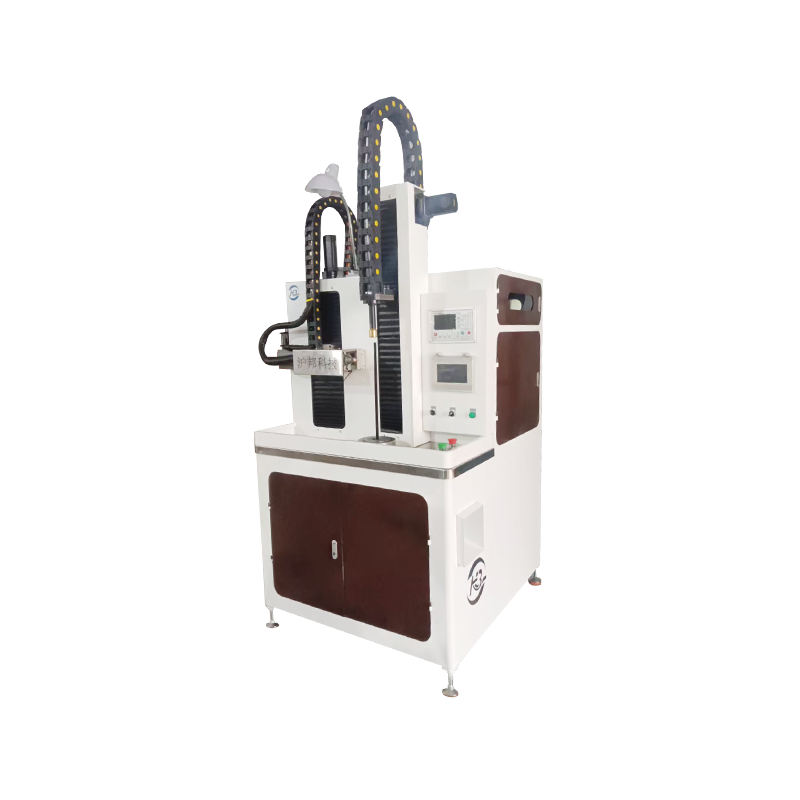
The Laser Bottle Flask Dividing Machine is designed for precision processing of various cup and pot components, includin...
See Details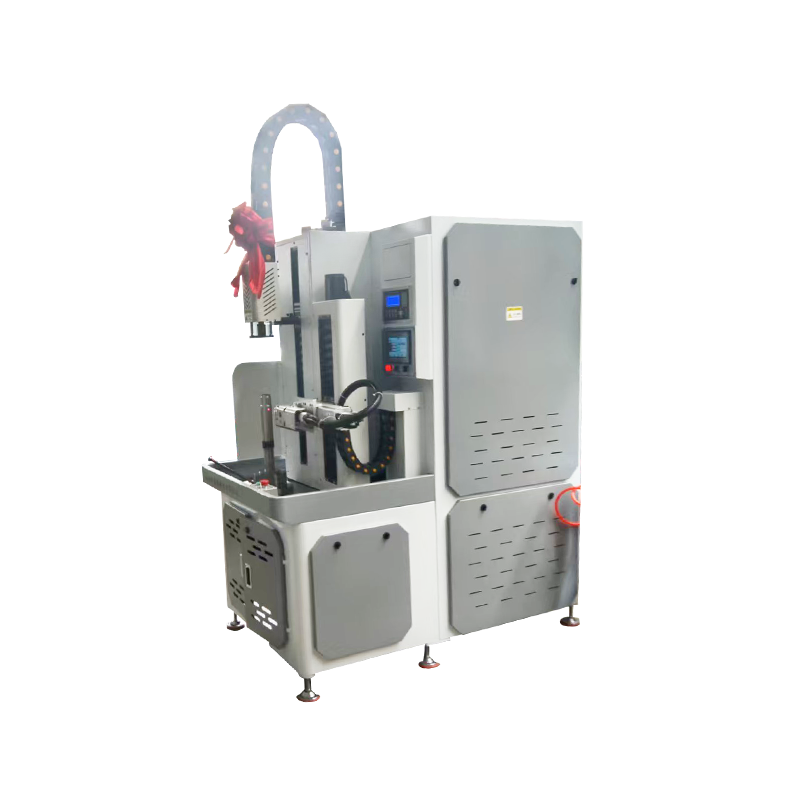
The Automatic Laser End Cutting Machine for Vacuum Flask is a high-precision equipment designed for efficient cutting of...
See Details
Yongkang Hubang Machinery Technology Co., Ltd.

No. 223, Chengxin Road, Economic Development Zone, Dongcheng Street, Yongkang City, Jinhua City, Zhejiang Province, China
Copyright © Yongkang Hubang Machinery Technology Co., Ltd.

Stainless Steel Flask Making Machine Supplier


