 English
 русский

The CNC Pipe Cutting Machine is designed for high-precision cutting of stainless steel pipes, especially suited for cup ...
See Details
A wholesale deep drawing machine is not just a piece of production equipment. It sits in the middle of forming lines, shaping raw metal into usable parts. Once installed, it becomes part of a long production rhythm. Because of this, buying decisions are rarely simple. The choice affects workflow, output stability, and long-term operating behavior.
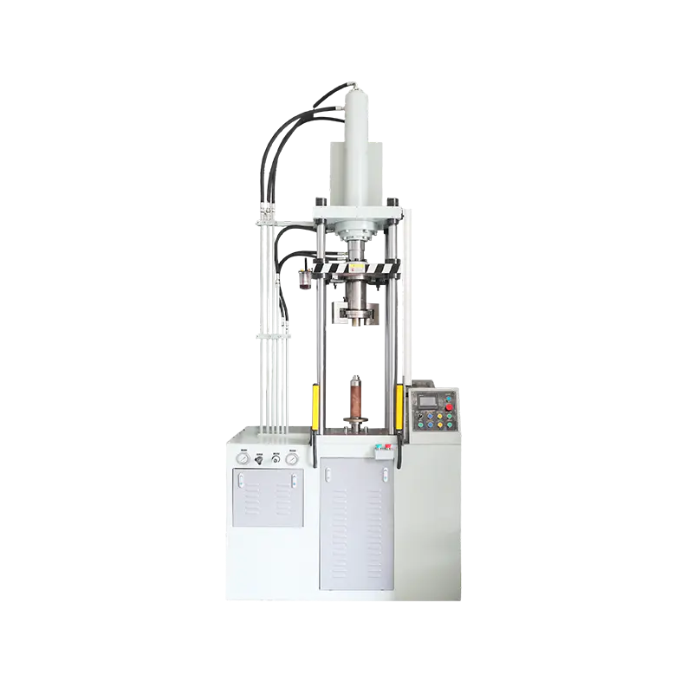
In many industrial settings, the machine is expected to run continuously under changing conditions. That expectation makes selection more sensitive than it may appear at first. A small mismatch in requirements can show up later as uneven production, extra adjustment work, or unexpected downtime.
A deep drawing machine is often introduced as a forming solution. In practice, its role is broader. It influences how material flows, how shape is formed, and how consistent output remains across batches.
In wholesale purchasing, the machine is usually not used alone. It works as part of a system. That system may include feeding, shaping, and finishing steps. The machine becomes a central point where these stages connect.
When the machine performs steadily, the entire line feels balanced. When it behaves inconsistently, small disruptions spread across other steps. This is why buyers often evaluate more than just basic function. They look at how the machine fits into the full production rhythm.
Production demand is often the first practical filter. Different factories operate at different levels of intensity. Some focus on stable batch production. Others handle frequent changes in output style or volume.
A machine that fits one environment may feel less suitable in another. This is not always about strength or size. It is about adaptability.
Key demand factors include:
When demand is steady, the machine can be optimized for consistency. When demand changes often, flexibility becomes more important.
Selection becomes a match between machine behavior and production rhythm.
Most buyers only check rated capacity and basic functions when they first assess a product, easily ignoring its internal structural design. Even so, the inner build is what really decides how well the unit holds up after long-term use.
Stress spreads across multiple contact points inside the device. If the weight and pressure spread evenly, all moving parts operate steadily. Uneven distribution leaves certain sections bearing far more load than others.
As the equipment keeps running, this uneven stress will gradually cause inconsistent output, and you'll have to carry out constant tweaks to keep it working.
Several structural details make a big difference:
A well-built stable structure does more than deliver smooth daily operation. It also prevents random malfunctions when the device runs continuously over a long period.
Material selection inside a deep drawing machine affects more than strength. It influences how the machine responds to repeated pressure and movement.
During operation, parts experience continuous stress. If the material holds its shape consistently, performance remains steady. If it shifts under repeated load, small changes begin to appear in operation.
Common material-related influences include:
| Material behavior | Operational impact |
|---|---|
| Stability under load | Consistent output behavior |
| Resistance to wear | Longer stable operation period |
| Surface response | Smooth movement interaction |
| Structural retention | Reduced deformation over time |
Material behavior is often silent at first. Its effects appear gradually during extended use.
Process compatibility refers to how well the machine fits with the intended forming workflow. Even if a machine performs well on its own, it may not match every production process.
Compatibility is not only about size or function. It is about how the machine interacts with surrounding steps.
A mismatch may lead to:
When compatibility is aligned, production feels smoother. When it is not, small interruptions appear more often.
This is why buyers often consider the full production flow before making a decision.
Operational consistency is often more important than peak performance. A machine that performs steadily over time is usually more practical than one that performs strongly only in short periods.
Consistency can be observed in:
In real production, predictability reduces adjustment work. It also helps maintain smoother coordination between different stages.
When consistency drops, small corrections become frequent. Over time, these corrections affect efficiency.
Maintenance is often considered after purchase, but it should be part of early evaluation. A machine that requires complex maintenance can create hidden workload later.
Maintenance behavior includes more than repair. It also includes daily care, inspection, and adjustment patterns.
Key aspects include:
Machines that remain stable after routine care tend to create fewer disruptions in production cycles.
Maintenance clarity also helps reduce uncertainty during long-term use.
A deep drawing machine does not operate in isolation. It works within a physical environment that can influence its behavior.
Changes in temperature, vibration, or layout can affect stability over time. These influences are often gradual rather than immediate.
Environmental factors include:
When the environment is stable, the machine tends to behave more predictably. When it is variable, performance differences may become more visible over time.
Wholesale purchasing usually involves multiple units or repeated orders. In this situation, consistency between machines becomes important.
If machines behave differently, production coordination becomes more complex. Even small differences may require adjustment during operation.
Consistency affects:
When batch consistency is stable, systems operate with fewer interruptions. When it varies, more attention is required to maintain alignment.
Initial testing shows how a machine performs under controlled conditions. It does not fully reflect long-term behavior.
Real durability appears during extended use. Over time, patterns become visible that short tests cannot show.
Long-term observation highlights:
A machine that remains stable over time gives a clearer picture of its suitability than one that only performs well at the beginning.
A practical selection process usually starts with understanding production behavior rather than focusing only on machine features.
Instead of asking what the machine can do, it helps to consider how the production line behaves.
A simple view of selection:
| Focus area | What it reveals |
|---|---|
| Production rhythm | Machine suitability |
| Material behavior | Stability needs |
| Environment conditions | Operational balance |
| Maintenance pattern | Long-term workload |
Selection becomes more structured when viewed as a match between system behavior and machine response.
The goal is not to find a universal solution. It is to find a stable match that supports continuous production without unnecessary adjustment pressure.
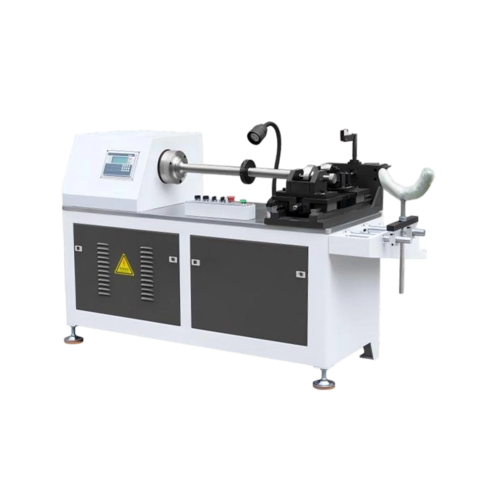
The CNC Pipe Cutting Machine is designed for high-precision cutting of stainless steel pipes, especially suited for cup ...
See Details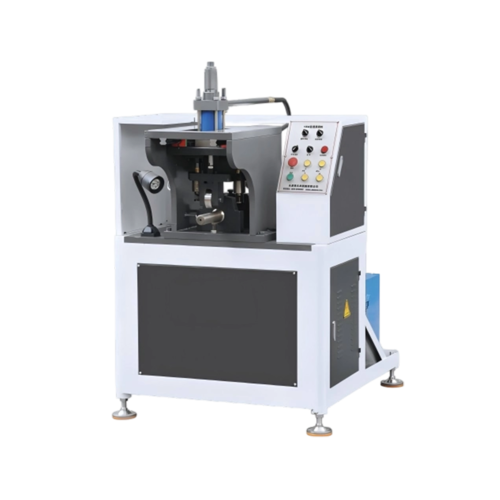
The Hydraulic Welding Seam Flatten Rolling Machine is a specialized piece of equipment designed for rolling and leveling...
See Details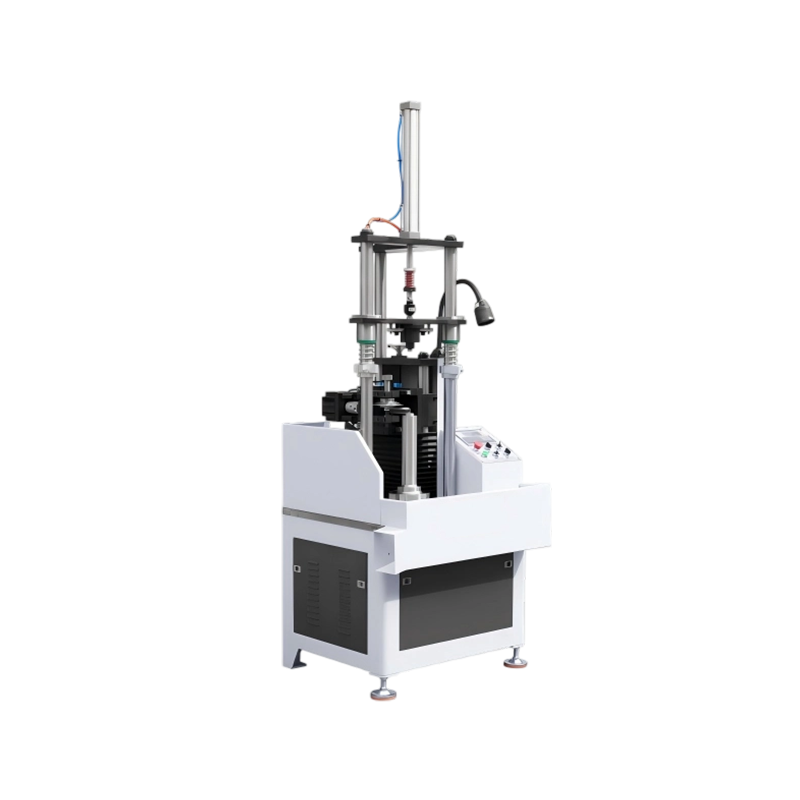
The CNC Rim Neck Cutting Machine is a high-precision, fully automated equipment designed for cutting and trimming the wa...
See Details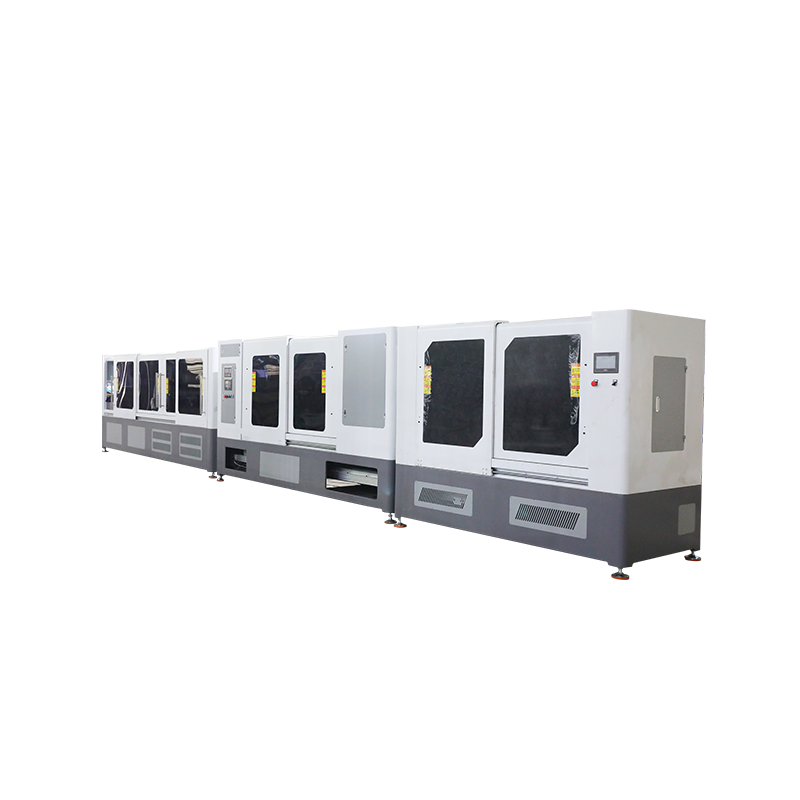
The Fully Automatic Pipe Drawing Machine for Thermos is a precision-engineered production system. It integrates laser pi...
See Details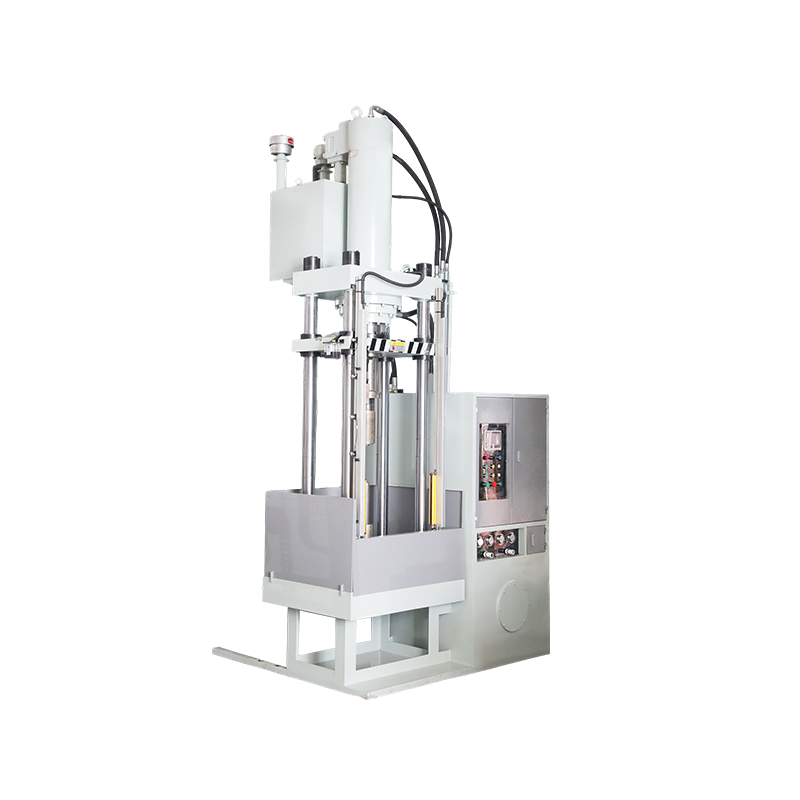
The Water Bulging Bottle Making Machine is made for the precision forming process of both the outer shell and inner line...
See Details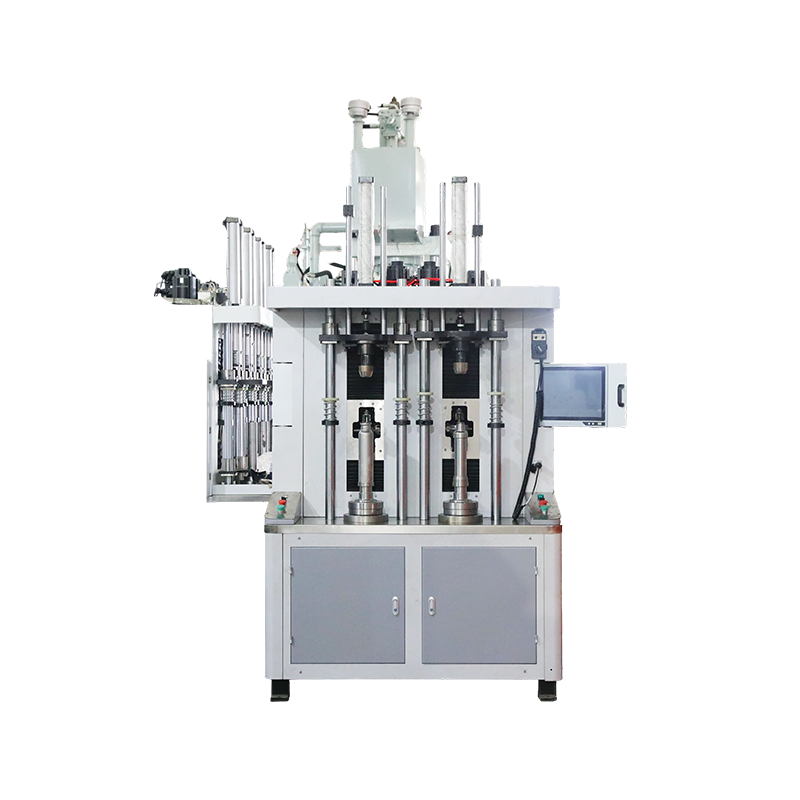
The Double Station CNC Tube End Shrinking Machine is designed for the spinning and compressing process of cup and pot mo...
See Details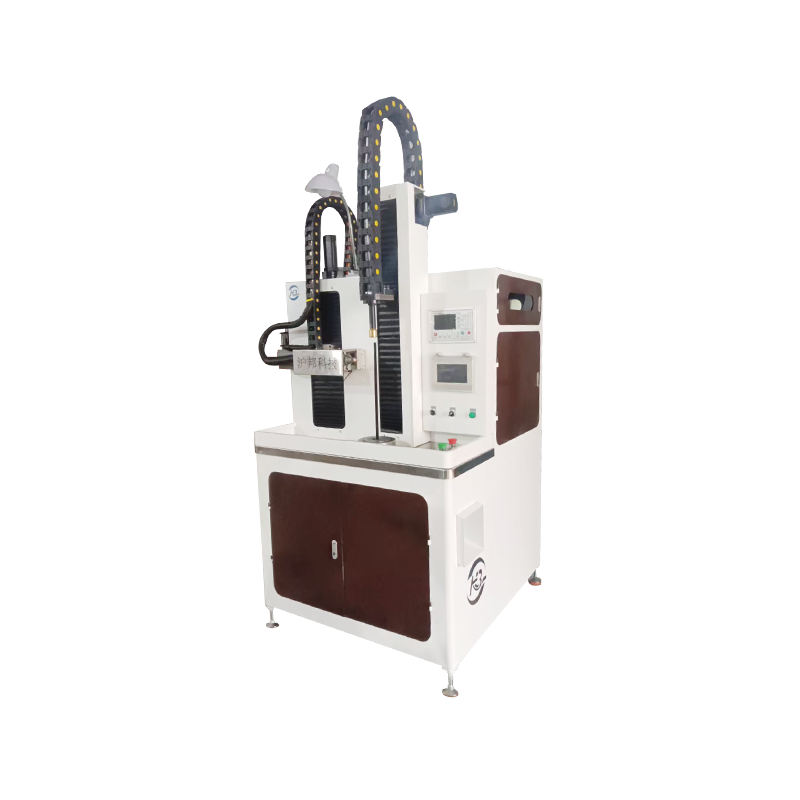
The Laser Bottle Flask Dividing Machine is designed for precision processing of various cup and pot components, includin...
See Details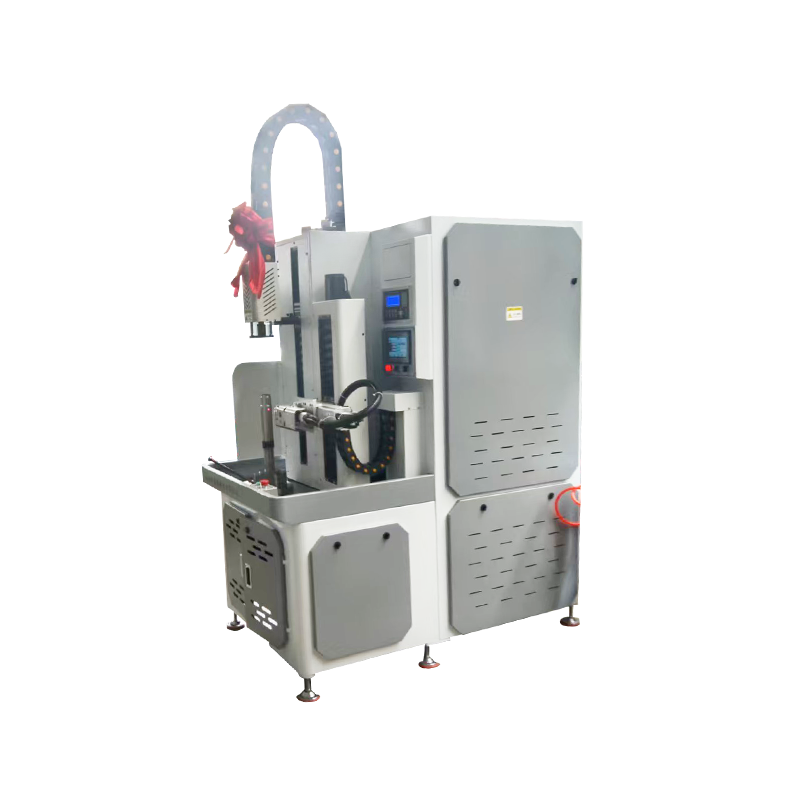
The Automatic Laser End Cutting Machine for Vacuum Flask is a high-precision equipment designed for efficient cutting of...
See Details
Yongkang Hubang Machinery Technology Co., Ltd.

No. 223, Chengxin Road, Economic Development Zone, Dongcheng Street, Yongkang City, Jinhua City, Zhejiang Province, China
Copyright © Yongkang Hubang Machinery Technology Co., Ltd.

Stainless Steel Flask Making Machine Supplier


