
 English
 русский

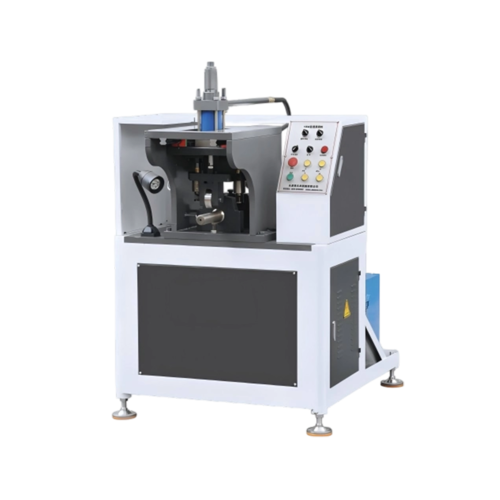
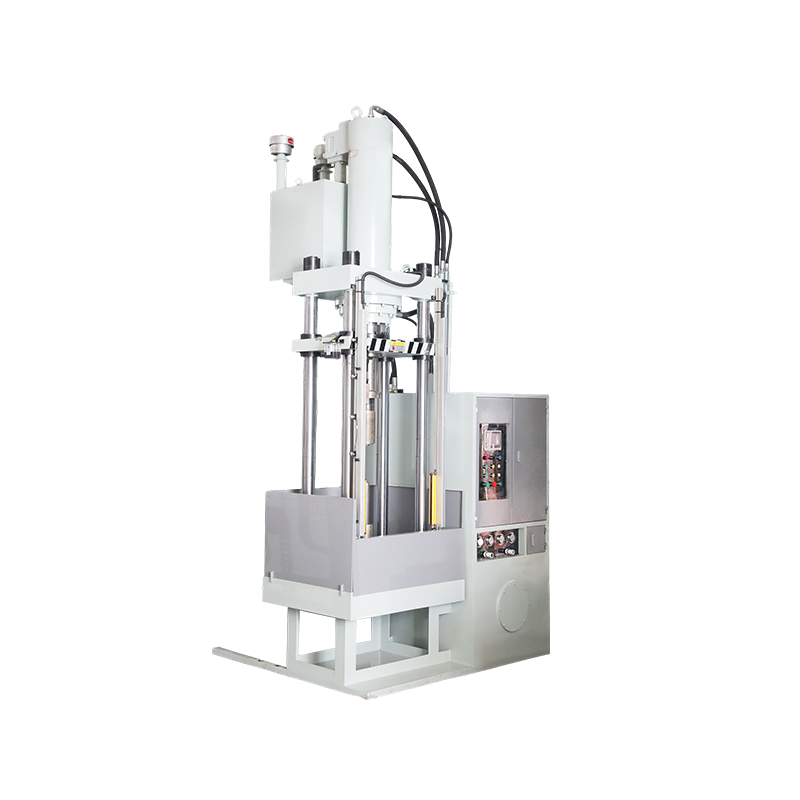
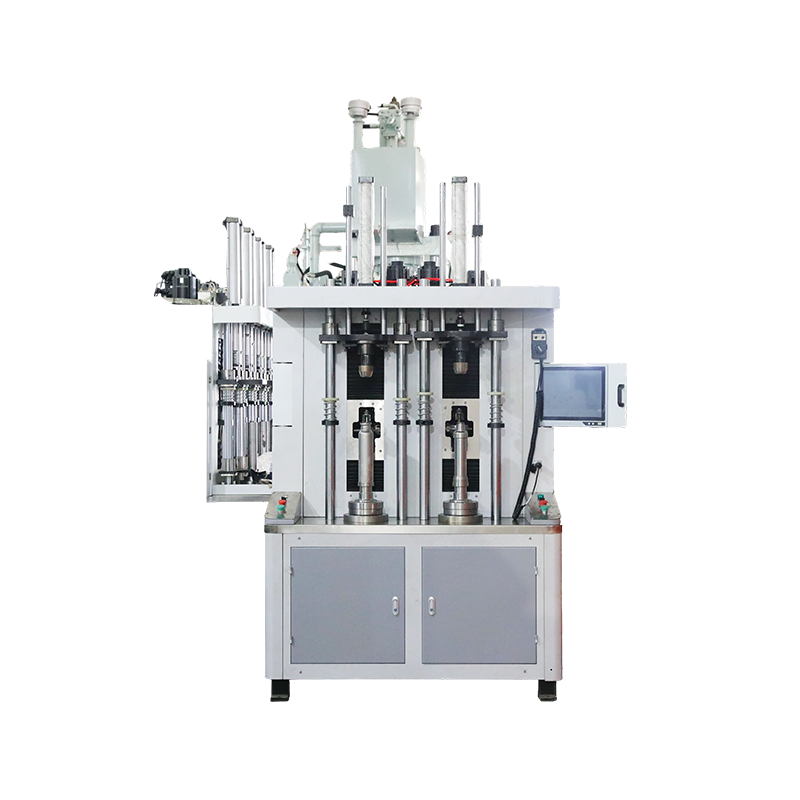
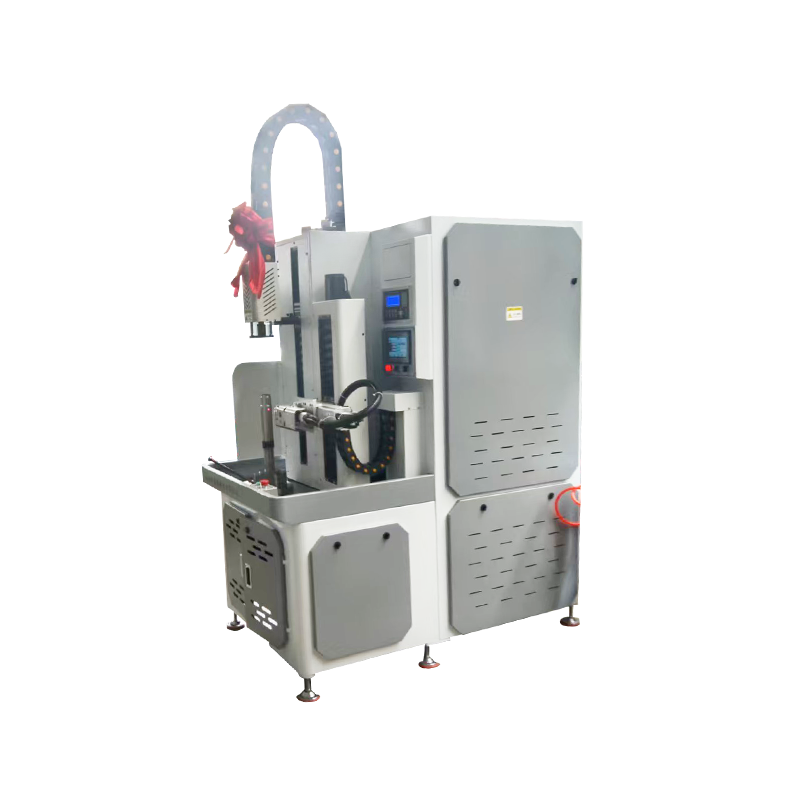
Deep Drawing vs Stamping: Key Buying Guide
Deep Drawing vs. Stamping: What’s the Real Difference?
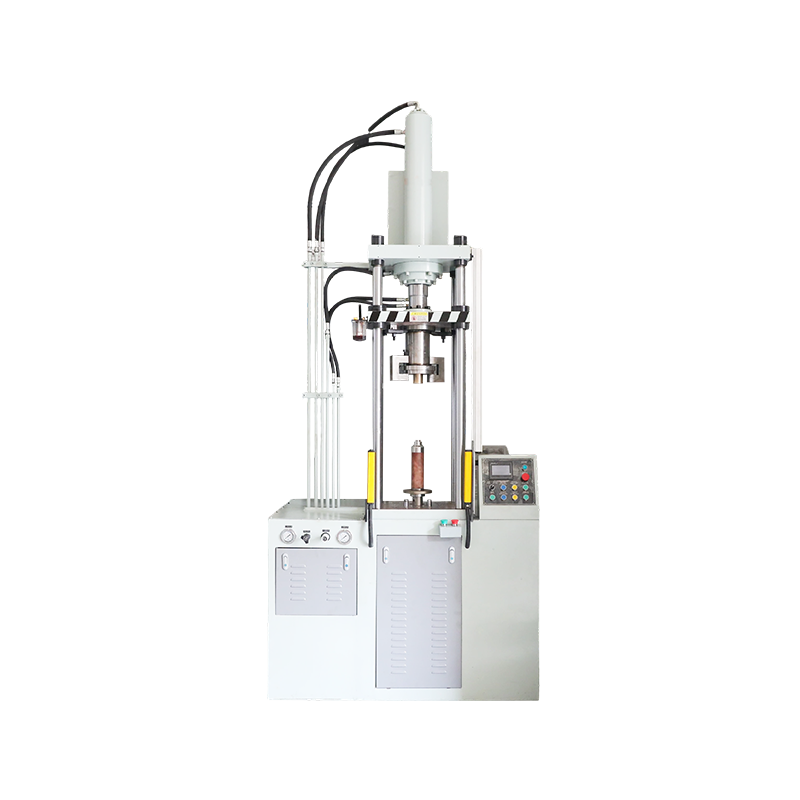
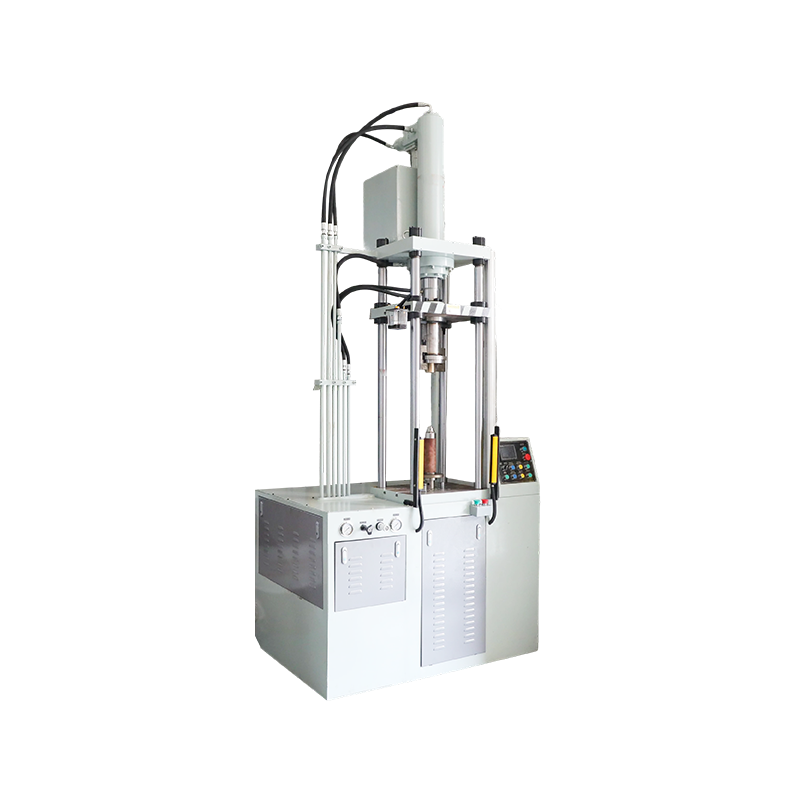
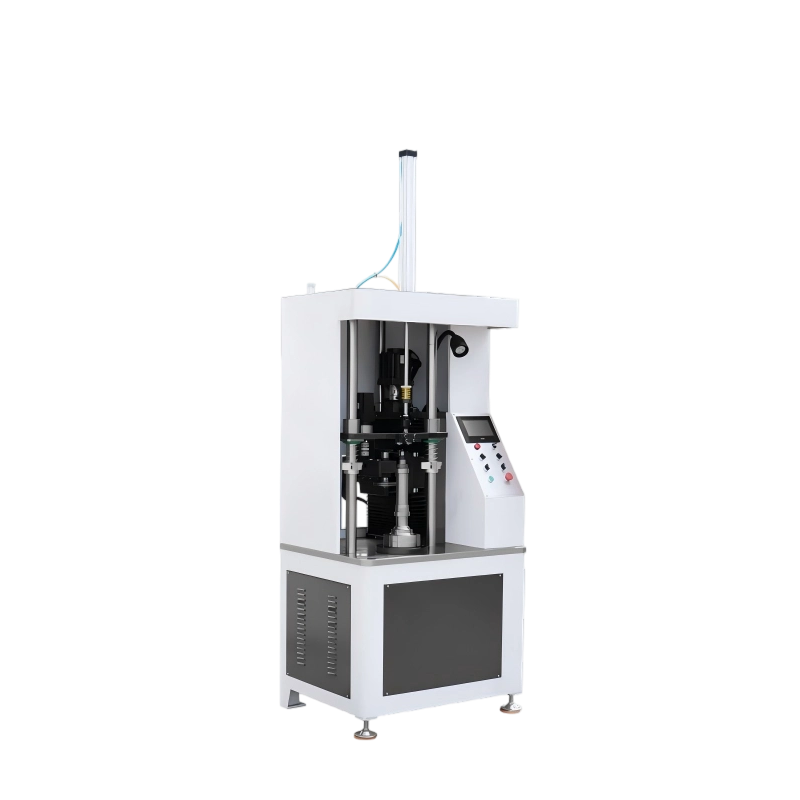
A Deep Drawing Machine takes flat metal blanks and pulls them into deep, hollow shapes using tension and compression. Stamping equipment mostly cuts, bends, or does shallow work. Both fall under sheet metal processing, but they run on different principles and fit different jobs.
Here is where they split:
(a) Forming depth
- Deep drawing works for deep, seamless hollow parts
- Stamping handles shallow or surface-level shaping
(b) Material deformation mode
- Deep drawing pulls and stretches the metal in a controlled way
- Stamping hits hard or cuts through the material
(c) Product applications
- Deep drawing shows up in stainless steel cups, tanks, and shells
- Stamping goes into car panels, brackets, and flat components
Compared to stamping, a Deep Drawing Machine gives you parts with no weld seams, so they hold up better under pressure. That is why you see it used for vacuum flasks and containers that need to handle stress.
Vacuum Flask Deep Drawing Machine: Keep Wall Thickness Even?
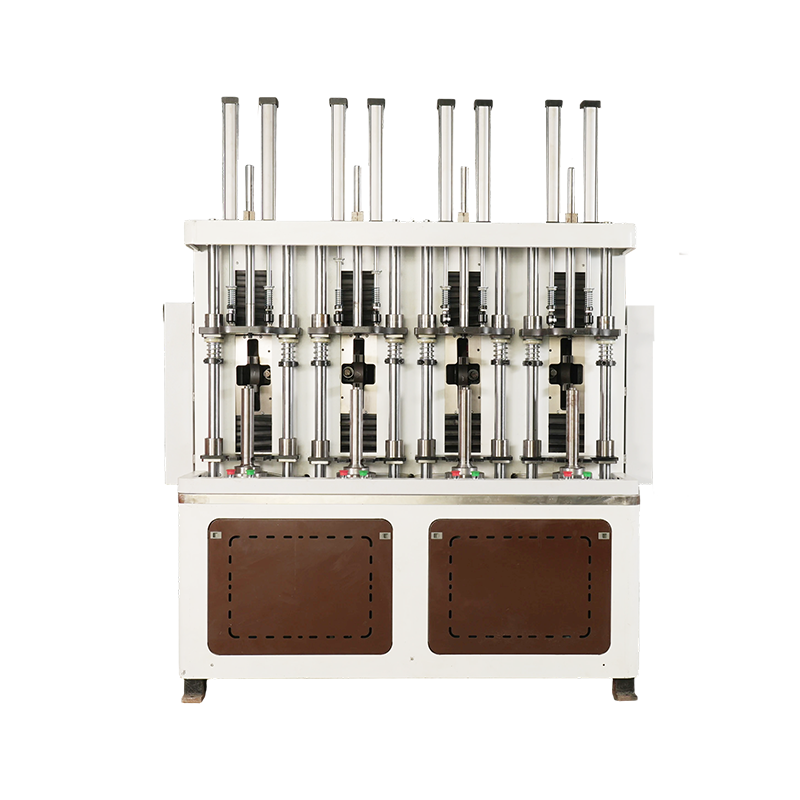
A Vacuum Flask Deep Drawing Machine maintains a steady wall thickness when making stainless steel cup bodies. If the thickness changes too much from spot to spot, the flask will not keep heat in well and might break earlier than it should.
Here is what helps:
(a) Multi-stage drawing process
- Brings down stress bit by bit so the metal stretches evenly
(b) Precision blank holder force control
- Keeps the metal moving into the die at the same speed all the time
(c) Optimized die geometry design
- Balances the pulling and pushing forces across the whole metal sheet
Sensors watch the whole process and change pressure and speed as needed. This stops the metal from getting too thin at the bottom corners or shoulders. Good lubrication also helps. It cuts down friction between the sheet and the die, so the metal slides better and you get fewer cracks or wrinkles.
Some shops use a Vacuum Flask Deep Drawing Machine for the rough shape and then switch to other methods for final detailing. The combination of mechanical precision and smart controls ensures good output even when running thousands of parts.
How Does a Thermos Bottle Hydraulic Deep Drawing Machine Cut Down on Waste?
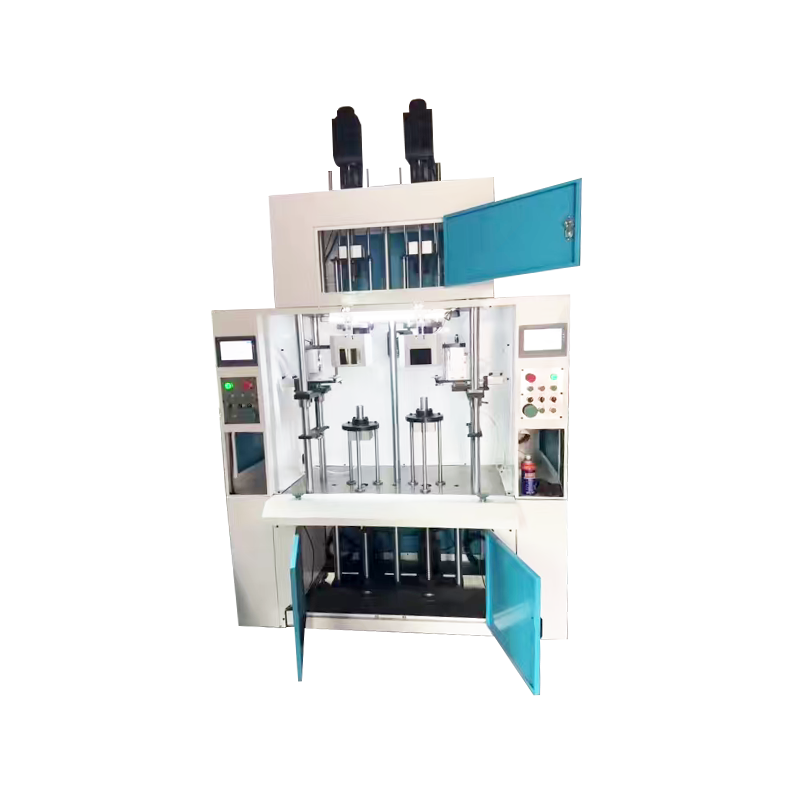
The Thermos Bottle Hydraulic Deep Drawing Machine runs on hydraulic pressure instead of plain mechanical force. That lets the metal stretch more evenly and throws away less material.
Main benefits:
(a) Even pressure distribution
- Hydraulic systems push more smoothly than mechanical presses
(b) Better material elongation
- You can pull deeper shapes without ripping the metal
(c) Higher material yield rate
- Less scrap because you can tune how the metal moves
The system changes pressure on the fly based on how thick the metal is and how tricky the shape gets. That way, the stainless steel stretches right up to its limit but does not break.
You also go through fewer steps. Older methods might need several rounds of redrawing, but a Thermos Bottle Hydraulic Deep Drawing Machine often gets the final shape in fewer stages. That makes production faster, uses less energy, and wears down your tools more slowly.
Less waste means lower costs and a smaller hit on the environment. The process also keeps the metal grain structure intact, so the finished part comes out stronger.
Machines like the Deep Drawing Machine, Vacuum Flask Deep Drawing Machine, and Thermos Bottle Hydraulic Deep Drawing Machine show up all over vacuum flask manufacturing. They help shops improve precision, cut waste, and get better material performance compared to older stamping or mechanical pressing methods.


