 English
 русский

The CNC Pipe Cutting Machine is designed for high-precision cutting of stainless steel pipes, especially suited for cup ...
See Details
Spot welding machine factories are not as mechanical or rigid as many people imagine. When you step into one, the first impression is often movement rather than noise. People shift between stations. Parts travel slowly on carts. Some corners feel busy, while others stay quiet for a while, as if waiting for the next step to begin.
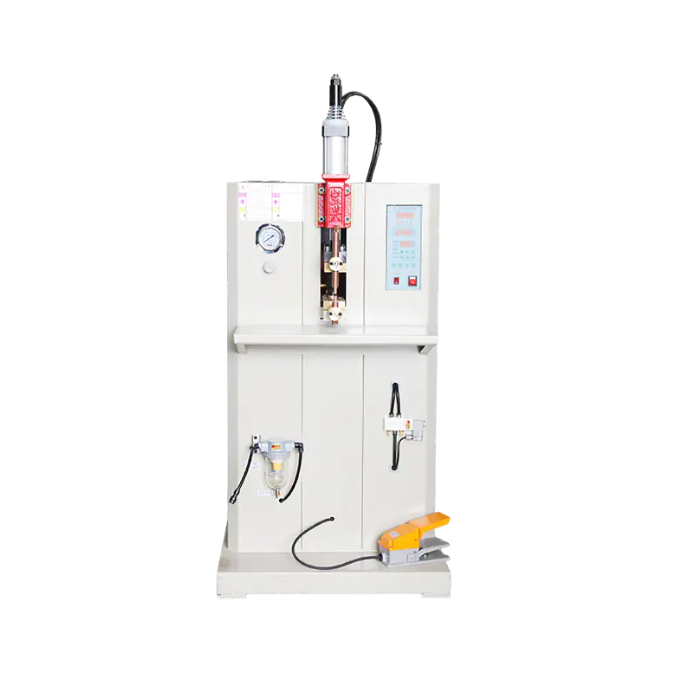
Nothing inside the factory really happens in isolation. Even when one area looks still, it is usually connected to something happening somewhere else. That quiet connection is what keeps the whole place working.
Inside these factories, space is rarely random. Each section has a purpose, but the layout does not always feel strict. Some areas are wide and open. Others are tight and filled with tools, parts, and partially finished structures.
At one end, there may be metal frames waiting in rows. In another area, cables and smaller components sit neatly arranged in trays. Somewhere else, workers focus on aligning parts with steady hands and simple tools.
It does not look like a single production line. It feels more like several smaller systems working at the same time. They do not always move at the same speed, and that is normal.
A quiet rhythm develops during the day. Some tasks move fast. Others slow down without warning. The factory adjusts around these shifts instead of forcing everything to stay equal.
There is also a clear sense of separation between clean areas and heavier work zones. This helps reduce confusion and keeps different stages from interfering with each other.
Before anything visible starts happening, there is a phase that is easy to overlook. It begins with simple preparation. Workers check what arrived, what is missing, and what needs attention before assembly can start.
There is no dramatic signal for the start of production. It happens through small actions. A pallet is opened. A checklist is reviewed. A few components are moved to a different table.
The early hours of the day often feel slower. People are not rushing yet. They are organizing what will become the base of the entire production cycle.
Design notes and instructions are usually passed between teams at this stage. They are not overly complex documents. Most of them focus on how parts should fit together and what needs special attention.
A quiet pattern often appears here:
Nothing is rushed. The goal is to make sure nothing important is missing before heavier work begins.
Even experienced workers pay close attention during this stage. A small mistake here can affect everything that follows.
Material movement inside a spot welding machine factory looks simple on the surface, but it is carefully controlled. Nothing is left to chance, even if it appears casual.
Parts usually travel in small batches. They are not all released at once. Instead, they move step by step depending on where they are needed.
Some materials are carried by hand. Others are moved on carts or simple transport systems. The method depends on size, weight, and sensitivity.
There is a quiet logic to the movement. Heavy frames do not cross paths with delicate components. Electrical parts are kept away from dusty or high-activity zones. It is not written everywhere, but everyone follows it naturally.
A simple view of movement inside the factory might look like this:
| Type of Material | Movement Style | Handling Focus |
|---|---|---|
| Metal frames | Slow transport carts | Stability and safety |
| Electrical parts | Controlled handling trays | Protection from damage |
| Small fittings | Hand carried or boxed | Avoid mixing or loss |
| Semi-assembled units | Guided transfer points | Alignment accuracy |
What is interesting is how little confusion appears despite all this movement. People know where things should go without needing constant instruction. Over time, this becomes a shared understanding rather than a written rule.
Even when production becomes busy, the flow rarely collapses. It slows down in some places and speeds up in others, but it rarely breaks.
Assembly is the stage where the factory becomes visually active. Before this, most work is preparation. During assembly, everything begins to look like a machine slowly forming its identity.
Workers gather around frames that look incomplete at first. Parts are placed carefully, adjusted slightly, then fixed into position. A small shift in alignment can lead to visible changes later, so attention stays high.
There is often no rush in the way people work, even when deadlines exist. Movements are steady. Hands pause often. Measurements are checked more than once, not because of doubt, but because the structure demands it.
Different parts of the machine are usually built in separate areas before coming together. This reduces crowding and allows multiple teams to work at the same time.
At times, the assembly floor feels like several conversations happening without words. A worker adjusts a frame slightly. Another nods without speaking. Someone passes a tool without stopping.
Small issues appear during this stage, and they are usually handled immediately. Nothing is left unresolved for long. If a part does not fit smoothly, it is rechecked rather than forced into place.
The process feels slow when observed closely, but from a distance, the structure changes quickly. What was once a collection of parts gradually becomes a connected system.
Quality is not treated as a single checkpoint at the end. It is more like a habit repeated throughout the process. Instead of waiting for the final stage, checks happen during each step.
Workers often rely on simple observation. A slight uneven edge, a loose connection, or a misplaced component is usually noticed early. Experience plays a larger role than complicated measurement tools.
There is a rhythm to checking work. It does not interrupt production. It blends into it.
Common points of attention include:
These checks are repeated in different forms as the machine moves through production.
Communication also plays a quiet role here. If something looks unusual, it is mentioned quickly. There is no need for long discussions. A short exchange is usually enough.
Mistakes are not treated as rare events. They are seen as part of the process that needs correction before moving forward.
Because of this approach, quality is maintained through consistency rather than pressure.
Not all machines coming out of these factories are the same. Some require small adjustments. Others need more noticeable changes in structure or function. This is where the workflow becomes more flexible.
Customization does not stop production. It bends it slightly.
At the planning stage, adjustments are noted and distributed to the right teams. Standard parts continue flowing as usual, while modified components are handled separately.
This separation is important. It prevents confusion between standard production and special requirements.
Sometimes customization affects only a small section of the machine. Other times, it changes how different parts connect with each other. Either way, the factory adjusts without stopping the overall flow.
A simple comparison helps explain how changes are managed:
| Type of Adjustment | How It Affects Work | Handling Approach |
|---|---|---|
| Minor modification | Small delay in one section | Local adjustment |
| Structural change | Reorganization of steps | Coordinated shift |
| Functional change | Extra checks during assembly | Added verification points |
| Combined changes | Multiple stage adjustments | Layered planning |
Even with these changes, the factory avoids disruption by keeping core processes stable. Only the affected sections are adjusted.
Workers become used to switching between standard and modified tasks. It becomes part of the daily rhythm rather than an interruption.
When a machine reaches its final stage, it no longer feels like separate parts. It is treated as a complete system. This is where testing and adjustment become more focused.
Testing is not always loud or dramatic. It often looks like simple operation checks. The machine is activated in controlled conditions. Movements are observed. Connections are reviewed.
If something feels slightly off, small corrections are made immediately. These adjustments are usually subtle. A minor repositioning or tightening can be enough.
The purpose of this stage is not only to confirm function but also to ensure stability over time. Machines must behave consistently, not just once, but repeatedly under similar conditions.
Before leaving the factory, machines go through a final review. This includes visual checks, functional observation, and a last round of confirmation from experienced staff.
Packaging is handled carefully. It is not just about covering the machine. It is about keeping everything stable during transport and handling.
Documents are added in simple language. They are meant to guide future handling without confusion.
Even after everything is packed, there is a brief moment where the machine sits quietly before being moved out. It marks the end of one process, but not the end of its role.
Spot welding machine factories do not stay the same for long periods. Even if the structure looks stable, internal adjustments happen often.
Changes come slowly. Sometimes they come from materials. Sometimes from production expectations. Sometimes from new ways of organizing work.
Instead of large transformations, factories tend to make small, continuous adjustments. A layout shift here. A process improvement there. Over time, these small changes shape how the factory operates.
Workers also adapt naturally. They learn new patterns, adjust to different workflows, and become familiar with variations in production style.
What keeps everything stable is not resistance to change, but the ability to absorb it without breaking the flow of work.
Even when conditions shift, the factory continues moving in the same general direction. Not in a straight line, but in a flexible pattern that adjusts as needed.
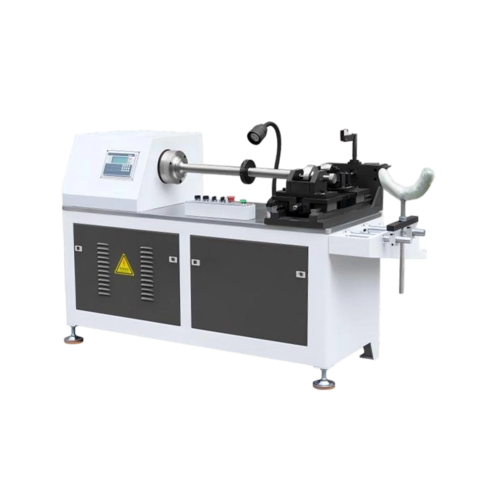
The CNC Pipe Cutting Machine is designed for high-precision cutting of stainless steel pipes, especially suited for cup ...
See Details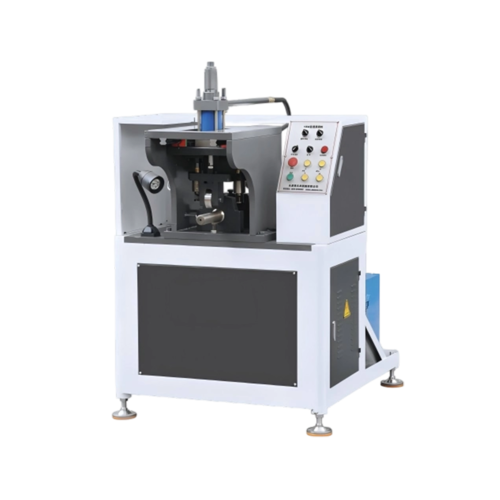
The Hydraulic Welding Seam Flatten Rolling Machine is a specialized piece of equipment designed for rolling and leveling...
See Details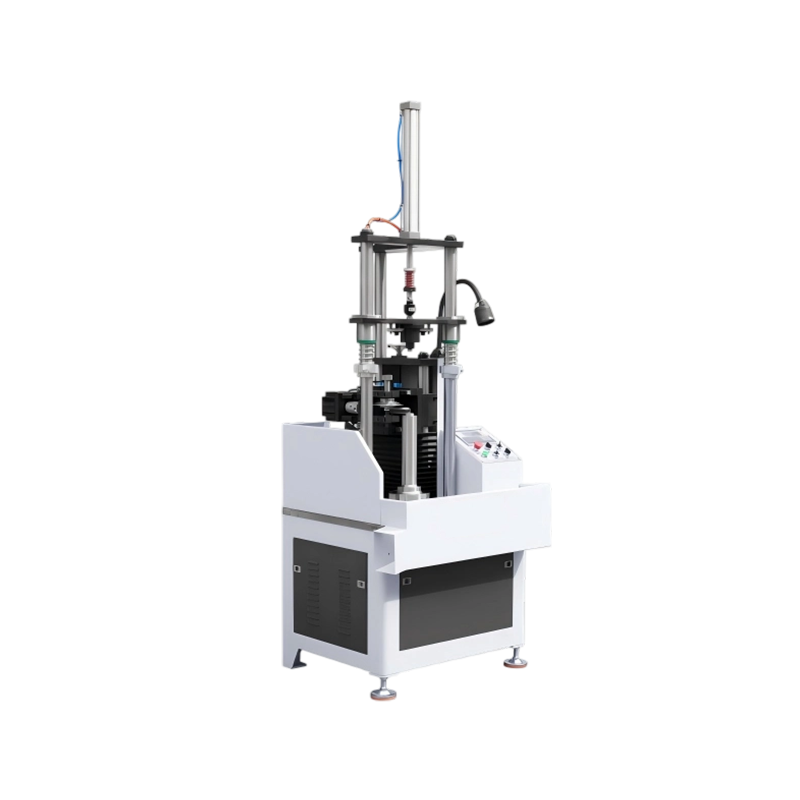
The CNC Rim Neck Cutting Machine is a high-precision, fully automated equipment designed for cutting and trimming the wa...
See Details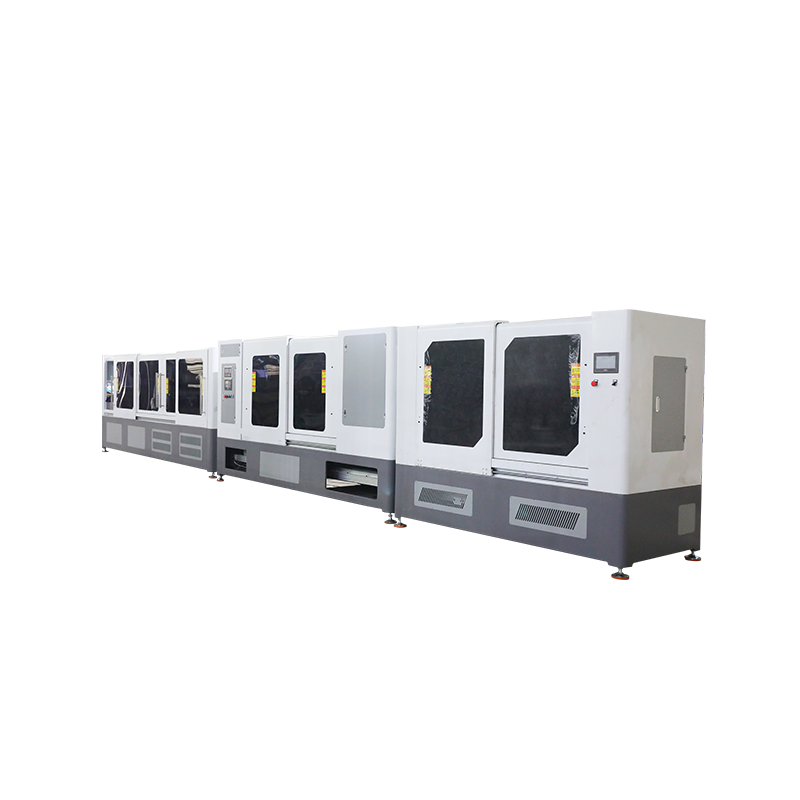
The Fully Automatic Pipe Drawing Machine for Thermos is a precision-engineered production system. It integrates laser pi...
See Details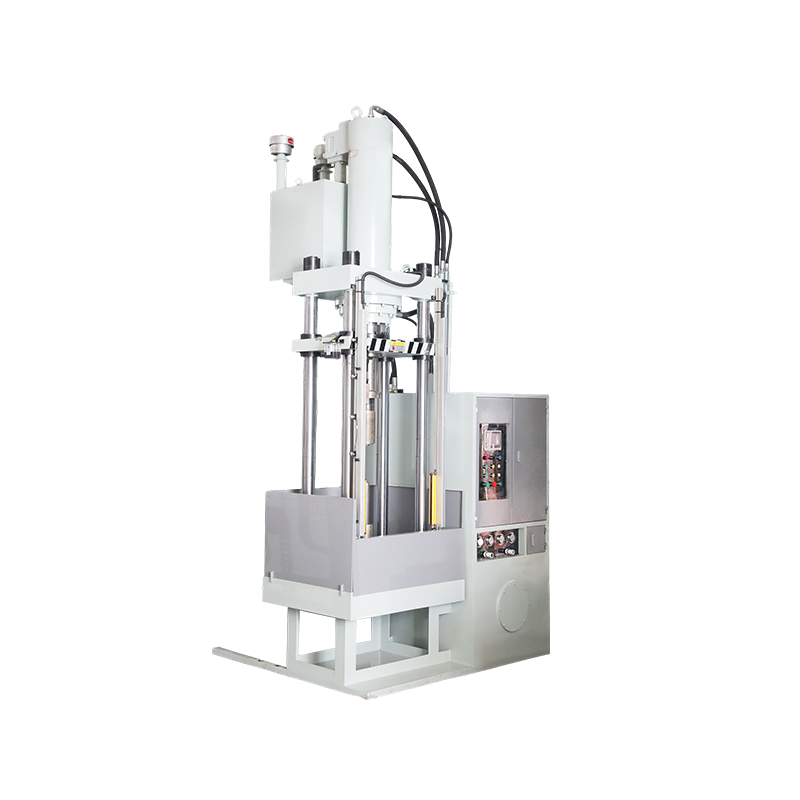
The Water Bulging Bottle Making Machine is made for the precision forming process of both the outer shell and inner line...
See Details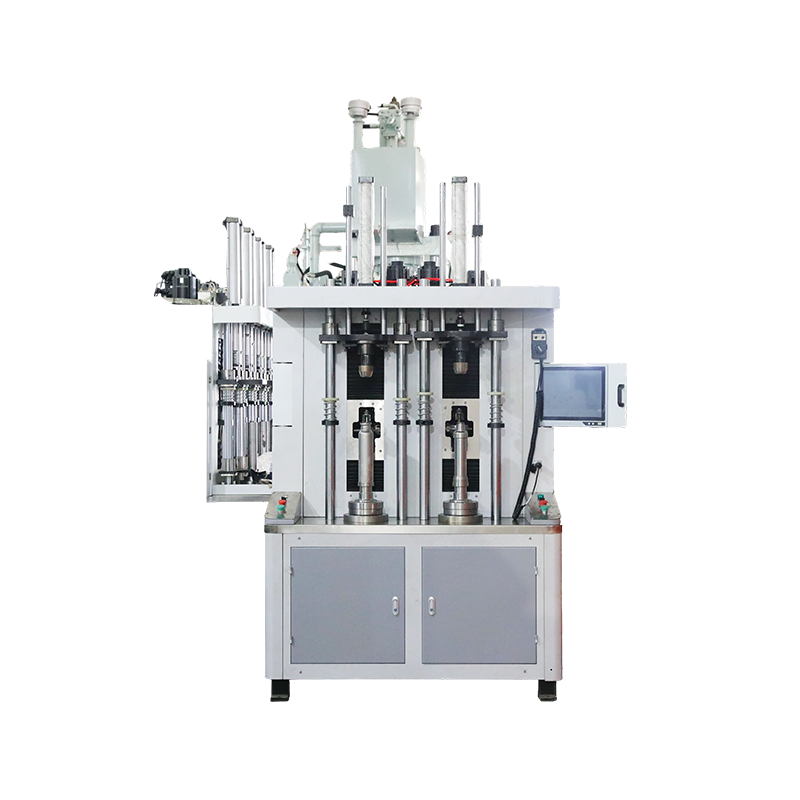
The Double Station CNC Tube End Shrinking Machine is designed for the spinning and compressing process of cup and pot mo...
See Details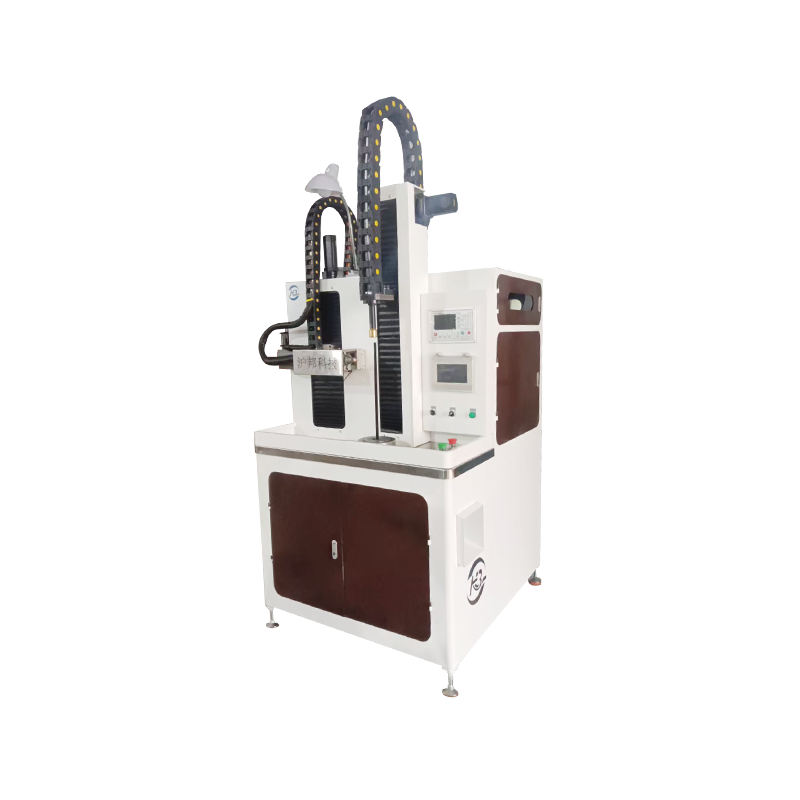
The Laser Bottle Flask Dividing Machine is designed for precision processing of various cup and pot components, includin...
See Details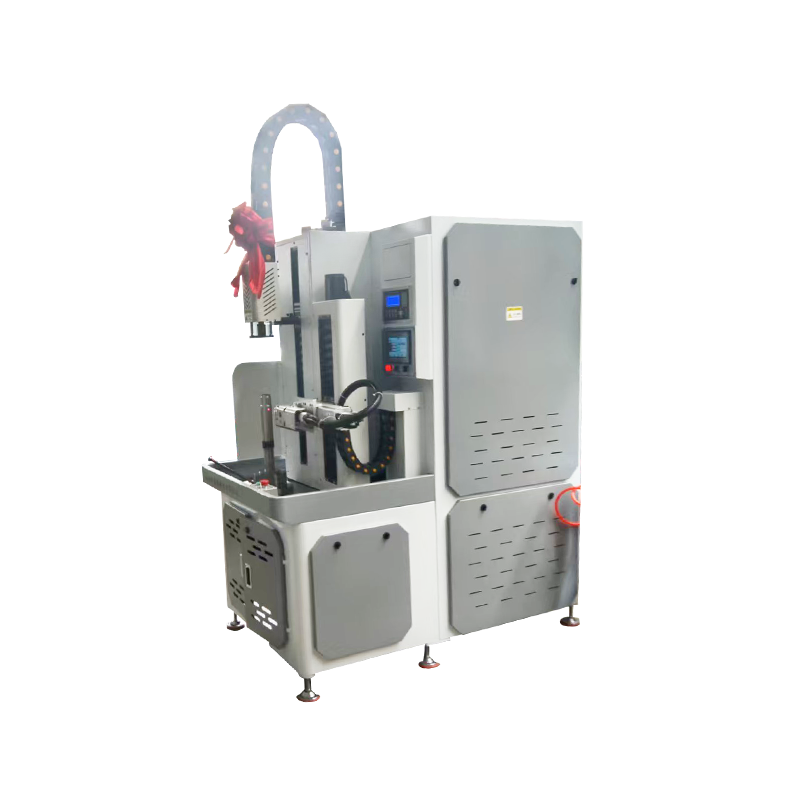
The Automatic Laser End Cutting Machine for Vacuum Flask is a high-precision equipment designed for efficient cutting of...
See Details
Yongkang Hubang Machinery Technology Co., Ltd.

No. 223, Chengxin Road, Economic Development Zone, Dongcheng Street, Yongkang City, Jinhua City, Zhejiang Province, China
Copyright © Yongkang Hubang Machinery Technology Co., Ltd.

Stainless Steel Flask Making Machine Supplier


