
 English
 русский

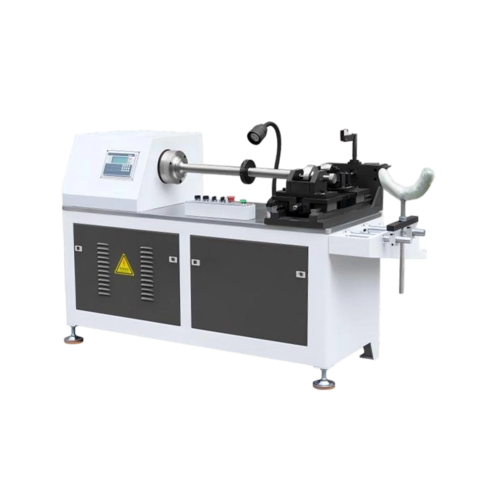
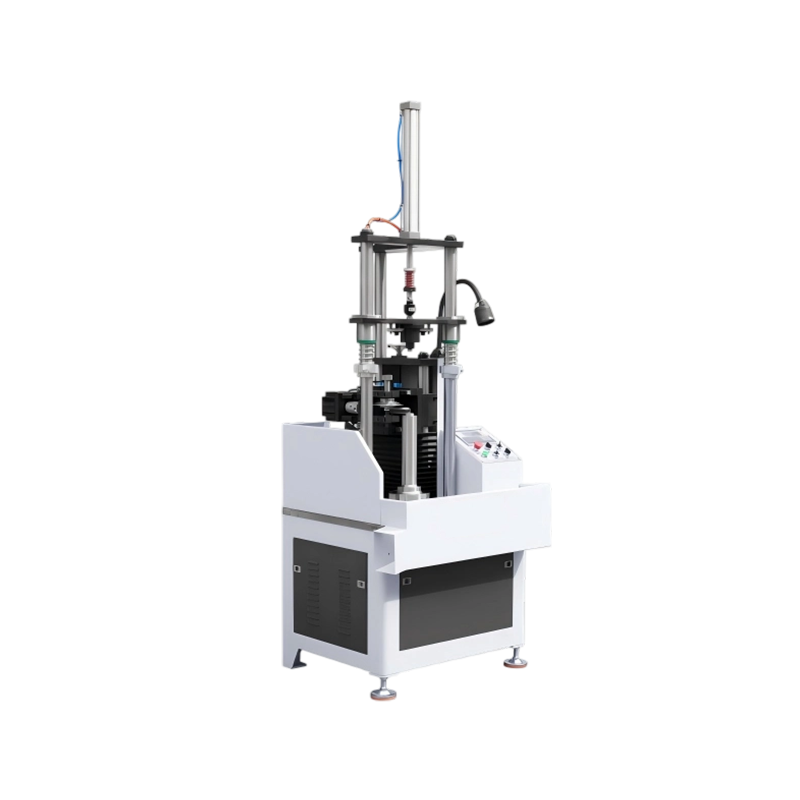
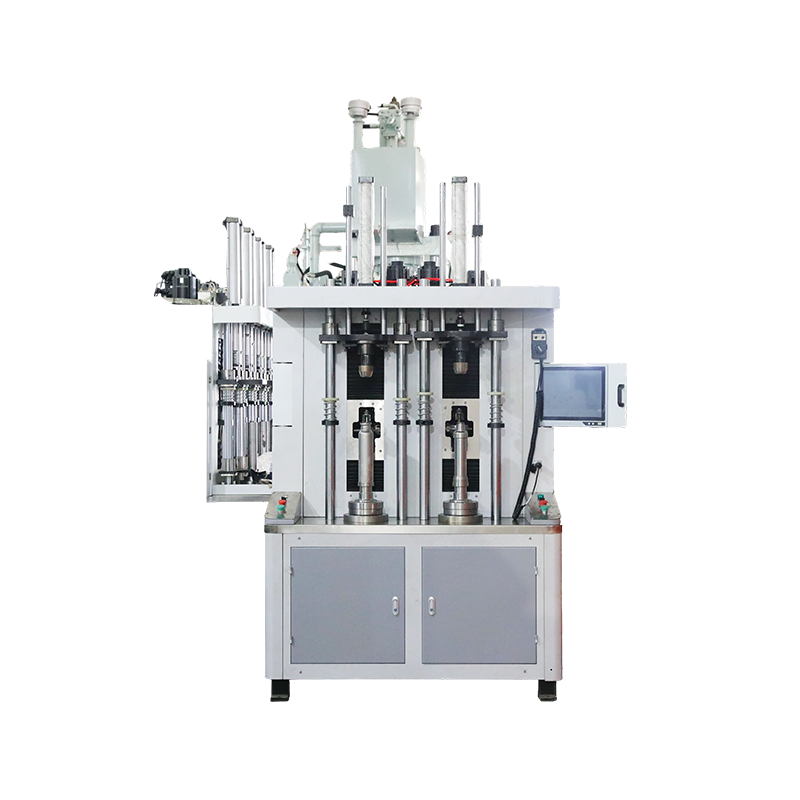
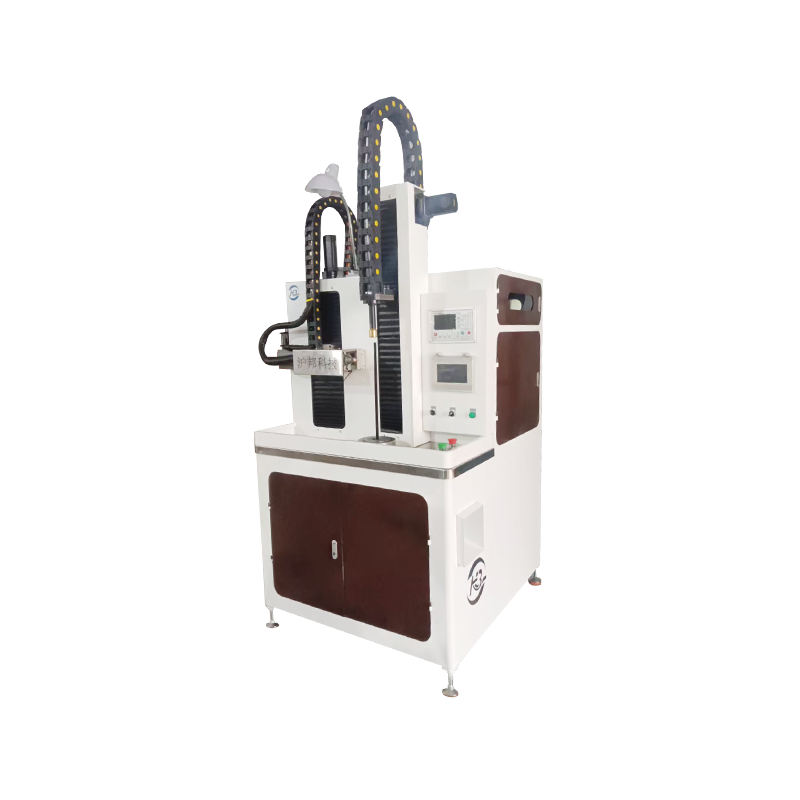
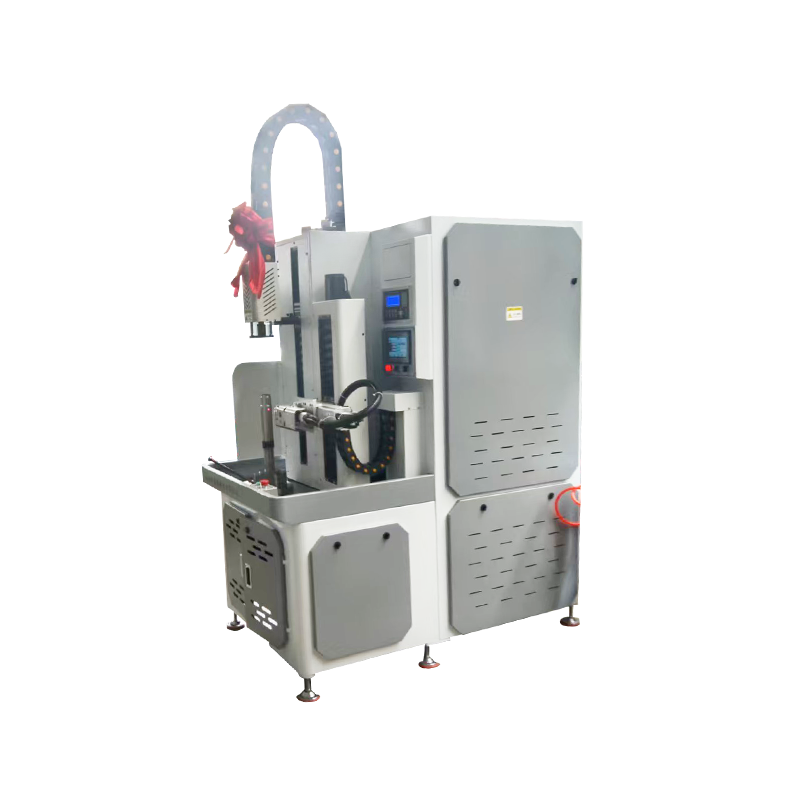
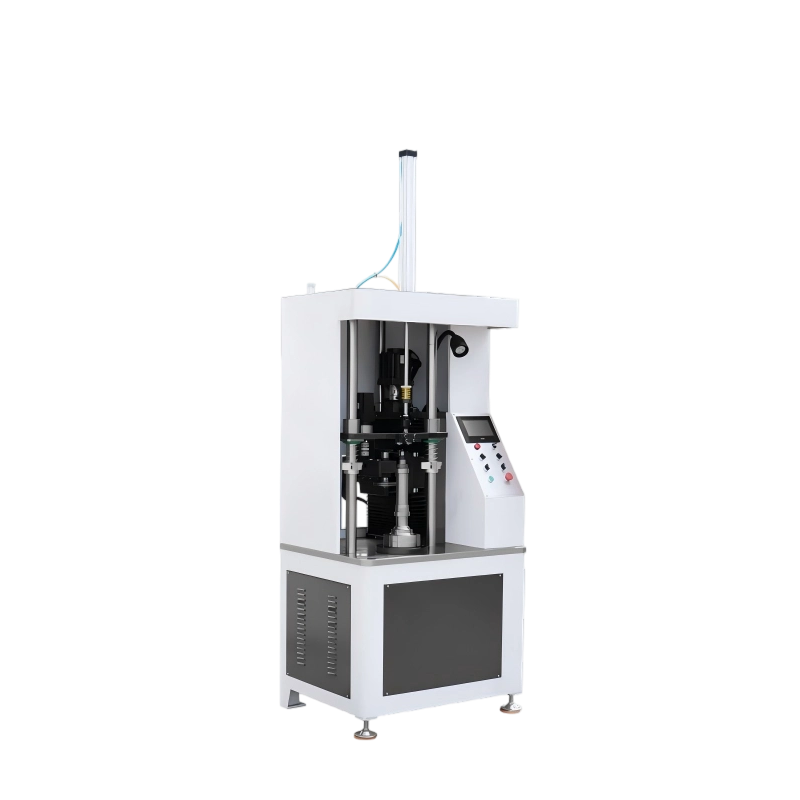
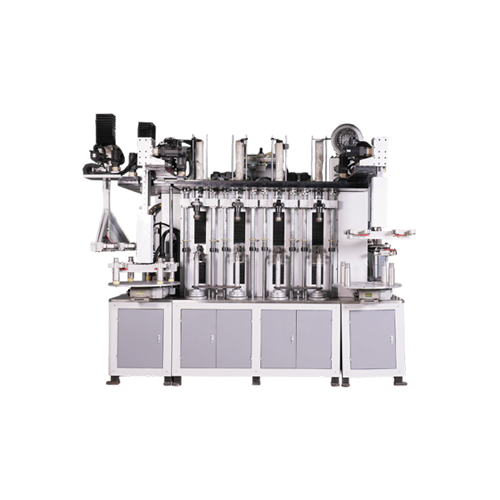
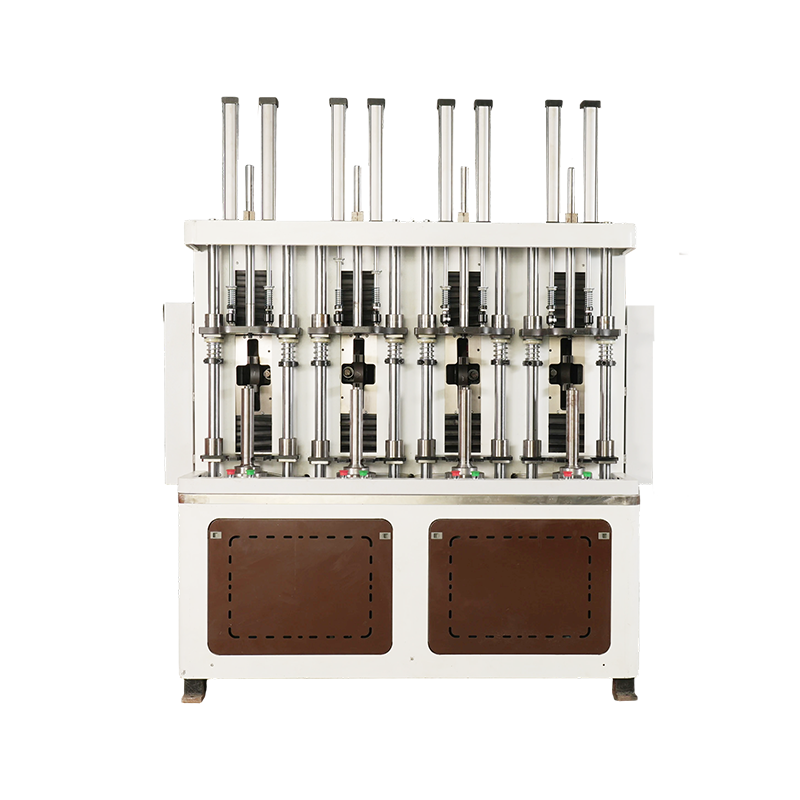
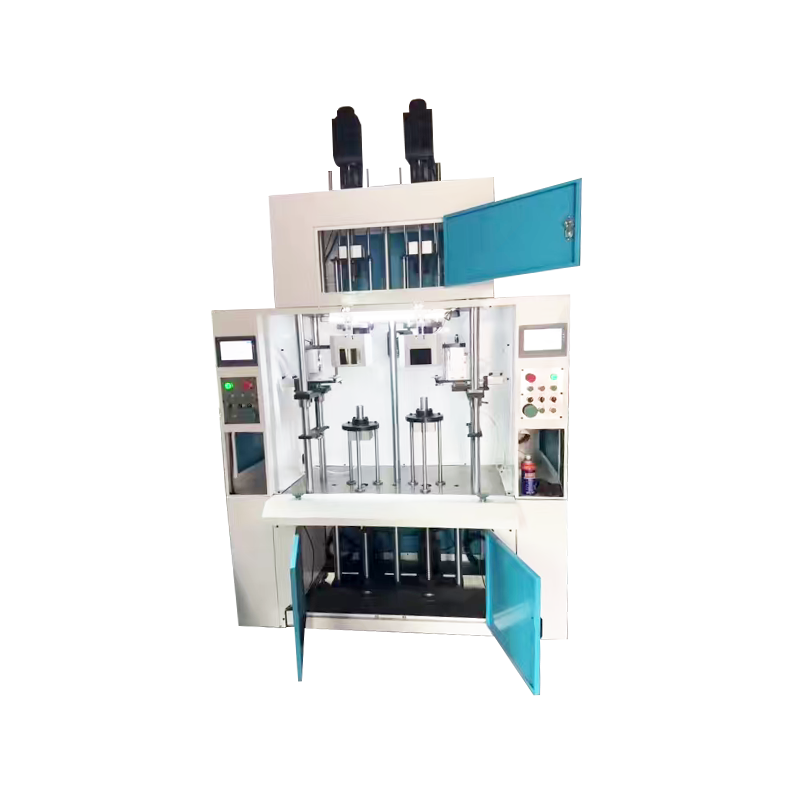
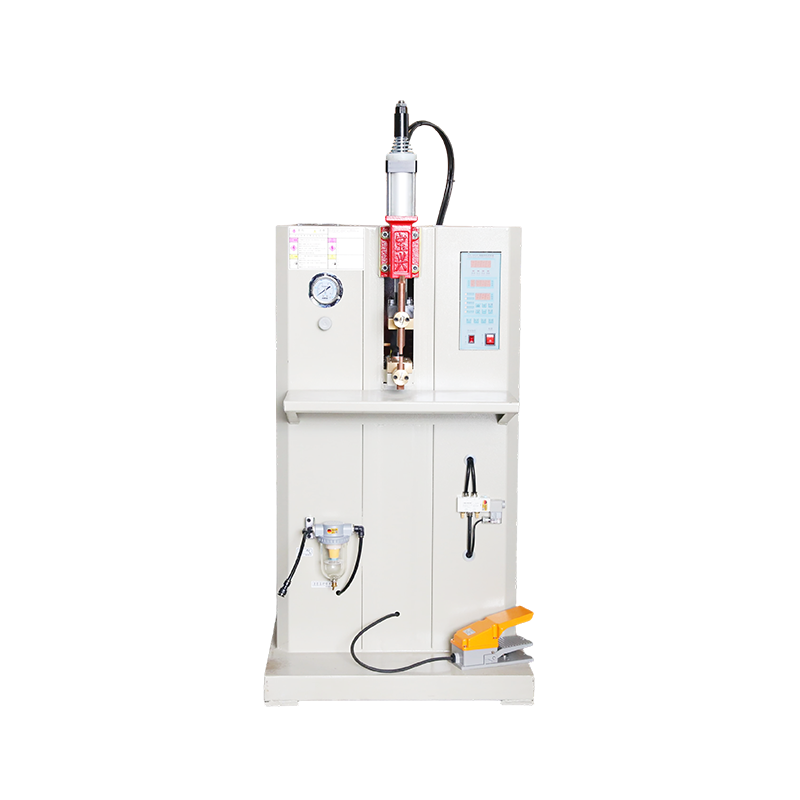
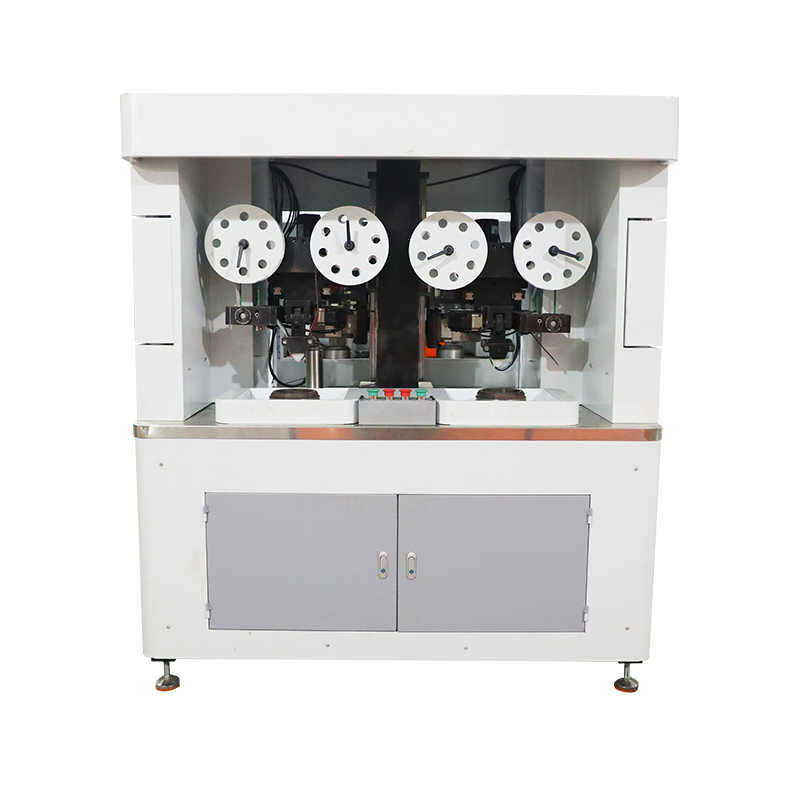
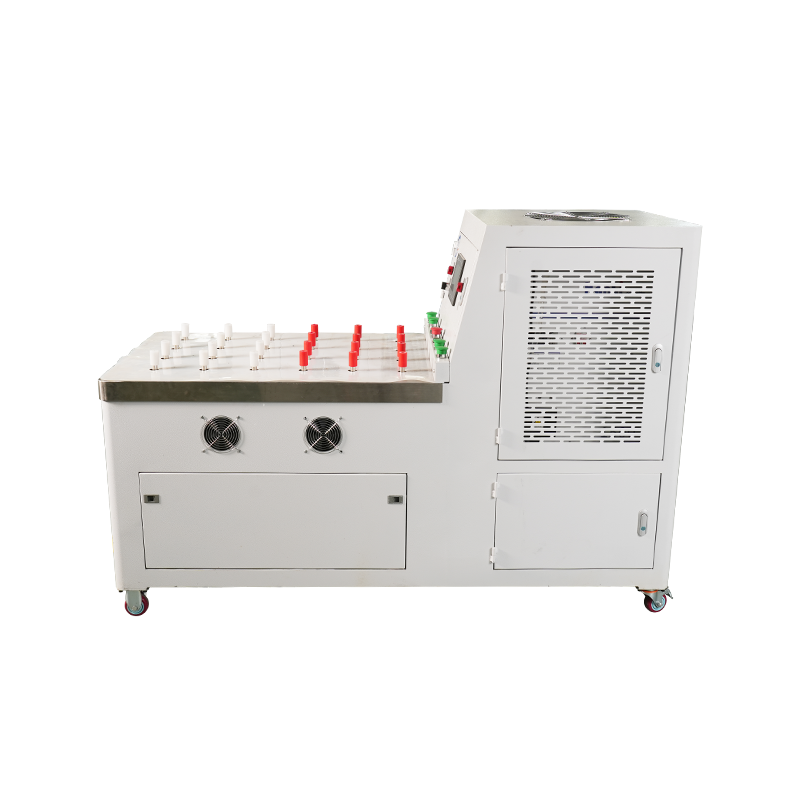
Water Bulging Machine Working Principle & Benefits
What Is the Working Principle of a Water Bulging Machine?
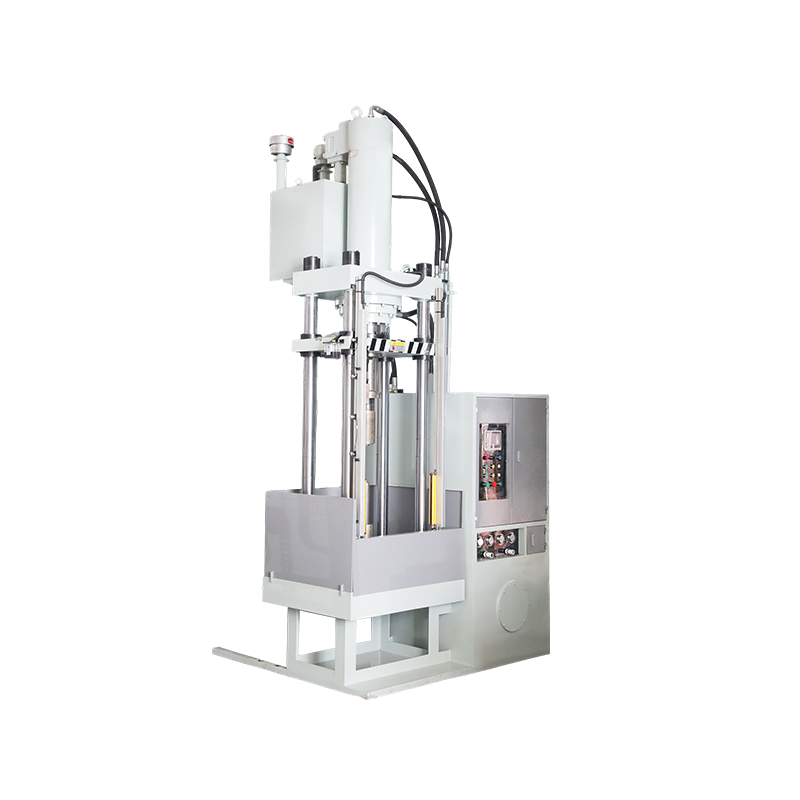
A Water Bulging Machine uses liquid under high pressure to reshape metal. You take a tube or a flat blank, put it inside a closed mold, and then pump water in. The pressure pushes the metal out until it hits the mold walls. People use this method a lot for stainless steel bottles, thermos shells, and other precision containers.
Here is how one cycle runs:
- (a) A pre-formed metal tube goes into a sealed mold cavity
- (b) High-pressure water gets pumped into that tube
- (c) The rising pressure makes the metal expand until it takes the mold shape
Why do shops pick this? The liquid spreads evenly across the inner surface. That gives you steady wall thickness and a clean look. Compared to mechanical pressing, water bulging does not pile stress onto one spot. So the finished part comes out stronger and lasts longer. You can also make complex shapes in one step, which keeps production moving faster.
How Does a High-Pressure Water Bulging Machine Get Such Precise Results?
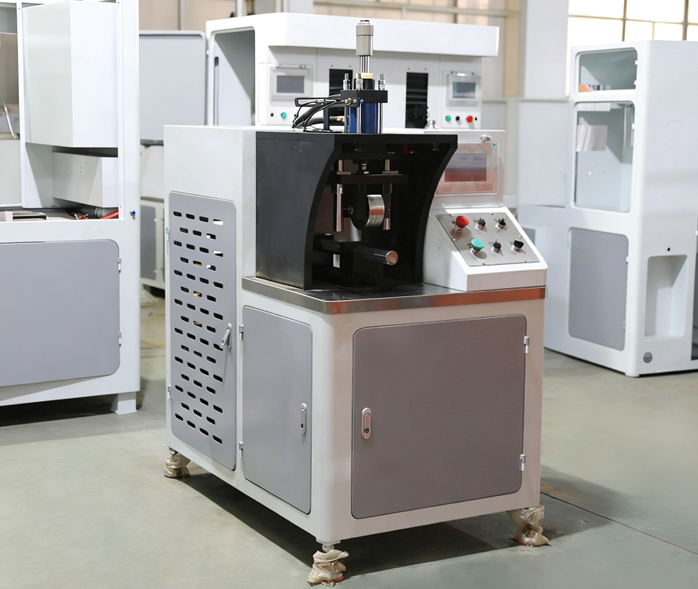
A High-Pressure Water Bulging Machine hits tight tolerances by using good pressure controls, live feedback, and well-made molds. Older methods push from the outside. This one lets fluid spread force evenly across the metal.
Key features that hold accuracy:
- (a) Servo-controlled pumps that raise or lower pressure exactly where needed
- (b) Multi-stage pressure controls that stop sudden cracks or bad stretching
- (c) Sensor systems that watch how the metal changes shape while it happens
With this setup, pressure can go up pretty high. Even thick stainless steel gets formed without losing accuracy. The system changes the pressure curve on the fly based on how thick the material is. That gives you steady expansion and no over-stretching.
Mold quality matters just as much. CNC-machined molds made to tight specs make sure every small detail comes out right. Match that with even hydraulic force, and you get good dimensional accuracy and a clean surface.
This method also cuts down on scrap. You skip multiple forming stages. Plus, the metal's grain structure stays intact during expansion, which helps durability and fatigue resistance.
How Is Water Bulging Bottle Making Different from Blow Molding?
Both bottle bulge-forming machines and blow molding utilize an internal-to-external pressure mechanism to shape objects. The specific differences between the two are as follows:
(a) Material type
- Water bulging works with metals like stainless steel or aluminum
- Blow molding works with plastics like PET or PE
(b) What does the pushing
- Water bulging shoots high-pressure liquid into the part
- Blow molding uses compressed air to blow up melted plastic
(c) What you end up with
- Water bulging makes strong metal containers that take heat well
- Blow molding makes light plastic bottles that are not as tough
On the other hand, blow molding costs less for mass-producing disposable or lightweight plastic bottles. But you cannot get the same mechanical strength or heat resistance from plastic.
Bottom line: water bulging technology, whether you call it a Water Bulging Machine, a High-Pressure Water Bulging Machine, or a Water Bulging Bottle Making Machine, gives you an efficient and precise way to shape metal. It beats traditional mechanical pressing and plastic blow molding, where durability and performance actually matter.


