
 English
 русский

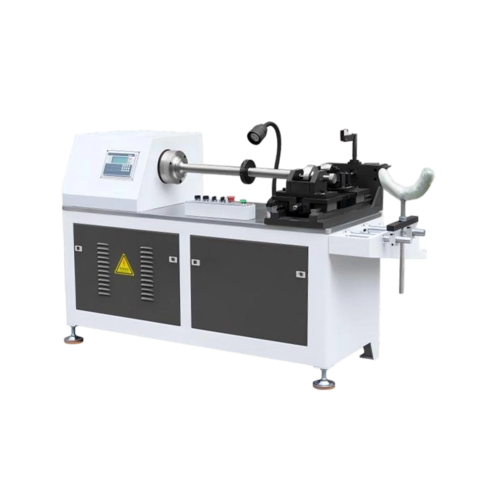

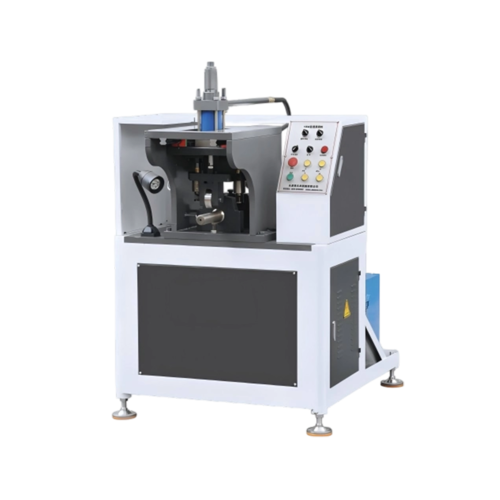
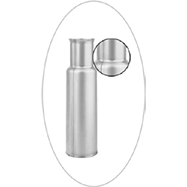
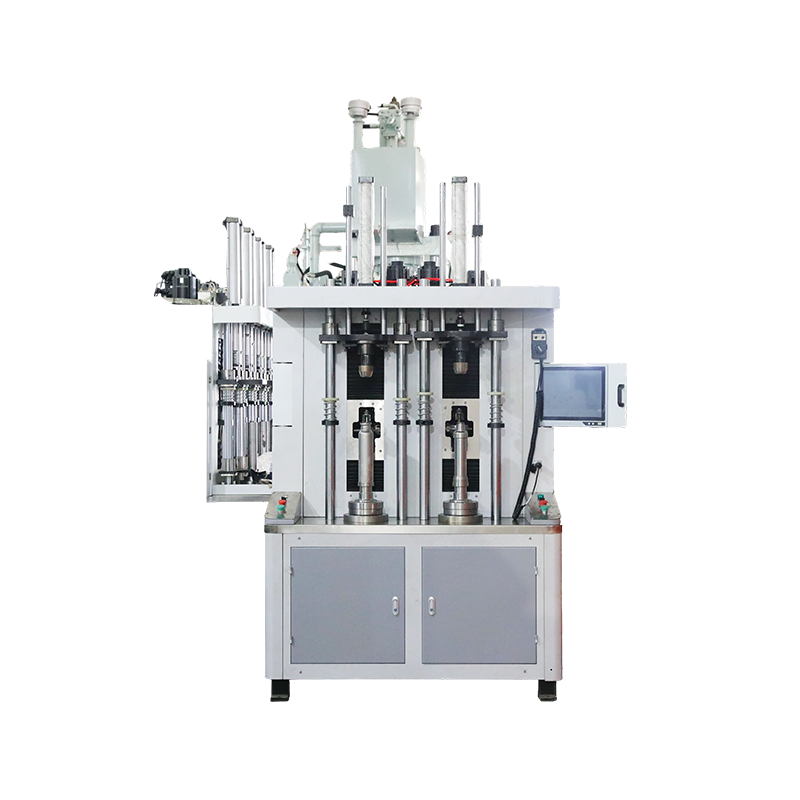
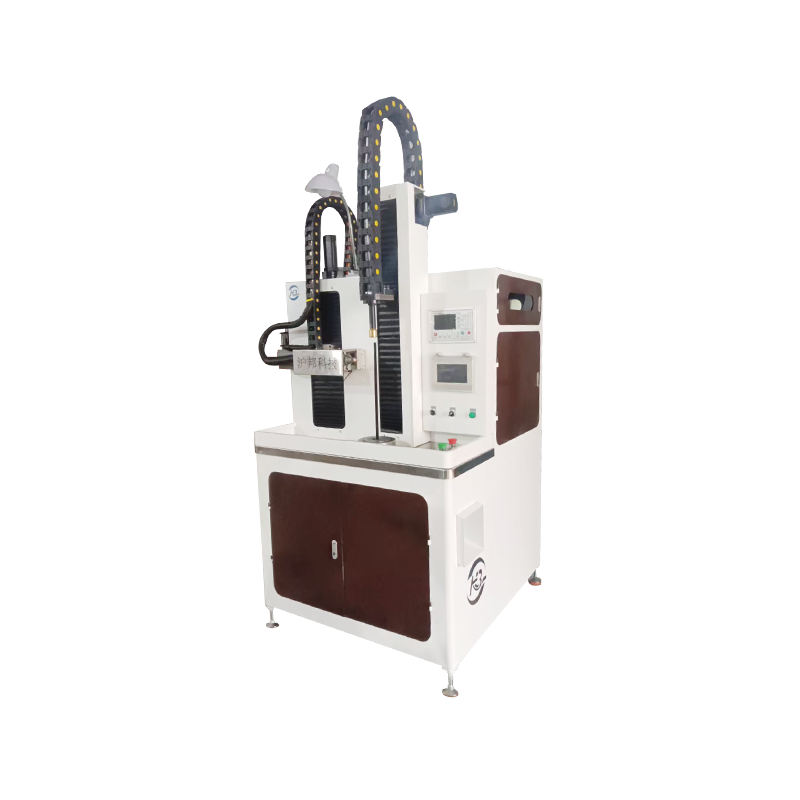
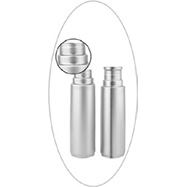
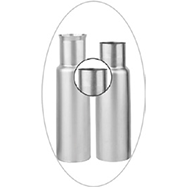
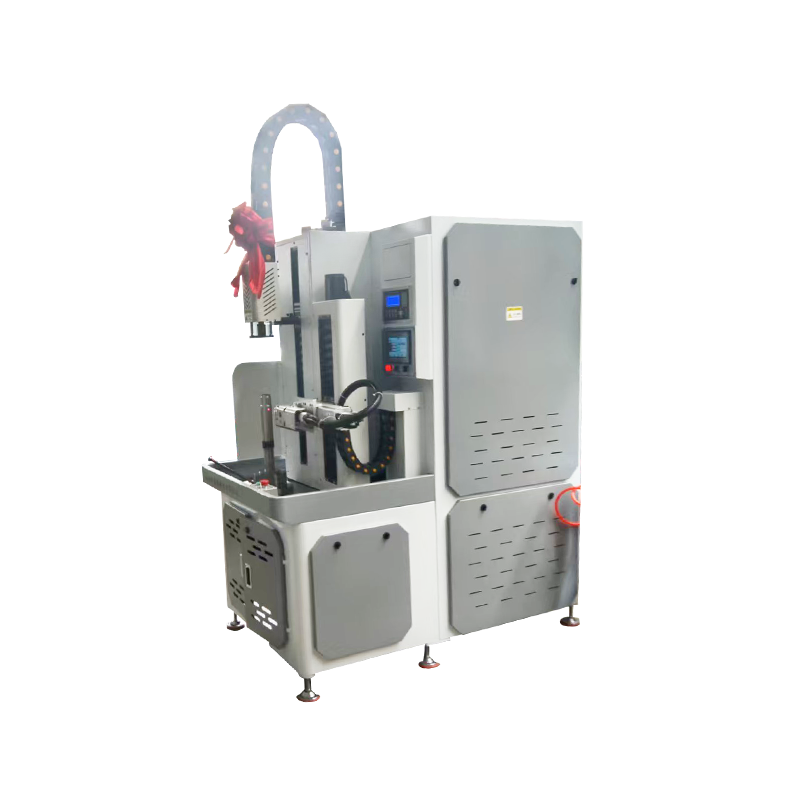
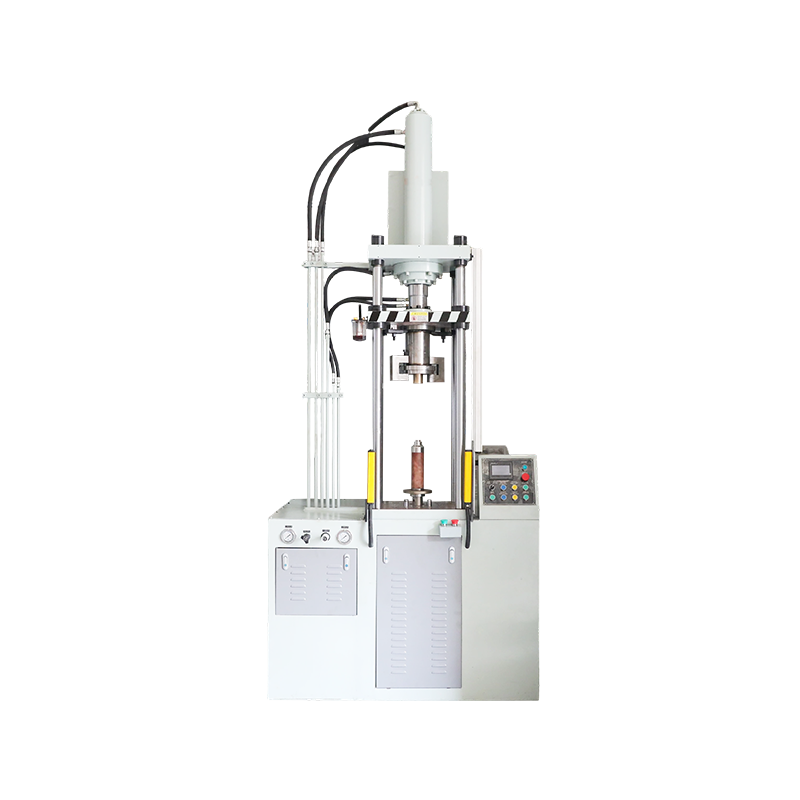
Stainless Steel Flask Machine: Material Limits & User Pain Points
Stainless Steel Flask Making Machine Handle Different Materials?
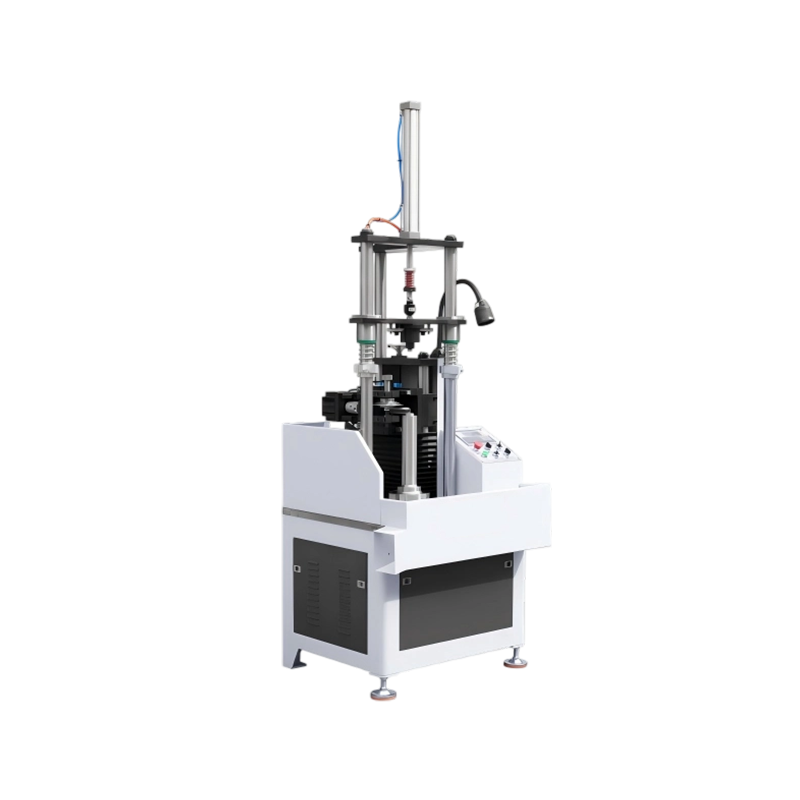
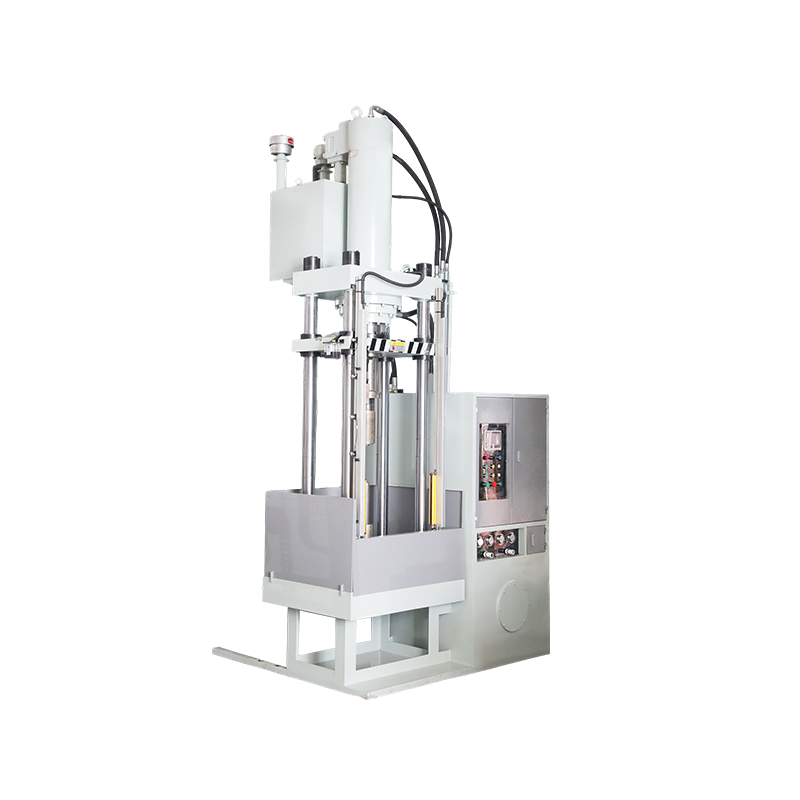
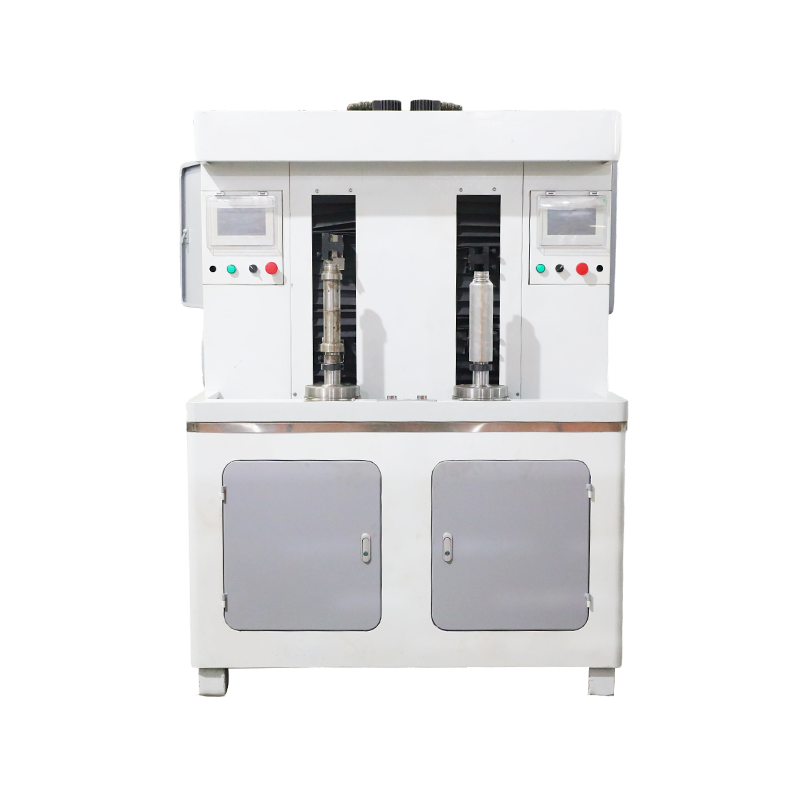
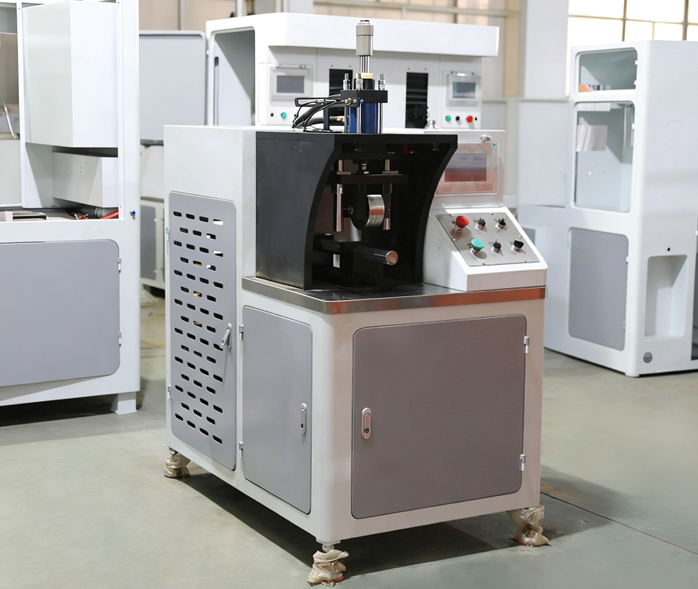
When people shop for manufacturing gear, they often ask how a Stainless Steel Flask Making Machine works with different metals. These machines are built mainly for stainless steel, but better systems can handle various alloys and sometimes tie into processes with mixed materials.
What materials can it take? Newer machines run grades like 304 and 316 stainless steel. Each type needs small tweaks in pressure, heat, and how fast you form it.
Changing the settings. Operators can turn knobs or punch in new numbers for hydraulic pressure and heating cycles. That lets the gear adjust to different thicknesses and hardness levels.
Swapping tooling. You can change out molds and dies. That means the machine takes different bottle shapes and sometimes works with layered or coated materials.
Finishing adjustments. Some systems come with polishing or brushing add-ons. These help you get the same look across different metal types.
What it cannot do. The machine is not meant for plastic or glass. If you need those, you still need separate gear.
The bottom line? How well the machine adapts depends on how it is set up and who is running it. You have to match what the equipment can do with what you actually want to make.
For shops already using a Water Bulging Machine or a High-Pressure Water Bulging Machine for metal expansion, adding a stainless steel flask maker can round out your line. And if you are making premium bottles, a Water Bulging Bottle Making Machine handles seamless forming while the flask maker does the rest.
One-Layer Bottle Machine: What Are the Good and Bad Sides?
The One Layer Bottle Machine shows up a lot in shops that make simple, single-wall containers. It is built to be cheap and fast, but there are trade-offs.
The good side:
- Lower cost to run. Single-wall builds use less raw material. Fewer steps in the process also keep operating costs down.
- Faster production. You skip many steps that multi-layer systems need. Shorter cycles mean more bottles per shift.
- Easier to fix. Simpler machines break less often. When they do, repairs take less time.
The bad side:
- Poor insulation. Single-layer bottles do not keep drinks hot or cold. Not good for products that need temperature control.
- Weaker build. Compared to multi-layer bottles, these are less tough. They may crack or dent under pressure or when dropped.
- Limited market. This machine works for basic packaging but falls short for premium or specialty markets.
- Shops have to weigh these pros and cons. Your choice should line up with what you want to sell and who you are selling to.
If you already run a Water Bulging Machine for metal forming, adding a one-layer bottle machine can handle simpler jobs. But for high-end insulated bottles, you may want a Water Bulging Bottle Making Machine instead, which gives you seamless bodies with no weld lines.
How Do You Get Smooth, Burr-Free Cuts with a Laser Bottle Dividing Machine?
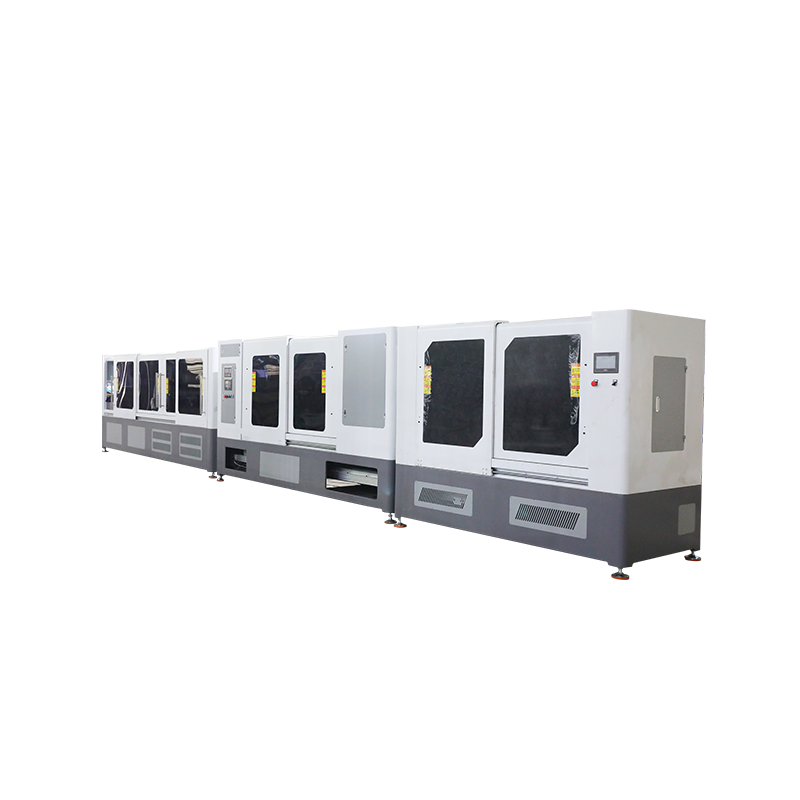
Getting clean cuts matters a lot when you run a Laser Bottle Flask Dividing Machine. For products that need a nice finish, good cuts are half the battle.
- Set the laser right. Adjust power, how often it fires, and how fast it moves. That stops too much heat from building up and messing up the edge.
- Keep focus sharp. The beam has to stay tight and concentrated. If focus drifts, cuts get rough, and edges warp.
- Use clean optics. Lenses need wiping and checking. Dirty glass scatters the beam and leaves bad marks on the cut.
- Add assist gases. Nitrogen or oxygen blows away melted metal and stops oxidation. That gives you a much cleaner edge.
- Hold the part still. Clamp it down tight. If the workpiece shakes during cutting, you will never get smooth results.
- Do regular upkeep. Check components on a schedule. Worn parts cause defects. Catching problems early keeps cuts consistent.


