 English
 русский

The CNC Pipe Cutting Machine is designed for high-precision cutting of stainless steel pipes, especially suited for cup ...
See Details
A vacuum flask production machine is not something that is chosen in isolation. In most workshops, the decision grows out of daily pressure. Orders change shape. Production lines stretch or compress. Workers adapt on the floor before any formal upgrade is even discussed.
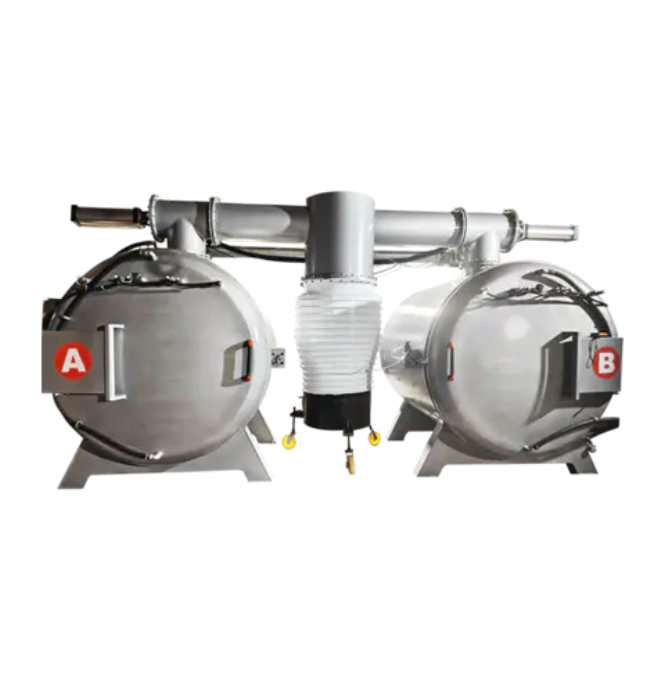
When the time comes to select equipment, the conversation is rarely about specifications alone. It becomes more about how the machine behaves inside a real working space, with real people, under constant movement.
Every workshop has its own rhythm. Some are tight and packed, where every meter matters. Others are more open, but activity is spread across different corners.
In a narrow space, movement becomes sensitive. If a machine needs frequent adjustment or repositioning, it can interrupt flow. Even simple tasks start to feel crowded.
In larger spaces, the challenge is different. Materials may travel longer distances between stages. Coordination between steps becomes more noticeable.
Lighting, airflow, and even noise reflection also matter more than expected. A machine that works quietly in one environment may feel different in another. Operators notice these changes long before any formal measurement is taken.
What often gets overlooked is this simple idea: the machine does not work alone. It becomes part of the room it sits in.
Vacuum flasks are rarely produced in a single fixed shape for long. Designs shift. Some changes are small, like surface finish or lid structure. Others affect the whole forming process.
A machine that stays within one stable product type may run smoothly without much adjustment. But when variation becomes frequent, flexibility starts to matter more than speed.
Flexibility here is not just about adjustment knobs or settings. It shows up in how naturally the machine responds when something changes.
For example:
In many workshops, the real issue is not the change itself, but how disruptive that change feels during operation.
A production line is rarely a straight path. It behaves more like a loop with pressure points. One stage speeds up, another slows down, and everything adjusts around it.
A vacuum flask production machine sits somewhere in this flow. If it moves too fast compared to other steps, materials pile up. If it slows down too much, the next stage waits.
Balance does not need to be exact. In real factories, it rarely is. What matters is whether the system can absorb small differences without breaking rhythm.
Operators usually notice this in practice rather than theory. If they are constantly waiting or rushing, something in the flow is off.
Machines that blend into the rhythm of the line tend to create fewer interruptions, even if nothing about them looks particularly special from the outside.
Consistency is not only a measurement concept. On the shop floor, it feels more like predictability.
Workers often recognize it through small signals:
When consistency is stable, attention shifts away from correction and toward monitoring. That change alone reduces pressure on operators.
But if variation appears too often, even in small ways, it changes the entire rhythm. People start checking more frequently. Small doubts accumulate. Work slows down, not because of major faults, but because confidence drops slightly.
A machine might look simple during installation, but daily use tells a different story.
Operators don't interact with machines in a controlled environment. They work during noise, time pressure, and movement. Under these conditions, clarity matters more than complexity.
If a control step feels unclear, people tend to pause. If adjustments are confusing, they become cautious. Over time, this slows down the entire line.
Ease of use is often noticed in small ways:
The smoother the interaction, the less mental effort is spent on the machine itself. That leaves more attention for the product.
Maintenance is often discussed as a scheduled activity, but in practice, it happens in fragments.
A quick check during a break. A short adjustment between batches. A visual inspection while the line is paused for another reason.
Machines that allow easy access to key points tend to fit better into this pattern. If maintenance requires long interruption, it is often delayed. Small delays then accumulate quietly.
Over time, this difference becomes noticeable not in one moment, but in the general stability of the line.
A system that is easy to inspect tends to stay more predictable simply because people interact with it more often.
Energy use is usually thought of as a number, but on the floor it feels more like rhythm.
Some machines start smoothly and continue at a steady pace. Others react more noticeably when workload changes. These shifts are not always visible in output, but operators can sense them in operation behavior.
Heat, sound, and movement all reflect how energy is being used.
What matters in daily use is not only how much energy is consumed, but how evenly it supports the production cycle.
A stable rhythm often makes the whole environment easier to manage.
During selection, attention often goes to visible functions. But in practice, smaller details tend to shape long-term experience more strongly.
Some of these include:
None of these feel critical at the beginning. But once production starts, they become part of daily experience.
They do not stop production, but they influence how comfortable and stable it feels over time.
Even the same machine can behave differently depending on who is running it.
Experienced operators often adjust without thinking too much. They notice changes in sound or timing and react early. Less experienced users may wait longer before making adjustments.
This creates a subtle difference in output stability.
Machines that align well with operator habits tend to feel easier to manage. Those that don't require more attention, even if they are technically similar.
In many cases, long-term performance depends as much on human interaction as on machine design.
Factories rarely stay the same for long. Demand shifts. Product styles evolve. Workflows adjust gradually.
A machine that fits today but cannot adjust tomorrow may become limiting earlier than expected.
Adaptability does not mean constant change. It simply means the ability to respond when change appears.
In real environments, this often matters more than initial performance impressions. Because production conditions rarely stay fixed, even stable systems eventually face variation.
What matters is whether the machine can continue working without forcing the entire line to restructure around it.
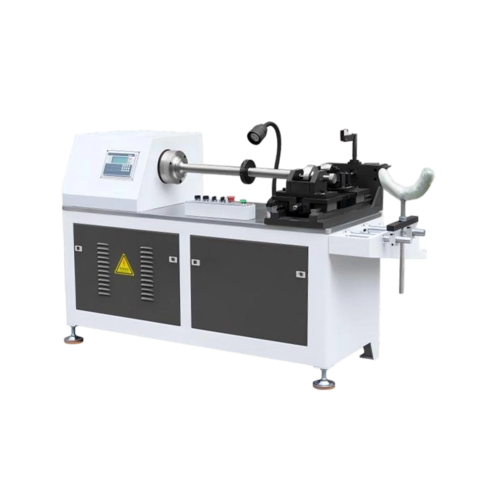
The CNC Pipe Cutting Machine is designed for high-precision cutting of stainless steel pipes, especially suited for cup ...
See Details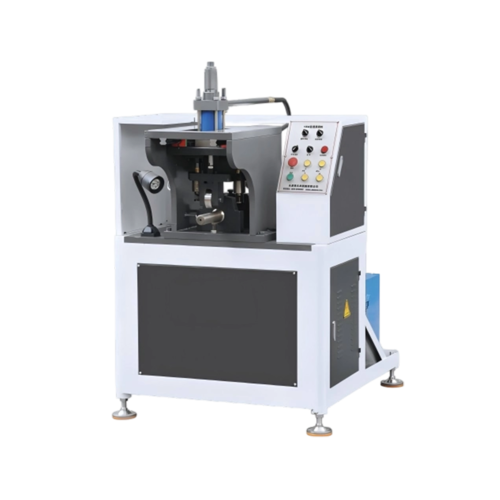
The Hydraulic Welding Seam Flatten Rolling Machine is a specialized piece of equipment designed for rolling and leveling...
See Details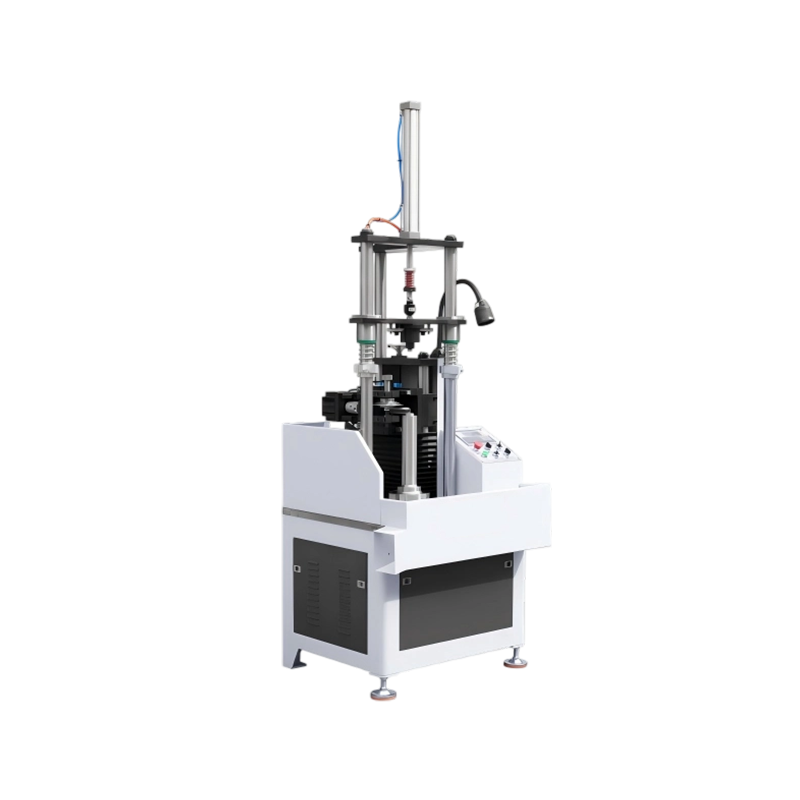
The CNC Rim Neck Cutting Machine is a high-precision, fully automated equipment designed for cutting and trimming the wa...
See Details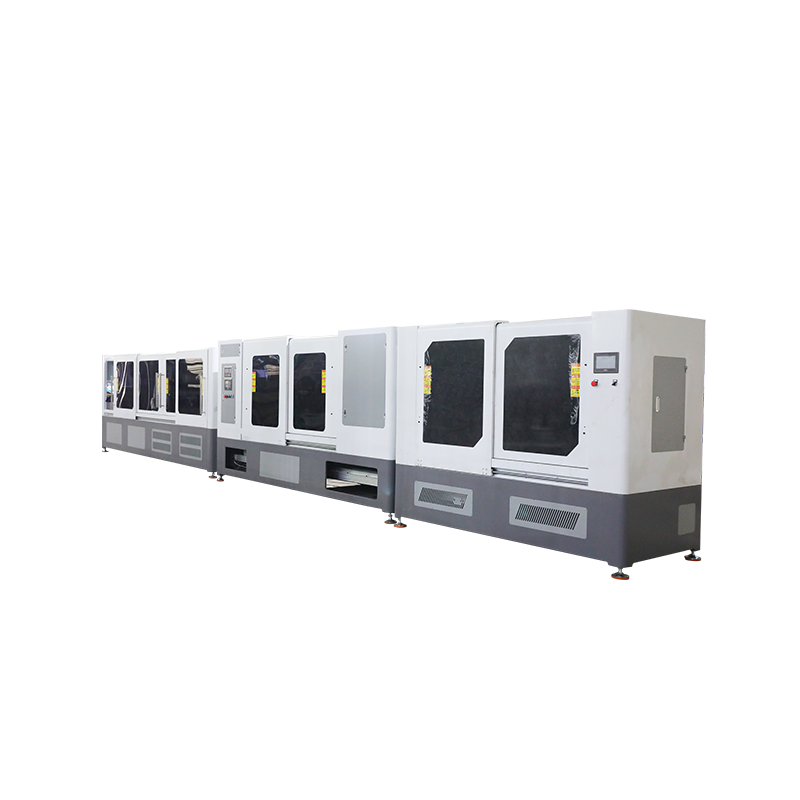
The Fully Automatic Pipe Drawing Machine for Thermos is a precision-engineered production system. It integrates laser pi...
See Details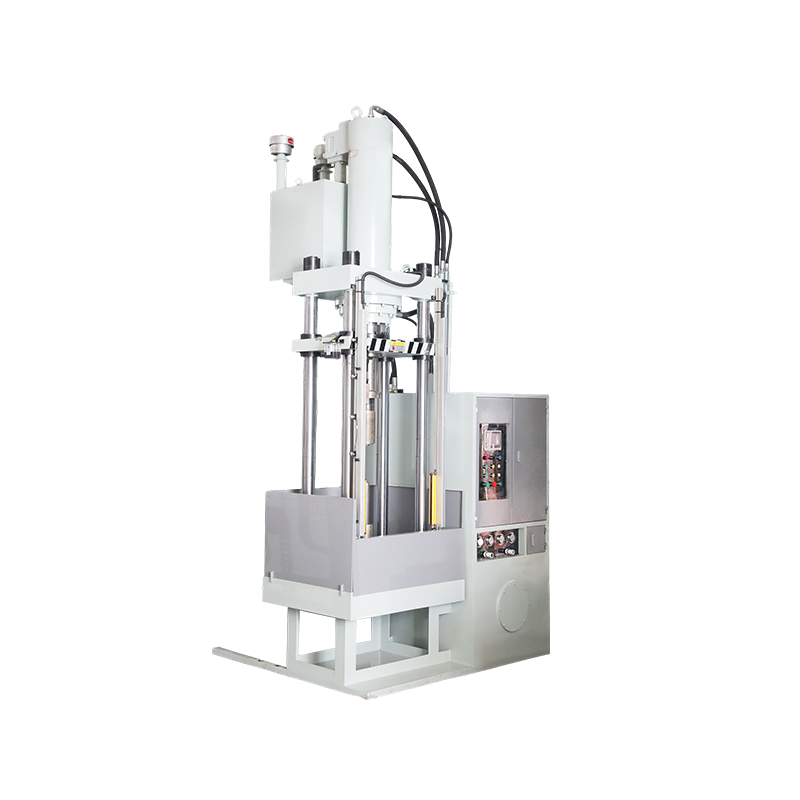
The Water Bulging Bottle Making Machine is made for the precision forming process of both the outer shell and inner line...
See Details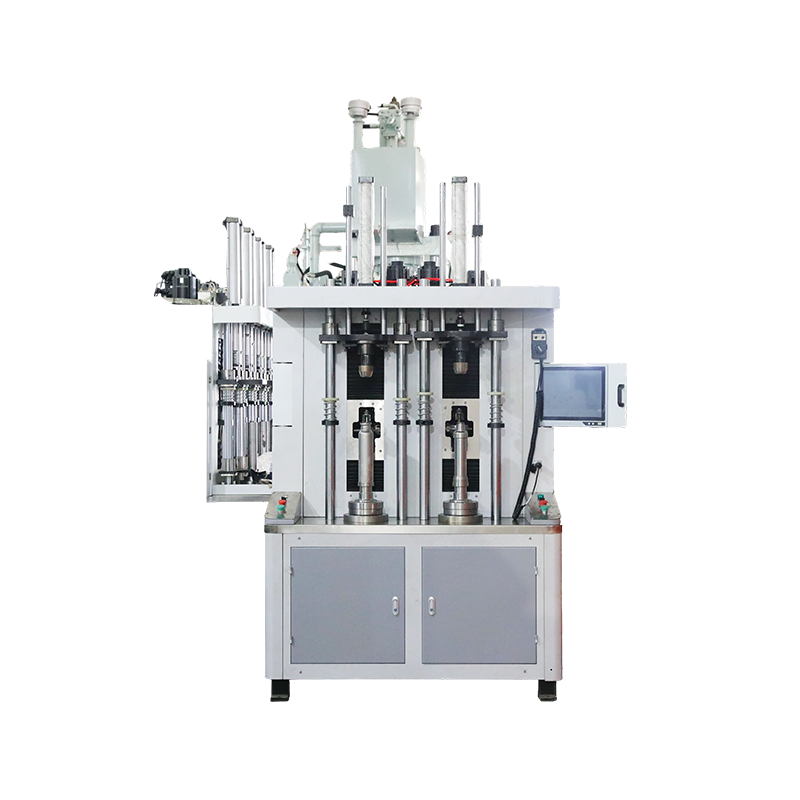
The Double Station CNC Tube End Shrinking Machine is designed for the spinning and compressing process of cup and pot mo...
See Details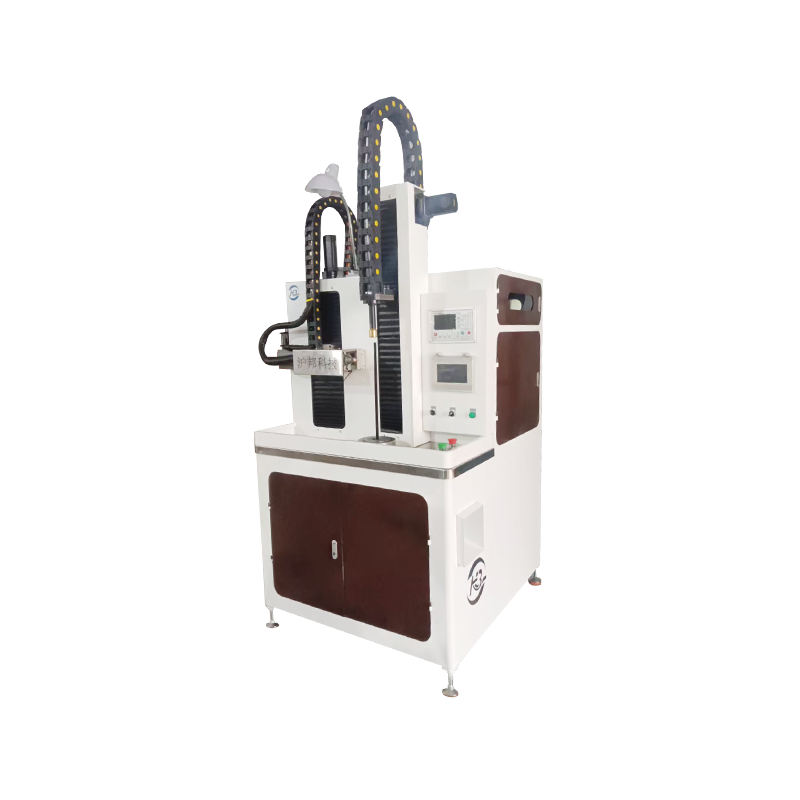
The Laser Bottle Flask Dividing Machine is designed for precision processing of various cup and pot components, includin...
See Details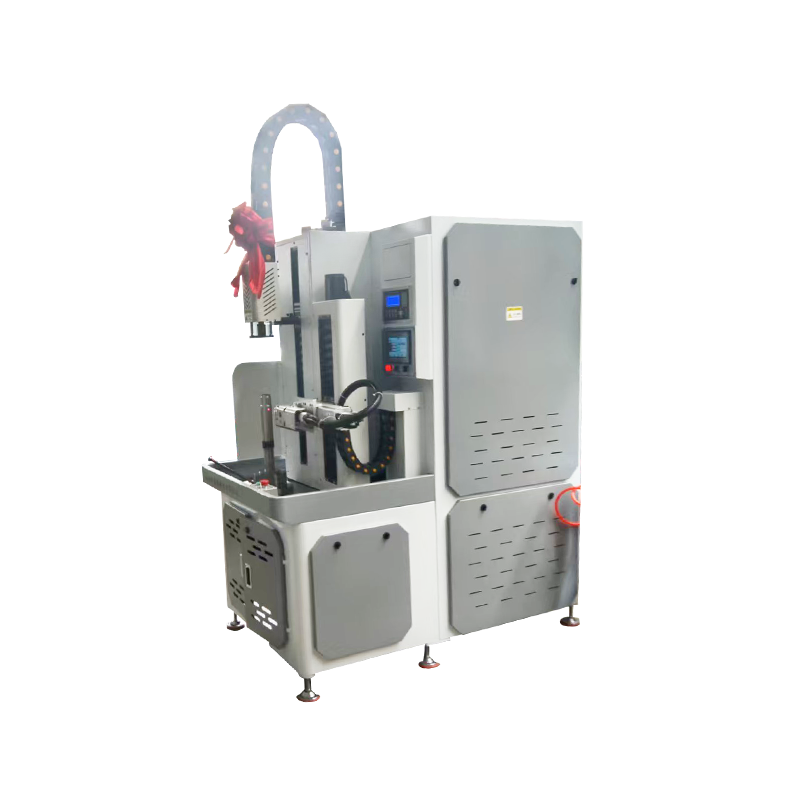
The Automatic Laser End Cutting Machine for Vacuum Flask is a high-precision equipment designed for efficient cutting of...
See Details
Yongkang Hubang Machinery Technology Co., Ltd.

No. 223, Chengxin Road, Economic Development Zone, Dongcheng Street, Yongkang City, Jinhua City, Zhejiang Province, China
Copyright © Yongkang Hubang Machinery Technology Co., Ltd.

Stainless Steel Flask Making Machine Supplier


