 English
 русский

The CNC Pipe Cutting Machine is designed for high-precision cutting of stainless steel pipes, especially suited for cup ...
See Details
A CNC pipe cutting machine factory is not just a place where machines are assembled. It is more like a production hub where different cutting solutions take shape, depending on how pipes are used in real work environments.
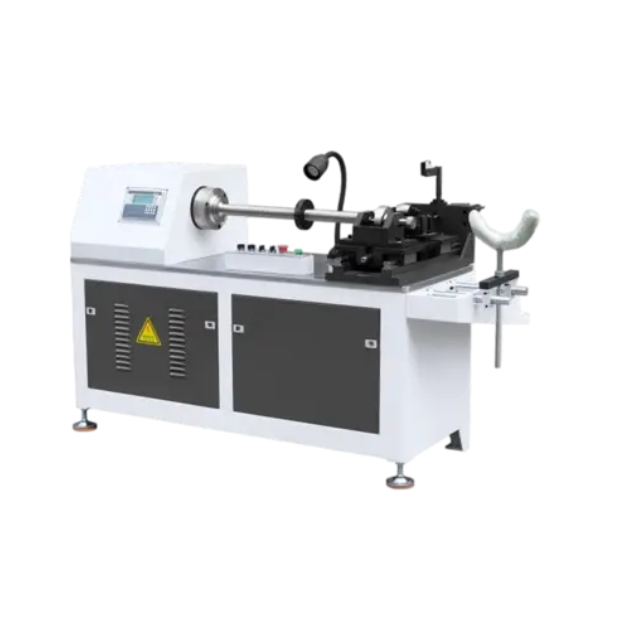
At first, the output may sound simple. Pipe cutting machines. But once you look closer, the range becomes wider. Different structures, different setups, and different ways of handling pipe materials all come from the same type of factory.
What comes out of these factories is shaped by practical demand rather than a single fixed design idea.
A CNC pipe cutting machine factory usually produces more than one style of equipment. Each type is built around a specific working need.
Some machines are designed for steady, repeated cutting tasks in production environments. Others are made for smaller workshops where space and flexibility matter more.
Common production directions include:
Instead of one standard product, there is often a range of variations that serve different working habits.
In real use, pipe cutting is rarely just one action. The pipe needs to be positioned, held, adjusted, and then cut. Because of this, factories often build complete systems instead of standalone tools.
A typical setup includes several connected parts working together.
For example:
When these parts work in sequence, the process becomes smoother and more controlled. Less manual handling is needed, which reduces variation during work.
Pipe materials are not all the same in industrial use. Some are soft and easy to process. Others are harder and behave differently during cutting.
CNC pipe cutting machines are generally made to handle a mix of common materials such as:
Each material reacts differently during cutting. That is why machines are designed with enough flexibility to adjust to changing resistance and surface conditions.
Most CNC pipe cutting machines include some level of automated control. This does not mean the machine works without people, but it does reduce manual adjustment during cutting.
Instead of relying on constant operator input, the machine follows set instructions during operation.
This helps in several ways:
The main idea is not speed alone. It is about keeping the process steady over time.
Not every workplace uses pipe cutting machines in the same way. A factory that produces structural frames has different needs compared to a workshop doing maintenance or repair work.
Because of this, CNC pipe cutting machine factories often adjust their production output based on usage style.
Some machines are built for continuous operation. Others are designed for flexible switching between tasks.
Adjustments may include:
These changes help the machine fit into real working environments instead of forcing the environment to adapt to the machine.
The output is not limited to full machines. Supporting parts are also part of production.
These additional items help the system work smoothly over time.
They may include:
While these parts may seem small, they play an important role in keeping daily operation stable.
One factory may receive very different requests from different users. Some want compact machines. Others need equipment for long production cycles.
Instead of one fixed design, factories often adjust structure and function based on usage needs.
This can involve:
The focus is on matching real conditions rather than creating a one-size-fits-all product.
In CNC pipe cutting machine production, quality is not only about appearance or single performance tests. It is more about how the machine behaves over time.
Several points usually matter during production:
These checks are aimed at long-term behavior rather than short demonstrations.
Once delivered, CNC pipe cutting machines become part of daily industrial work. They are used in different settings depending on the field.
In fabrication workshops, they help prepare materials for assembly. In production lines, they support continuous pipe processing. In maintenance work, they assist with repair and modification tasks.
What connects all these uses is repetition. The machine is expected to perform the same task many times under changing conditions.
That is why factories focus on stability, adaptability, and ease of integration when producing them.
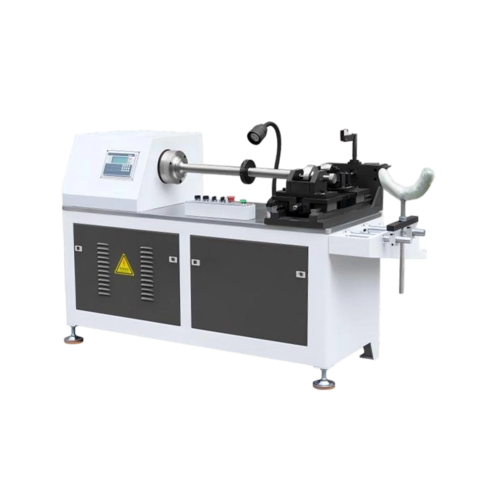
The CNC Pipe Cutting Machine is designed for high-precision cutting of stainless steel pipes, especially suited for cup ...
See Details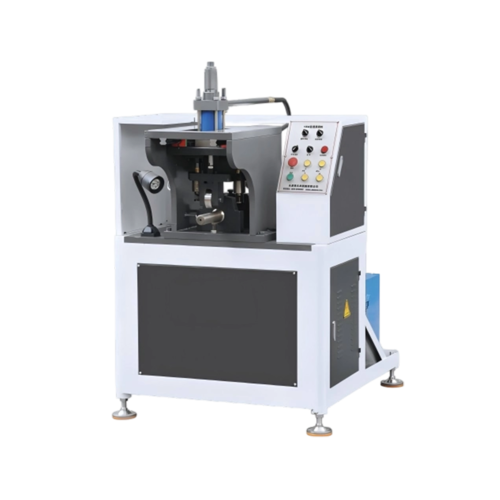
The Hydraulic Welding Seam Flatten Rolling Machine is a specialized piece of equipment designed for rolling and leveling...
See Details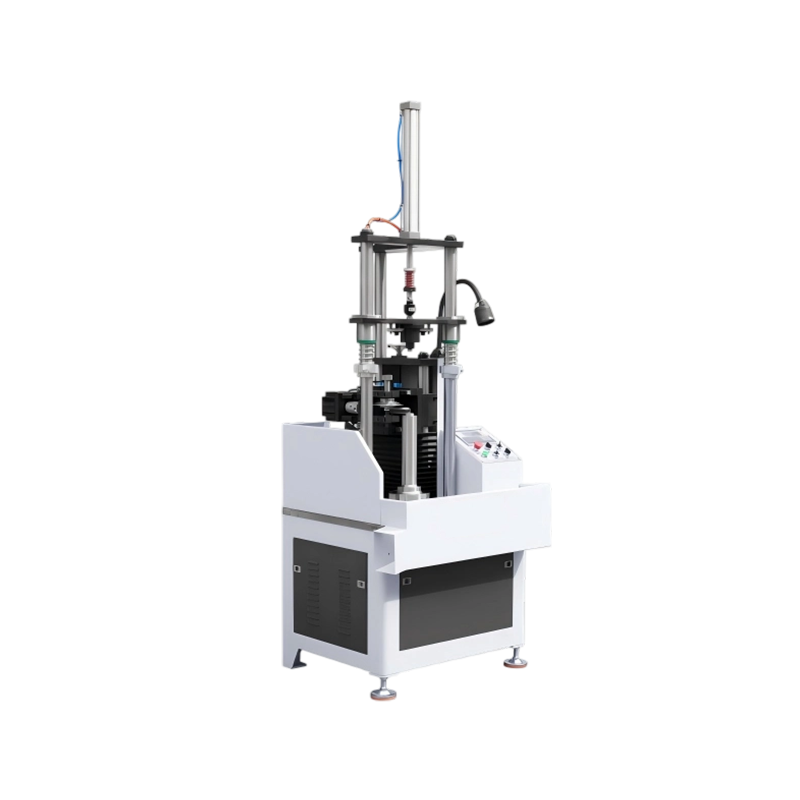
The CNC Rim Neck Cutting Machine is a high-precision, fully automated equipment designed for cutting and trimming the wa...
See Details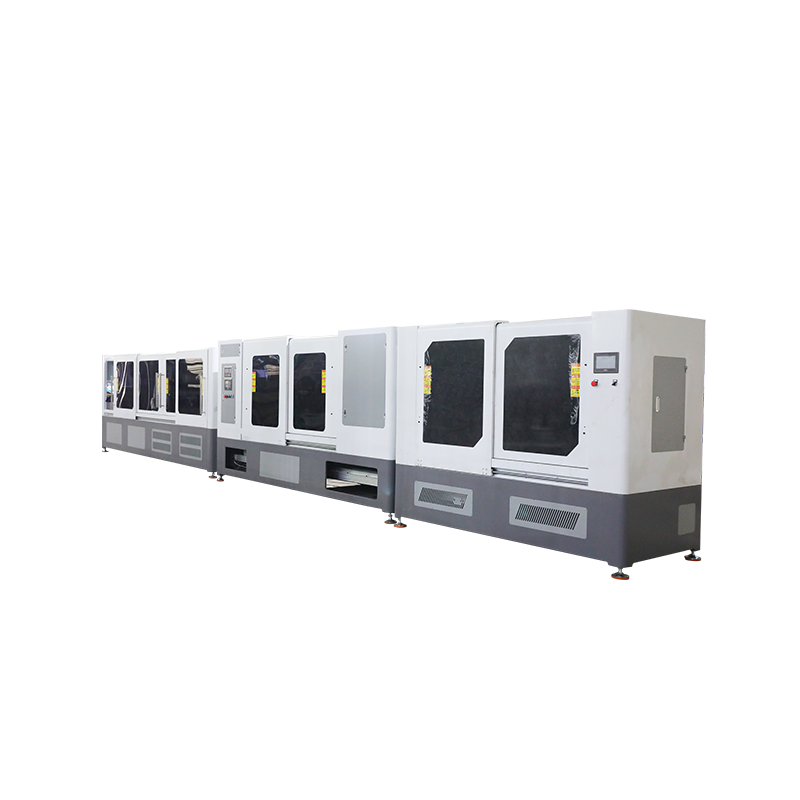
The Fully Automatic Pipe Drawing Machine for Thermos is a precision-engineered production system. It integrates laser pi...
See Details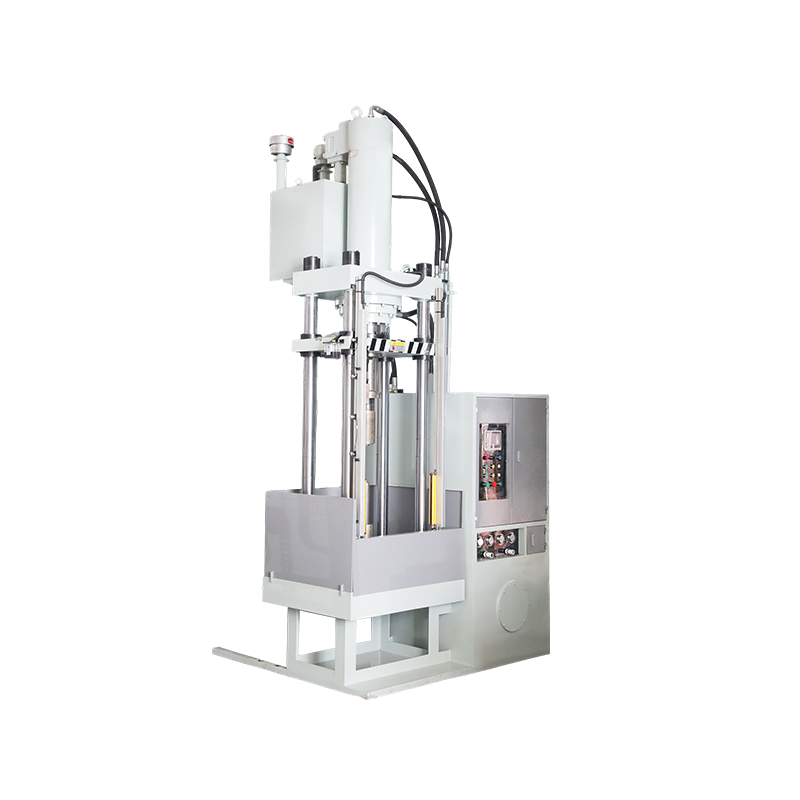
The Water Bulging Bottle Making Machine is made for the precision forming process of both the outer shell and inner line...
See Details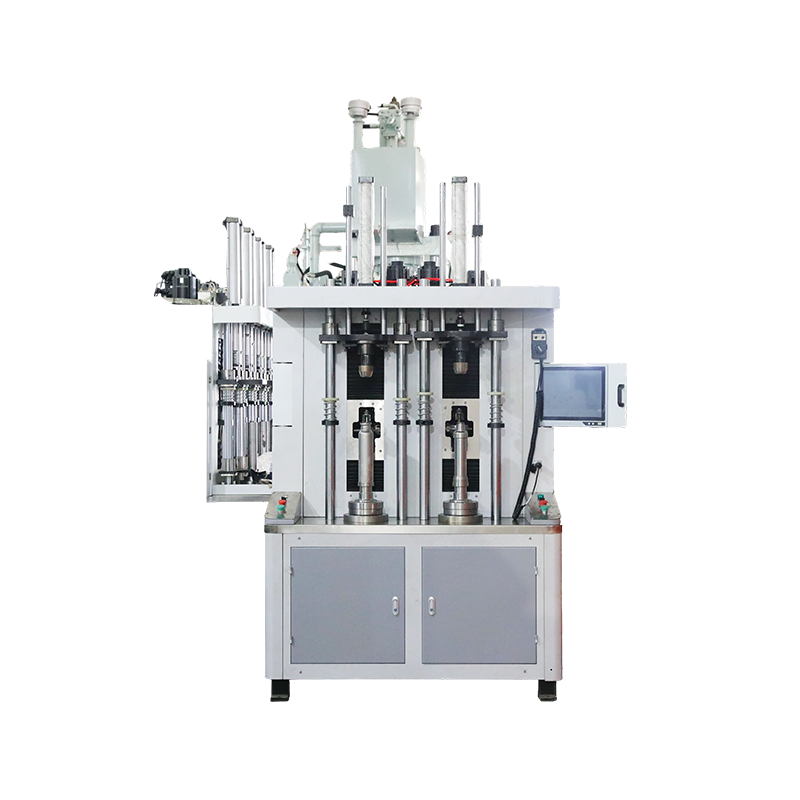
The Double Station CNC Tube End Shrinking Machine is designed for the spinning and compressing process of cup and pot mo...
See Details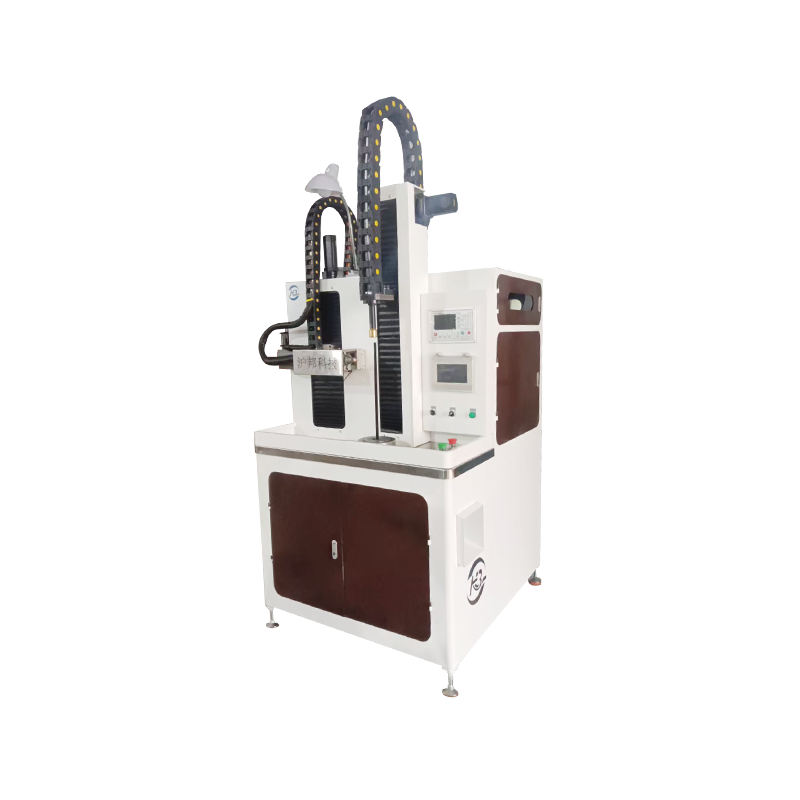
The Laser Bottle Flask Dividing Machine is designed for precision processing of various cup and pot components, includin...
See Details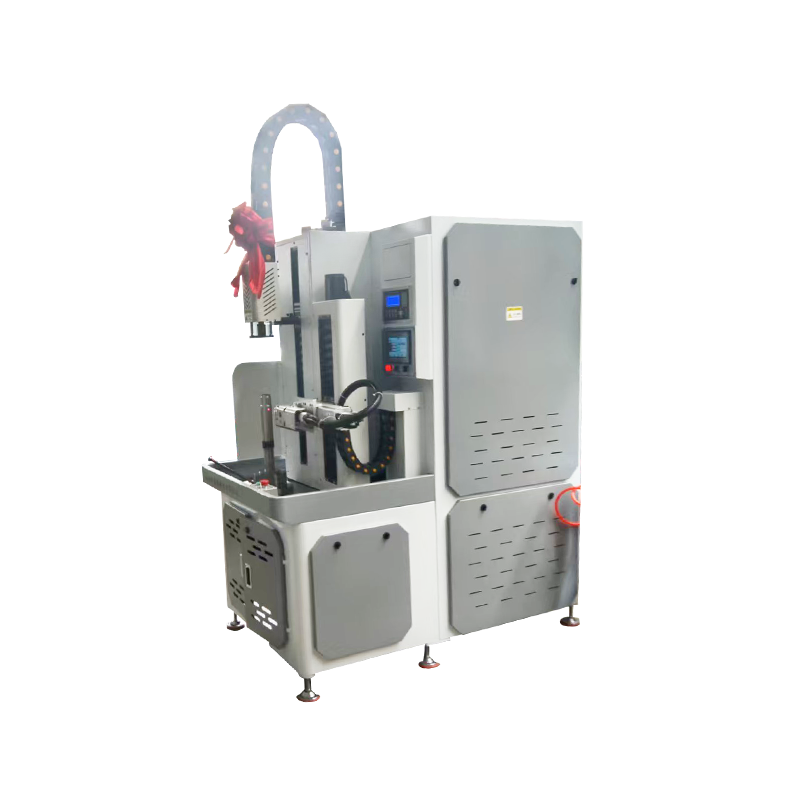
The Automatic Laser End Cutting Machine for Vacuum Flask is a high-precision equipment designed for efficient cutting of...
See Details
Yongkang Hubang Machinery Technology Co., Ltd.

No. 223, Chengxin Road, Economic Development Zone, Dongcheng Street, Yongkang City, Jinhua City, Zhejiang Province, China
Copyright © Yongkang Hubang Machinery Technology Co., Ltd.

Stainless Steel Flask Making Machine Supplier


