 English
 русский

The CNC Pipe Cutting Machine is designed for high-precision cutting of stainless steel pipes, especially suited for cup ...
See Details
Walk through almost any workshop that deals with metal tubing and you will notice a quiet shift. Straight pipes are no longer always left as they are. Ends are shaped, narrowed, and prepared for connection long before assembly begins. This change did not happen overnight. It grew from a simple need: make joints cleaner, stronger, and easier to repeat.
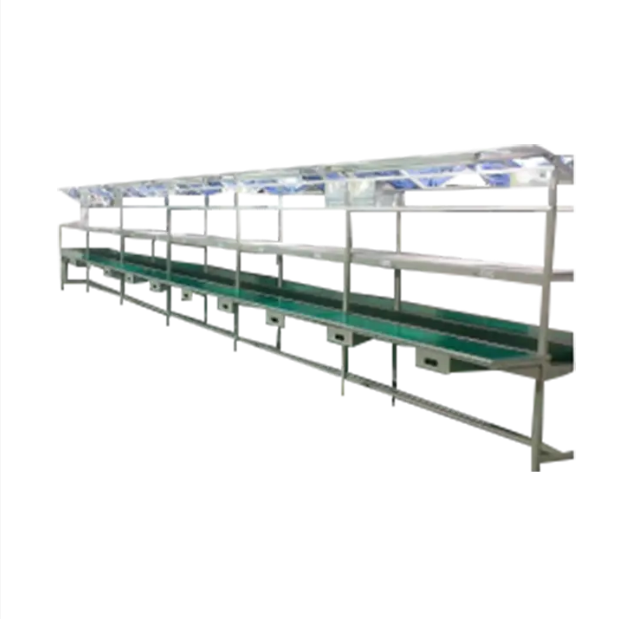
A tube end shrinking machine answers that need in a direct way. It reduces the diameter at one end of a tube without cutting or welding. That sounds simple, but the effect is far-reaching. It allows tubes to fit into each other, connect with other parts, or meet design requirements that would otherwise require extra steps.
Factories value this process because it saves time on later operations. A tube that already has a shaped end moves faster through assembly lines. Workers do not need to adjust or modify it manually. That consistency matters when production volumes rise.
At the same time, the method avoids unnecessary waste. Instead of removing material, it reshapes what is already there. This makes it more appealing in industries where material use is closely watched.
At a glance, the machine appears calm. A tube is placed into position, the tool closes, and within moments the shape changes. Behind that simple motion lies a coordinated sequence.
The tube is first held firmly in place. Stability is important because even slight movement can affect the final shape. Once secured, a forming mechanism begins to apply pressure around the tube's outer surface. This pressure is not random. It is controlled and evenly distributed.
As the force increases, the metal begins to respond. It does not crack or break under normal conditions. Instead, it flows inward. The diameter reduces gradually until it reaches the desired size. The process stops once the set form is achieved.
Unlike cutting or grinding, this approach keeps the structure of the tube continuous. That continuity helps maintain strength, especially at the connection point.
Different machines approach the same goal in slightly different ways. The variation usually depends on the type of tube, the material, and the production setup.
Here are a few common approaches seen in workshops:
Radial compression
The tool moves inward from multiple directions at once. This creates an even reduction around the tube. It is often used when symmetry matters.
Segmented forming
Several shaped segments close around the tube. Each segment contributes to the final form. This method allows more control over complex shapes.
Rotary shaping
The tube or the tool rotates during the process. This spreads the force over time rather than applying it all at once.
These methods share a common idea: apply controlled pressure so the material changes shape without losing integrity.
Not all tubes behave the same way. Even if two pieces look similar, their response to pressure can be quite different.
Softer metals tend to adapt quickly. They require less force and can be shaped with minimal resistance. Harder materials may need more gradual pressure. If the force is applied too quickly, the result may not be smooth.
Surface condition also plays a role. A clean, uniform surface allows the forming tool to move evenly. Irregularities can lead to uneven shaping or marks on the finished part.
Manufacturers often adjust machine settings based on these factors. The goal is not just to shrink the tube, but to do so in a controlled and predictable way.
Tube end shrinking is not limited to one industry. Its usefulness has led to adoption across many fields where tubing plays a role.
A quick overview helps show its reach:
| Application Area | Typical Use |
|---|---|
| Construction | Preparing pipes for fitting and joining |
| Automotive | Forming connections for fluid or structural parts |
| Furniture | Shaping visible joints for a cleaner look |
| Agriculture | Creating durable pipe connections in equipment |
| General Industry | Standardizing tube ends for assembly lines |
Each application values a slightly different outcome. Some focus on strength, others on appearance, and some on speed of assembly.
Older‑style tube‑processing machines needed lots of manual tweaking from operators. Workers mainly depended on their experience to keep output steady, and small quality differences were normal whenever working conditions changed.
Today's machines focus much more on stable performance and repeatable results. Settings can be fine‑tuned more accurately, and once properly set up, the machine keeps producing matching parts run after run.
Automation also cuts down constant manual supervision. Skilled operators are still needed to oversee production, but the whole process is far more predictable. This lets workers focus on quality checks instead of making constant adjustments.
Another big improvement is handling different tube materials and sizes. New‑generation machines can switch between jobs much faster with less downtime. This flexibility suits small‑batch orders and diverse product lines really well.
Even though tube shrinking brings many benefits, it still has common hurdles in real‑world production.
One frequent problem is keeping uniform results when working with mixed materials. Even tiny material differences change how tubes deform during shrinking. Tool wear is another issue: forming tools gradually lose their original shape over time, which messes up finished part quality.
Proper alignment is also extremely important. If a tube is placed off‑center, the shrinking won't be even, and the final part might not fit correctly during assembly.
These issues are typical for metal‑forming work. Careful machine setup and regular routine inspections can greatly lower their negative effects.
Steady, reliable output doesn't happen by accident. Factories achieve it through careful prep work and ongoing monitoring during production.
Operators usually start with trial sample runs to make sure machine settings match the tube material and target shape. Once the process runs smoothly, mass production begins under controlled conditions.
Regular in‑process checks are standard practice. Instead of only inspecting finished products at the end, workers check parts while production is ongoing. This lets them fix small problems early before they affect large batches.
Daily maintenance also plays a key behind‑the‑scenes role. Keeping tools clean and all machine parts in good condition ensures stable long‑term performance.
More industries are shifting toward easier, faster assembly methods. Pre‑processed components simplify the whole production flow.
Tube‑end shrinking fits perfectly with this trend. It pre‑shapes tube ends in advance and removes extra work steps later on. This efficiency becomes even more valuable when production volume increases.
Appearance is another important factor. Neat, smoothly shaped tube ends look much better than rough‑cut raw edges. For products with strict visual requirements, this advantage directly affects design decisions.
Overall, tube‑end shrinking matches modern manufacturing demands well. It balances high efficiency with precise control, delivering simple yet practical production outcomes.
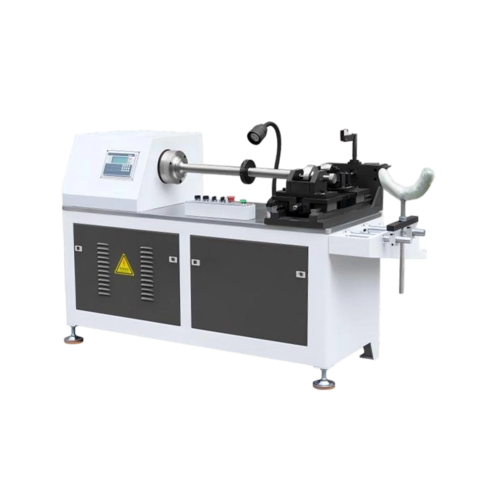
The CNC Pipe Cutting Machine is designed for high-precision cutting of stainless steel pipes, especially suited for cup ...
See Details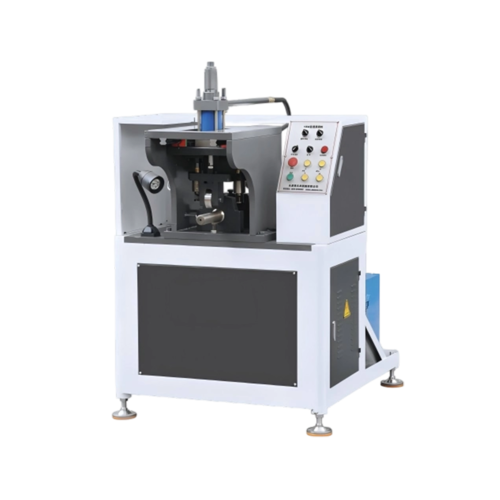
The Hydraulic Welding Seam Flatten Rolling Machine is a specialized piece of equipment designed for rolling and leveling...
See Details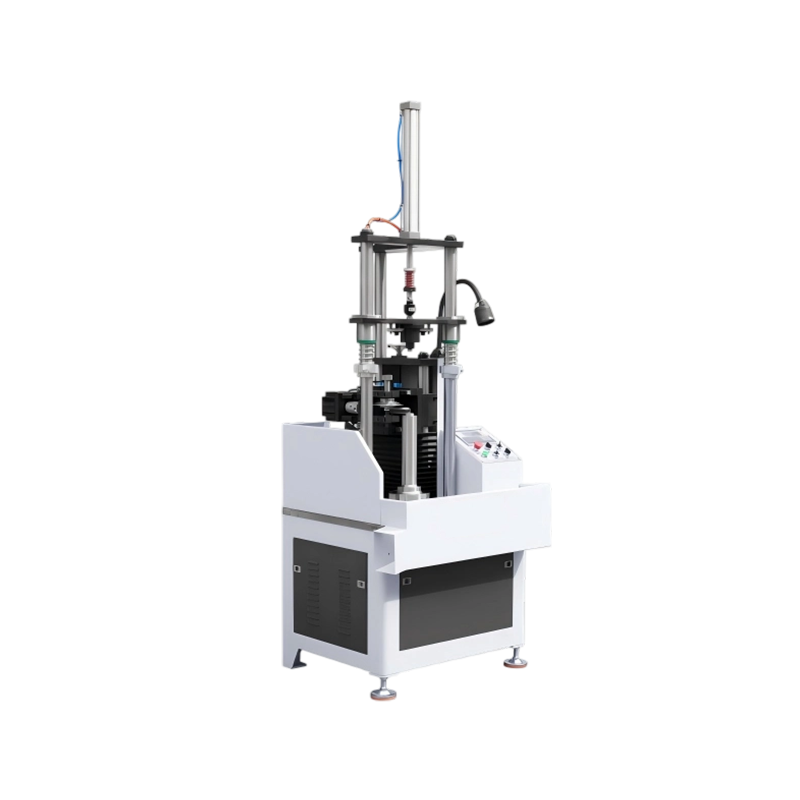
The CNC Rim Neck Cutting Machine is a high-precision, fully automated equipment designed for cutting and trimming the wa...
See Details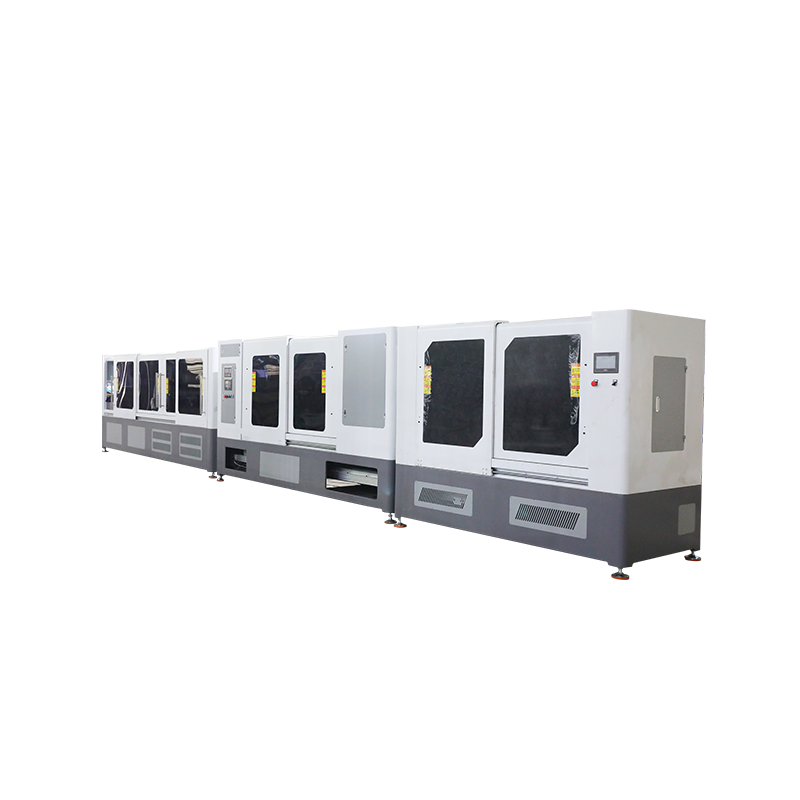
The Fully Automatic Pipe Drawing Machine for Thermos is a precision-engineered production system. It integrates laser pi...
See Details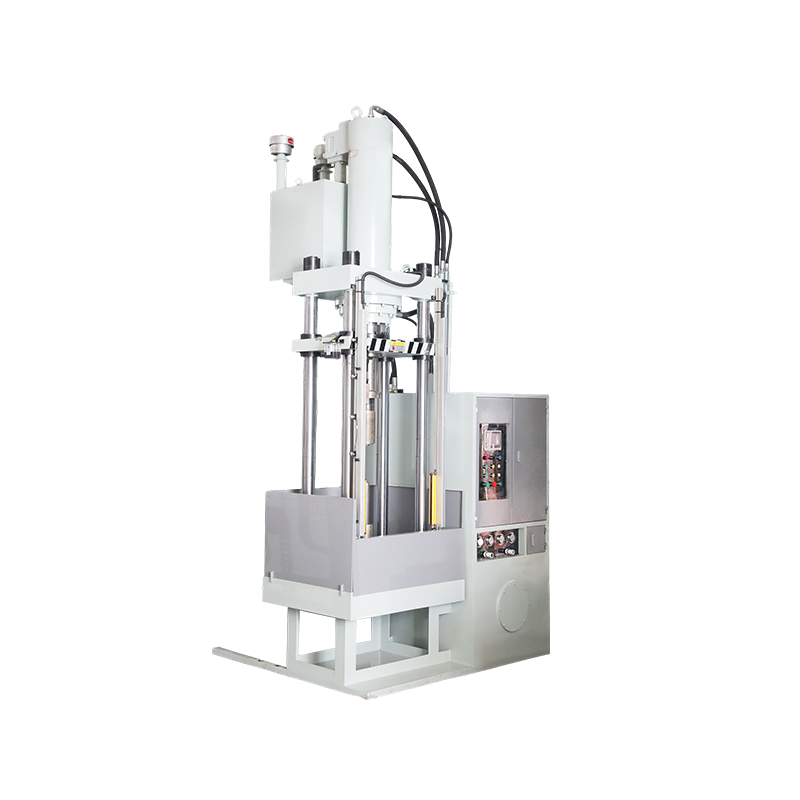
The Water Bulging Bottle Making Machine is made for the precision forming process of both the outer shell and inner line...
See Details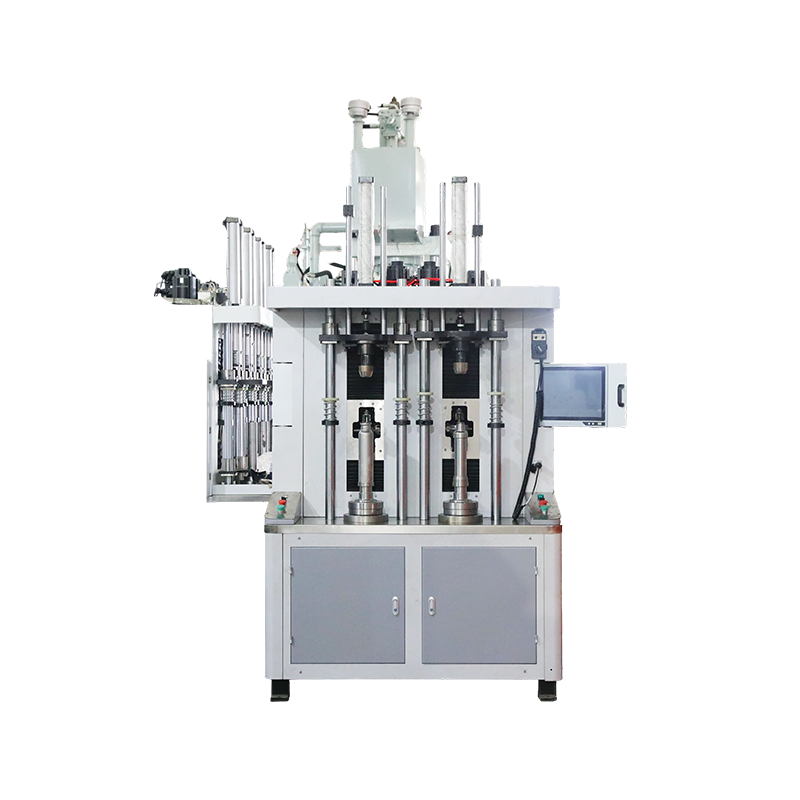
The Double Station CNC Tube End Shrinking Machine is designed for the spinning and compressing process of cup and pot mo...
See Details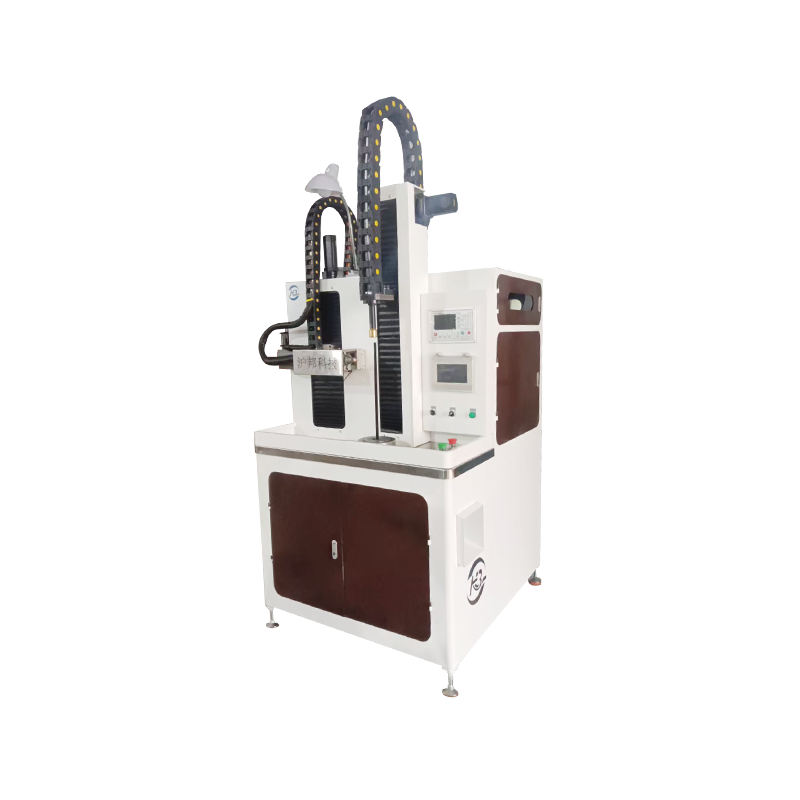
The Laser Bottle Flask Dividing Machine is designed for precision processing of various cup and pot components, includin...
See Details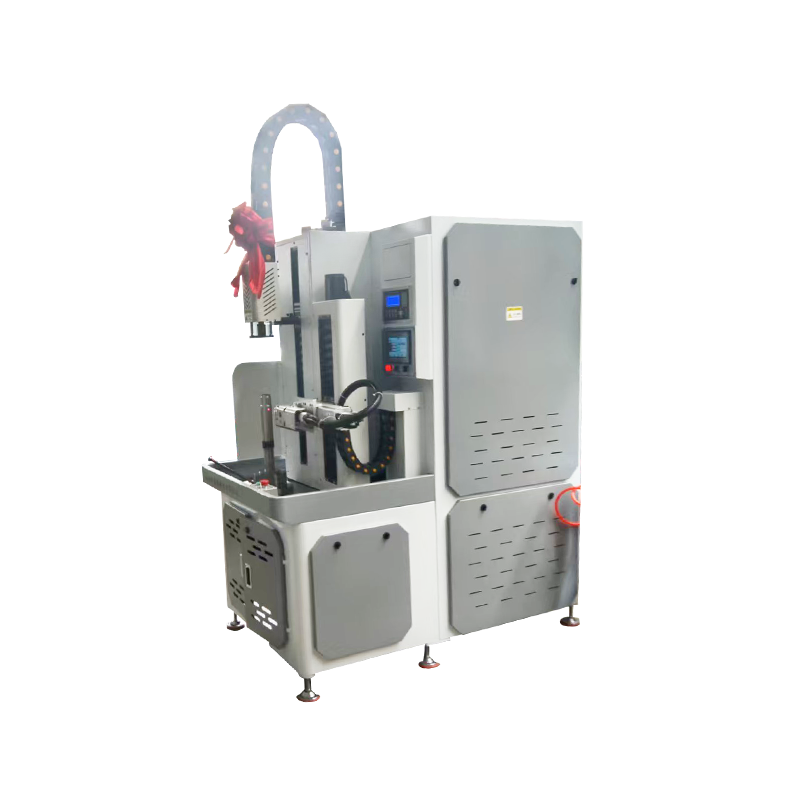
The Automatic Laser End Cutting Machine for Vacuum Flask is a high-precision equipment designed for efficient cutting of...
See Details
Yongkang Hubang Machinery Technology Co., Ltd.

No. 223, Chengxin Road, Economic Development Zone, Dongcheng Street, Yongkang City, Jinhua City, Zhejiang Province, China
Copyright © Yongkang Hubang Machinery Technology Co., Ltd.

Stainless Steel Flask Making Machine Supplier


