 English
 русский

The CNC Pipe Cutting Machine is designed for high-precision cutting of stainless steel pipes, especially suited for cup ...
See Details
In workshops where bottles and flasks are shaped every day, cutting is one of those steps that quietly decides the final result. It does not always draw attention, yet it influences both appearance and function. A slight flaw at this stage can carry through the rest of the process. For a long time, manufacturers relied on contact-based methods. These approaches still exist, but they often bring small inconsistencies that are hard to avoid.
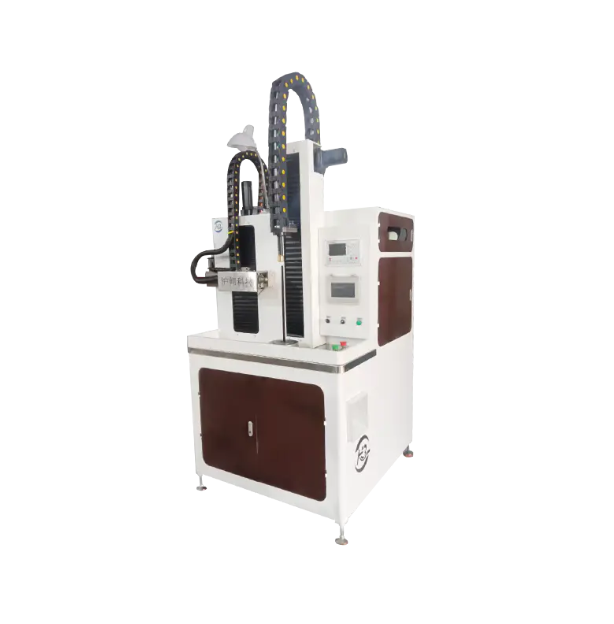
Laser cutting entered this space not as a sudden replacement, but as an alternative that gradually proved useful in certain situations. It works without direct contact. That single difference reshapes how materials behave during separation. Instead of pressure, it relies on a controlled path that guides the cut.
The change may seem simple, though its effects are visible across several aspects of production.
Traditional cutting methods rely on physical tools that press, scratch or grind against the material surface. Even with careful operation, this method applies direct force to the material. Glass and thin‑walled containers react sensitively to this pressure; some sections stay intact, while tiny hidden cracks form in others that might not show up right away.
Laser Bottle Flask Dividing Machine works from a distance, with no physical contact at all. Material separation follows a precise pre‑set path controlled by the machine system. Since there is no direct pressure applied to the product, the surrounding structure stays far more stable. Every cut is more controlled, and random outward‑spreading breaks are kept to a minimum.
Operators also find the whole process simpler to manage long‑term. Instead of repeatedly replacing or adjusting cutting tools, they focus more on monitoring material performance and making minor corrections when necessary.
At first sight, the rim edge of a bottle or flask seems like a small, unimportant detail. In real production, however, it impacts multiple practical factors at the same time. A clean, smooth edge changes how light reflects on the product surface, and also determines how well the container fits caps, seals and other matching parts.
Uneven edges usually mean extra post‑processing work. Grinding and polishing become necessary routine steps. These extra procedures waste time and can create new inconsistencies if not carried out carefully.
Laser cutting naturally produces smoother, more even edge finishes. This greatly cuts down follow‑up finishing work. While some polishing may still be needed, the overall workload is reduced noticeably. Over time, this change even affects how the whole production line is arranged and operated.
Safety and ease of handling is another key point. Workers moving and checking finished products depend on steady, predictable surfaces. Smooth edges prevent scratches and discomfort during daily handling and inspection.
Production demands hardly stay unchanged for long. One batch of products is often followed by another with slightly different shapes or sizes. Traditional cutting requires swapping or reworking physical tools to adapt to new designs, which takes valuable production time.
Laser cutting works differently. Cutting paths are simply adjusted through digital control settings, with no need to change hardware for every new product variation. New designs can be rolled out with far fewer production interruptions.
This kind of flexibility is especially valuable for small‑batch orders. For limited‑quantity runs, lengthy tool preparation can take more time than actual manufacturing. Fast‑adaptable laser cutting keeps production running smoothly in these cases.
Design teams also gain a big advantage from this flexibility. They can test modified designs without waiting for custom‑made physical tools. New ideas move from early concepts to real‑world trials much faster and more directly.
Material loss is often tied to small deviations. When a cut does not follow the intended path, the result may not meet requirements. Over time, these small losses become noticeable.
Laser cutting follows a guided line with a high level of control. While no method removes waste completely, the margin of error becomes smaller. More pieces meet the expected outcome, and fewer need to be set aside.
Another aspect is spacing. Cuts can often be arranged more closely, allowing better use of the available material. This does not change the material itself, but it changes how efficiently it is used.
A simple comparison helps illustrate the shift:
| Aspect | Conventional Approach | Laser-Based Approach |
|---|---|---|
| Contact | Direct | None |
| Edge uniformity | Varies | More consistent |
| Material loss | Noticeable | Reduced |
| Adjustment method | Tool changes | System adjustments |
More and more production sites now rely on automation as part of regular daily operations. Jobs that used to need constant hands‑on work are now run by linked machine systems.
Laser cutting works really well within this kind of setup. Containers move along the production line, stop just long enough to be cut, then keep going with almost no hold‑ups. The whole sequence runs more fluidly, with less downtime between each stage.
Automation doesn't take the operator out of the picture. It just shifts what they focus on. Instead of repeating the same physical tasks non‑stop, workers spend more time monitoring progress, tweaking settings, and overseeing quality. Daily work moves from manual repetition to managing the overall process.
When every production stage links together smoothly, it's far easier to keep a steady, consistent production rhythm day in and day out.
Glass and other fragile materials are easily damaged by uneven pressure. Even a small amount of unbalanced force creates hidden stress points that you might not notice straight away. These weak spots can later turn into fine cracks or structural flaws.
Since laser cutting works without touching the material directly, it avoids creating those hidden stress points during cutting. The product moves along a fixed path without being squeezed, dragged or pushed by physical tools.
This method also gets rid of quality issues caused by worn‑out cutting tools. Traditional contact cutting tools slowly wear down with use, which slowly changes how clean each cut is. With no physical tool touching the material, that source of variation is removed.
For thin‑walled containers or items with complex shapes, this precise, gentle working method keeps the overall structure consistent from one piece to the next.
The way products are made always sets boundaries for what designers can create. When a manufacturing process delivers higher precision, it opens up new creative possibilities.
Laser cutting makes it simple to create smooth curves, sharp angles and split‑style shapes. These detailed features can be added without major rework to production equipment. That lets designers refine ideas step‑by‑step, rather than making big, risky overhauls only occasionally.
It also makes trial‑and‑error testing far more practical. A new design can be sampled, adjusted and tested again without long waiting times. In the long run, this leads to more varied shapes for both practical everyday items and decorative products.
Design and production also connect more closely. Instead of having to work around strict manufacturing limits, designers can freely explore creative ideas within a much more flexible production framework.
People often talk about process consistency in general terms, but its real value shows up in normal daily production routines. When a process runs predictably, planning becomes straightforward. Teams can accurately estimate output numbers and build dependable work schedules.
Laser cutting helps deliver this stability by cutting down variables from tool wear and constant manual fine‑tuning. Outside factors still have some effect, but the core cutting process stays steady and reliable.
Less unexpected variation means fewer sudden disruptions. Staff can focus on keeping production flowing smoothly instead of putting out constant last‑minute problems. Over time, this steady rhythm changes how work is arranged and how duties are shared across the whole production line.
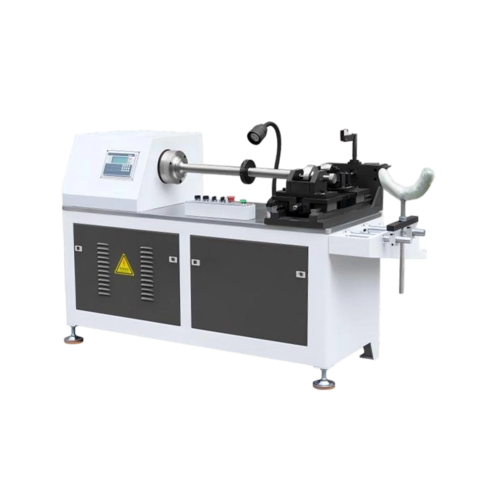
The CNC Pipe Cutting Machine is designed for high-precision cutting of stainless steel pipes, especially suited for cup ...
See Details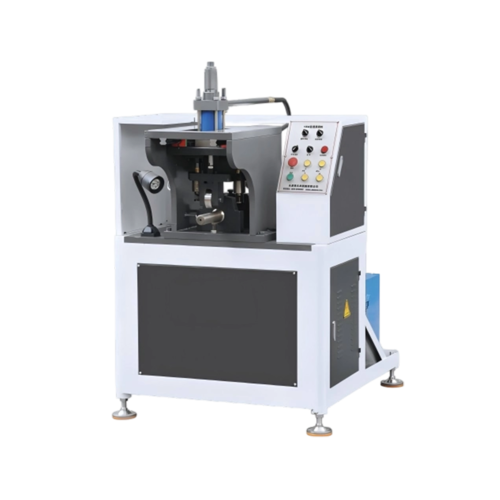
The Hydraulic Welding Seam Flatten Rolling Machine is a specialized piece of equipment designed for rolling and leveling...
See Details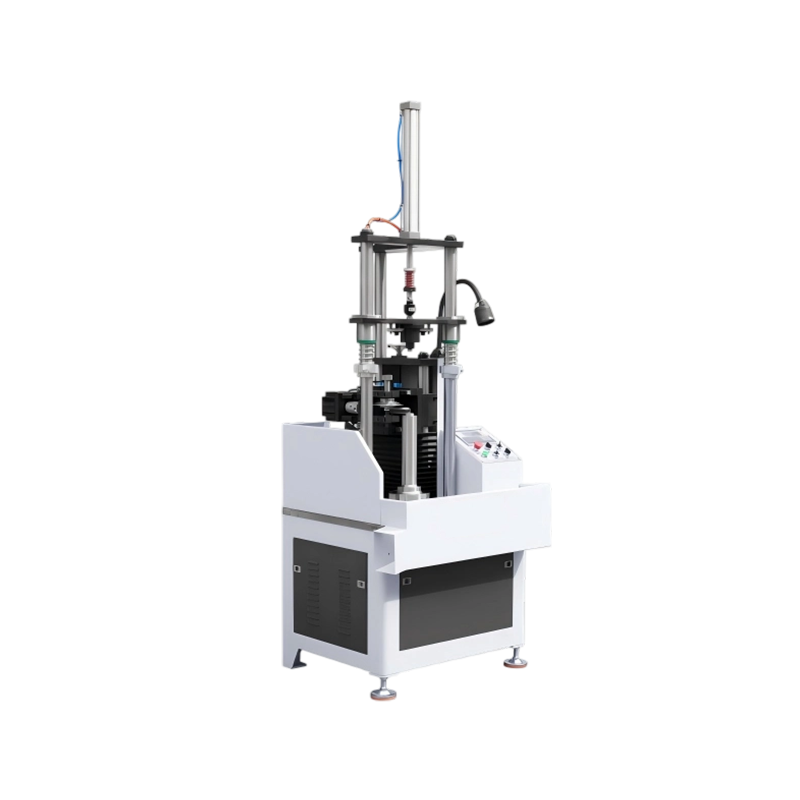
The CNC Rim Neck Cutting Machine is a high-precision, fully automated equipment designed for cutting and trimming the wa...
See Details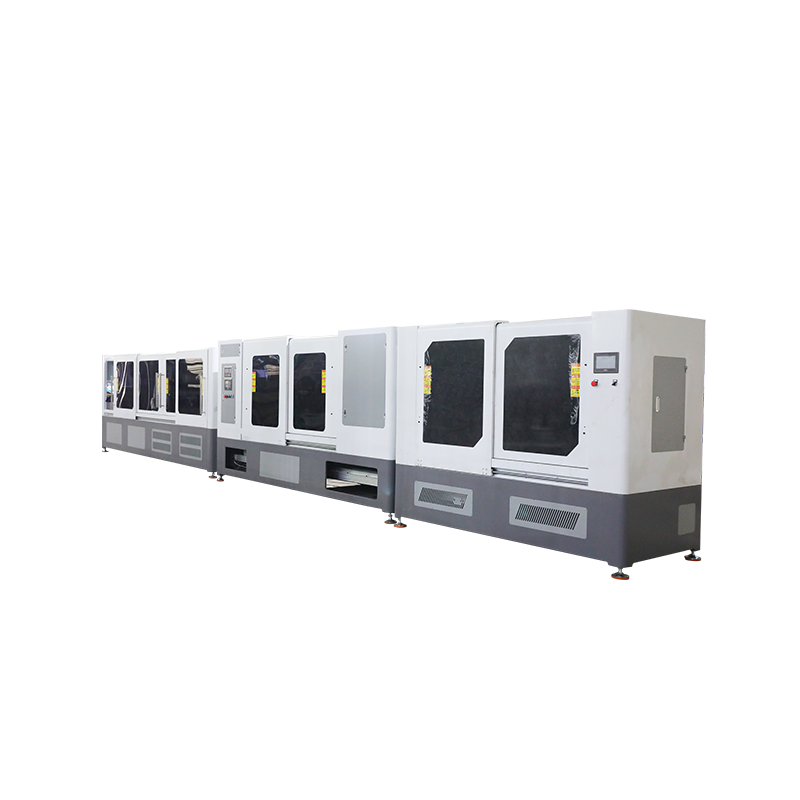
The Fully Automatic Pipe Drawing Machine for Thermos is a precision-engineered production system. It integrates laser pi...
See Details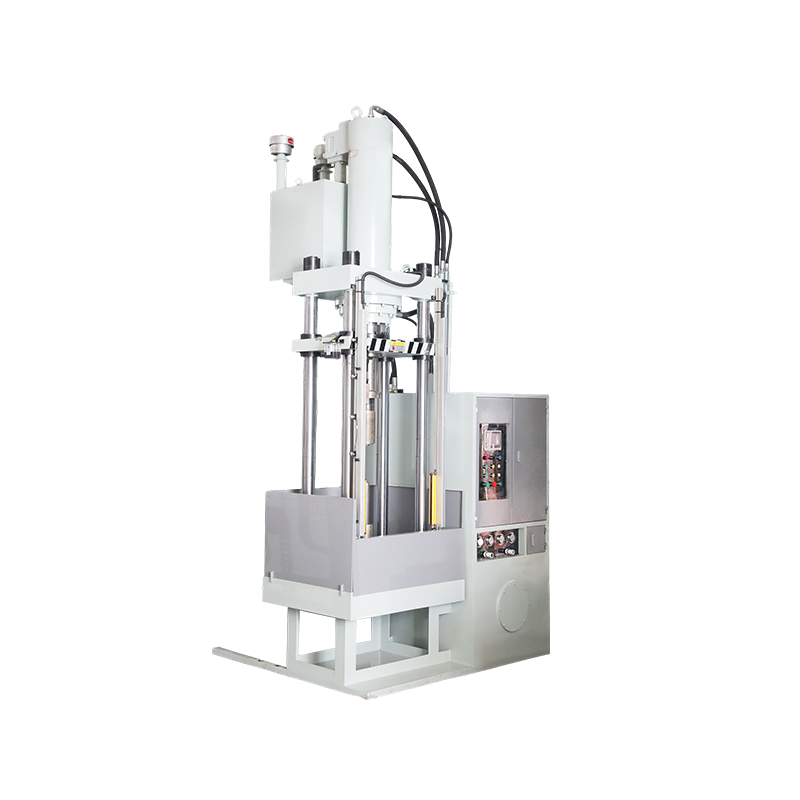
The Water Bulging Bottle Making Machine is made for the precision forming process of both the outer shell and inner line...
See Details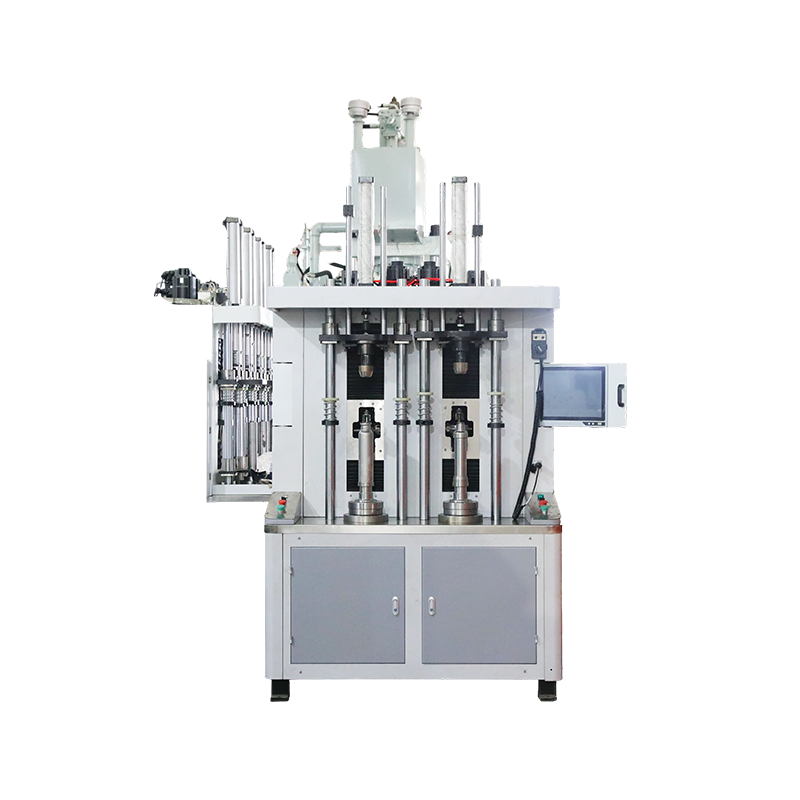
The Double Station CNC Tube End Shrinking Machine is designed for the spinning and compressing process of cup and pot mo...
See Details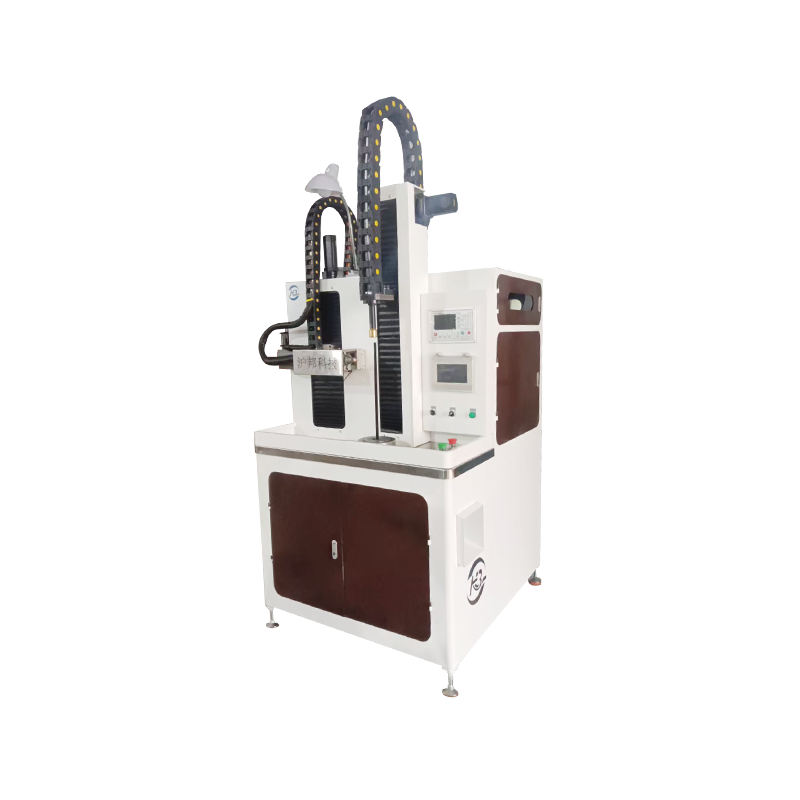
The Laser Bottle Flask Dividing Machine is designed for precision processing of various cup and pot components, includin...
See Details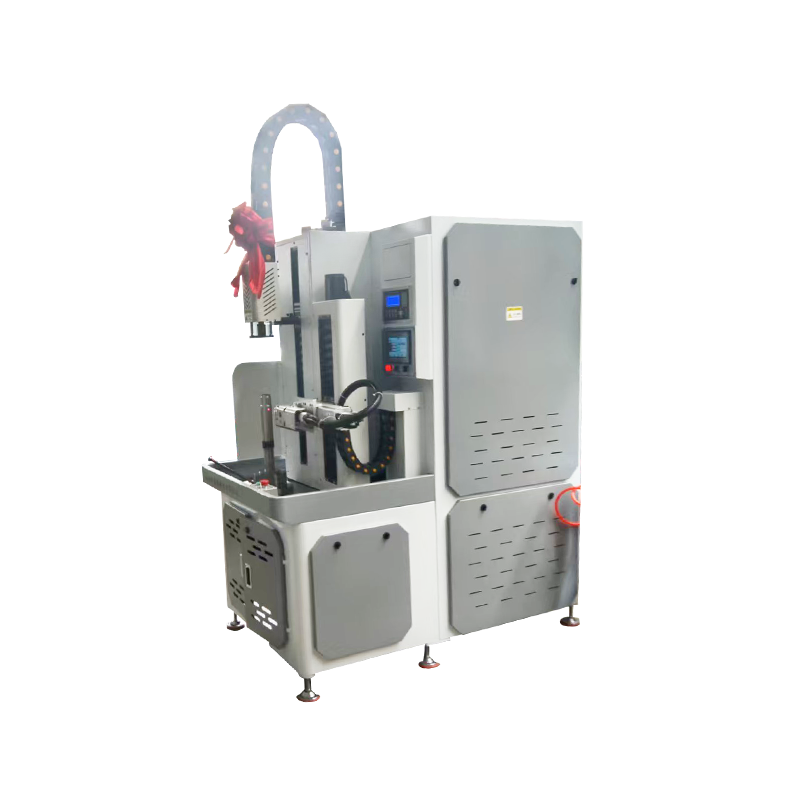
The Automatic Laser End Cutting Machine for Vacuum Flask is a high-precision equipment designed for efficient cutting of...
See Details
Yongkang Hubang Machinery Technology Co., Ltd.

No. 223, Chengxin Road, Economic Development Zone, Dongcheng Street, Yongkang City, Jinhua City, Zhejiang Province, China
Copyright © Yongkang Hubang Machinery Technology Co., Ltd.

Stainless Steel Flask Making Machine Supplier


