 English
 русский

The CNC Pipe Cutting Machine is designed for high-precision cutting of stainless steel pipes, especially suited for cup ...
See Details
In a modern bottle production workshop, the shaping process does not feel as mechanical as people often imagine. Materials move in a steady flow, changing form step by step, without dramatic pauses in between. The Water Bulging Bottle Making Machine process belongs to this kind of production style. It looks simple from a distance, but inside the system, several small actions work together quietly.
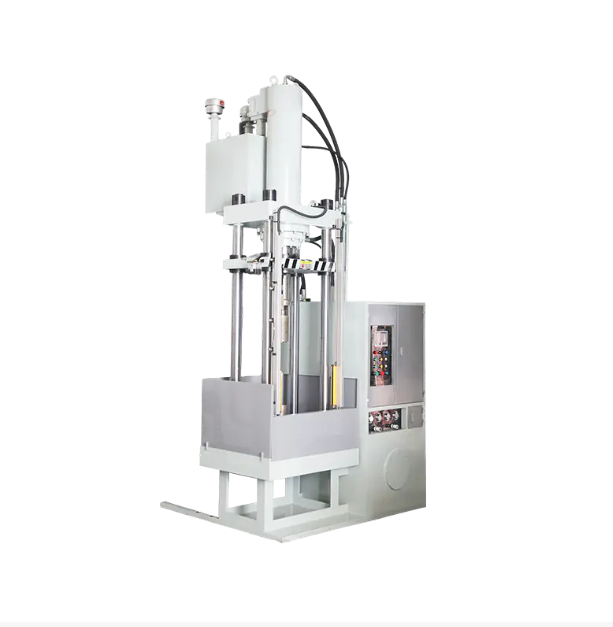
A bottle does not appear in one instant. It goes through preparation, shaping, stabilization, and cooling. Each stage leaves a small mark on the final result.
Everything starts with material that does not look like a bottle yet.
At this stage, the plastic is in a soft, tubular form. It cannot hold shape on its own. If you touch it too early, it would collapse or stretch unevenly. So the first task is to bring it into a stable condition where it can respond properly to forming.
Heating is usually involved, but it is not about pushing it to extremes. It is more about making the material flexible enough to react without breaking its balance.
Before shaping begins, a few things quietly matter:
Nothing looks dramatic here, but this stage decides how smoothly everything else will go.
Once the material is ready, it moves into the forming area.
Inside the mold, the tube is held in position. At this moment, nothing has changed in shape yet. The real transformation starts when internal pressure is introduced.
Water is used to apply pressure from inside the tube. Instead of squeezing from the outside, the material is pushed outward gently and evenly.
As pressure builds, the softened material begins to expand. It stretches until it meets the walls of the mold. The mold gives it direction. Without it, the shape would not be controlled.
What looks like a quick transformation is actually a gradual expansion. The material does not jump into shape. It slowly settles into it.
At first glance, both methods might seem similar. In reality, the way force is applied changes everything.
With internal pressure, the material expands outward naturally. It fills the mold from within, which helps it spread more evenly.
External force, on the other hand, presses from the outside. That can create uneven stress points if not carefully controlled.
Internal pressure tends to:
It is less about forcing shape and more about guiding it into place.
The mold does not move. It does not push. It simply holds space.
But that space defines everything.
When the material expands, it stops only when it touches the mold walls. That boundary becomes the final shape of the bottle.
If the mold is stable, every product looks consistent. If it shifts even slightly, the result changes.
So even though it appears passive, the mold is doing a quiet but constant job: keeping structure under control.
After forming, the material is still soft. If left alone, it would slowly lose shape.
Cooling brings stability.
It is not a sudden drop in temperature. That would cause stress inside the material. Instead, cooling happens in a controlled way, letting the structure settle naturally.
During this stage:
It is a finishing step, but also a stabilizing one.
Without it, the earlier shaping would not stay consistent.
Each stage depends on the one before it, but also on timing.
If material sits too long before forming, it starts to lose ideal flexibility. If pressure is applied too early, the shape may not form evenly.
There is a kind of rhythm in the process:
Heating → forming → stabilization → cooling
When the rhythm is steady, production feels smooth. When one part drifts, small differences begin to appear in output.
It is not a strict sequence on paper. It behaves more like a continuous flow.
In many setups, human hands are not involved in every step anymore.
Automation takes care of movement between stages, keeping timing more consistent. It handles feeding, positioning, and basic adjustments during operation.
What this changes is not just speed, but attention.
Operators are no longer focused on every single movement. Instead, they observe the process as a whole and step in only when something shifts.
This reduces interruptions and helps the process stay steady over longer runs.
Consistency is not controlled by one single factor. It comes from several small controls working together.
Some of the most important ones include:
If one of these drifts, the result may still look acceptable for a while, but differences will slowly appear.
In production, small changes matter more than large ones because they repeat.
Even when everything is controlled, material still has its own behavior.
No two sections of material react exactly the same way. Some parts stretch slightly faster. Others resist a bit more.
These differences are small, but they show up during expansion. The mold guides the shape, but the material decides how it fills that space.
This is why stable preparation is important. It reduces unpredictable variation before shaping even begins.
Even in stable systems, things are not always perfectly smooth.
Some situations that may appear over time include:
These are usually not sudden failures. They develop slowly.
Most of the time, they are handled through small adjustments rather than large changes.
The role of operators is less about direct shaping and more about watching the process flow.
They observe:
It is a mix of monitoring and small corrections.
Instead of controlling every step, they guide the system when needed.
If we put everything together, the flow looks like this:
| Stage | What Happens | Why It Matters |
|---|---|---|
| Preparation | Material becomes flexible | Sets stable starting point |
| Positioning | Tube enters mold area | Defines shape boundary |
| Expansion | Internal pressure is applied | Forms bottle shape |
| Stabilizing | Shape begins to hold | Reduces deformation risk |
| Cooling | Material becomes rigid | Locks final structure |
Each step depends on the one before it. Nothing works in isolation.
Modern manufacturing often moves toward continuous flow instead of broken steps.
This method of bottle making follows the same idea. Instead of stopping between stages, the material moves forward in one connected path.
That reduces waiting time, but more importantly, it keeps conditions stable from start to finish.
Over time, the process becomes less about individual actions and more about maintaining rhythm across the entire system.
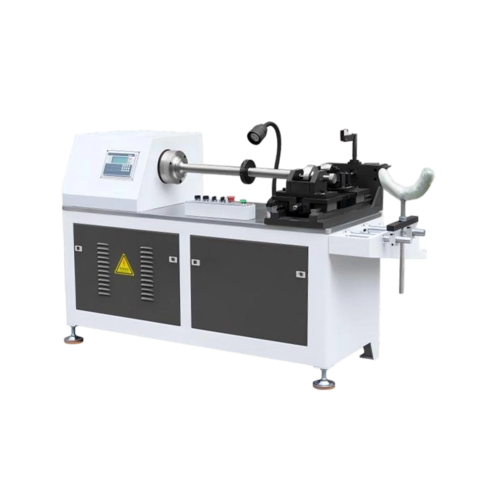
The CNC Pipe Cutting Machine is designed for high-precision cutting of stainless steel pipes, especially suited for cup ...
See Details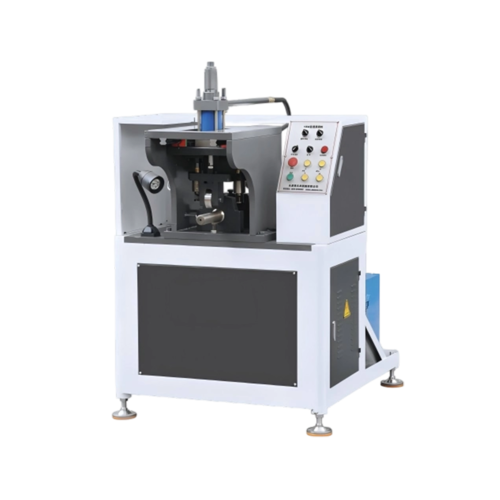
The Hydraulic Welding Seam Flatten Rolling Machine is a specialized piece of equipment designed for rolling and leveling...
See Details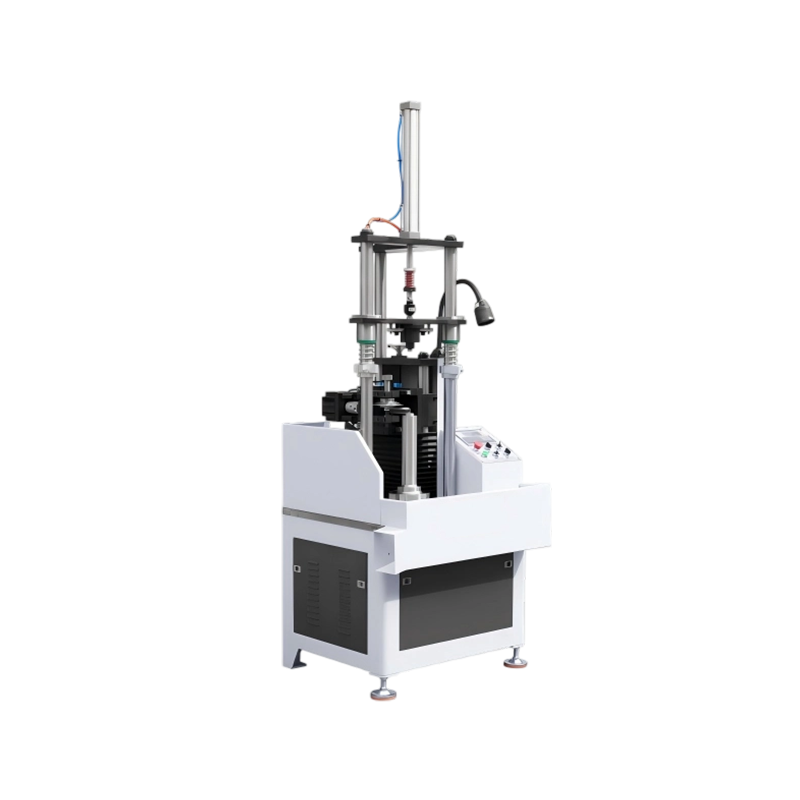
The CNC Rim Neck Cutting Machine is a high-precision, fully automated equipment designed for cutting and trimming the wa...
See Details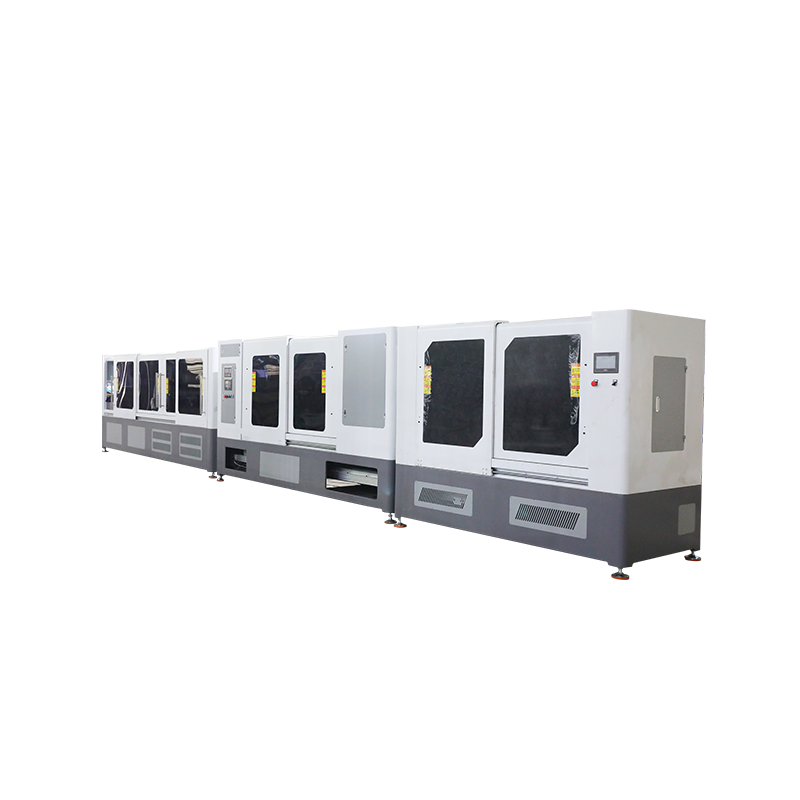
The Fully Automatic Pipe Drawing Machine for Thermos is a precision-engineered production system. It integrates laser pi...
See Details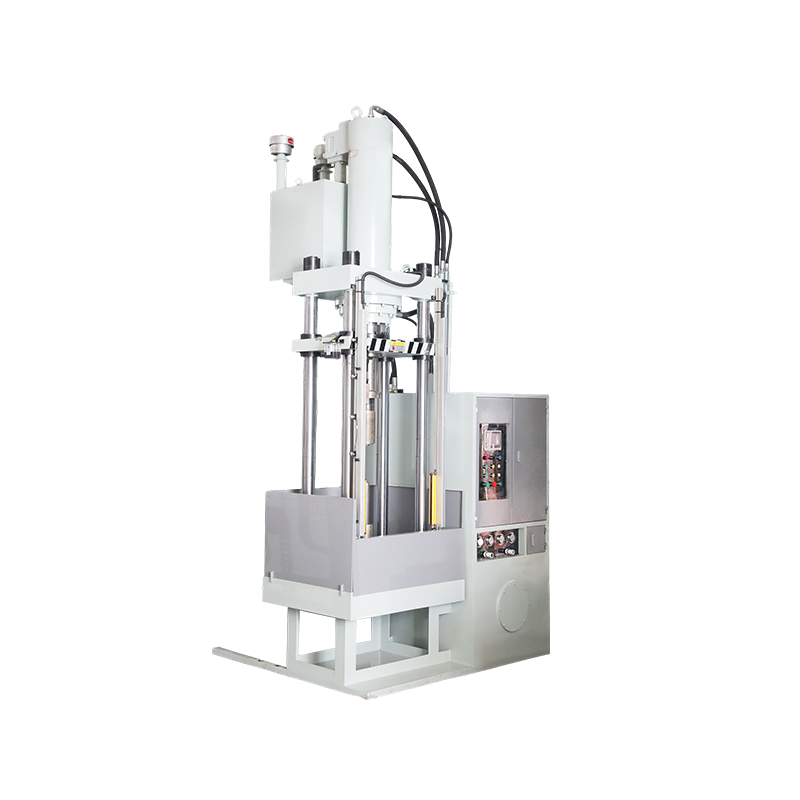
The Water Bulging Bottle Making Machine is made for the precision forming process of both the outer shell and inner line...
See Details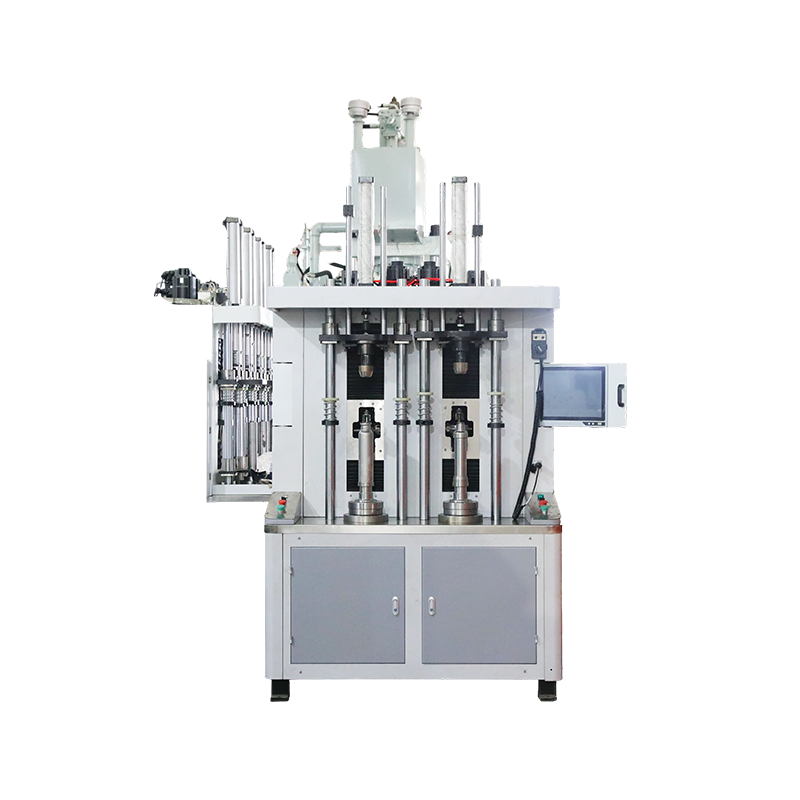
The Double Station CNC Tube End Shrinking Machine is designed for the spinning and compressing process of cup and pot mo...
See Details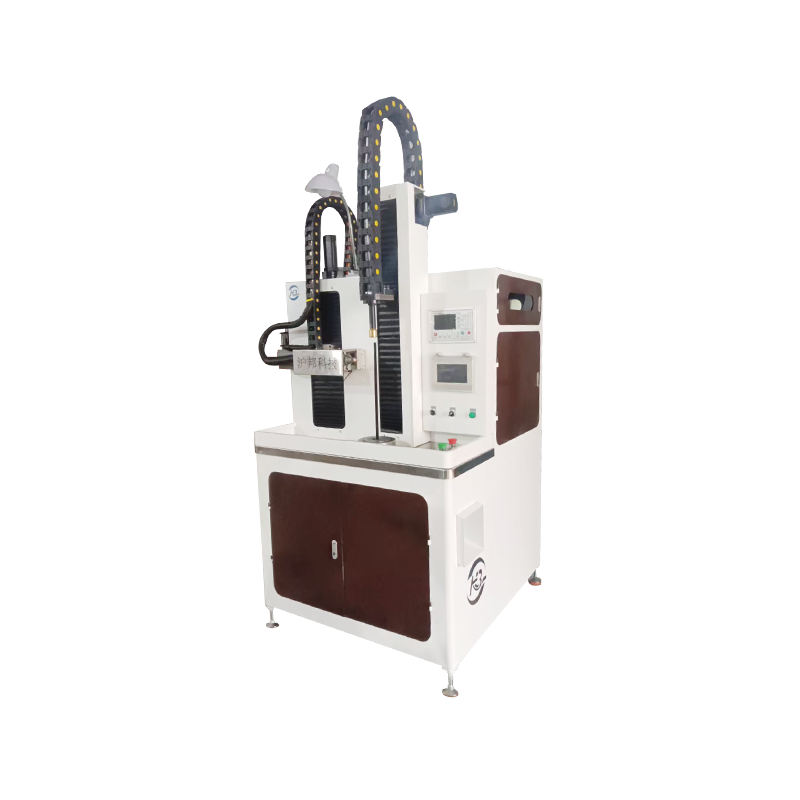
The Laser Bottle Flask Dividing Machine is designed for precision processing of various cup and pot components, includin...
See Details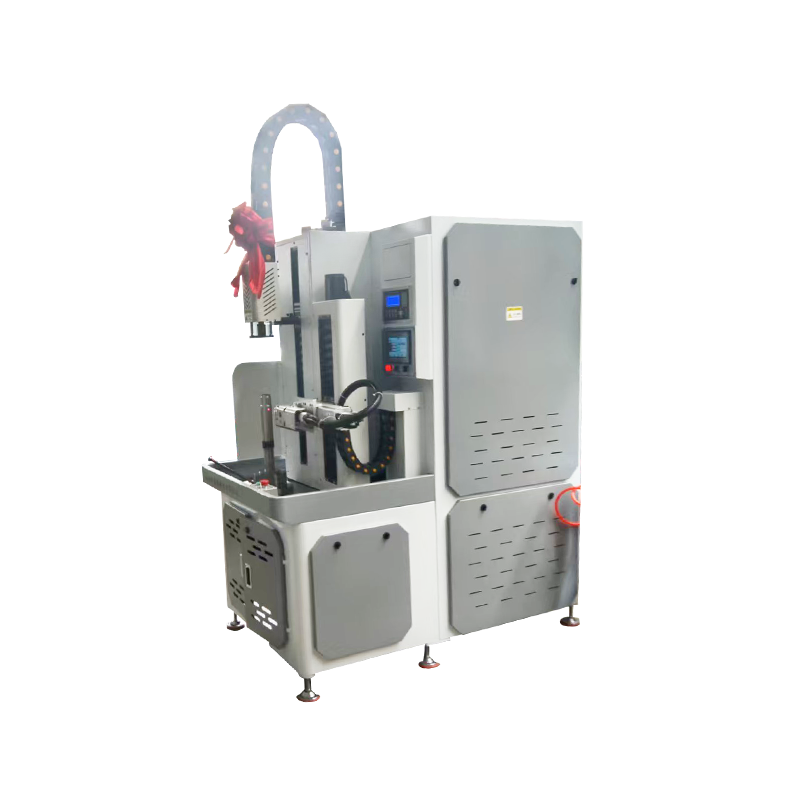
The Automatic Laser End Cutting Machine for Vacuum Flask is a high-precision equipment designed for efficient cutting of...
See Details
Yongkang Hubang Machinery Technology Co., Ltd.

No. 223, Chengxin Road, Economic Development Zone, Dongcheng Street, Yongkang City, Jinhua City, Zhejiang Province, China
Copyright © Yongkang Hubang Machinery Technology Co., Ltd.

Stainless Steel Flask Making Machine Supplier


