 English
 русский

The CNC Pipe Cutting Machine is designed for high-precision cutting of stainless steel pipes, especially suited for cup ...
See Details
Walk into a metal workshop on a regular day, and nothing looks unusual at first. Tubes stacked to one side. Finished parts placed in bins. Machines humming in the background. Yet the way those tubes move from raw material to finished shape has been changing.
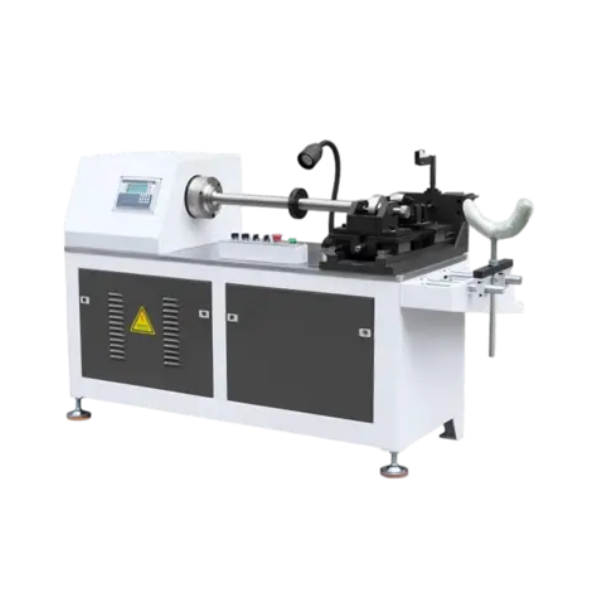
Blm tube laser cutting machine have quietly altered that flow. Not through one single function, but through a set of small shifts that, taken together, reshape the process. The changes are not always dramatic. They are often noticed in how work feels over time.
Some operators describe it as fewer interruptions. Others mention a steadier pace. The features behind these impressions are worth looking at more closely.
In many traditional setups, material handling sets the tone for the entire process.
A tube is lifted. Adjusted. Lined up. Sometimes checked again before cutting begins. Each step introduces a pause. These pauses may seem minor, but they accumulate.
With automated feeding, the rhythm is different.
The result is not just faster movement. It feels smoother. There are fewer moments where the process stops and waits.
Over several hours, this difference becomes more noticeable than any single speed increase.
Not all tubes are simple. Even when they look straightforward, the required cuts can vary.
A system with flexible movement does not rely on repositioning the tube again and again. Instead, the blm tube laser cutting machine path adjusts.
You might see:
From the outside, it looks like continuous motion. From the inside, it reduces the need to pause and reset.
This kind of flexibility changes how tasks are planned. Jobs that once required multiple stages can be handled in a more direct way.
People often focus on mechanical capability. Yet the way a machine is controlled shapes daily experience just as much.
A clear interface does not draw attention to itself. That is part of its value.
In a busy environment, this matters. Operators do not have time to search through layers of menus.
A simpler interface also lowers the barrier for new users. They can begin working without needing long periods of familiarization.
Over time, this leads to fewer interruptions caused by uncertainty.
Consistency is often talked about, but it rarely shows up as a dramatic feature.
It appears in small details:
When consistency is missing, the opposite happens. Small differences begin to appear. Each one may seem minor, but together they create extra work.
A stable cutting process reduces these variations. It allows downstream tasks to proceed without constant correction.
In daily production, this can save more time than a simple increase in speed.
Consider a workflow where cutting is only one step among many.
A tube might be:
Each movement introduces handling time. Each repositioning carries a small risk of misalignment.
When processes are combined, some of these steps disappear.
The difference is not always obvious in a short run. Over longer periods, it becomes clear that fewer interruptions lead to a steadier flow.
Automation is sometimes seen as replacing human input. In practice, it often shifts the role instead.
Rather than focusing on repetitive tasks, operators spend more time observing patterns.
Examples include:
Automation also helps maintain a steady pace. The process does not rely entirely on manual timing.
This creates a more predictable environment. Operators can plan their actions instead of reacting to every small change.
Even when materials look similar, they rarely behave in exactly the same way.
Small differences can affect how cutting progresses. In a less adaptable system, this might require frequent adjustments.
A more adaptable setup handles these variations quietly.
This flexibility is especially useful in environments where material types change regularly.
It allows the process to remain stable without constant reconfiguration.
Efficiency is often measured in output, but the path to that output matters just as much.
A process filled with stops and restarts tends to lose time in ways that are not always obvious.
A more continuous workflow feels different:
This continuity reduces the chances of small errors. It also makes the entire operation easier to manage.
Over time, the system becomes more predictable.
Repetitive tasks can wear down even experienced operators.
Features that reduce manual effort and simplify interaction can make a noticeable difference.
These include:
When strain is reduced, attention improves. Operators are more likely to notice early signs of change.
This supports both safety and consistency in production.
Instead of viewing each feature in isolation, it helps to see how they interact.
| Feature Element | What It Changes | How It Feels in Practice |
|---|---|---|
| Automated feeding | Reduces manual positioning | Smoother start to each cycle |
| Flexible movement | Adapts cutting paths | Less need for repositioning |
| Clear interface | Simplifies control | Faster adjustments |
| Stable output | Keeps results consistent | Less rework |
| Integrated steps | Combines processes | Fewer interruptions |
| Automation support | Maintains steady operation | More predictable workflow |
| Adaptability | Handles material variation | Fewer resets |
Seen this way, the machine is not just performing tasks. It is shaping how those tasks connect.
At the beginning, the difference may not stand out.
The machine runs. Parts are produced. Work continues as usual.
After some time, the changes become clearer.
Operators often shift their focus. Instead of concentrating on each individual step, they begin to watch the overall flow.
This broader view allows for earlier intervention when something changes.
The machine becomes part of a larger system. Its features support not only cutting, but the rhythm of the entire process.
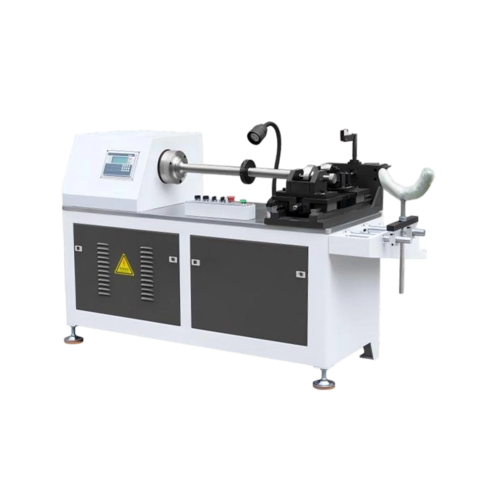
The CNC Pipe Cutting Machine is designed for high-precision cutting of stainless steel pipes, especially suited for cup ...
See Details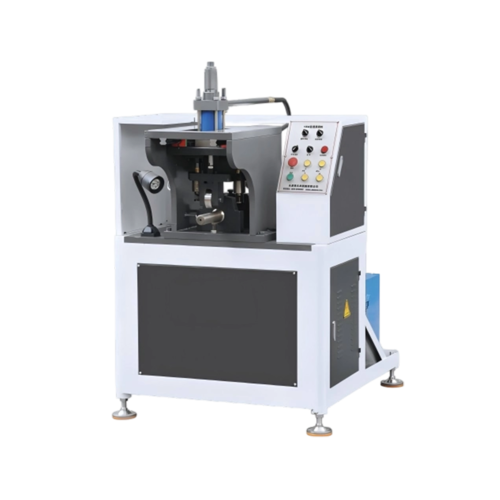
The Hydraulic Welding Seam Flatten Rolling Machine is a specialized piece of equipment designed for rolling and leveling...
See Details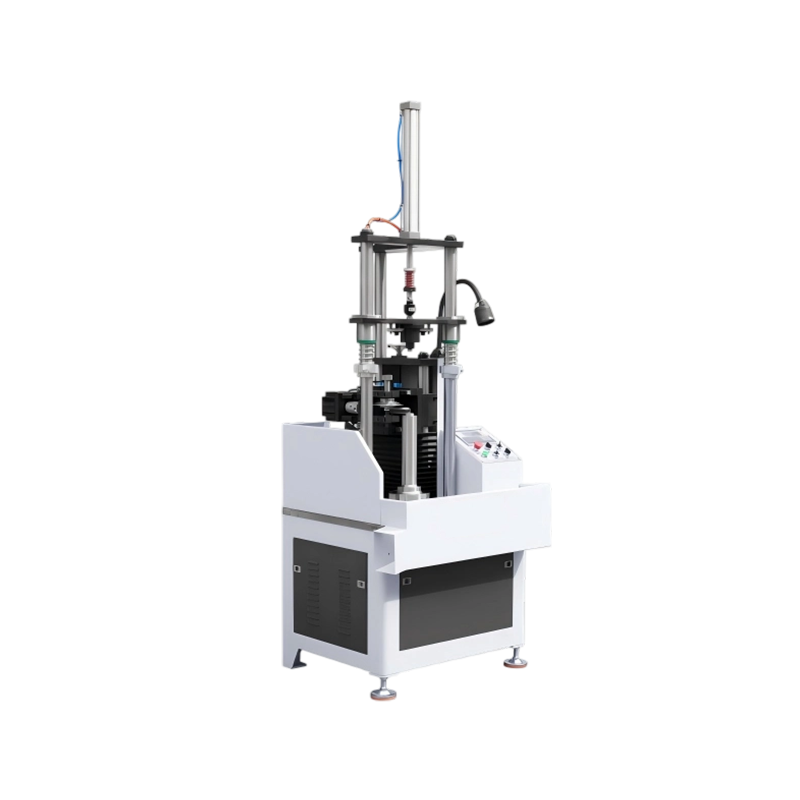
The CNC Rim Neck Cutting Machine is a high-precision, fully automated equipment designed for cutting and trimming the wa...
See Details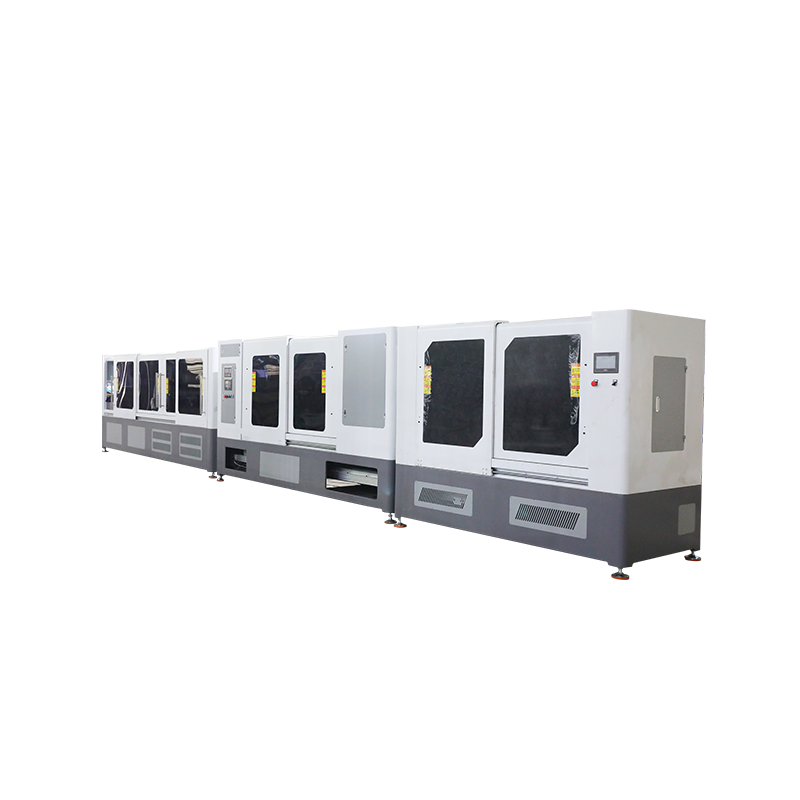
The Fully Automatic Pipe Drawing Machine for Thermos is a precision-engineered production system. It integrates laser pi...
See Details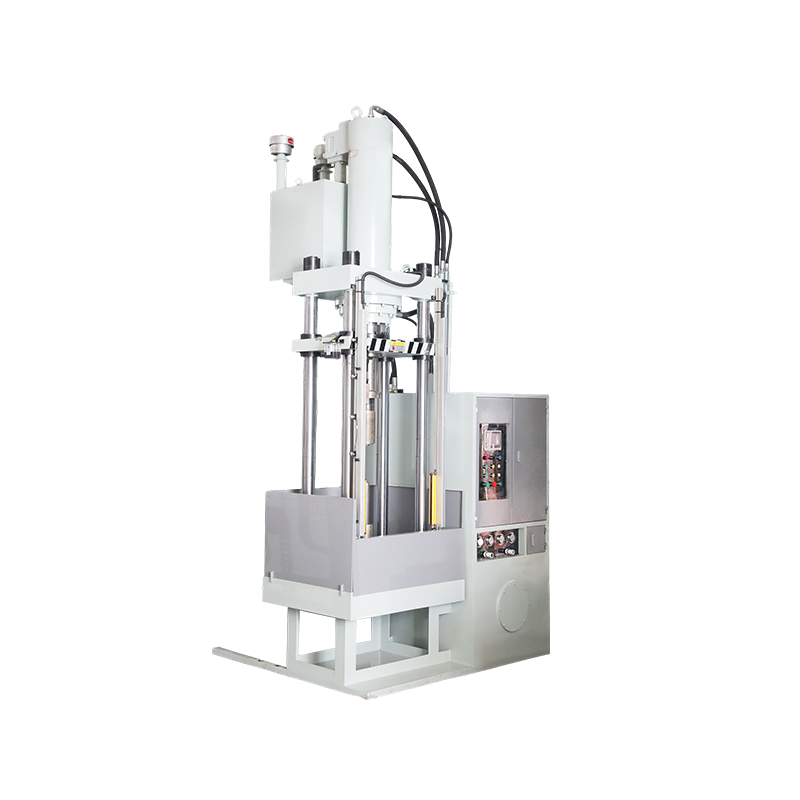
The Water Bulging Bottle Making Machine is made for the precision forming process of both the outer shell and inner line...
See Details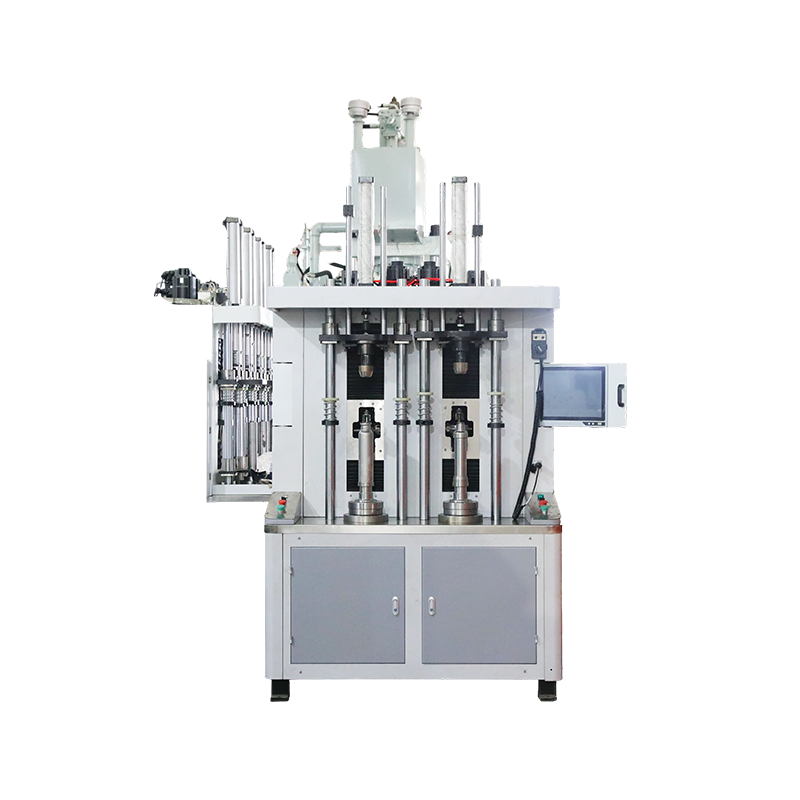
The Double Station CNC Tube End Shrinking Machine is designed for the spinning and compressing process of cup and pot mo...
See Details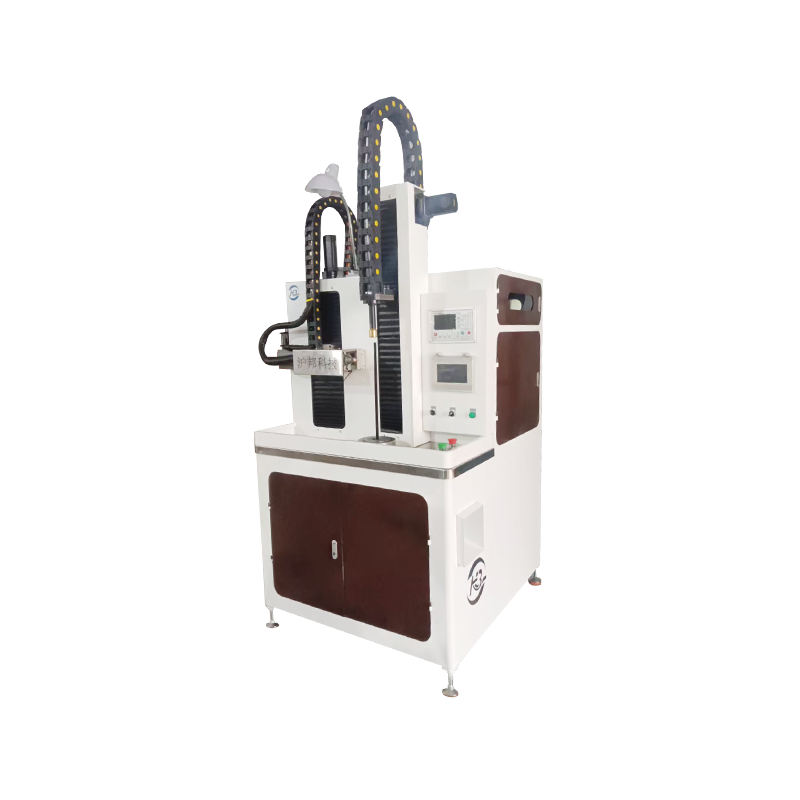
The Laser Bottle Flask Dividing Machine is designed for precision processing of various cup and pot components, includin...
See Details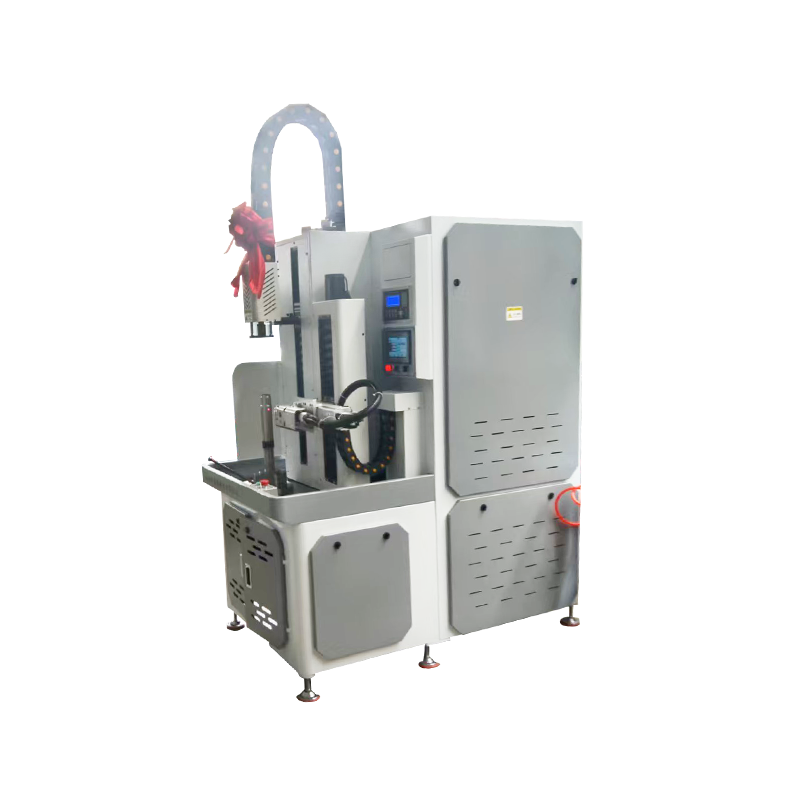
The Automatic Laser End Cutting Machine for Vacuum Flask is a high-precision equipment designed for efficient cutting of...
See Details
Yongkang Hubang Machinery Technology Co., Ltd.

No. 223, Chengxin Road, Economic Development Zone, Dongcheng Street, Yongkang City, Jinhua City, Zhejiang Province, China
Copyright © Yongkang Hubang Machinery Technology Co., Ltd.

Stainless Steel Flask Making Machine Supplier


