 English
 русский

The CNC Pipe Cutting Machine is designed for high-precision cutting of stainless steel pipes, especially suited for cup ...
See Details
In modern manufacturing, a Fully Automatic Stainless Steel Thermos Making Machine relies heavily on integrated quality control systems to ensure every thermos bottle meets strict insulation standards. One of the critical quality indicators is vacuum sealing performance, which directly determines heat retention capability.
In a fully automated production environment, vacuum testing is no longer a manual inspection task. Instead, it is embedded within the production line itself, allowing real-time detection of sealing defects without slowing down mass production. An automatic stainless steel thermos making machine typically integrates multiple testing modules after the forming and sealing stages to ensure every unit is verified before packaging.
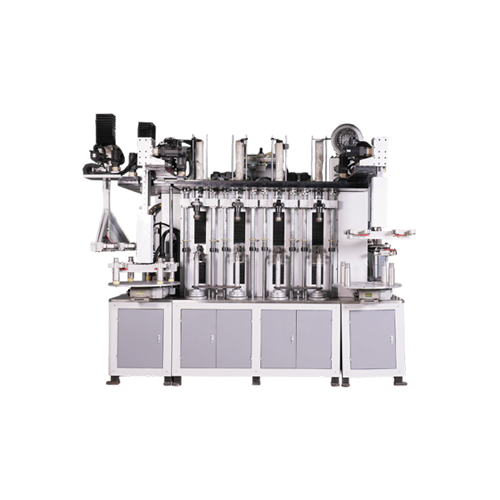
The vacuum testing system is generally connected to:
Even upstream equipment, such as a Stainless Steel Thermos Cutting Machine, indirectly affects vacuum performance by ensuring precise edge trimming and consistent material geometry before welding begins.
Vacuum insulation is the core function of a thermos bottle. Without proper vacuum sealing, heat transfer increases significantly, reducing the product’s ability to maintain temperature.
In automated production lines, failure to detect sealing issues can cause:
Therefore, a Fully Automatic Thermos Making Machine must ensure that vacuum integrity is verified immediately after sealing and before final assembly.
Key reasons vacuum testing is essential include:
Automated vacuum testing systems are highly precise and rely on multiple detection technologies working together. In most production lines, the process is fully integrated and synchronized with conveyor movement.
Common detection methods include:
1. Helium Leak Detection
Helium gas is introduced into the cavity, and sensors detect leakage levels. This method is extremely sensitive and suitable for high-end thermos production.
2. Pressure Decay Testing
The internal vacuum chamber is monitored for pressure changes over time. If pressure rises, it indicates a sealing defect.
3. Thermal Response Testing
Temperature retention is observed over a controlled period to verify insulation performance indirectly.
4. Acoustic Emission Testing
Micro-leaks produce sound waves when pressure differences exist, which are captured by ultrasonic sensors.
These systems are often embedded into an Automatic Stainless Steel Thermos Making Machine, allowing continuous inspection without manual intervention.
In a modern automated factory, vacuum testing is not a standalone process but part of a continuous production flow. The system is typically positioned after welding and sealing, and before polishing or final assembly.
A typical integration flow includes:
Step 1: Forming and shaping of stainless steel shells
Step 2: Welding and sealing of inner and outer layers
Step 3: Initial cooling and stabilization
Step 4: Vacuum leak detection station
Step 5: Automated rejection or acceptance sorting
At this stage, a Fully Automatic Stainless Steel Thermos Making Machine communicates directly with the testing system via PLC control. If a defect is detected, the system automatically:
This ensures zero disruption in production speed while maintaining strict quality control.
Although vacuum sealing is primarily determined at the welding stage, upstream processes significantly influence final performance. A Stainless Steel Thermos Cutting Machine plays a critical role in preparing raw materials with high precision.
If cutting accuracy is poor, the following problems may occur:
To prevent this, modern cutting systems ensure:
High-precision CNC edge trimming
By improving initial material quality, the likelihood of vacuum failure in later stages is significantly reduced.
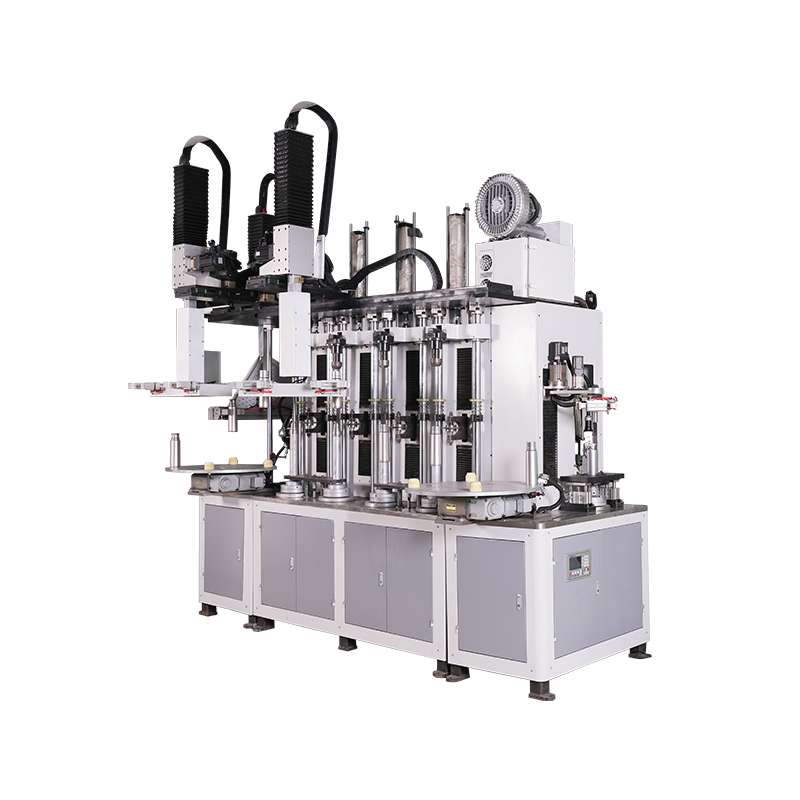
Automation in vacuum testing depends heavily on sensor integration and programmable logic controllers (PLC). These systems ensure real-time monitoring and instant response.
Key components include:
In an Automatic Stainless Steel Thermos Making Machine, these systems work together to ensure:
Automated systems are designed to identify a wide range of vacuum-related defects, including both visible and invisible issues.
Common defects include:
These defects are often undetectable by human inspection but are easily identified by automated systems integrated into a Fully Automatic Thermos Making Machine.
One of the biggest advantages of automation is continuous improvement through data collection. Every vacuum test generates valuable production data that can be analyzed to optimize future output.
Collected data includes:
Manufacturers use this data to:
Over time, this feedback loop significantly enhances the efficiency of the entire production line.
Manual vacuum testing is not only time-consuming but also prone to inconsistency. Automation eliminates these issues by standardizing every step of the process.
Key benefits include:
In a Fully Automatic Stainless Steel Thermos Making Machine, human involvement is limited to monitoring and system maintenance, rather than direct inspection.
The future of vacuum sealing detection lies in intelligent manufacturing and AI-driven quality control. Advanced systems are already being developed with predictive capabilities.
Future trends include:
These innovations will further enhance the performance of automated production lines and reduce defect rates to near-zero levels.
Vacuum sealing quality is the critical factor in thermos performance, and automated production lines ensure it is verified with precision and consistency. Through integrated sensor systems, PLC control, and real-time data analysis, modern manufacturing achieves high reliability and efficiency.
A Fully Automatic Thermos Making Machine, combined with precise upstream equipment like a Stainless Steel Thermos Cutting Machine, ensures that every stage contributes to vacuum integrity. Meanwhile, advanced detection systems embedded in an Automatic Stainless Steel Thermos Making Machine guarantee that no defective product enters the market.
Automated vacuum testing transforms quality control from a manual checkpoint into a continuous intelligent process, ensuring long-lasting insulation performance and stable industrial output.
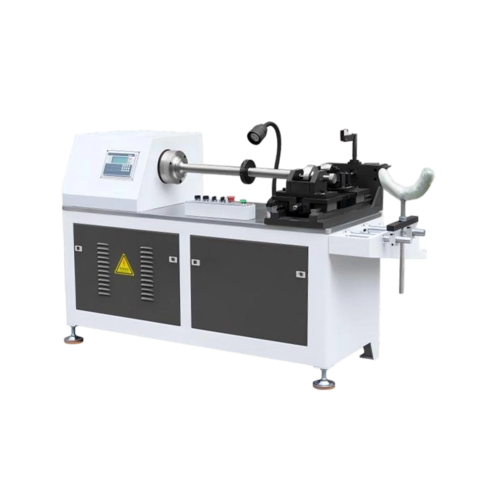
The CNC Pipe Cutting Machine is designed for high-precision cutting of stainless steel pipes, especially suited for cup ...
See Details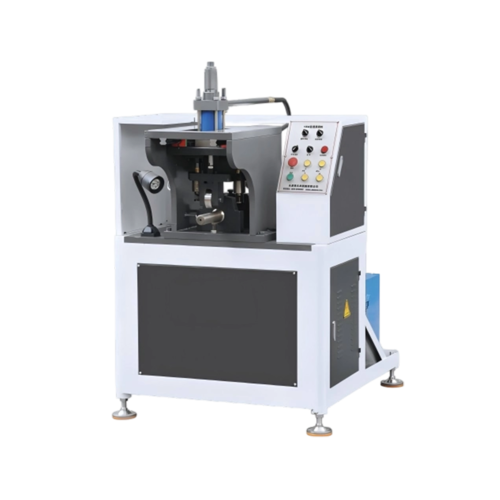
The Hydraulic Welding Seam Flatten Rolling Machine is a specialized piece of equipment designed for rolling and leveling...
See Details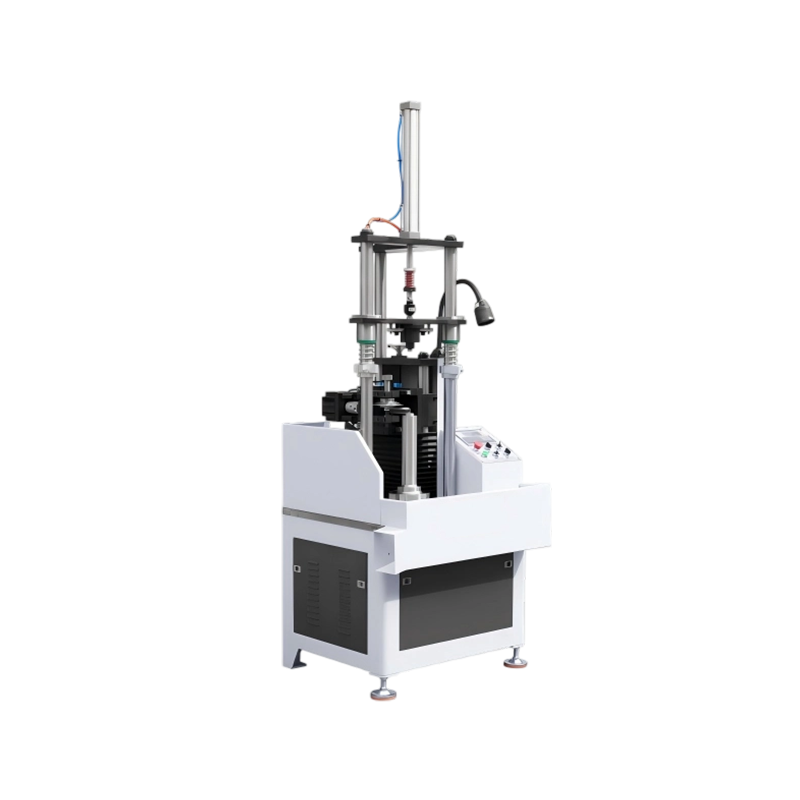
The CNC Rim Neck Cutting Machine is a high-precision, fully automated equipment designed for cutting and trimming the wa...
See Details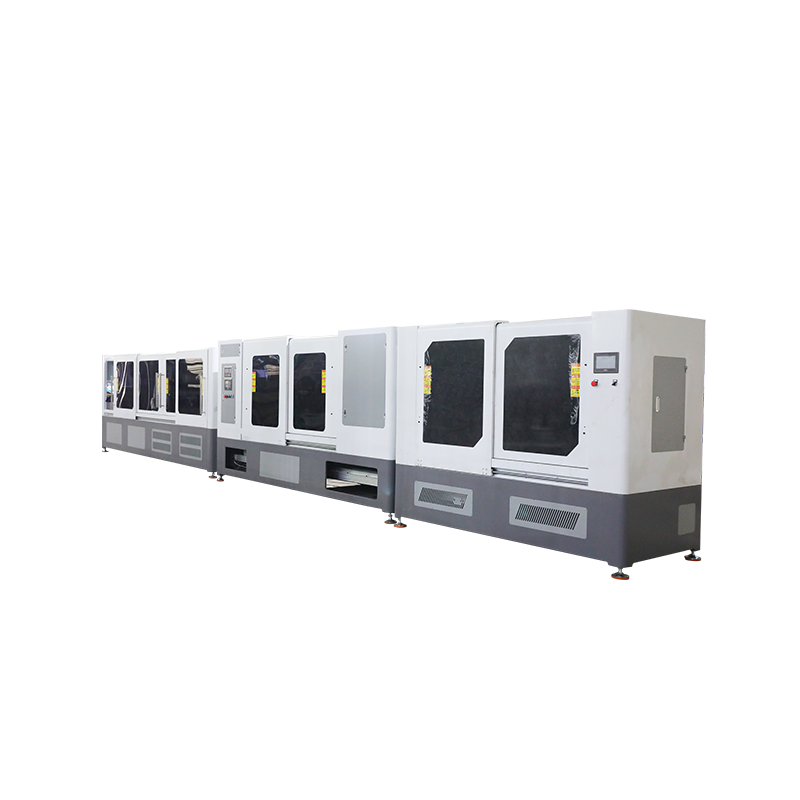
The Fully Automatic Pipe Drawing Machine for Thermos is a precision-engineered production system. It integrates laser pi...
See Details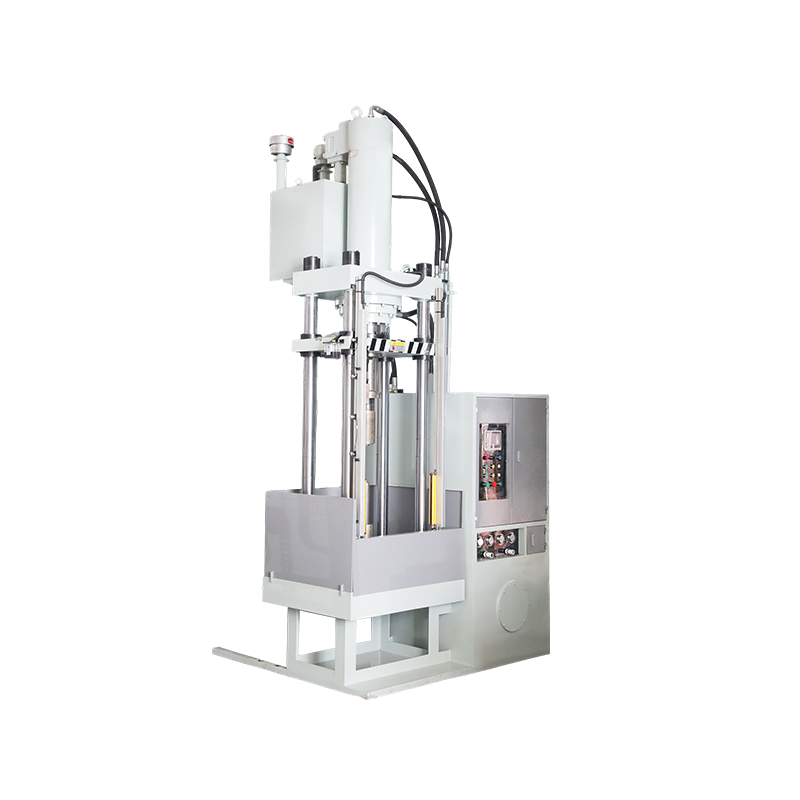
The Water Bulging Bottle Making Machine is made for the precision forming process of both the outer shell and inner line...
See Details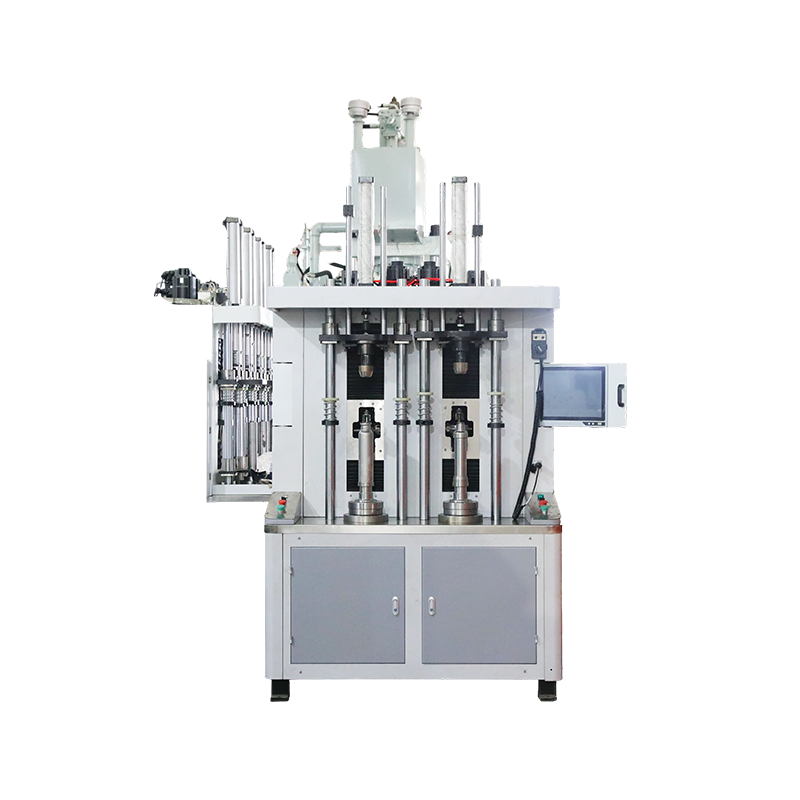
The Double Station CNC Tube End Shrinking Machine is designed for the spinning and compressing process of cup and pot mo...
See Details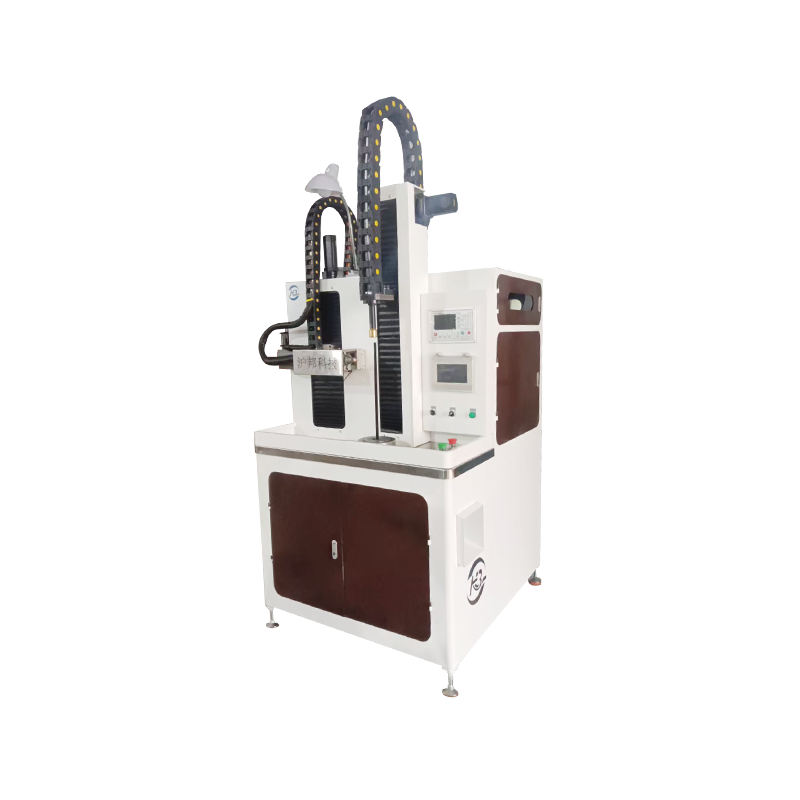
The Laser Bottle Flask Dividing Machine is designed for precision processing of various cup and pot components, includin...
See Details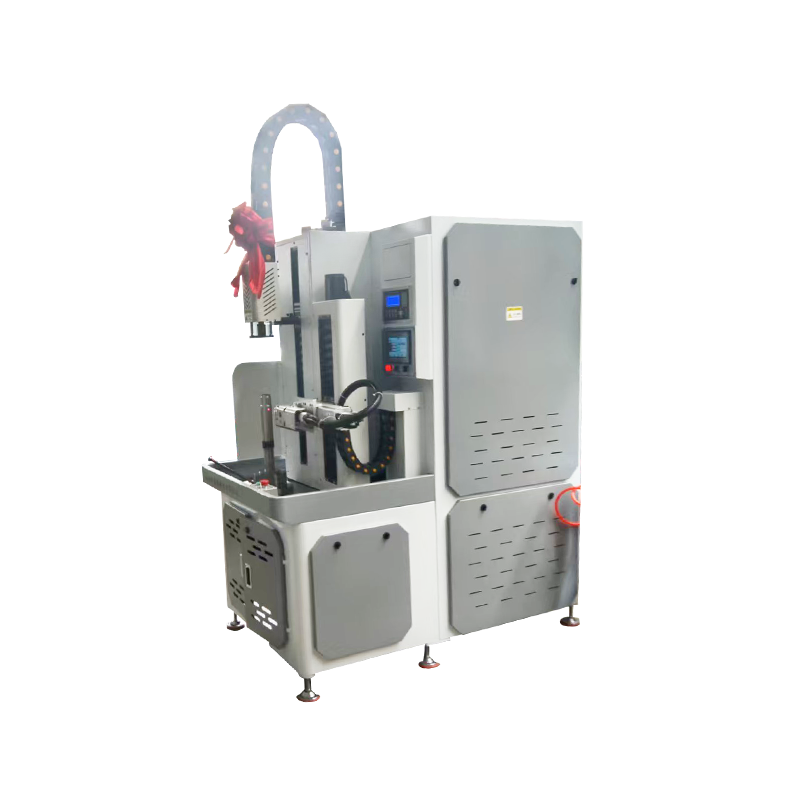
The Automatic Laser End Cutting Machine for Vacuum Flask is a high-precision equipment designed for efficient cutting of...
See Details
Yongkang Hubang Machinery Technology Co., Ltd.

No. 223, Chengxin Road, Economic Development Zone, Dongcheng Street, Yongkang City, Jinhua City, Zhejiang Province, China
Copyright © Yongkang Hubang Machinery Technology Co., Ltd.

Stainless Steel Flask Making Machine Supplier


