 English
 русский

The CNC Pipe Cutting Machine is designed for high-precision cutting of stainless steel pipes, especially suited for cup ...
See Details
In modern stainless steel thermos manufacturing, surface finishing is one of the critical processes determining product hygiene, durability, and thermal performance. When comparing an Electrolysis Thermos Inner Wall Rough Drying Polishing Machine with traditional mechanical polishing systems, the differences are not only technological but also structural and chemical in nature.
An Electrolysis Inner Wall Polishing Machine uses an electrochemical reaction to remove microscopic surface material, while traditional mechanical polishing relies on physical abrasion. This fundamental difference leads to variations in surface quality, efficiency, and long-term performance.
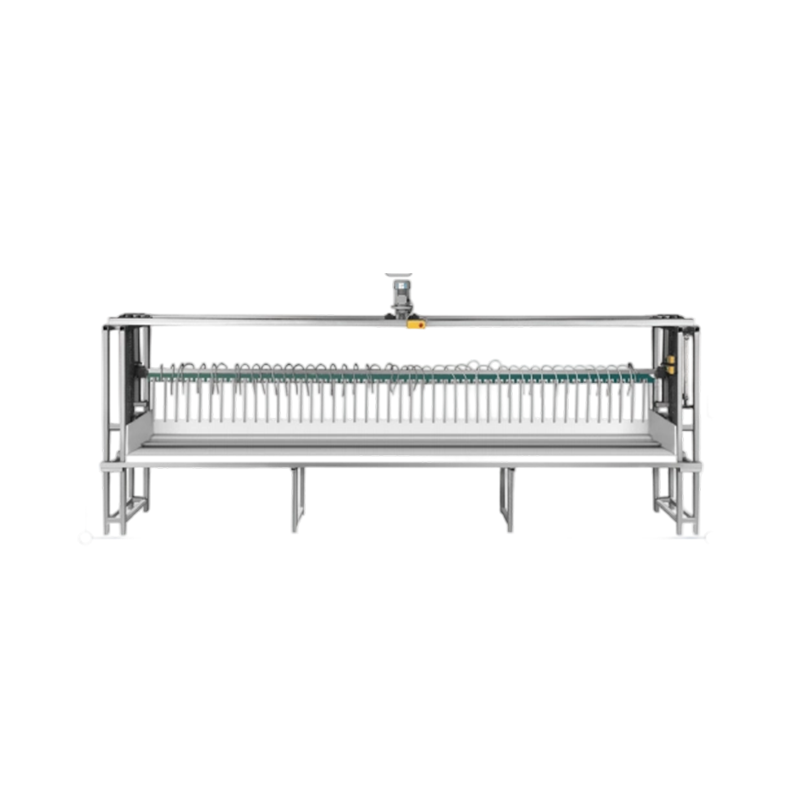
In practical production environments, an Inner Wall Rough Drying Polishing Machine is often used as an intermediate or alternative solution, depending on factory scale and product requirements.
The key differences can be summarized as:
Understanding these distinctions is essential for manufacturers selecting the right finishing technology.
Electrolysis polishing is based on controlled electrochemical dissolution. In a Thermos Inner Wall Polishing Machine, the stainless steel thermos inner wall acts as the anode in an electrolytic solution, while a cathode completes the circuit.
The process involves:
Key advantages of electrolysis polishing include:
In an Electrolysis Inner Wall Polishing Machine, the process is highly controlled by electrical parameters such as voltage, current density, and processing time. This ensures repeatable and stable output quality across large production batches.
Traditional mechanical polishing relies on abrasive force to physically remove surface irregularities. This is typically achieved using grinding wheels, polishing belts, abrasive compounds, or rotating brushes.
In an Inner Wall Rough Drying Polishing Machine, the process usually includes:
The working principle is straightforward:
However, mechanical polishing has inherent limitations:
Despite these limitations, mechanical systems remain widely used due to lower equipment cost and simpler maintenance.
Surface quality is one of the noticeable differences between electrolysis and mechanical polishing.
In electrolysis-based systems, such as an Electrolysis Inner Wall Polishing Machine, the surface outcome is:
In contrast, mechanical polishing produces:
A Thermos Inner Wall Polishing Machine using electrolysis is especially beneficial for high-end vacuum flasks where hygiene and aesthetics are critical. Mechanical systems, while effective, may require multiple polishing stages to achieve similar visual results.
Production efficiency is another key factor in industrial selection.
Electrolysis systems integrated into an Electrolysis Inner Wall Polishing Machine typically offer:
Mechanical polishing systems, such as those used in an Inner Wall Rough Drying Polishing Machine, often require:
While mechanical systems can be faster in simple tasks, electrolysis becomes more efficient for high-volume, high-consistency production environments.
Material integrity is a crucial consideration in thermos manufacturing.
Electrolysis polishing:
Mechanical polishing:
A Thermos Inner Wall Polishing Machine based on electrolysis ensures that the stainless steel retains its structural stability, which is essential for vacuum insulation performance and long-term durability.
Operational cost is an important factor for factory decision-making.
Electrolysis systems require:
Mechanical polishing systems require:
While electrolysis systems may have higher initial setup complexity, they often reduce long-term labor and consumable costs compared to traditional mechanical systems used in an Inner Wall Rough Drying Polishing Machine setup.
Environmental impact is increasingly important in modern manufacturing.
Electrolysis polishing:
Mechanical polishing:
Therefore, an Electrolysis Inner Wall Polishing Machine is generally considered more environmentally friendly when properly managed.
Different production requirements determine which technology is more suitable.
Electrolysis polishing is preferred for:
Mechanical polishing is commonly used for:
In many factories, both systems are combined to achieve a suitable balance between cost and quality in a Thermos Inner Wall Polishing Machine production line.
Yes, hybrid systems are increasingly common in advanced manufacturing environments.
A combined process may include:
This hybrid approach allows manufacturers to:
Many modern Inner Wall Rough Drying Polishing Machine setups are being upgraded to include electrolysis modules for improved competitiveness.
The difference between electrolysis and traditional mechanical polishing is not simply about tools or methods, but about the entire philosophy of surface treatment.
Electrolysis systems, such as an Electrolysis Inner Wall Polishing Machine, provide good uniformity, corrosion resistance, and precision. Mechanical systems, like an Inner Wall Rough Drying Polishing Machine, remain valuable for cost-efficient and high-speed rough finishing.
Ultimately, manufacturers must balance:
A well-designed Thermos Inner Wall Polishing Machine production strategy often combines both technologies to achieve suitable results. By understanding their differences, manufacturers can build more efficient, stable, and competitive thermos production lines in the global market.
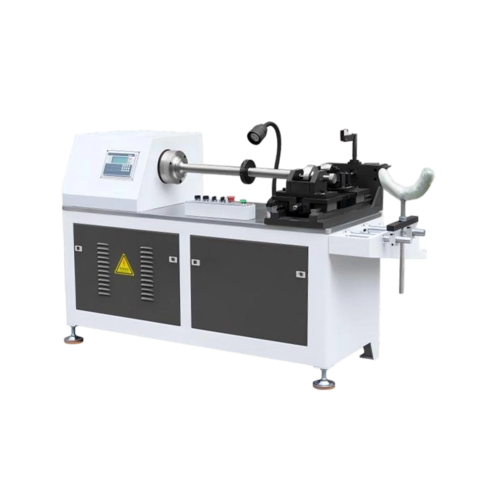
The CNC Pipe Cutting Machine is designed for high-precision cutting of stainless steel pipes, especially suited for cup ...
See Details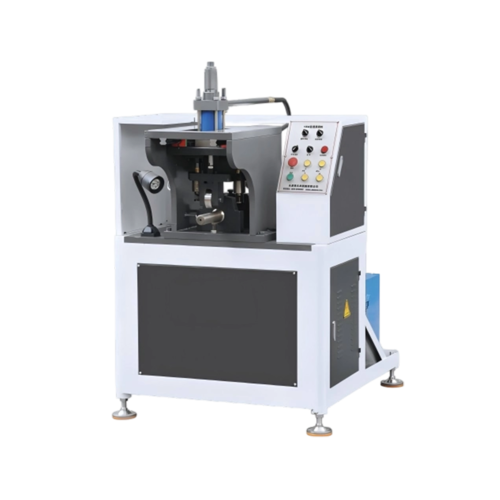
The Hydraulic Welding Seam Flatten Rolling Machine is a specialized piece of equipment designed for rolling and leveling...
See Details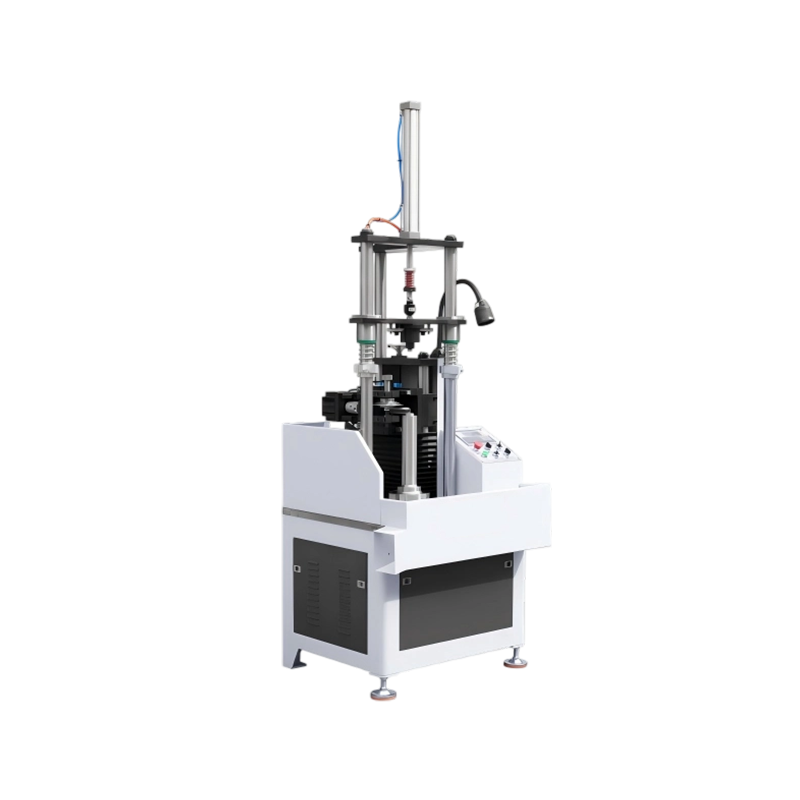
The CNC Rim Neck Cutting Machine is a high-precision, fully automated equipment designed for cutting and trimming the wa...
See Details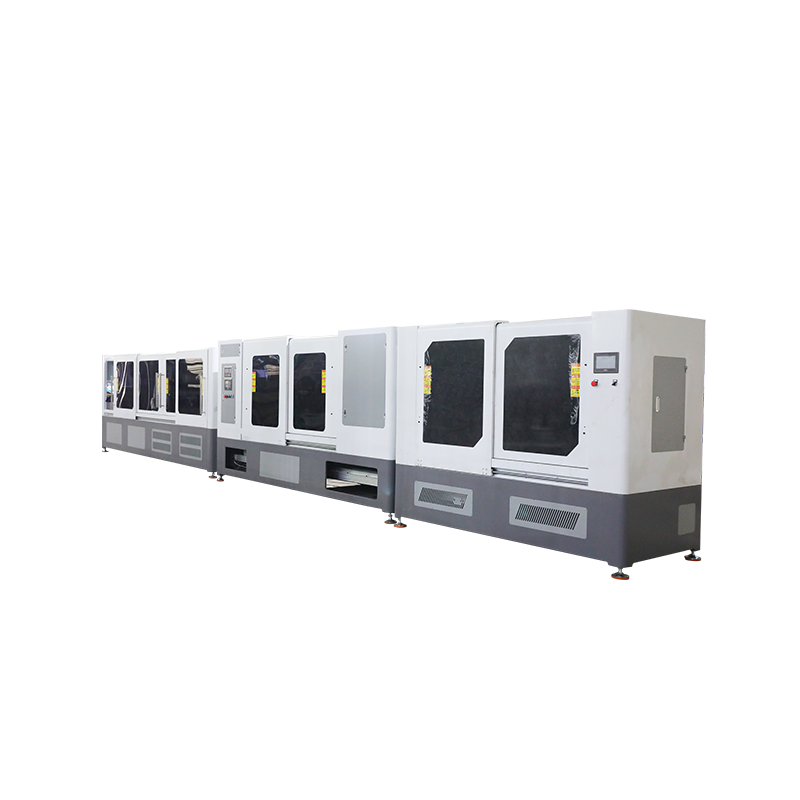
The Fully Automatic Pipe Drawing Machine for Thermos is a precision-engineered production system. It integrates laser pi...
See Details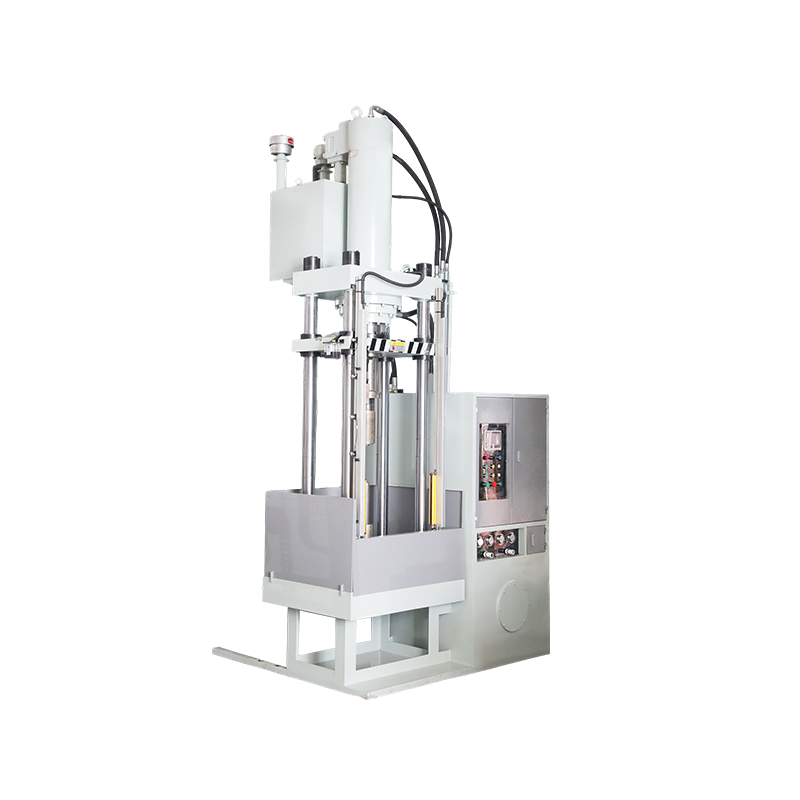
The Water Bulging Bottle Making Machine is made for the precision forming process of both the outer shell and inner line...
See Details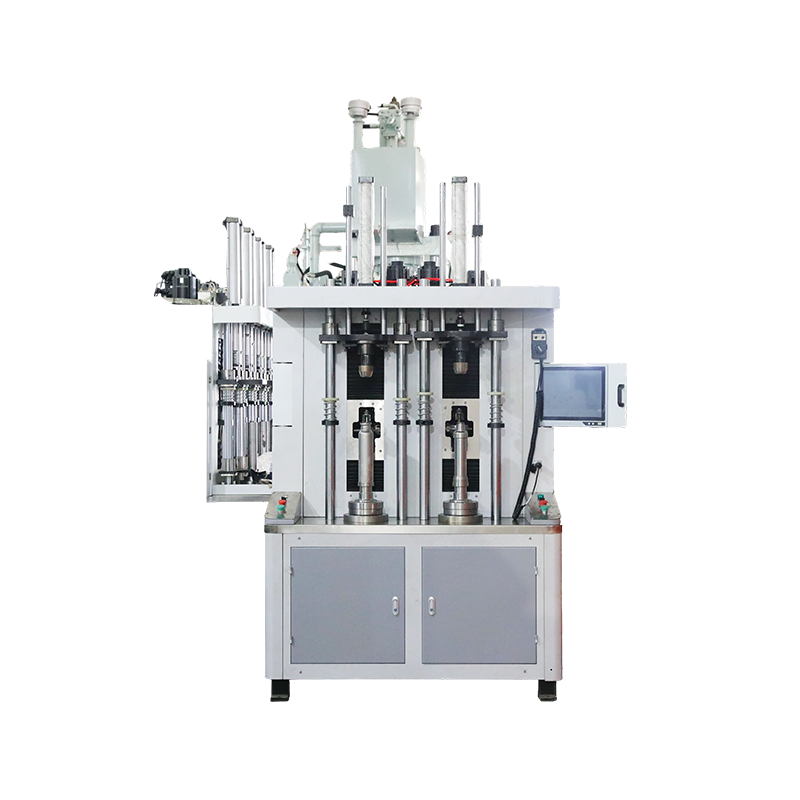
The Double Station CNC Tube End Shrinking Machine is designed for the spinning and compressing process of cup and pot mo...
See Details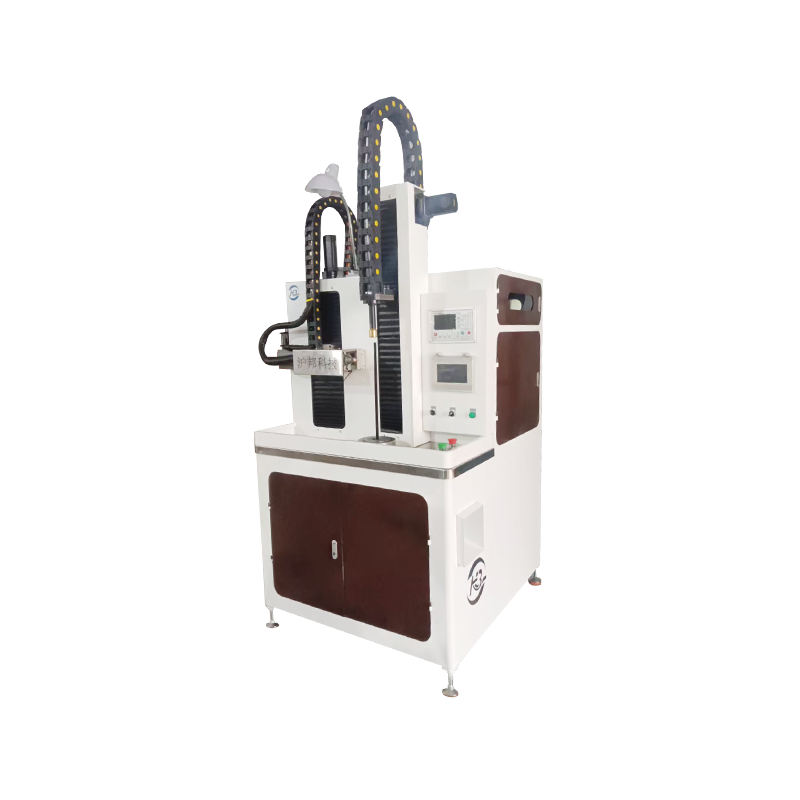
The Laser Bottle Flask Dividing Machine is designed for precision processing of various cup and pot components, includin...
See Details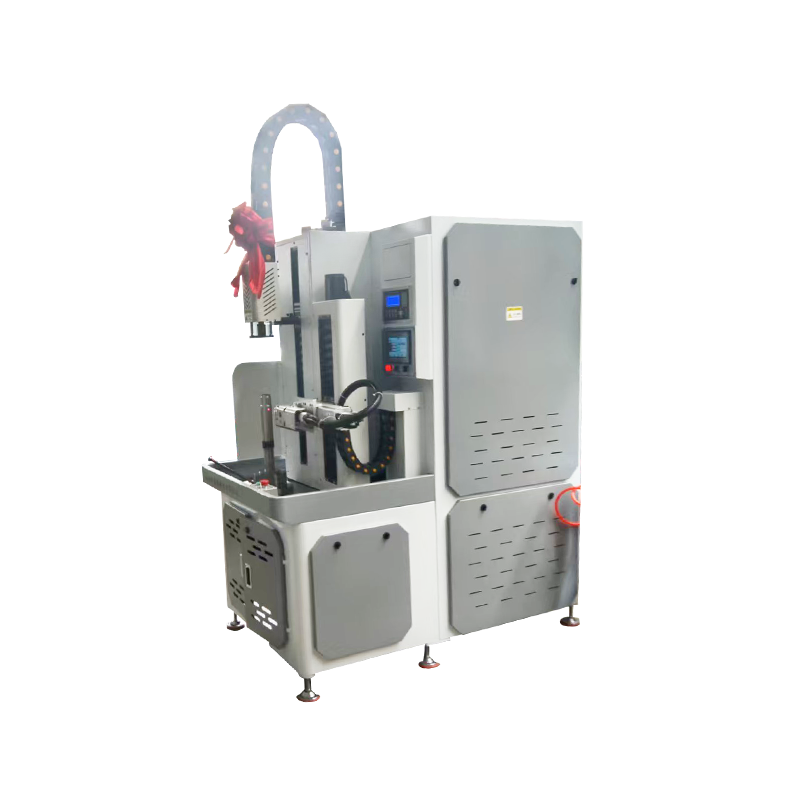
The Automatic Laser End Cutting Machine for Vacuum Flask is a high-precision equipment designed for efficient cutting of...
See Details
Yongkang Hubang Machinery Technology Co., Ltd.

No. 223, Chengxin Road, Economic Development Zone, Dongcheng Street, Yongkang City, Jinhua City, Zhejiang Province, China
Copyright © Yongkang Hubang Machinery Technology Co., Ltd.

Stainless Steel Flask Making Machine Supplier


