 English
 русский

The CNC Pipe Cutting Machine is designed for high-precision cutting of stainless steel pipes, especially suited for cup ...
See Details
In an Industrial Stainless Steel Semi-Automatic Thermos Making Machine, the coordination between heating, stretching, and forming systems is the core of the entire production process. These three subsystems are not independent; instead, they operate in a tightly synchronized cycle that determines the final quality, structural strength, and thermal performance of the thermos body.
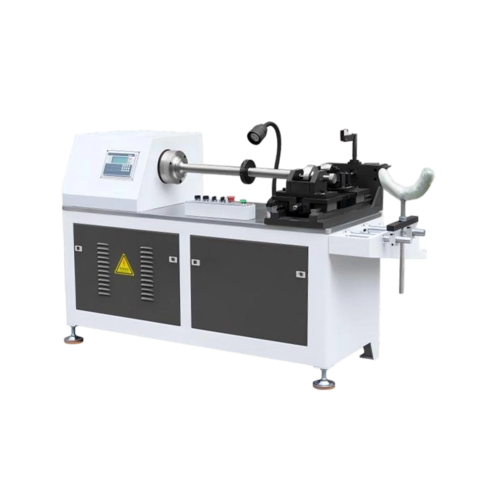
A Semi-Automatic Thermos Making Machine relies on operator-assisted control combined with automated mechanical precision. Meanwhile, a Stainless Steel Thermos Making Machine must ensure that stainless steel sheets or tubes undergo controlled deformation without cracking, thinning irregularly, or losing corrosion resistance.
The coordination process can be summarized as:
When these three systems are perfectly synchronized in an Industrial Thermos Making Machine, manufacturers achieve high efficiency, stable quality, and reduced material waste.
The heating system is the first and most critical stage in thermos manufacturing. Stainless steel, due to its high strength and low thermal conductivity, requires controlled heating before it can be effectively shaped.
In a Semi-Automatic Thermos Making Machine, the heating system typically includes electric heating coils, infrared heating units, or induction heating modules. Its primary functions include:
If heating is uneven, several defects may occur:
In an Industrial Stainless Steel Semi-Automatic Thermos Making Machine, temperature sensors and feedback loops are often used to maintain precise thermal balance. This ensures the stainless steel reaches an optimal forming temperature window before moving to the next stage.
The stretching system is responsible for converting flat or tubular stainless steel blanks into elongated or partially shaped thermos bodies. This stage requires controlled force application to avoid deformation defects.
In a Stainless Steel Thermos Making Machine, the stretching system generally includes hydraulic cylinders, servo-driven actuators, and mechanical dies. Its key roles are:
Important control parameters include:
In modern Industrial Thermos Making Machine systems, real-time load sensors are often integrated to ensure that stretching force remains consistent. This helps avoid asymmetrical deformation, which is a common issue in semi-automatic production environments.
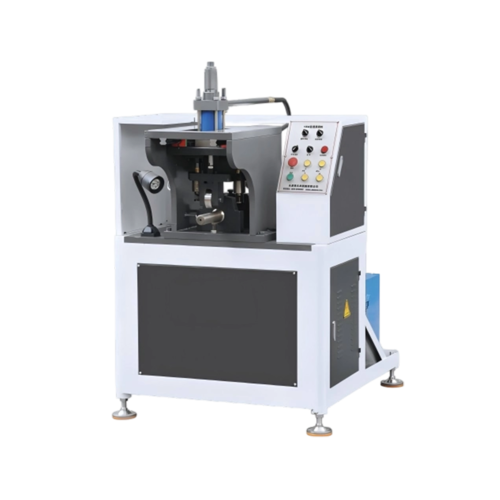
After heating and stretching, the forming system gives the thermos its final geometry. This is the stage where precision directly impacts product usability and market quality.
The forming system in a Semi-Automatic Thermos Making Machine typically includes precision molds, hydraulic pressing units, and cooling fixtures. Its main responsibilities are:
Key factors influencing forming quality:
In a Stainless Steel Thermos Making Machine, improper forming can lead to:
Therefore, forming is not just a shaping step—it is a structural stabilization process that defines the final product performance.
The most important aspect of thermos manufacturing is not just each individual system, but how they work together in a synchronized production cycle.
In an Industrial Thermos Making Machine, synchronization ensures that:
Without synchronization, the following problems may occur:
To maintain synchronization, modern systems use:
This integrated control ensures that every stage transitions smoothly without disrupting material stability.
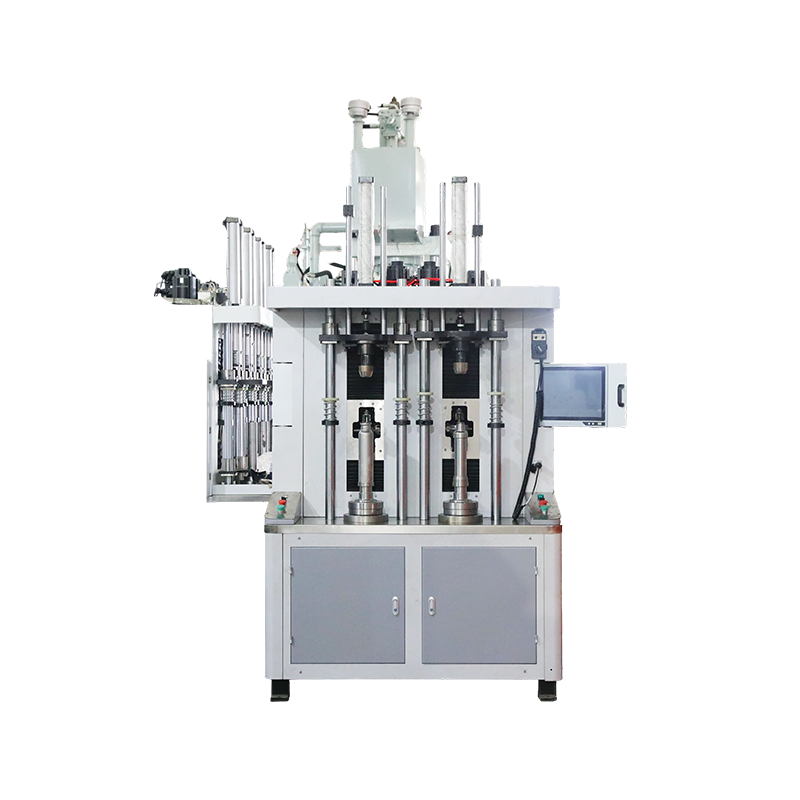
A key advantage of a Semi-Automatic Thermos Making Machine is its balance between automation precision and operator flexibility. Unlike fully automatic systems, semi-automatic machines allow manual intervention when needed.
Benefits include:
Operators typically manage:
This flexibility makes the Industrial Stainless Steel Semi-Automatic Thermos Making Machine ideal for manufacturers producing multiple product variations in one production line.
Even in advanced systems, coordination issues may occur between heating, stretching, and forming stages.
Common problems include:
These issues can result in:
To solve these problems, manufacturers often implement:
In a well-maintained Industrial Thermos Making Machine, these issues can be minimized significantly.
Long-term efficiency depends on both machine performance and operational discipline. To maximize output quality, manufacturers should focus on:
Additionally, data-driven optimization is becoming more common. Modern systems collect performance data from heating, stretching, and forming stages to:
The synergy between heating, stretching, and forming systems is the foundation of high-quality thermos production. In a Semi-Automatic Thermos Making Machine, each stage must operate with precise timing and controlled parameters to ensure product consistency.
A well-designed Industrial Thermos Making Machine ensures:
Ultimately, when these three systems operate in harmony, manufacturers can achieve high efficiency, low defect rates, and superior product durability. The success of modern thermos manufacturing depends not on a single process, but on the seamless coordination of all three core systems working as one integrated production flow.
The CNC Pipe Cutting Machine is designed for high-precision cutting of stainless steel pipes, especially suited for cup ...
See Details
The Hydraulic Welding Seam Flatten Rolling Machine is a specialized piece of equipment designed for rolling and leveling...
See Details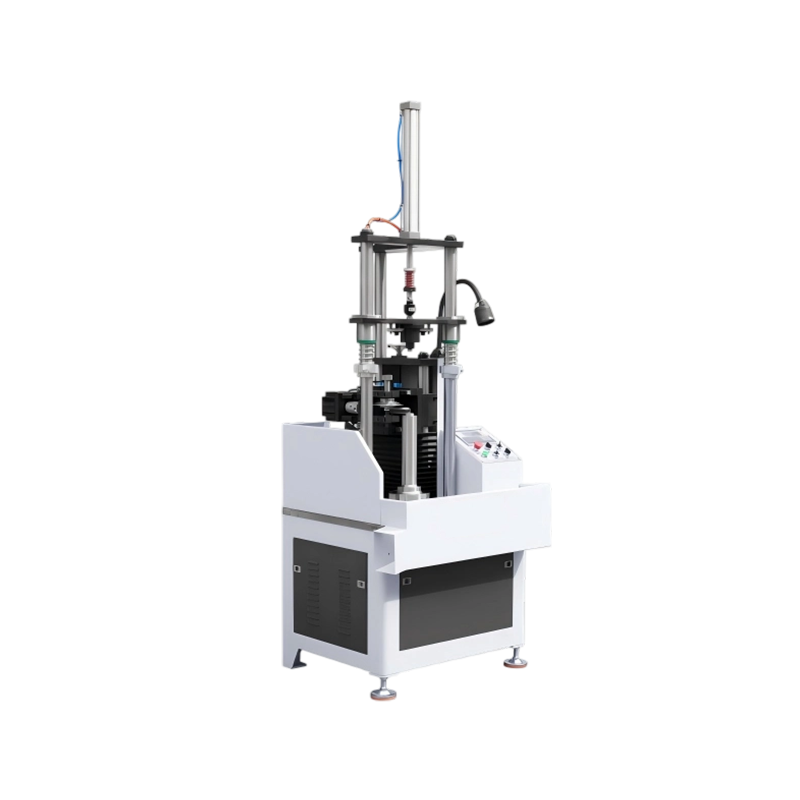
The CNC Rim Neck Cutting Machine is a high-precision, fully automated equipment designed for cutting and trimming the wa...
See Details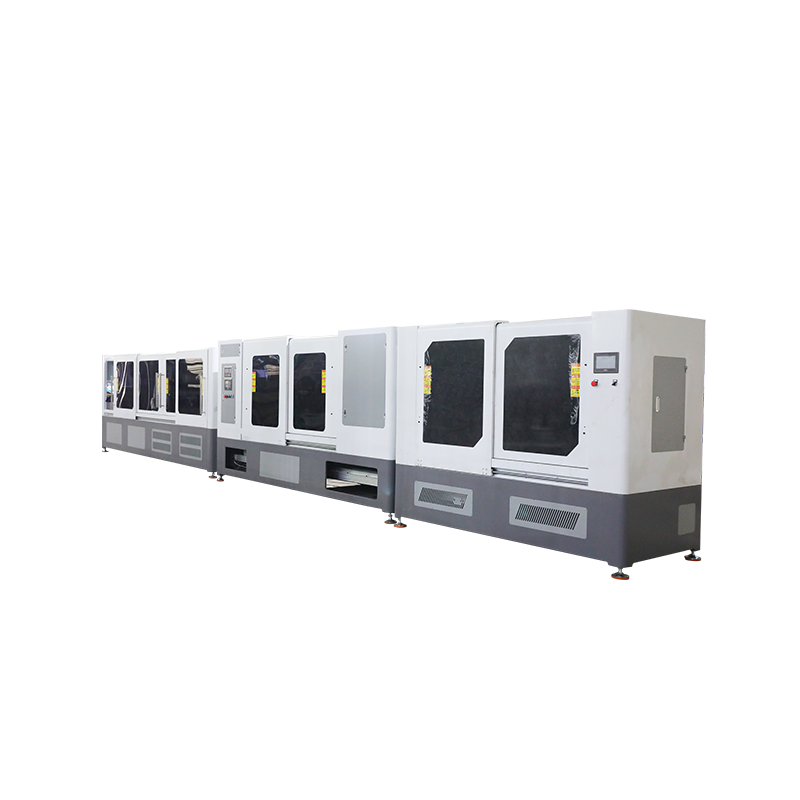
The Fully Automatic Pipe Drawing Machine for Thermos is a precision-engineered production system. It integrates laser pi...
See Details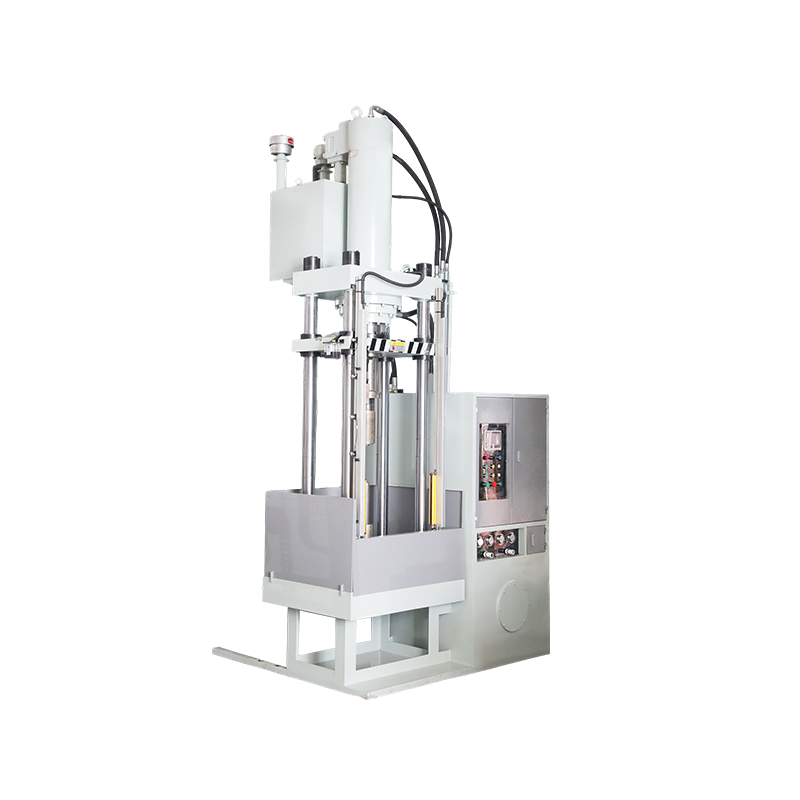
The Water Bulging Bottle Making Machine is made for the precision forming process of both the outer shell and inner line...
See Details
The Double Station CNC Tube End Shrinking Machine is designed for the spinning and compressing process of cup and pot mo...
See Details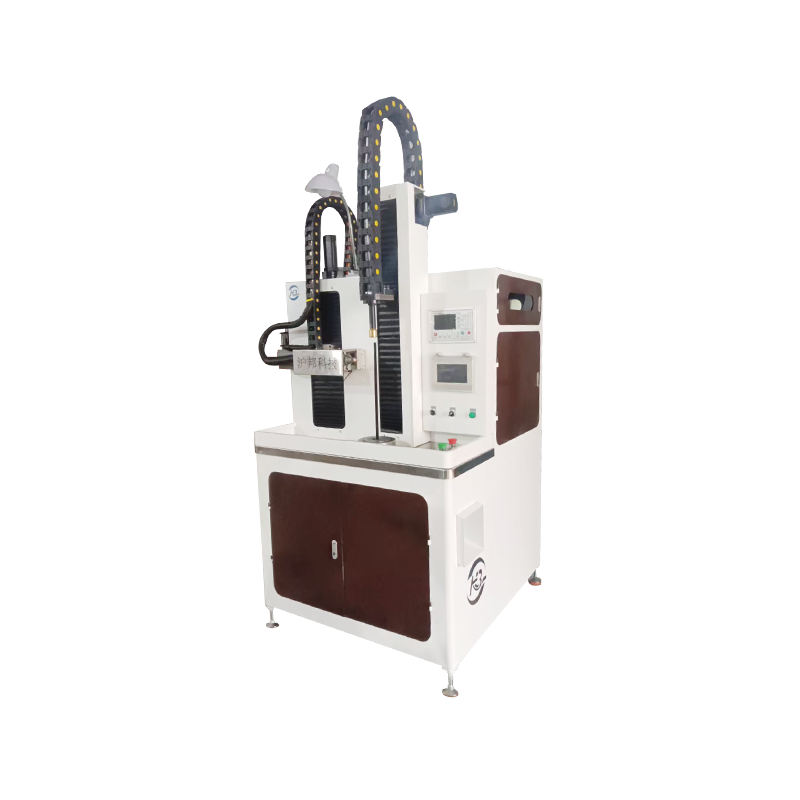
The Laser Bottle Flask Dividing Machine is designed for precision processing of various cup and pot components, includin...
See Details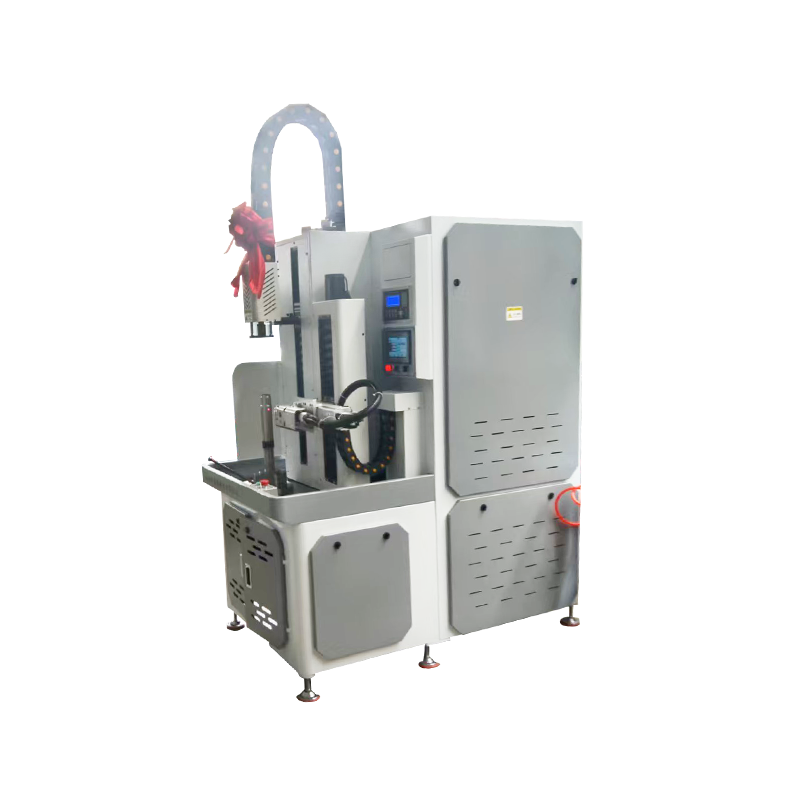
The Automatic Laser End Cutting Machine for Vacuum Flask is a high-precision equipment designed for efficient cutting of...
See Details
Yongkang Hubang Machinery Technology Co., Ltd.

No. 223, Chengxin Road, Economic Development Zone, Dongcheng Street, Yongkang City, Jinhua City, Zhejiang Province, China
Copyright © Yongkang Hubang Machinery Technology Co., Ltd.

Stainless Steel Flask Making Machine Supplier


