 English
 русский

The CNC Pipe Cutting Machine is designed for high-precision cutting of stainless steel pipes, especially suited for cup ...
See Details
Uneven grinding in a CNC 2 Stations Bottle Mouth Shaping Grinding Machine is a common issue that can significantly affect product quality, especially in industries requiring high precision, such as beverage packaging, thermos manufacturing, and metal container production. When surface inconsistency occurs, it often causes poor sealing performance, dimensional deviation, and increased rejection rates.
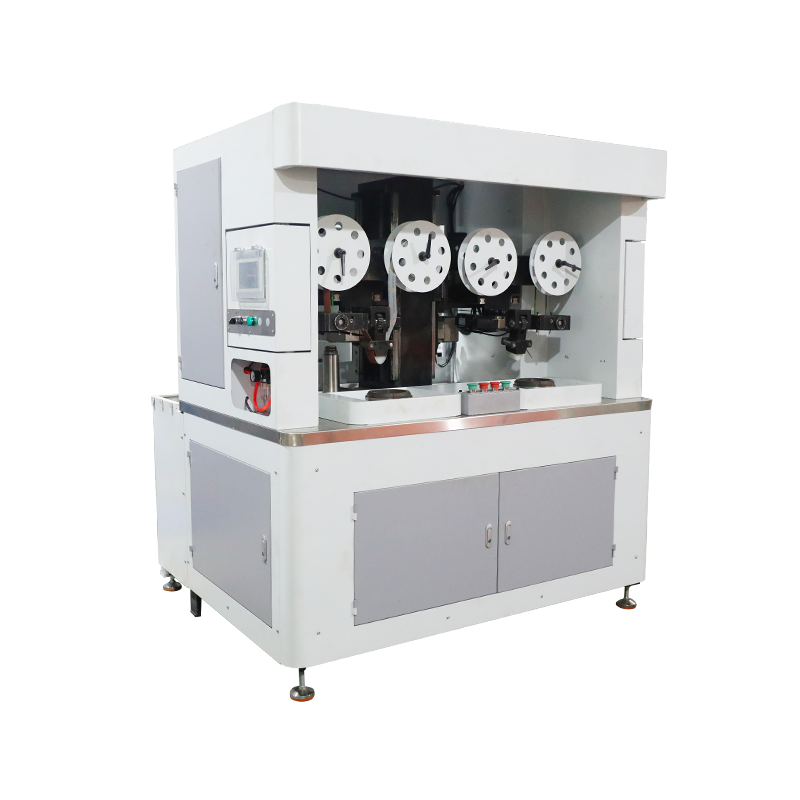
In most cases, uneven grinding is not caused by a single factor but by a combination of mechanical, electrical, and operational issues within the system. For example, a 2 Station CNC Bottle Mouth Grinding Machine may experience imbalance between stations, while a CNC Bottle Mouth Shaping Machine may suffer from tooling wear or improper calibration.
The common root causes include:
Understanding these causes is one step toward effective troubleshooting and long-term process stability.
Machine alignment plays a critical role in ensuring consistent grinding results in any 2 Stations CNC Shaping Machine system. If even a slight deviation exists between the spindle axis and the workpiece fixture, uneven contact pressure will occur.
Key alignment-related issues include:
To correct these problems, operators should:
A properly aligned system ensures that both stations of the 2 Station CNC Bottle Mouth Grinding Machine operate under identical mechanical conditions, reducing variability and improving consistency.
Tooling condition is one of the influential factors in grinding quality. In a CNC Bottle Mouth Shaping Machine, grinding wheels are continuously exposed to friction, heat, and abrasive particles, which gradually degrade their performance.
Common tool-related issues include:
When tools degrade unevenly, one station may remove more material than the other, creating inconsistency in surface finish.
To resolve this:
Maintaining tooling consistency is essential for any 2-station CNC Shaping Machine to produce stable output.
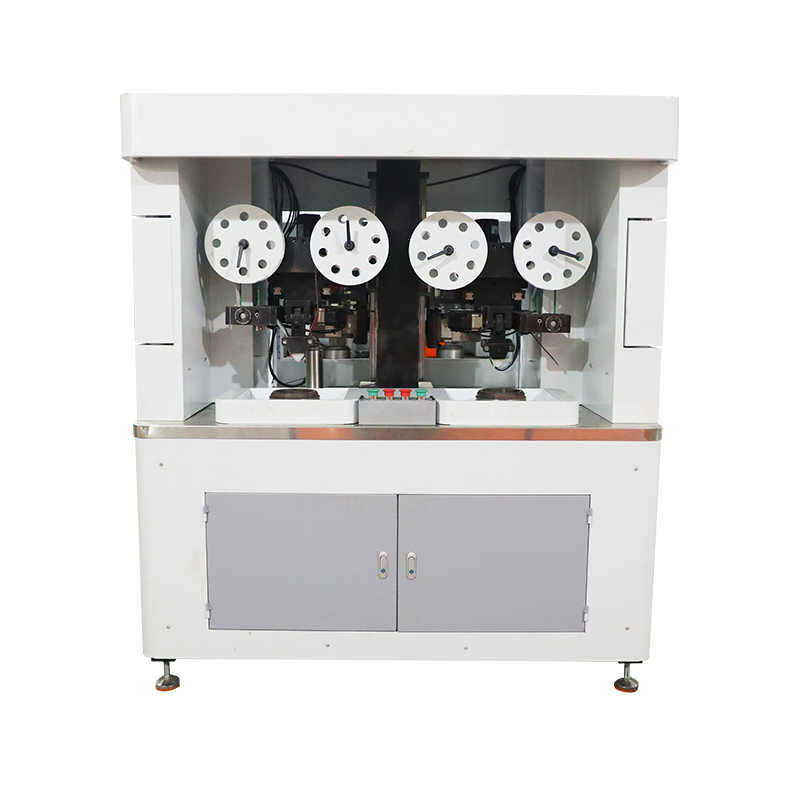
CNC programming is another critical source of uneven grinding. Even small errors in feed rate, dwell time, or tool path synchronization can cause noticeable defects.
In a 2 Station CNC Bottle Mouth Grinding Machine, programming issues may include:
To optimize CNC programming:
A well-optimized CNC program ensures that both stations of the 2 Station CNC Bottle Mouth Grinding Machine operate in good synchronization.
Material inconsistency is often overlooked but can heavily influence grinding uniformity. Different batches of metal or glass may vary in hardness, density, or surface coating thickness.
In a CNC Bottle Mouth Shaping Machine, this causes:
Solutions include:
For a 2-station CNC Shaping Machine, balancing material behavior is essential for synchronized machining results.
Thermal stability is another major factor in preventing uneven grinding. Excess heat generated during machining can cause thermal expansion, causing dimensional inconsistencies.
Common cooling issues include:
To improve performance:
A properly maintained cooling system helps both stations of the CNC Bottle Mouth Shaping Machine maintain stable operating conditions.
Vibration is one of the destructive factors in precision grinding systems. Even small vibrations can cause surface ripple marks and inconsistent material removal.
Sources of vibration in a 2 Station CNC Bottle Mouth Grinding Machine include:
To eliminate vibration:
Reducing vibration ensures smoother operation and significantly improves surface finish quality.
Synchronization between two stations is critical in a 2-station CNC Shaping Machine. If one station runs faster or applies different pressure, uneven grinding becomes unavoidable.
Synchronization issues typically involve:
Optimization strategies include:
Proper synchronization ensures that both sides of the 2 Station CNC Bottle Mouth Grinding Machine perform identical operations.
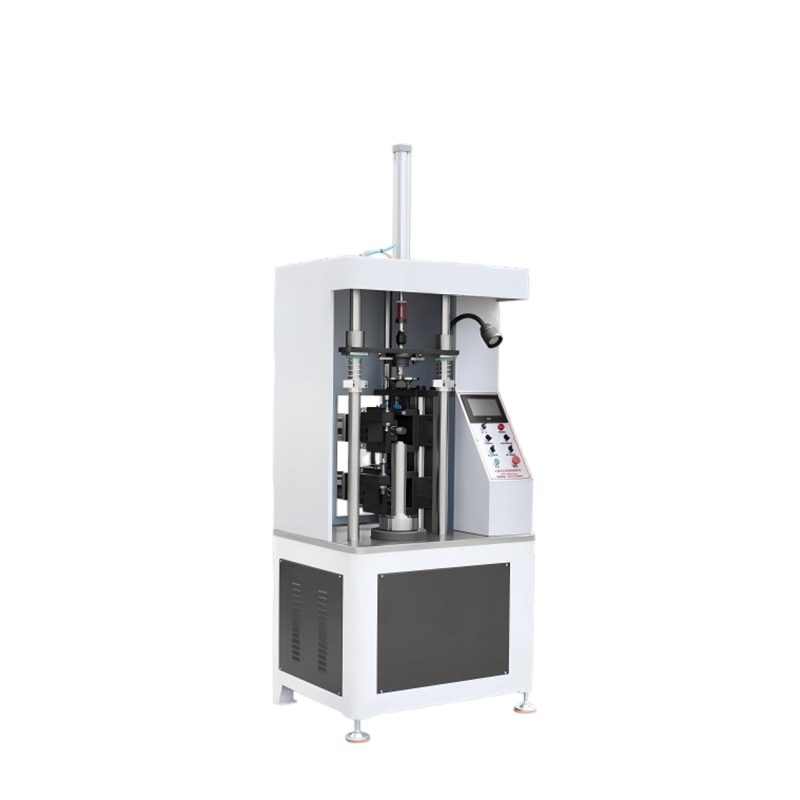
Preventive maintenance is an effective way to avoid recurring uneven grinding problems. Instead of reacting to defects, operators should implement a structured maintenance schedule.
Recommended practices include:
In addition, predictive maintenance technologies such as vibration sensors and AI-based monitoring can further enhance reliability in a CNC Bottle Mouth Shaping Machine environment.
Uneven grinding in CNC bottle mouth systems is a multi-factor problem involving mechanical precision, tooling condition, CNC programming, cooling efficiency, and operator control. A 2-station CNC Shaping Machine must operate with synchronized precision, while a CNC Bottle Mouth Shaping Machine requires strict control over both hardware and software parameters.
By systematically addressing alignment, tool wear, programming logic, material consistency, and vibration control, manufacturers can significantly improve the performance of any 2 Station CNC Bottle Mouth Grinding Machine.
Stable grinding quality is not achieved through a single fix but through a fully integrated approach combining machine maintenance, process optimization, and intelligent monitoring systems.
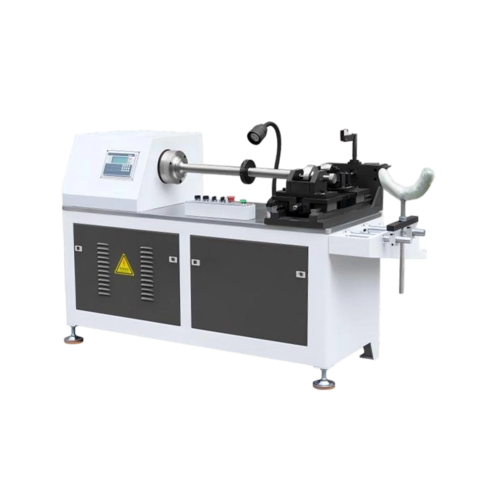
The CNC Pipe Cutting Machine is designed for high-precision cutting of stainless steel pipes, especially suited for cup ...
See Details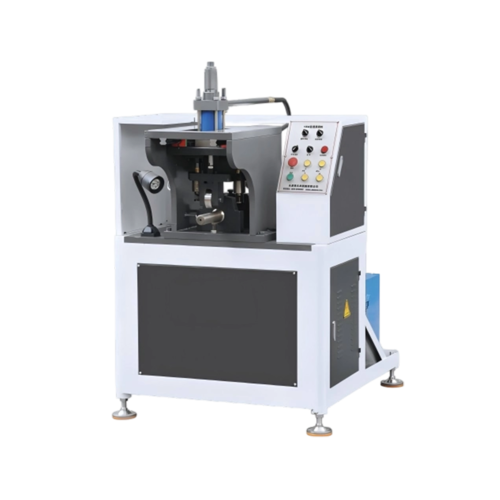
The Hydraulic Welding Seam Flatten Rolling Machine is a specialized piece of equipment designed for rolling and leveling...
See Details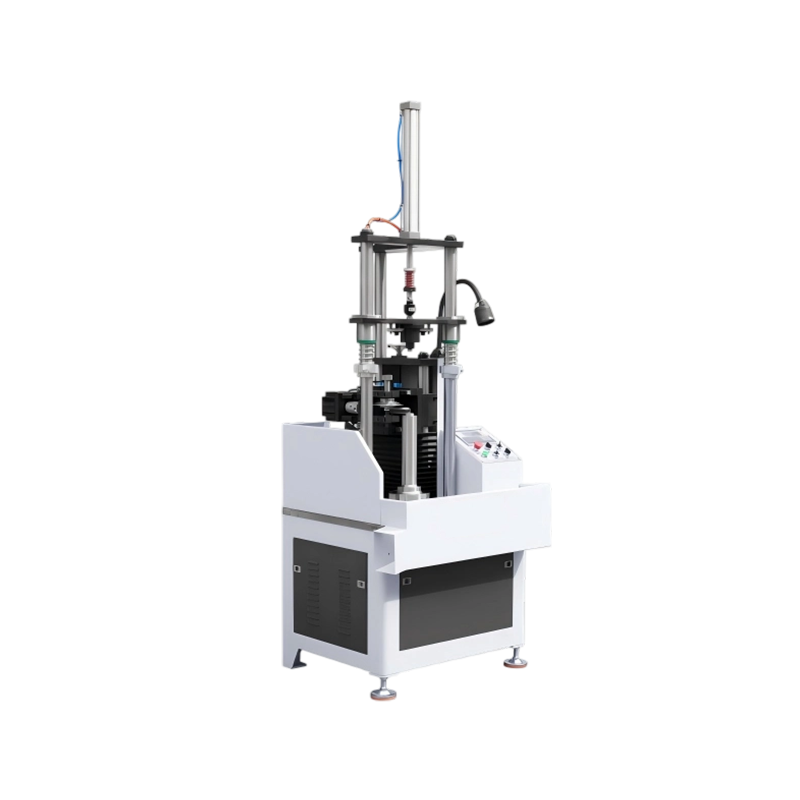
The CNC Rim Neck Cutting Machine is a high-precision, fully automated equipment designed for cutting and trimming the wa...
See Details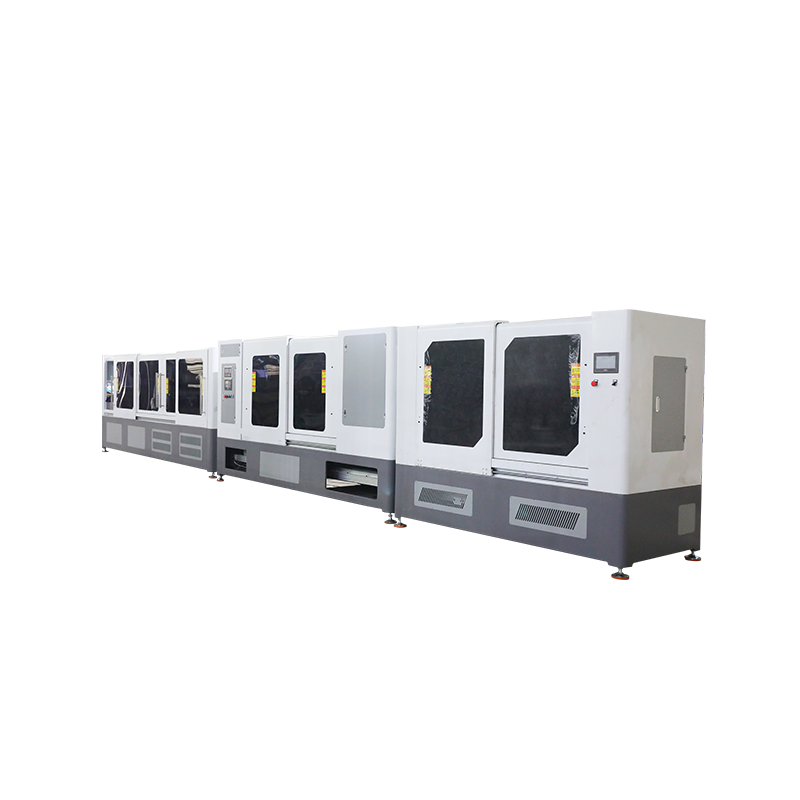
The Fully Automatic Pipe Drawing Machine for Thermos is a precision-engineered production system. It integrates laser pi...
See Details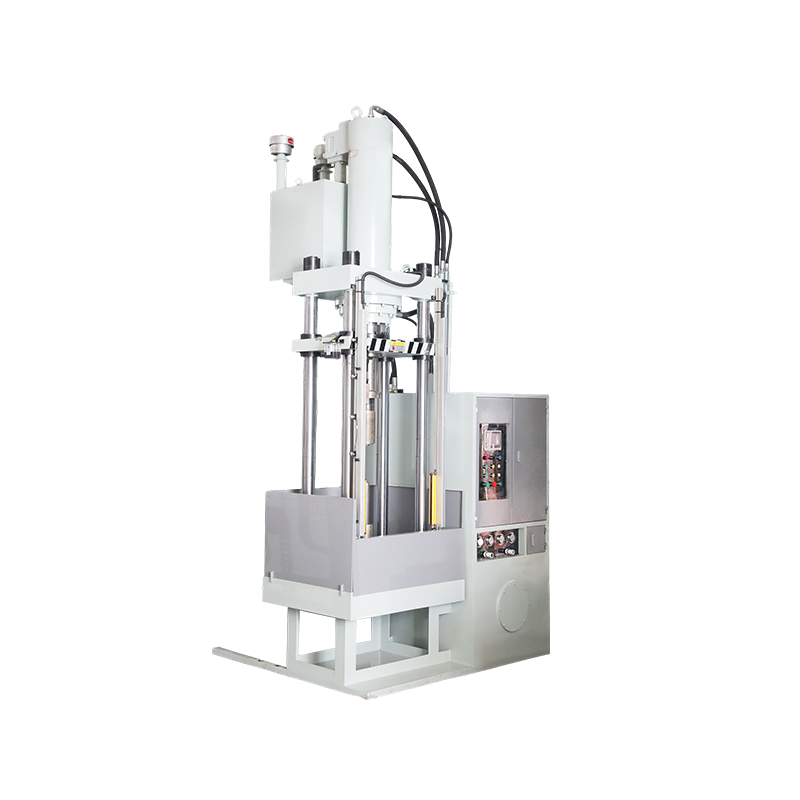
The Water Bulging Bottle Making Machine is made for the precision forming process of both the outer shell and inner line...
See Details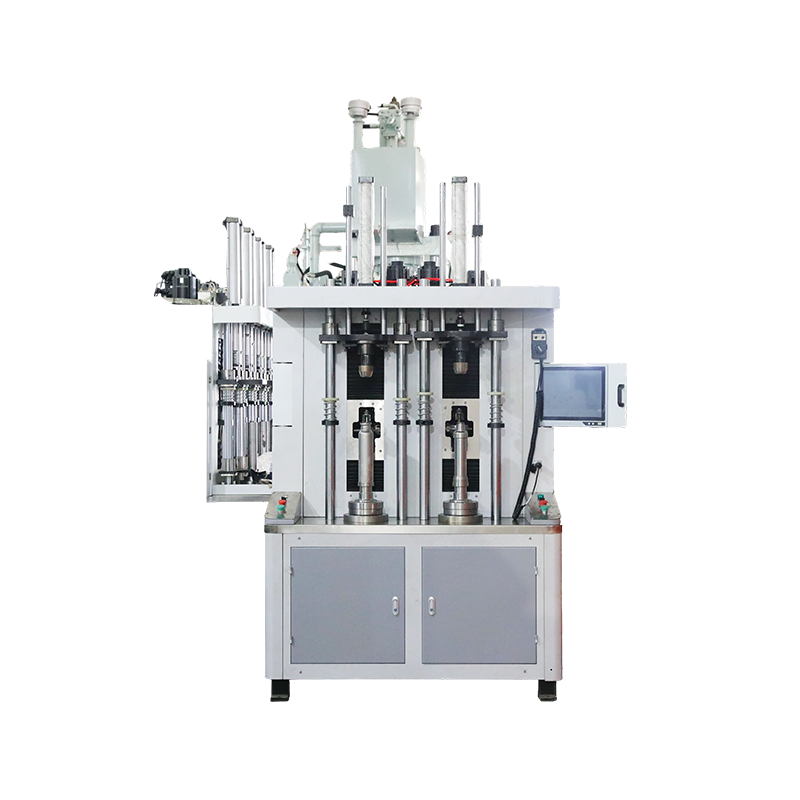
The Double Station CNC Tube End Shrinking Machine is designed for the spinning and compressing process of cup and pot mo...
See Details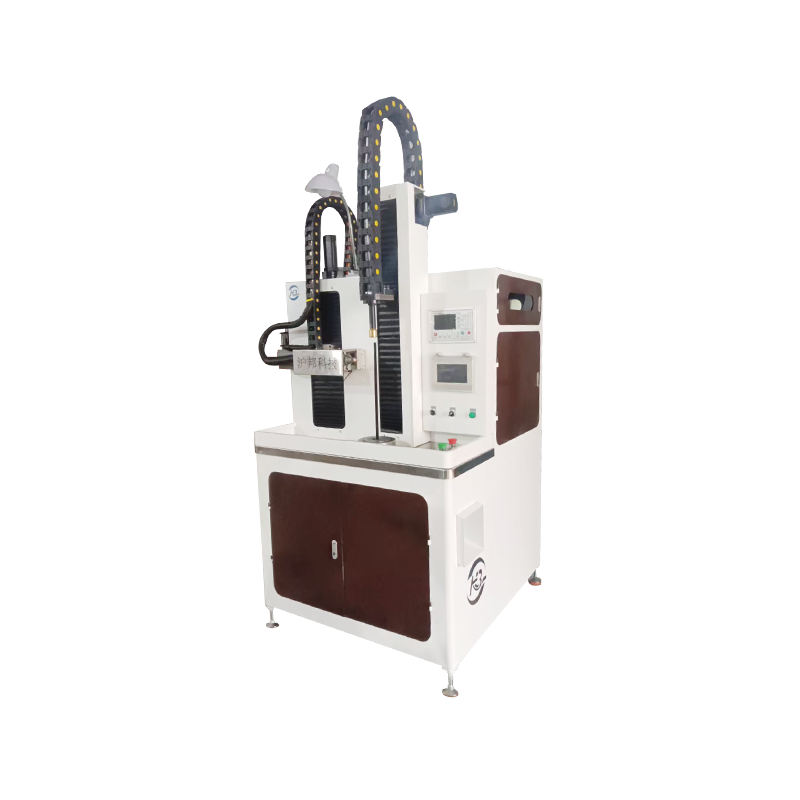
The Laser Bottle Flask Dividing Machine is designed for precision processing of various cup and pot components, includin...
See Details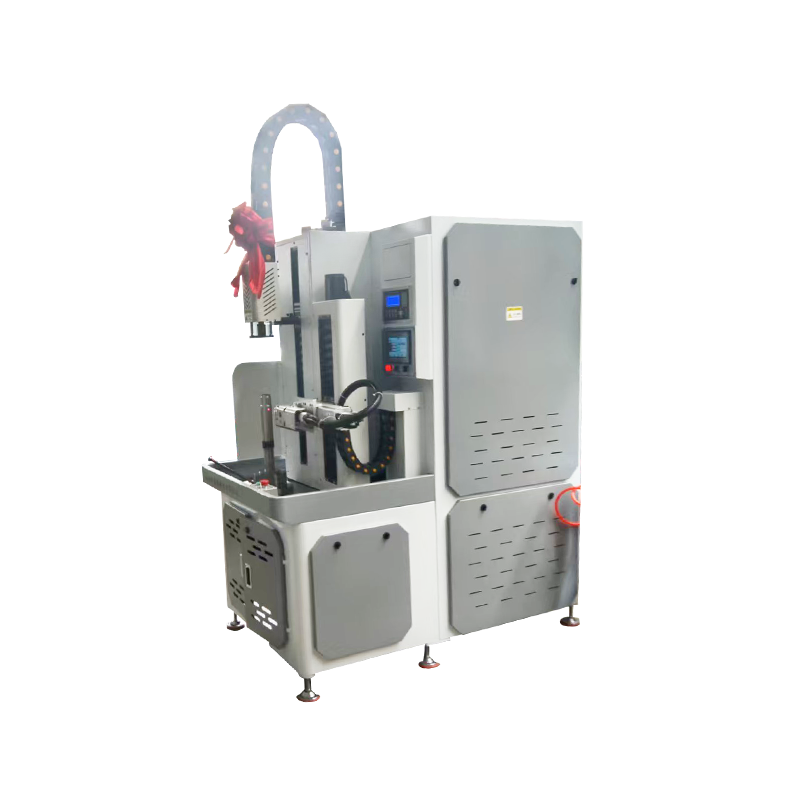
The Automatic Laser End Cutting Machine for Vacuum Flask is a high-precision equipment designed for efficient cutting of...
See Details
Yongkang Hubang Machinery Technology Co., Ltd.

No. 223, Chengxin Road, Economic Development Zone, Dongcheng Street, Yongkang City, Jinhua City, Zhejiang Province, China
Copyright © Yongkang Hubang Machinery Technology Co., Ltd.

Stainless Steel Flask Making Machine Supplier


