
 English
 русский

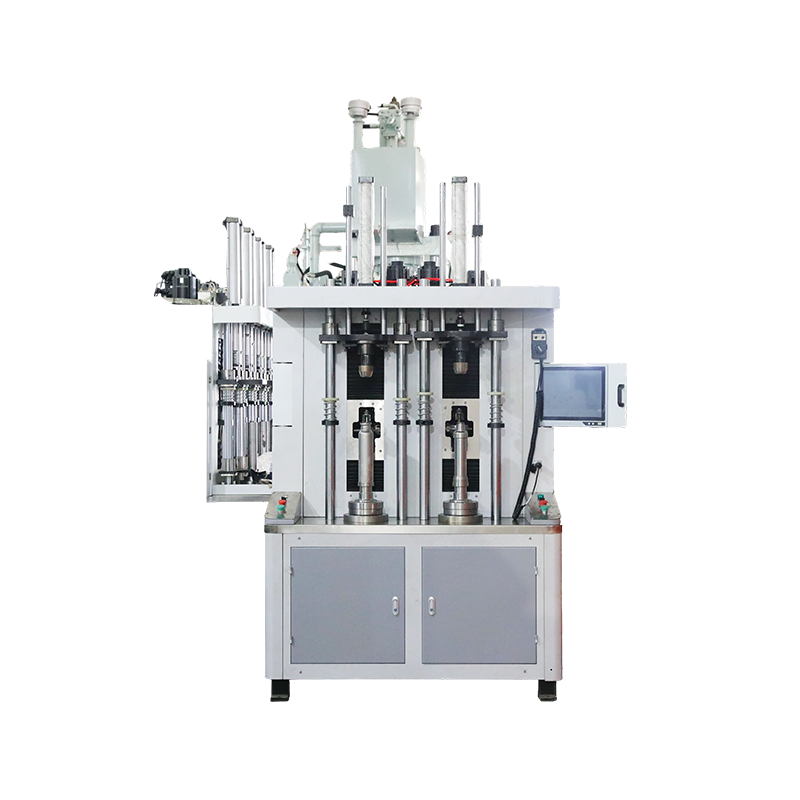
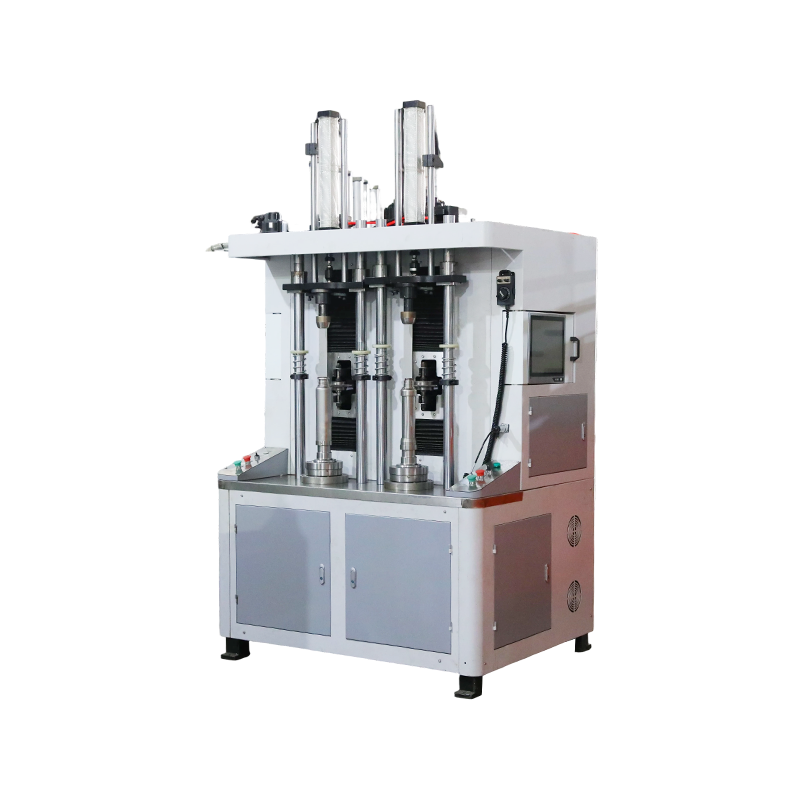
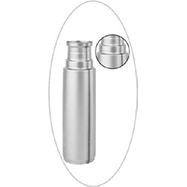
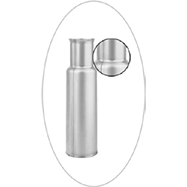
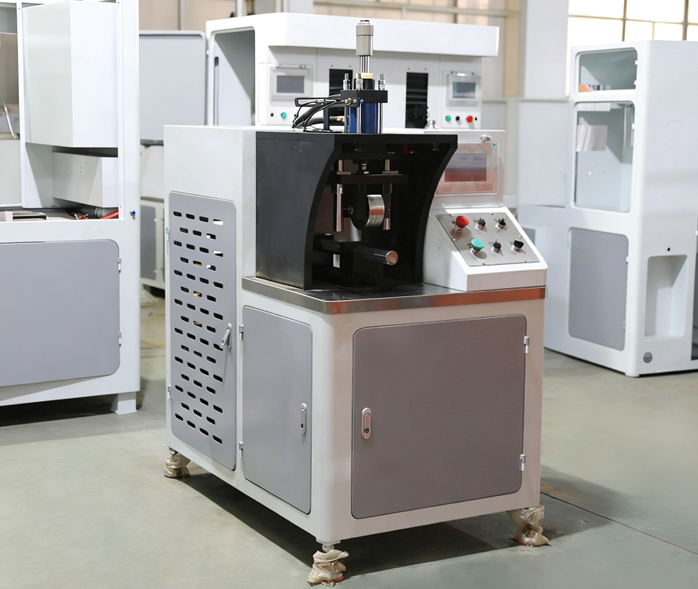
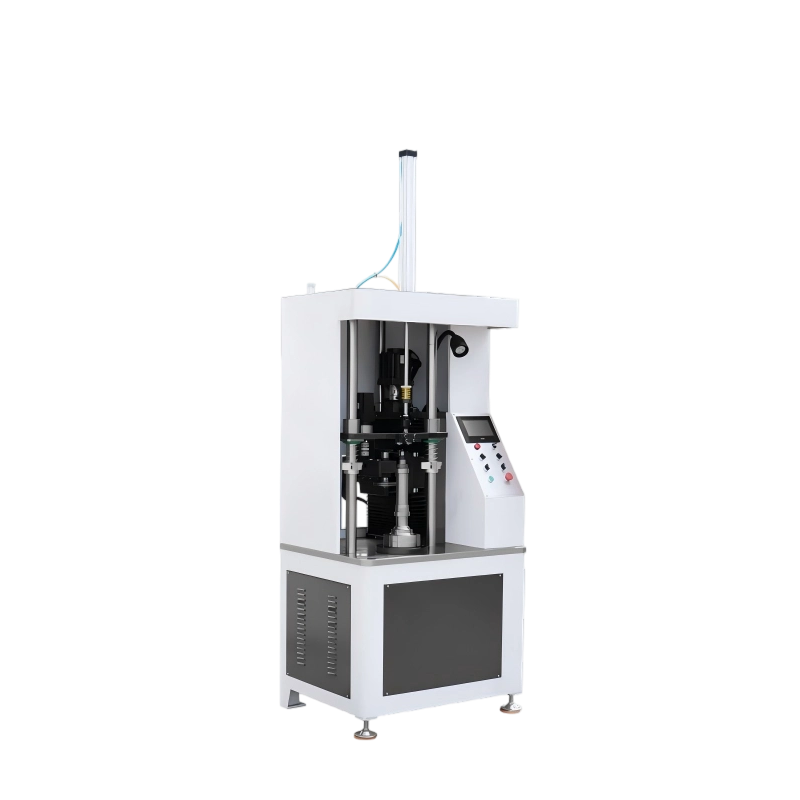
Tube End Shrinker: Stop Cracks & Deformation
Tube End Shrinking Machine: Stop Cracks and Deformation?
A Tube End Shrinking Machine shrinks the end of a tube down to a smaller diameter using mechanical or hydraulic force. When you work with stainless steel, aluminum, or other tough alloys, cracking and wrinkling happen easily. Shops need to avoid those problems, or parts get thrown out.
Here is what helps prevent defects:
(a) Controlled multi-stage shrinking
- Takes the diameter down slowly instead of crushing it all at once
(b) Precise lubrication systems
- Cuts the friction between the tool and the tube surface, so the metal does not tear
(c) Optimized material heating when needed
- Makes harder metals more flexible before shrinking starts
Getting the force spread evenly matters a lot. If pressure hits harder on one side, you get wrinkles, thin spots, or tiny cracks where the tube changes size. Newer machines use segmented dies that push evenly from all sides around the tube. Sensors also watch pressure and feed speed to keep everything within safe limits.
What Parts Make Up a Double Station CNC Tube End Shrinking Machine?
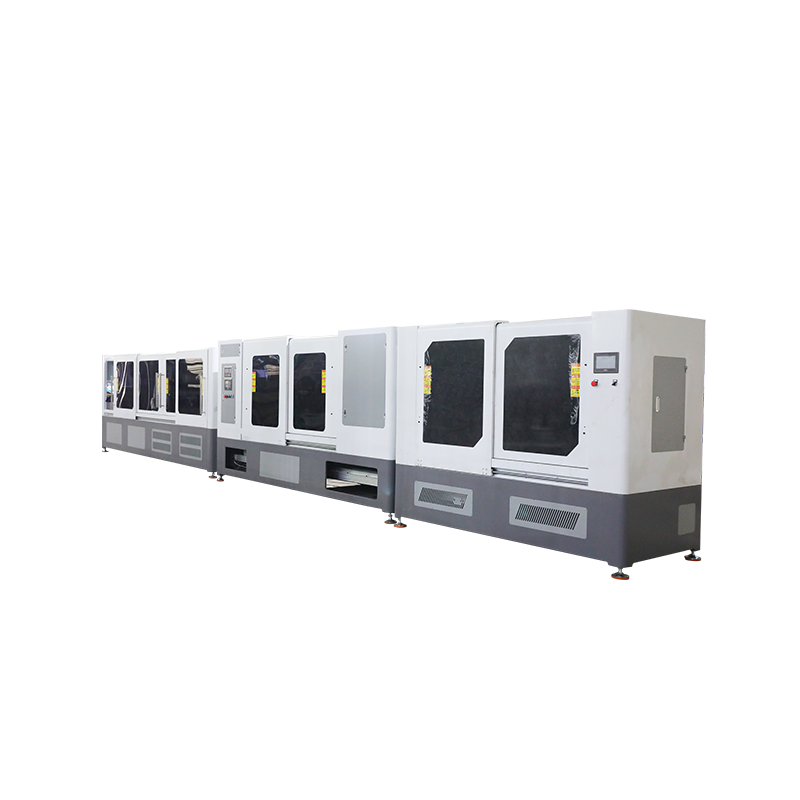
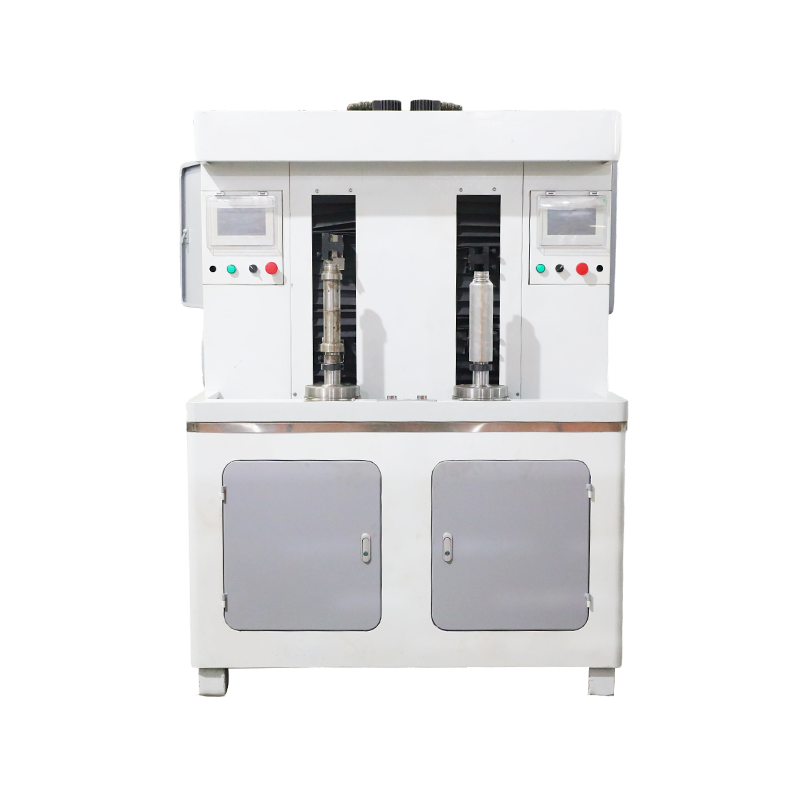
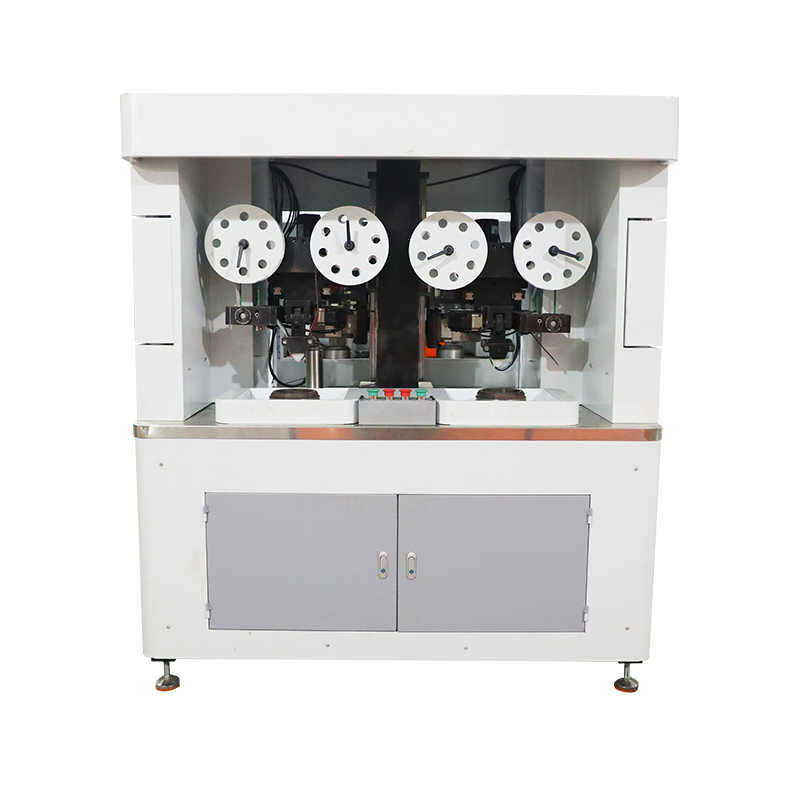
A Double Station CNC Tube End Shrinking Machine runs with two stations, so one can process a tube while the other gets loaded or unloaded. That keeps the line moving without stopping.
Main parts you will find:
(a) CNC control system
- Tells the machine how to move, how long to run each cycle, and what settings to use
(b) Dual working stations
- One side works on a tube while the other side takes out finished parts and loads new ones
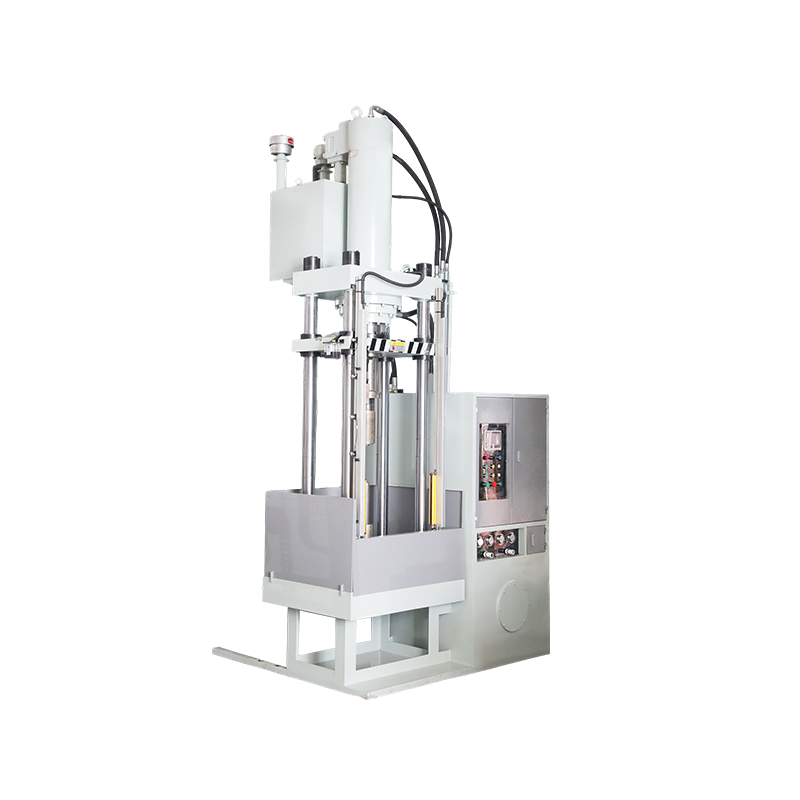
(c) Hydraulic or servo-driven shrinking units
- Push with steady force, and you can change that force depending on the tube
(d) Tooling die sets
- Made for specific tube sizes and the shape you want on the end
(e) Feeding and clamping system
- Grabs the tube and holds it in place so nothing moves while the shrinking happens
Keeping the two stations working together is key. While one station does high-precision shrinking, the other gets the next tube ready. That cuts down idle time and pushes more parts through each shift. The CNC side also lets operators save different setups for different tube sizes, so switching between products takes minutes instead of hours.
How Does an Automatic Tube Shrinking Machine Keep Every Part the Same?
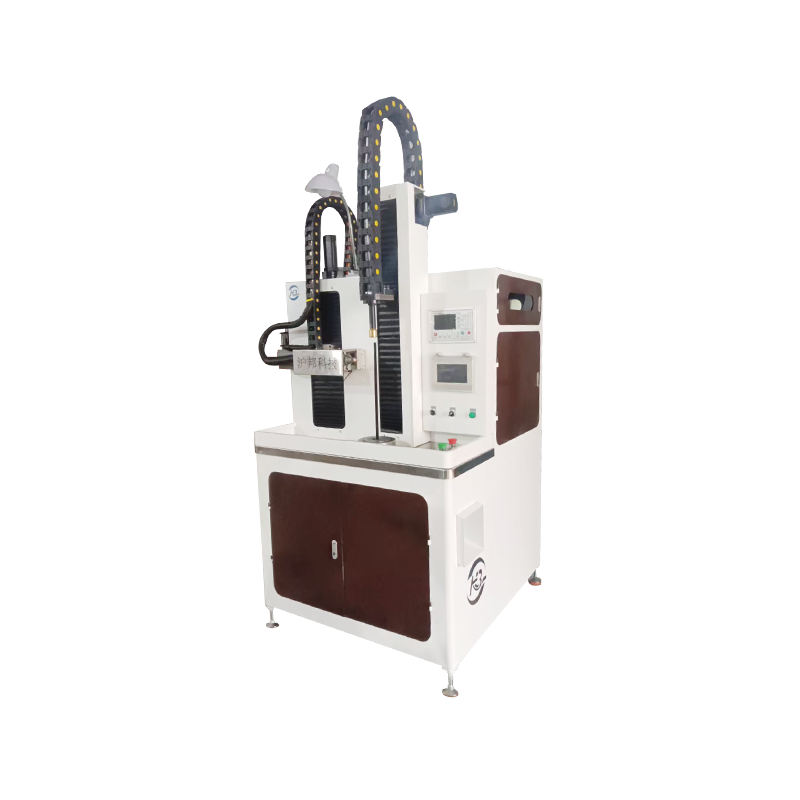
An Automatic Tube Shrinking Machine keeps measurements within a tight range across hundreds or even thousands of parts. It does this with smart controls, closed-loop feedback, and solid tooling. Getting the same result every time matters for people who make thermos flasks, tubing for cars, or any kind of fluid lines.
Here is how they stay on target:
(a) Closed-loop feedback control
- Sensors check the tube diameter during shrinking and change the force right away if needed
(b) Servo-driven precision control
- Keeps the speed and pressure the same from one part to the next, cycle after cycle
(c) Standardized die systems
- Make sure every tube ends up with the same shape, no matter when it was made
Digital sensors catch small changes in tube size while the machine runs. If something drifts, the system changes pressure, stroke length, or timing to pull it back. That cuts down on scrap and keeps parts uniform.
The machine frame also matters. A stiff frame cuts vibration, and wear-resistant tooling holds its shape over long runs. Together, these features let shops run high volumes without seeing parts drift out of spec. Automation also takes manual adjustments out of the picture, which is where old equipment often falls short.


