
 English
 русский

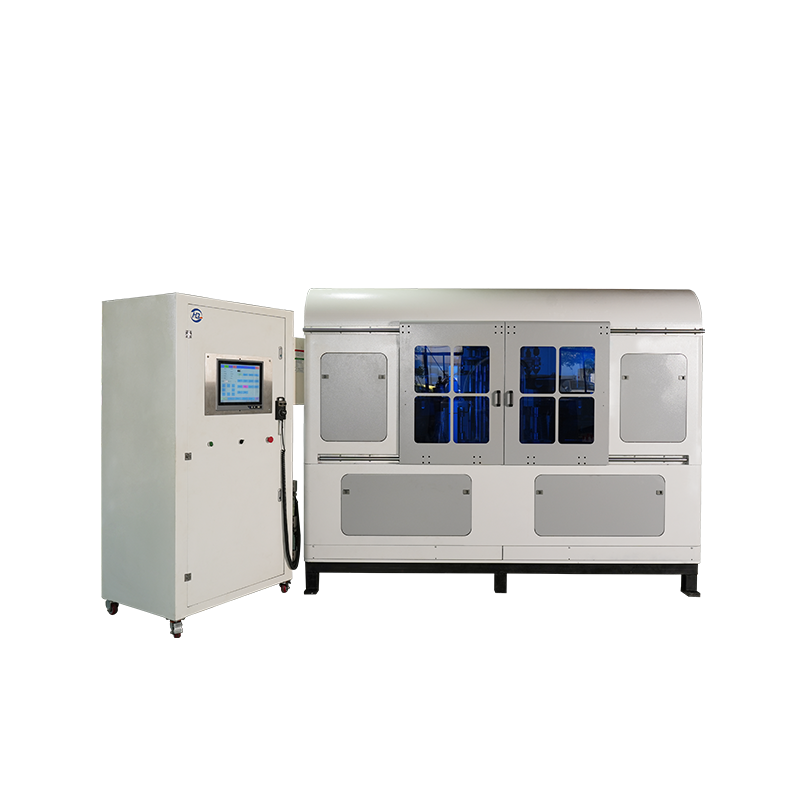
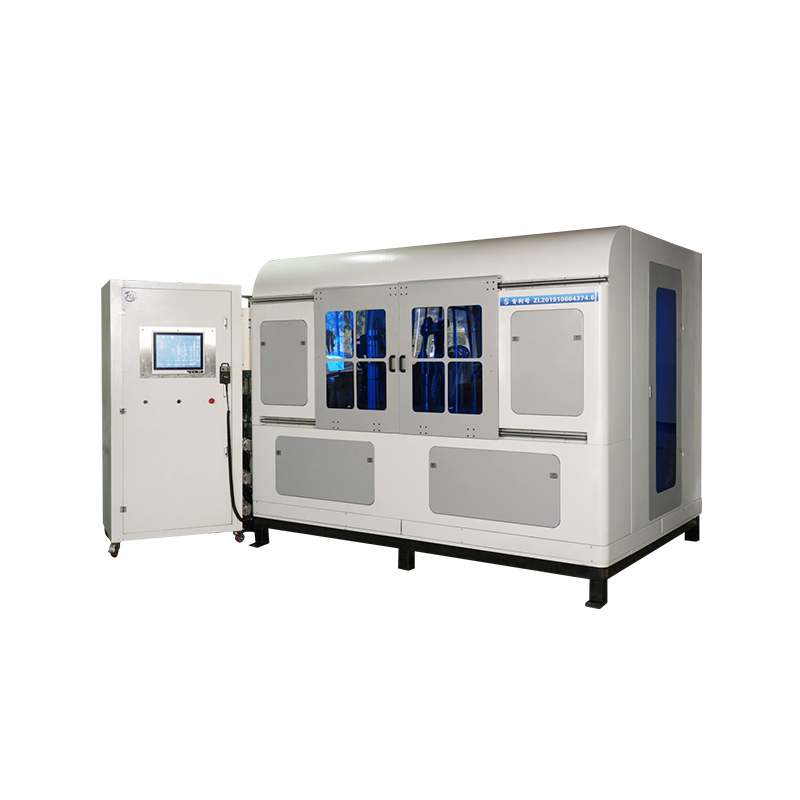
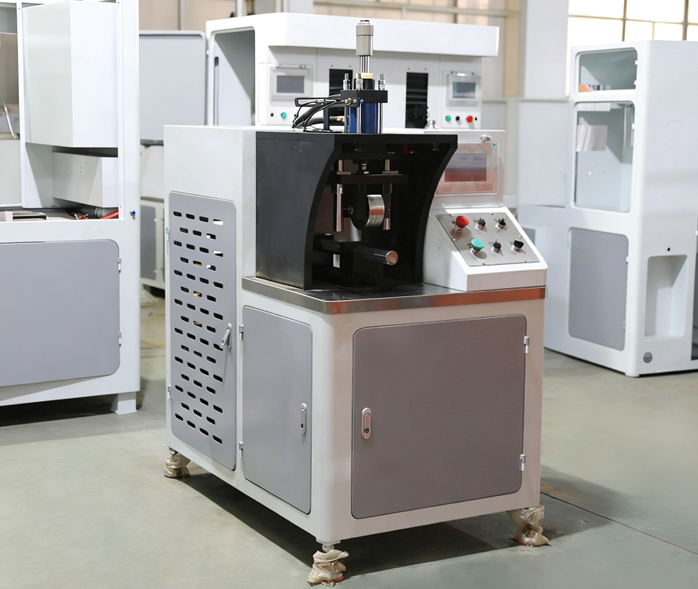
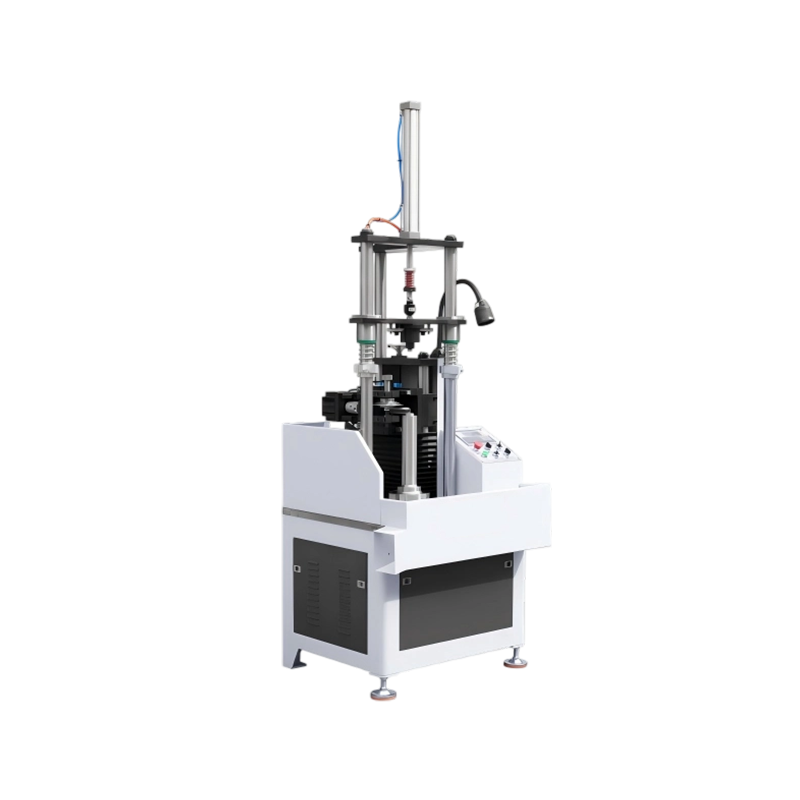
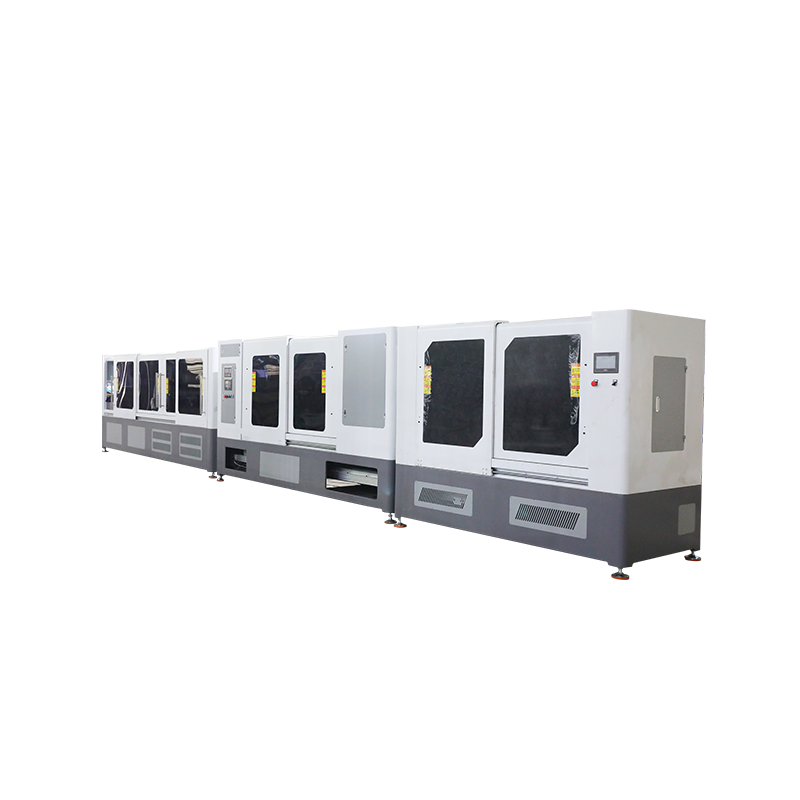
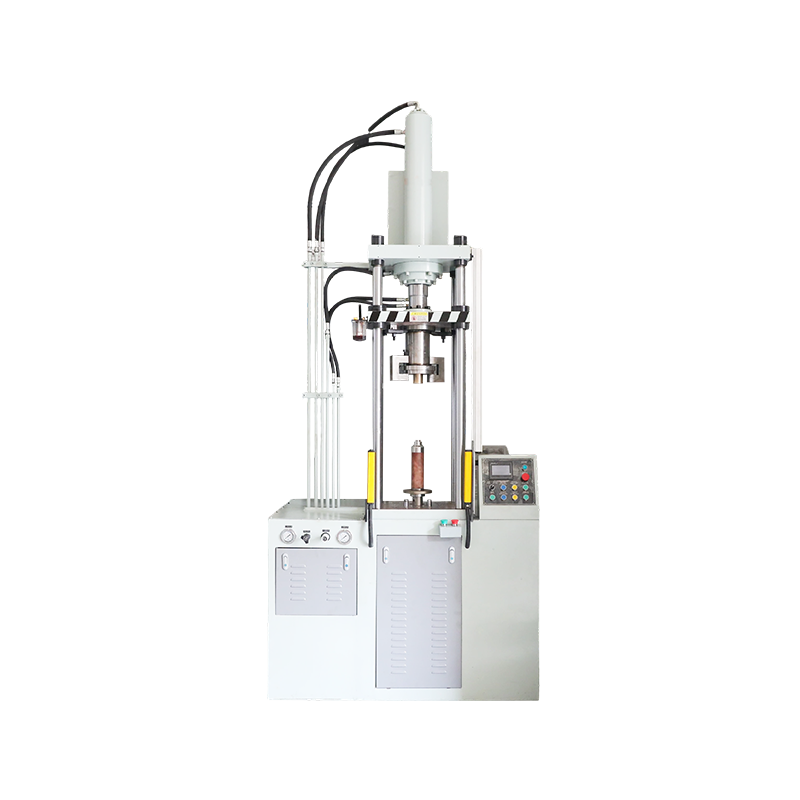
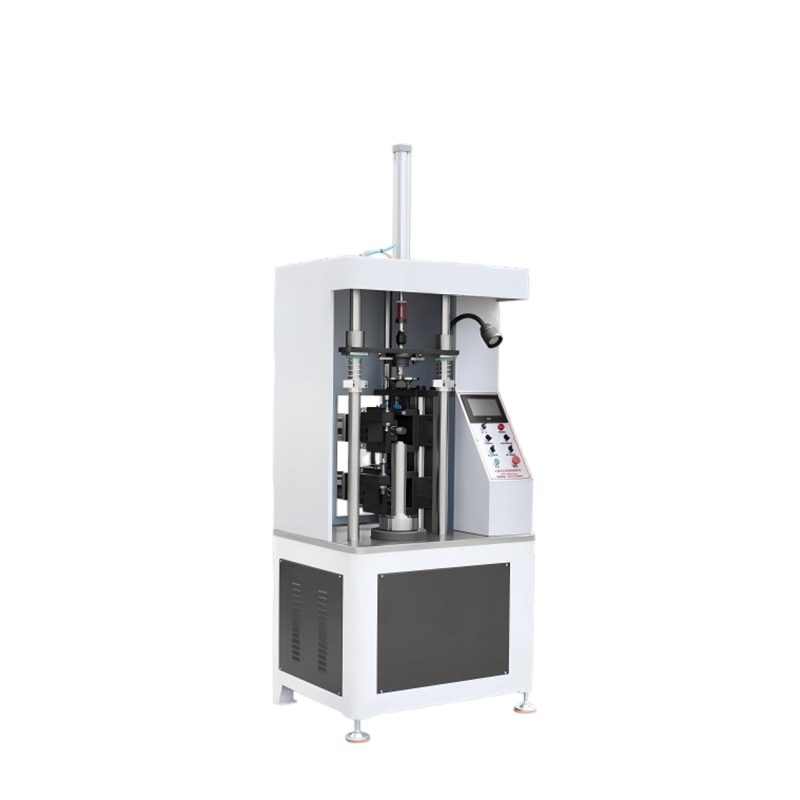
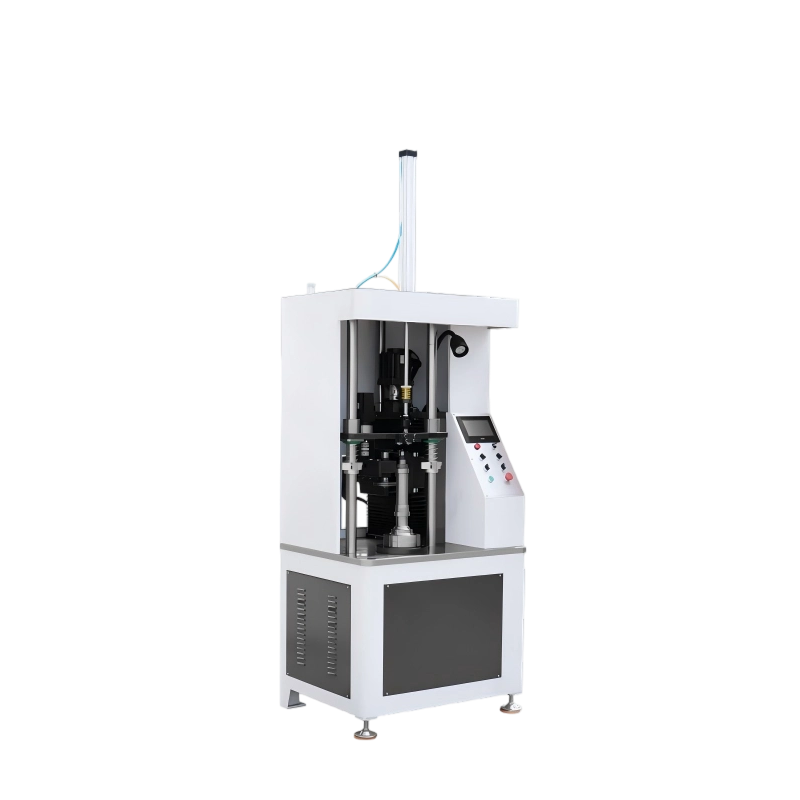
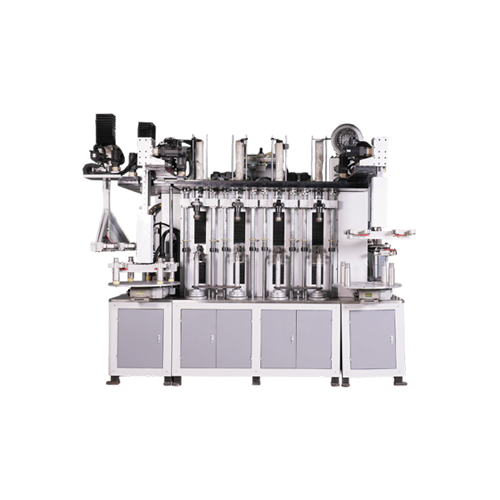
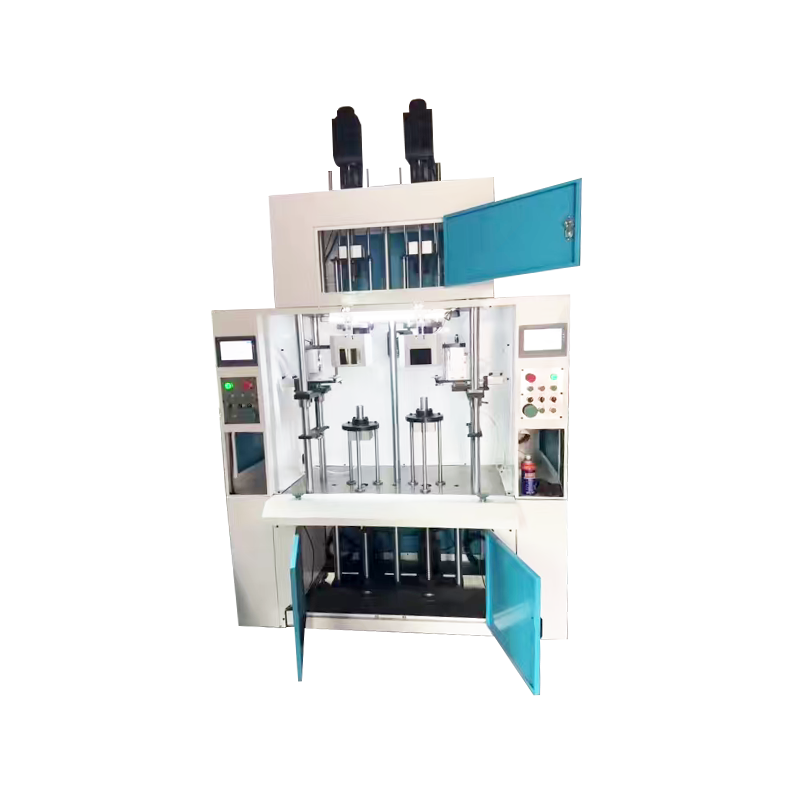
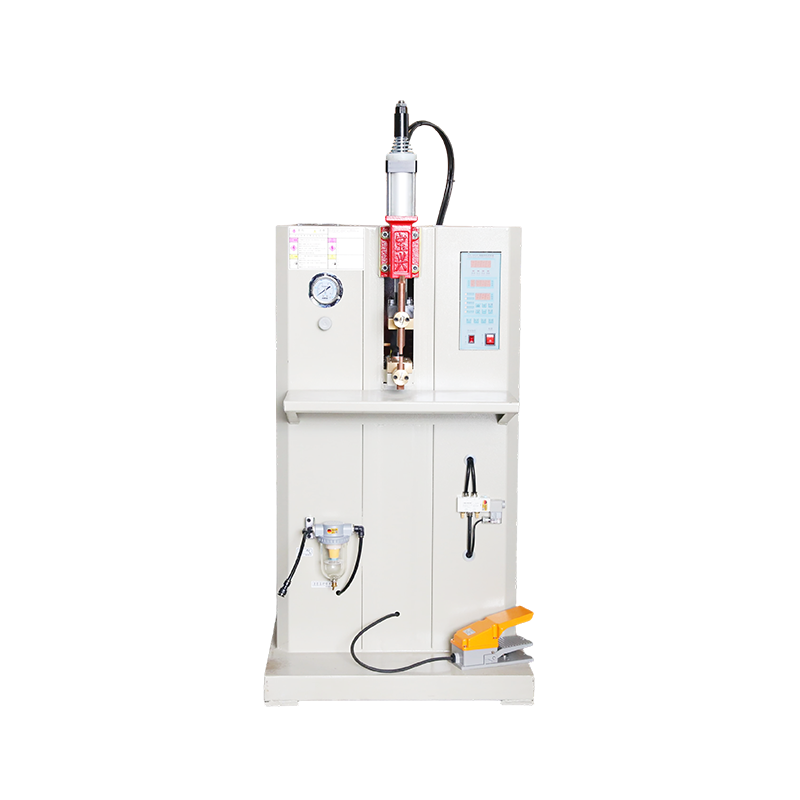
Automatic Polishing Machine: Stop Scratches & Uneven Finishes
Can an Automatic Polishing Machine Stop Scratches and Uneven Finishes?
An Automatic Polishing Machine smooths out metal surfaces and makes them shine. But scratches and uneven marks are common headaches. Shops want a clean, consistent look, especially when running many parts.
Here is what helps avoid those problems:
(a) Controlled polishing pressure
- Keeps the wheel pushing against the metal with the same force all the time
(b) Multi-stage polishing process
- Starts with rough abrasives and moves to fine ones, step by step
(c) Stable fixture and positioning system
- Stops the part from wobbling or shifting while it spins
Uneven finishes usually come from pressure that changes or a part that does not hold still. Newer machines use servo-controlled arms that hold speed and force steady. Balancing the polishing wheels also cuts down vibration, which is a big cause of tiny scratches.
Picking the right abrasives matters too. Using the right compounds and swapping out worn wheels keeps the finish consistent. Automated systems also follow the same path every time, so you get fewer mistakes from operators.
How Does an Automatic Stainless Steel Polishing Machine Avoid Oxidation and Color Changes?
An Automatic Stainless Steel Polishing Machine has to watch out for heat and color shifts. Stainless steel does not like getting too hot during polishing. If it does, you see yellowing, rainbowing, or dull patches.
Ways to stop that:
(a) Temperature control systems
- Keeps heat from building up when the wheel runs fast
(b) Cooling and lubrication systems
- Uses fluid or oil to pull heat away from the metal
(c) Controlled polishing environment
- Limits how much air hits the metal during heavy friction
Keeping the temperature steady is key. Too much heat leaves oxidation layers on the surface, which show up as ugly colors. Better machines use continuous cooling sprays or oil-based agents that carry heat away.
Running the same speed and pressure across the whole part also helps. That way, every spot gets the same treatment, and you avoid patchy colors. Some high-end setups even use inert gas around the part to block oxygen, giving you a bright, even finish on stainless steel.
How Does an Automatic Steel Vacuum Bottle Polishing Machine Get a Uniform Surface?
An Automatic Steel Vacuum Bottle Polishing Machine is built for round things like thermos bottles. On curved surfaces, keeping the finish even is harder than on flat sheets. Bad polishing shows up right away on shiny bottles.
Key methods:
(a) Rotational and multi-axis polishing systems
- Covers every spot on a curved bottle surface
(b) Adaptive pressure control
- Changes the pushing force depending on how curved the spot is
(c) Uniform feed rate control
- Moves the polishing head at the same speed across the whole bottle
On bottle shoulders or bottoms, uneven polishing happens a lot because the shape changes. Newer systems use CNC-controlled robot arms that tilt the polishing wheel as needed, so it stays in full contact with the metal.
Spinning the bottle while the polishing head moves also helps. That gets rid of dead zones and overlapping marks. Using fine abrasives at the final step gives you a mirror look that works well for premium bottles.
Some machines now add smart inspection systems. Cameras spot defects while the machine runs, and if something looks bad, the system polishes that spot again. That keeps quality steady even when you run thousands of bottles.


