 English
 русский

The CNC Pipe Cutting Machine is designed for high-precision cutting of stainless steel pipes, especially suited for cup ...
See Details
Hydraulic deep drawing machine are not complicated at first glance. A heavy frame, a pressing motion, and a mold set. But once you look closer, the system feels more like a coordinated workspace where every part has its own rhythm.
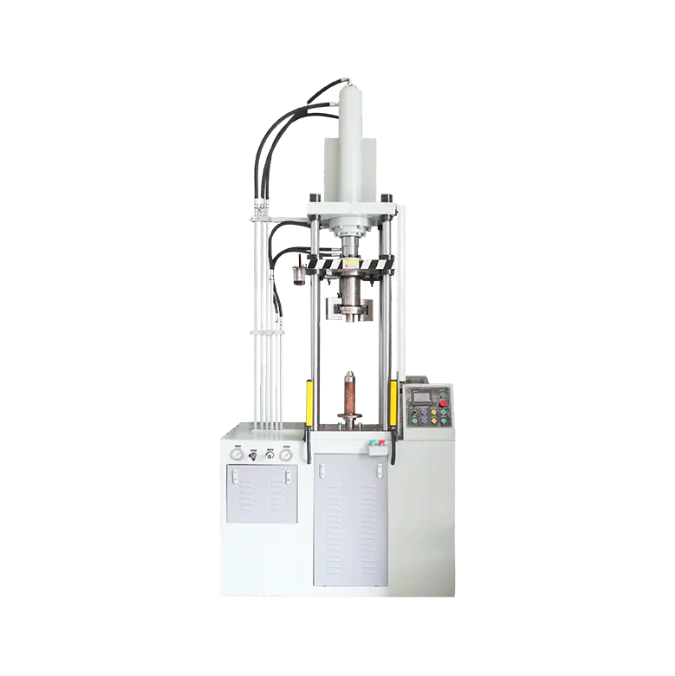
Metal sheets are placed, held, pressed, shaped, then released. Behind that sequence, several components work together quietly. If one part behaves differently, the final shape can change. That is why each section matters more than it seems.
The frame is often the part people notice first, but not always the part they think about.
It carries everything. Pressure, movement, and repeated load all pass through it. During operation, the machine does not stay still. It pushes, releases, and repeats that cycle many times.
If the frame shifts even slightly, alignment inside the machine changes. That affects how the material is formed.
In practice, the frame needs to do something simple but demanding at the same time: stay steady under pressure, again and again, without changing shape or position.
Inside the machine, force does not come from impact or sudden motion. It builds gradually.
The hydraulic system is responsible for that process. It sends controlled pressure through the machine so the material can be shaped step by step instead of being struck or forced in one moment.
What makes this system important is not just power, but control. The pressure is not fixed. It adjusts depending on how the material responds during forming.
Sometimes the sheet resists more. Sometimes it flows more easily. The system reacts to those differences in real time, keeping movement smooth instead of abrupt.
There is a moving part that goes up and down during every cycle. It looks simple, but it carries a lot of responsibility.
When it comes down, it is not just pushing. It is guiding material into a shape that has already been defined by the mold.
If the movement is uneven, the material does not stretch properly. If it is too fast, the sheet may react unpredictably. So the motion has to feel controlled, almost steady like a slow press rather than a sudden action.
After forming, it moves back again, making space for the next sheet. This repeated movement is one of the core rhythms of the machine.
The mold is where the final shape actually happens.
This is the point where flat material becomes three-dimensional. There is no guessing here. The shape depends completely on how the mold guides the material during pressure.
But metal does not always behave in a perfectly predictable way. It stretches, resists, and shifts slightly during forming. That is why the mold has to guide rather than force.
Even small differences in contact can influence the final result. A slight change in how material flows inside the mold can affect surface smoothness or shape accuracy.
So the mold is not just a fixed tool. It is more like a reference point that the material follows under pressure.
Before anything is pressed, the sheet needs to be held in place.
If it moves freely, problems appear quickly. Wrinkles can form. Edges can fold unevenly. The whole shaping process becomes less stable.
The holding system prevents that.
It presses around the outer area of the sheet while leaving the center free to move. This balance is important. Too loose, and the sheet shifts. Too tight, and the material cannot flow properly.
It is a quiet stage of the process, but it decides a lot about how the final shape will behave.
The machine does not rely on a single action. It relies on timing.
Different parts start, stop, and adjust in sequence. Pressure does not jump suddenly. It builds, holds, and then releases.
A control system manages these changes. It does not directly shape the material, but it decides how every movement happens.
When pressure increases too quickly, material can react unpredictably. When movement is too slow, the process becomes inefficient. The control system tries to keep everything balanced, adjusting based on what is happening inside the machine at that moment.
Once shaping is done, the formed part does not always come out on its own.
Sometimes it sticks slightly to the mold surface. Sometimes it needs a gentle push to release cleanly without deformation.
That is where the release process comes in.
Instead of forcing removal, the system helps separate the part in a controlled way. The goal is simple: let the shape come out without changing it.
If this step is not smooth, small marks or distortions can appear, especially on deeper or more complex shapes.
Inside the machine, parts are constantly moving against each other. Even when movement looks smooth from the outside, contact happens inside.
Over time, this creates resistance and wear. That is why support systems are included.
They reduce friction between moving surfaces and help the machine maintain steady motion during long working periods.
Without this support, movement may gradually become uneven, which can affect forming consistency.
It is not a visible function, but it helps keep everything stable over time.
A full cycle feels simple when watching it from outside.
A sheet is placed. It is held. Pressure comes in. The shape is formed. The part is released.
But inside that sequence, every component is doing something slightly different at the same time.
The frame holds position. The hydraulic system creates pressure. The moving section applies force. The mold defines shape. The holding system controls edges. The control system adjusts timing. The release system finishes the cycle.
None of these steps works alone. If one changes, the others respond.
That is why the machine behaves more like a connected system than a collection of parts.
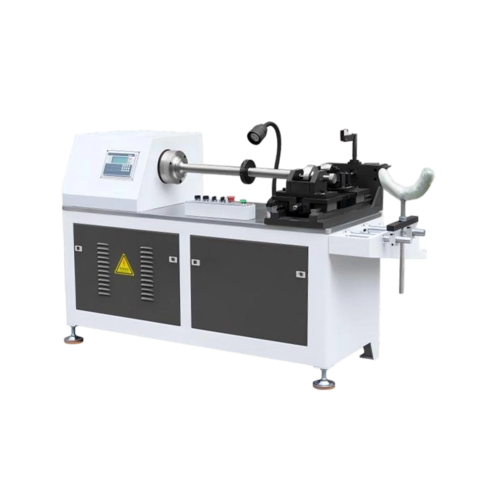
The CNC Pipe Cutting Machine is designed for high-precision cutting of stainless steel pipes, especially suited for cup ...
See Details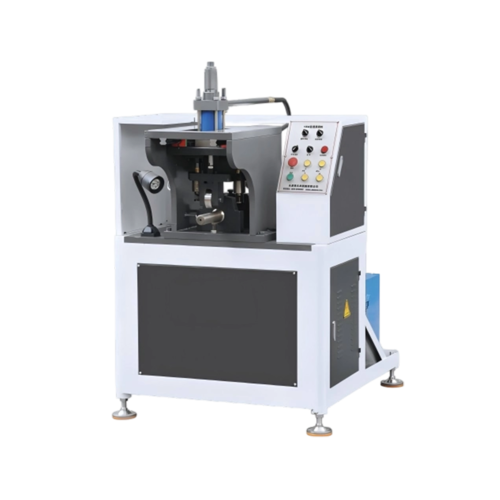
The Hydraulic Welding Seam Flatten Rolling Machine is a specialized piece of equipment designed for rolling and leveling...
See Details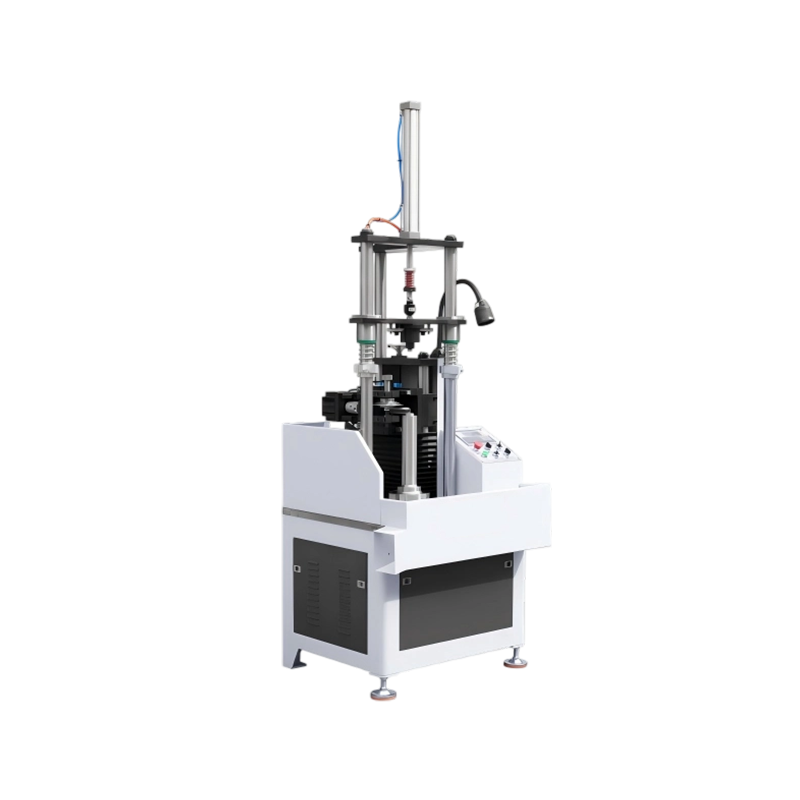
The CNC Rim Neck Cutting Machine is a high-precision, fully automated equipment designed for cutting and trimming the wa...
See Details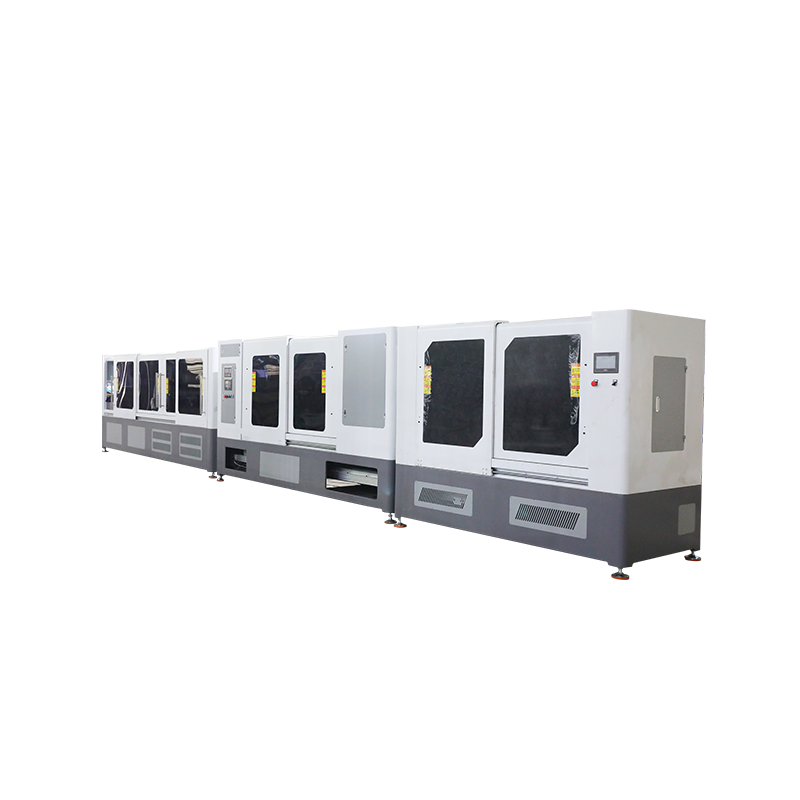
The Fully Automatic Pipe Drawing Machine for Thermos is a precision-engineered production system. It integrates laser pi...
See Details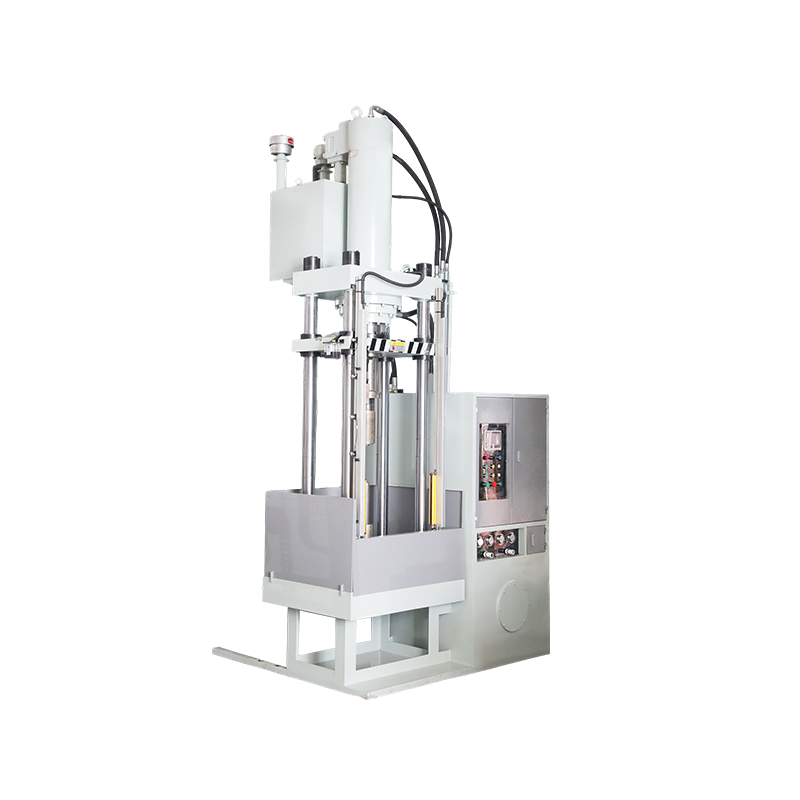
The Water Bulging Bottle Making Machine is made for the precision forming process of both the outer shell and inner line...
See Details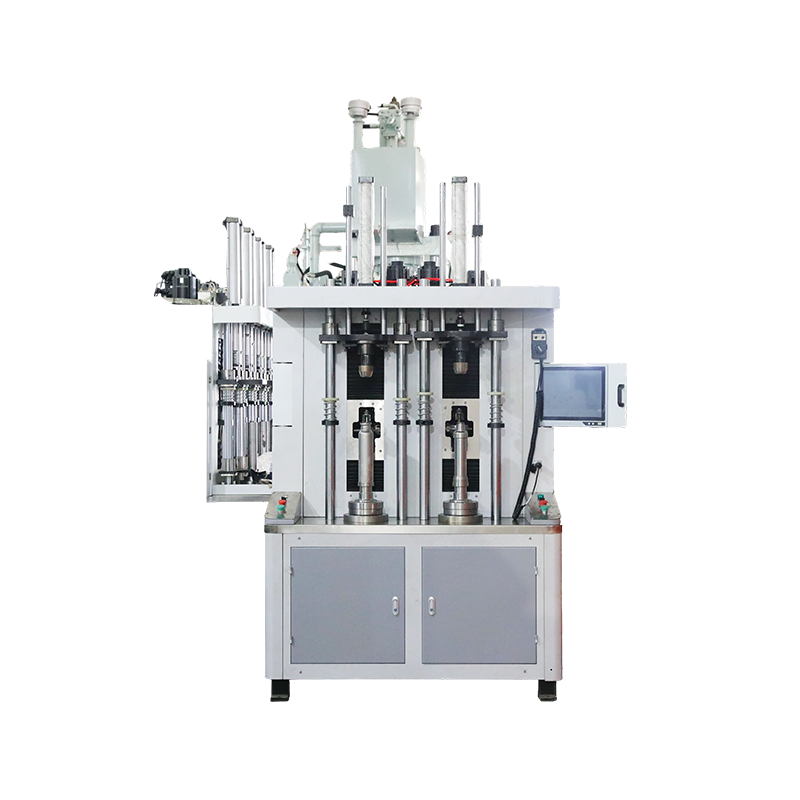
The Double Station CNC Tube End Shrinking Machine is designed for the spinning and compressing process of cup and pot mo...
See Details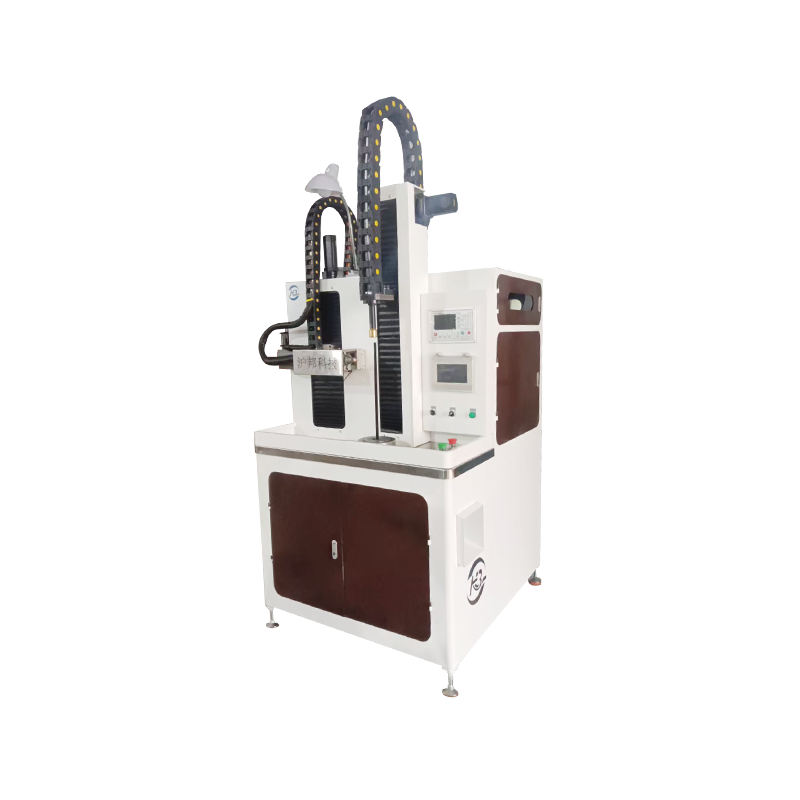
The Laser Bottle Flask Dividing Machine is designed for precision processing of various cup and pot components, includin...
See Details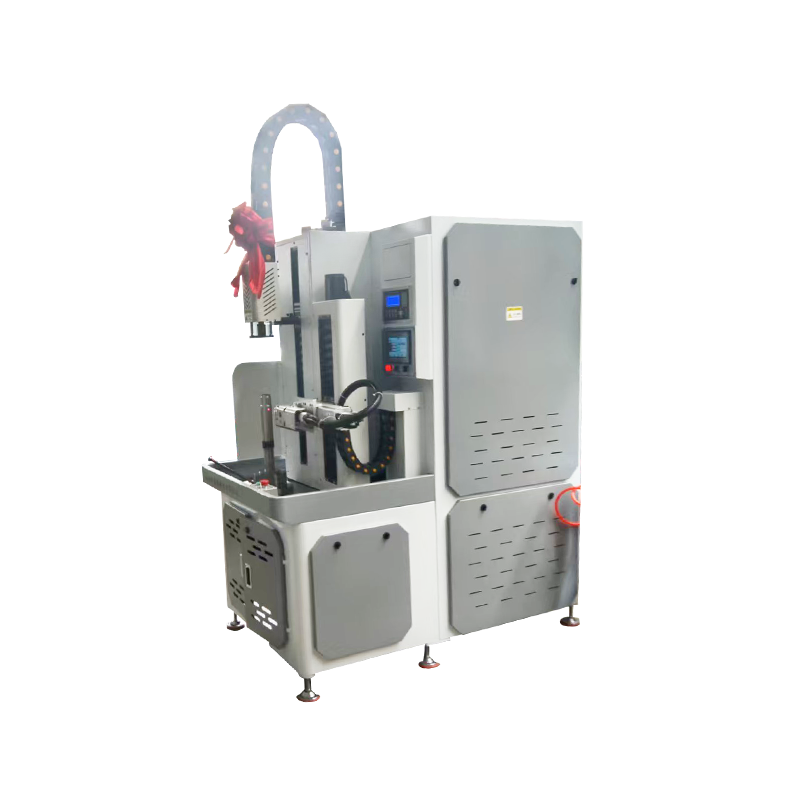
The Automatic Laser End Cutting Machine for Vacuum Flask is a high-precision equipment designed for efficient cutting of...
See Details
Yongkang Hubang Machinery Technology Co., Ltd.

No. 223, Chengxin Road, Economic Development Zone, Dongcheng Street, Yongkang City, Jinhua City, Zhejiang Province, China
Copyright © Yongkang Hubang Machinery Technology Co., Ltd.

Stainless Steel Flask Making Machine Supplier


