 English
 русский

The CNC Pipe Cutting Machine is designed for high-precision cutting of stainless steel pipes, especially suited for cup ...
See Details
Stainless steel cups and insulated bottles show up everywhere in daily life, and most attention goes straight to how they look on the outside. But the inner liner deserves just as much scrutiny — it's the surface actually touching water, coffee, tea, whatever ends up inside. Its finish quietly shapes how easy the cup is to clean, how it looks over time, and how well it holds up to daily wear.
Getting to that inner liner usually means passing through welding, cutting, forming, and a handful of other processes along the way. Each one can leave something behind — a stray burr, a faint weld line, microscopic tool marks tracing across the metal. None of it jumps out visually from the outside, but it's sitting right there on the surface that matters most.
An Electropolishing Machine exists specifically to handle this stage of production. Rather than leaning purely on mechanical polishing, it works the metal surface through a controlled electrochemical process instead. That approach chips away at small irregularities and leaves behind a cleaner, more even finish than mechanical methods alone tend to produce.
A cup's inner wall needs to be smooth and consistent from top to bottom — that's non-negotiable for a good finished product. Welding tends to leave uneven patches right around the joint, while machining and forming add their own fine surface marks along the way. Skip proper treatment here, and the liner ends up rougher than anyone actually wants.
Electropolishing strips away a thin, controlled layer of metal from the surface. Over the course of that process, minor irregularities — small burrs, faint processing marks — gradually get worn down. What's left is an inner wall that's noticeably more even and visually cleaner than before.
This matters a lot for insulated cups specifically, since the inner liner is genuinely hard to reach with manual polishing once it's already formed. A dedicated machine solves that access problem directly, giving manufacturers a workable way to treat the internal surface during production instead of skipping the step entirely.
Smoothness isn't purely a cosmetic concern here — it changes how easily the liner actually gets clean.
A rough or uneven surface gives residue more places to cling to after a drink's been finished. Smooth that surface out, and liquid — plus whatever cleaning water follows it — moves across the wall far more freely, cutting down on the buildup of mineral deposits and lingering residue.
That's especially relevant for cups getting daily use with water, tea, or coffee. Regular washing is still part of the deal, obviously, but a well-finished inner surface makes that routine maintenance noticeably less of a chore.
Welding holds a lot of stainless steel cup construction together, joining different sections of the liner into one piece. The catch is that welded areas rarely match the surrounding metal's surface perfectly right out of the gate.
Small irregularities around a weld tend to stand out more once later finishing stages start revealing them. Electropolishing steps in here, smoothing out those areas and narrowing the visual and physical gap between the weld and the metal around it.
None of this is really about chasing a brighter shine, though that's often a side effect. The real point is building a more consistent internal surface — one that's genuinely easier to keep clean and maintain through years of everyday use.
Stainless steel earns its reputation largely through corrosion resistance, but that resistance still depends heavily on surface condition. Manufacturing marks, contamination, and uneven patches all leave their mark on how the metal actually performs over time.
Electropolishing produces a cleaner metal surface by removing a precisely controlled amount of material from the outer layer. Handled correctly, that process supports — rather than undermines — the corrosion resistance stainless steel is known for in the first place.
For manufacturers, that reframes electropolishing as something beyond a cosmetic finishing touch. It becomes a functional part of the broader surface treatment strategy for stainless steel cup liners, not just a step aimed at making things shinier.
A general-purpose polishing machine doesn't translate well to working inside a narrow cup liner — the internal geometry, opening size, and overall production flow all get in the way.
An Electropolishing Machine for Stainless Steel Cup Inner Liners is purpose-built around exactly that constraint. Its working process is designed to actually reach the internal metal surface and treat it consistently across the whole liner, not just the areas easiest to access.
That specialized focus lets manufacturers fold inner-wall finishing into a genuinely organized production line, rather than bolting it on as a separate manual step. It also cuts down significantly on manual polishing labor — a real advantage once production volume climbs into large batches of similar liners.
Stainless steel drinkware keeps pushing harder on both looks and everyday usability, and internal surface quality has become a genuinely important piece of that equation.
A smooth inner wall makes cleaning easier, sharpens the overall appearance, and keeps surface quality consistent from unit to unit. It also cuts down on how much mineral deposit and residue clings to the metal through regular use.
That's exactly why electropolishing equipment has earned a real, practical role in stainless steel cup manufacturing. Applying electrochemical treatment to the inner liner lets manufacturers refine the finished product without depending entirely on conventional mechanical polishing to get there.
The value really lives in the small details. Clearing away tiny burrs, smoothing out microscopic processing marks, improving overall surface consistency, refining welded seams — none of these changes looks dramatic on its own, but together they add up to a noticeably better finished cup.
For manufacturers looking to tighten up the finishing stage of insulated cup production, an electropolishing machine offers a dedicated, practical path toward a smoother, cleaner, and more consistent inner liner — one that holds up to both daily use and closer inspection.
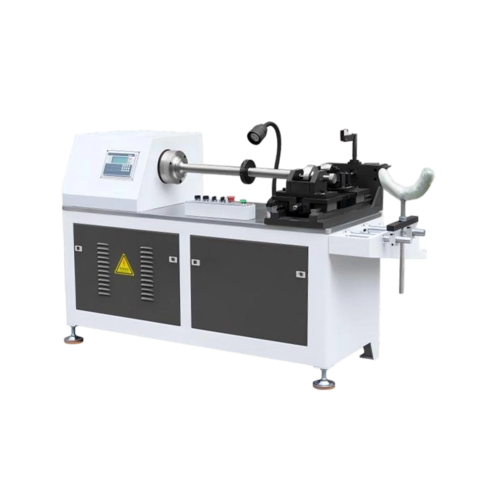
The CNC Pipe Cutting Machine is designed for high-precision cutting of stainless steel pipes, especially suited for cup ...
See Details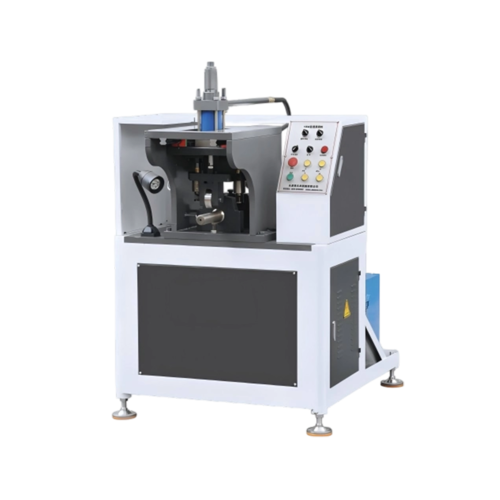
The Hydraulic Welding Seam Flatten Rolling Machine is a specialized piece of equipment designed for rolling and leveling...
See Details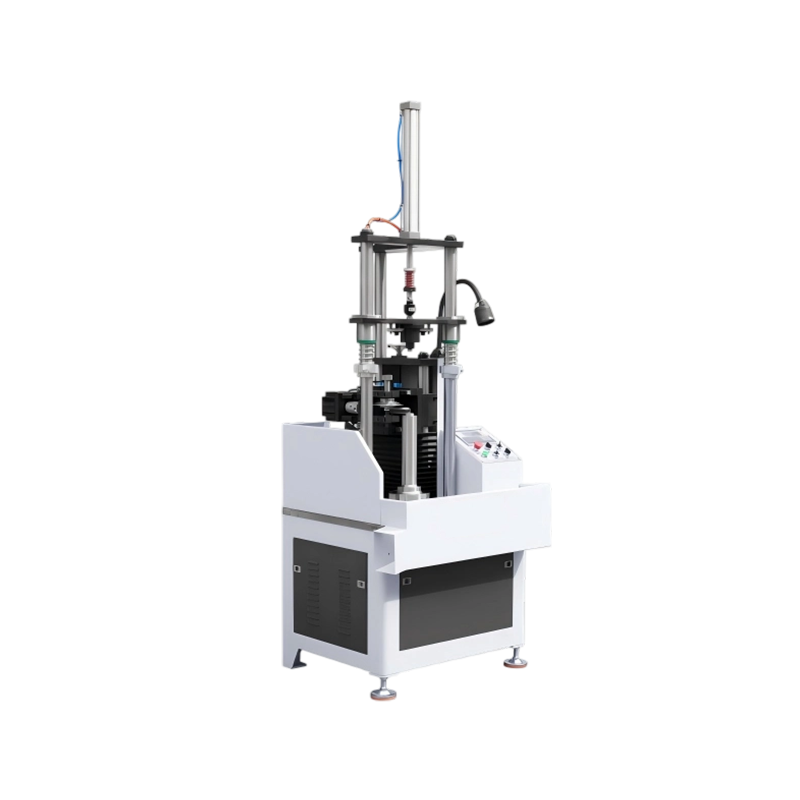
The CNC Rim Neck Cutting Machine is a high-precision, fully automated equipment designed for cutting and trimming the wa...
See Details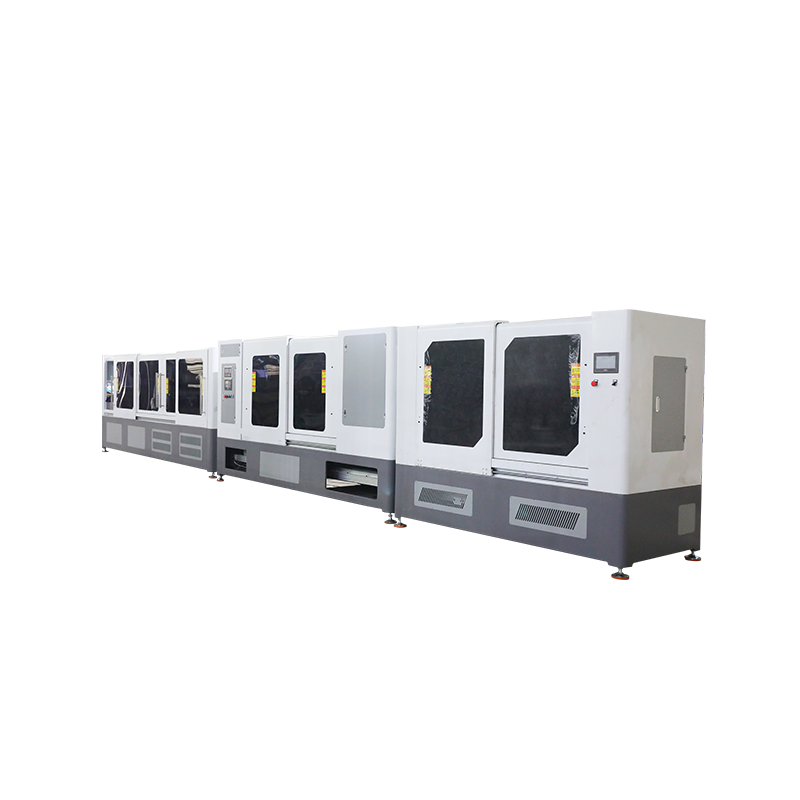
The Fully Automatic Pipe Drawing Machine for Thermos is a precision-engineered production system. It integrates laser pi...
See Details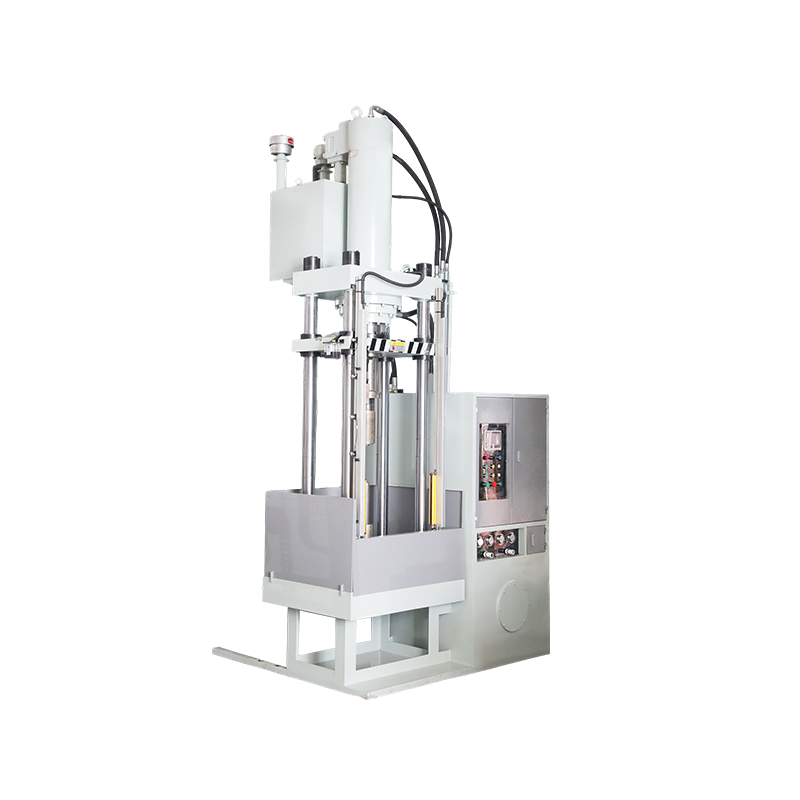
The Water Bulging Bottle Making Machine is made for the precision forming process of both the outer shell and inner line...
See Details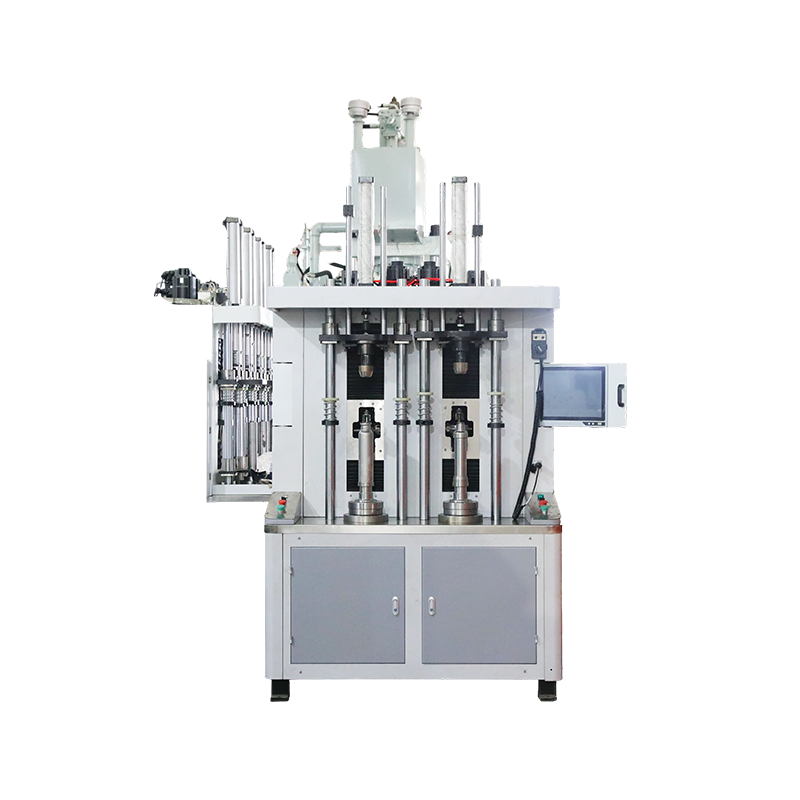
The Double Station CNC Tube End Shrinking Machine is designed for the spinning and compressing process of cup and pot mo...
See Details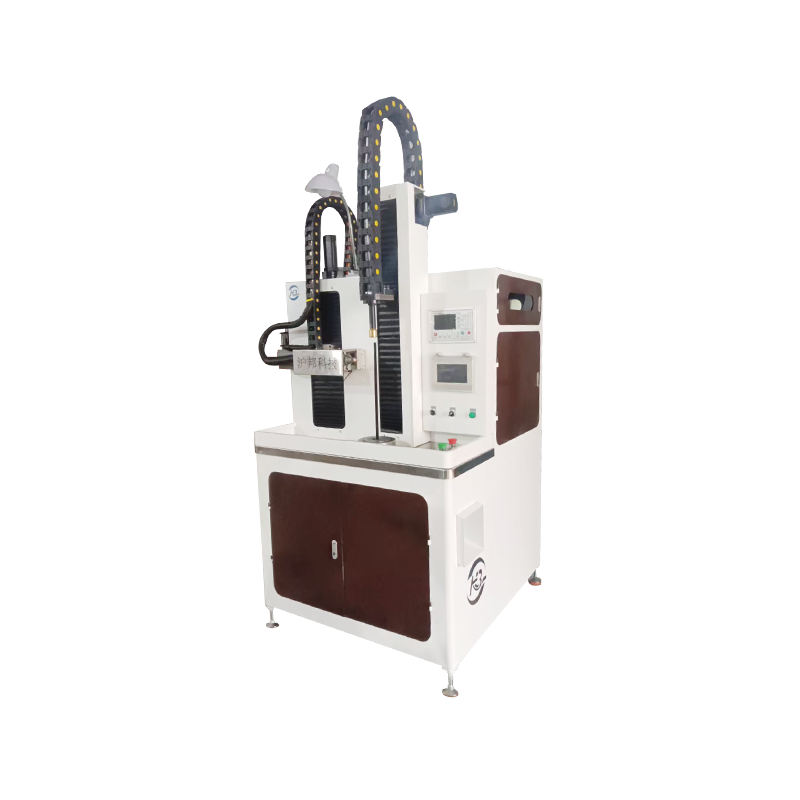
The Laser Bottle Flask Dividing Machine is designed for precision processing of various cup and pot components, includin...
See Details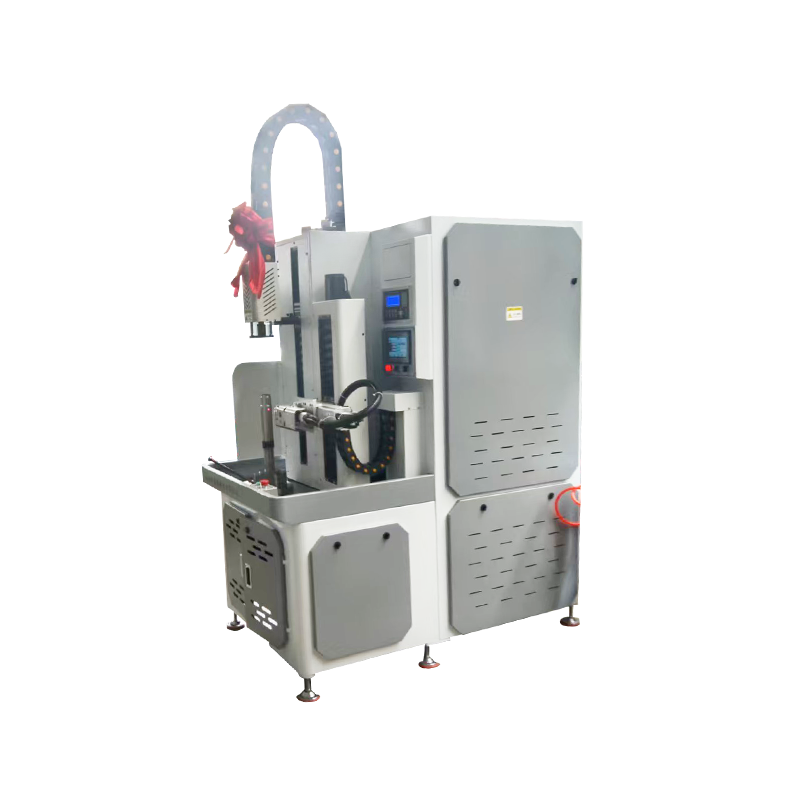
The Automatic Laser End Cutting Machine for Vacuum Flask is a high-precision equipment designed for efficient cutting of...
See Details
Yongkang Hubang Machinery Technology Co., Ltd.

No. 223, Chengxin Road, Economic Development Zone, Dongcheng Street, Yongkang City, Jinhua City, Zhejiang Province, China
Copyright © Yongkang Hubang Machinery Technology Co., Ltd.

Stainless Steel Flask Making Machine Supplier


