 English
 русский

The CNC Pipe Cutting Machine is designed for high-precision cutting of stainless steel pipes, especially suited for cup ...
See Details
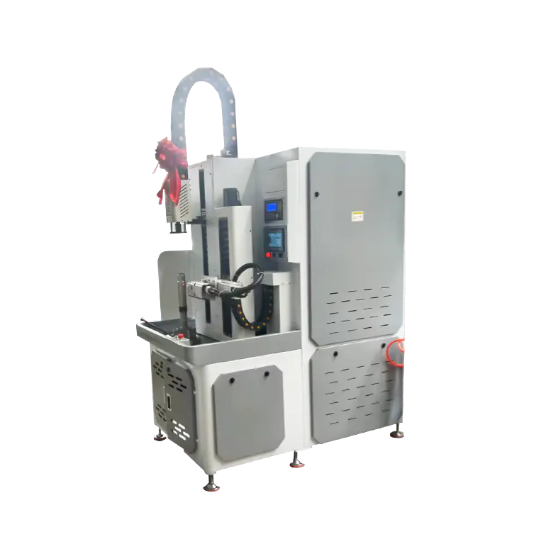
Manufacturing is becoming more connected, organized, and responsive to changing production needs. Across different industries, companies are examining how repetitive work, material movement, product assembly, and routine inspection can be handled more consistently.
Assembly line automation equipment has become part of this discussion.
The term covers a broad group of equipment used to support tasks along a production line. Depending on the product and factory layout, automated equipment may assist with feeding materials, moving components, assembling parts, checking products, sorting items, or preparing finished goods for the next stage.
Its role is not limited to one type of factory.
A small component manufacturer may use automation for repeated assembly work. A packaging facility may use automated handling and sorting. A consumer product manufacturer may use equipment to coordinate several steps in one production flow.
The application depends on what needs to be produced and how the production process is organized.
Automation equipment can be used in many manufacturing environments because production lines often contain repeated activities.
The equipment can support a single task or several connected tasks. Some production lines use automation to handle simple repetitive movements. Others combine different types of equipment to create a more connected workflow.
Common manufacturing areas include:
| Manufacturing Area | Possible Automation Applications |
|---|---|
| Automotive products | Component assembly, material movement, inspection |
| Electronics | Part placement, assembly, testing, handling |
| Household products | Product assembly, sorting, packaging |
| Consumer goods | Component handling, assembly, labeling |
| Electrical products | Assembly, inspection, material transfer |
| Packaging | Filling, closing, sorting, packing |
| Hardware products | Part feeding, assembly, checking |
| Medical products | Controlled handling, assembly, inspection |
| Food-related manufacturing | Product handling, sorting, packing |
| Industrial equipment | Component assembly, movement, testing |
The level of automation can vary greatly.
Some manufacturers may automate one repetitive task while keeping other activities manual. Others may build a more connected production line where several stages work together.
This flexibility makes assembly line automation equipment relevant to factories with different production models.
Component assembly is one of the most familiar uses of automation equipment.
Many products contain several individual parts. Workers or machines need to bring these parts together in an organized sequence.
When the same assembly task is repeated throughout a production cycle, automation can provide a consistent way to handle the work.
For example, a production line may involve:
The exact process varies by product.
Automation equipment can help connect these stages so that products move through the line in an organized manner.
This can be useful when manufacturers need to handle repeated assembly tasks without constantly changing the production arrangement.
It also gives factories more options when planning how workers and equipment should share responsibilities.
Some tasks may remain manual because they require judgment or product-specific handling. Other repetitive activities can be supported by automated equipment.
Electronics manufacturing often involves a ton of small components and repeated production steps.
Products might need components positioned, connected, checked, and shuffled between different stages one after another.
Automation equipment supports these activities by helping move parts through the production process smoothly.
Material handling matters a lot here in particular.
Small components can be genuinely tricky to manage once they need to travel through several workstations. Automated feeding and transfer equipment genuinely helps organize how parts flow through the line.
Inspection can get folded right into an automated process too.
A production line might check whether a component's actually present, whether an assembly's been completed properly, or whether a product meets the required look.
None of this means automation replaces every human task, to be clear.
Workers still stay heavily involved in setup, supervision, maintenance, quality decisions, and other activities that genuinely demand practical judgment.
Automation instead takes over the repeatable parts of the process.
Automotive manufacturing is another area where assembly line automation equipment genuinely plays a significant role.
Vehicles contain a huge number of components. These parts need to reach the right spot and get assembled in a planned order.
Automation supports material movement, component assembly, product inspection, and a bunch of other repeated activities throughout.
Different sections of an automotive production line often need genuinely different equipment.
One area might focus purely on assembling components. Another might move parts between workstations. A later stage might check the finished product before it moves on.
That builds a genuinely interconnected workflow across the whole line.
The same basic concept applies to automotive components too, not just complete vehicles.
Manufacturers producing seats, electrical parts, interior components, mechanical parts, or other vehicle-related products often use automated equipment to support their own repeated production tasks.
Which equipment actually gets picked depends on the product, factory layout, and production method in play.
Packaging is another common application.
A finished product often needs to be placed into suitable packaging before it leaves the production area. This may involve moving the product, preparing packaging materials, closing packages, applying labels, or sorting finished goods.
These activities are often repetitive.
Automation equipment can help coordinate them.
For manufacturers handling large numbers of similar products, automated packaging equipment can connect the final production stage with storage or distribution.
The process can also be adapted to different product shapes and packaging arrangements.
For example, a line may separate products into groups before sending them to a packaging area. Another process may move completed packages toward inspection or storage.
Automation can therefore extend beyond assembly itself.
The wider production line can be viewed as a connected system where assembly, inspection, packaging, and material movement support one another.
Material movement is easy to overlook, but it has a major influence on production flow.
Components need to move from storage to production areas. Partially assembled products need to travel between workstations. Finished goods need to reach packaging or storage.
If these movements depend entirely on manual handling, production can become harder to coordinate.
Assembly line automation equipment can support material transfer within the production area.
Possible applications include:
The goal is not simply to move products faster.
A well-planned material flow can help reduce unnecessary movement and keep different production stages connected.
This can be particularly useful in factories where workstations are arranged close together and products need to move through a defined sequence.
Production does not end when an item has been assembled.
Manufacturers may need to check the product before it moves to packaging or storage.
Inspection can involve checking appearance, position, completeness, or other product requirements.
Automation equipment can support some of these repeated checks.
For example, a production line may use equipment to identify whether a component is present. It may also separate products that need additional attention.
This creates a link between production and quality control.
Automated handling can also reduce unnecessary movement after inspection. A product that passes the required check can continue to the next stage, while another item can be directed elsewhere for review.
The exact process depends on the type of product.
Human workers remain important when an inspection requires judgment, interpretation, or detailed evaluation.
Automation works particularly well when the task can be clearly defined and repeated in a consistent manner.
Automation is no longer limited to factories producing one product in a fixed arrangement.
Many manufacturers need to respond to changes in product design, order types, and production requirements.
This has increased interest in flexible automation.
A flexible production line can allow manufacturers to adjust equipment or workflows when the product changes.
For example, a factory may produce several versions of a similar product. The assembly process may share some steps while requiring different handling at other stages.
Automation equipment can be arranged to support these differences.
This approach can also help manufacturers gradually upgrade existing production lines.
Instead of replacing an entire production system, a company may introduce automation into a specific area where repetitive work creates a clear opportunity.
The change can be more manageable when the equipment is selected around an existing workflow.
Choosing automation equipment should begin with the production process rather than the equipment itself.
Manufacturers need to understand where the repeated tasks occur and what problems they are trying to address.
A useful assessment can include several questions.
1. Which task is being automated?
A clearly defined task is easier to evaluate. Manufacturers can identify whether the work involves assembly, movement, inspection, sorting, or packaging.
2. How does the task connect to other stages?
Automation should fit into the wider production flow. A machine that performs one task well may still create problems if products cannot move smoothly to the next stage.
3. What materials are involved?
The shape, weight, size, and handling requirements of components can influence equipment selection.
4. How often does the product change?
A production line that handles several product types may need a different automation approach from a line that produces one fixed product.
5. How will workers interact with the equipment?
Automation should be planned around practical operation, supervision, maintenance, and safety.
6. How will the equipment be maintained?
Regular inspection and maintenance are part of long-term equipment management.
These questions can help manufacturers avoid choosing equipment based only on general claims.
The right solution is closely connected to the actual production environment.
Assembly line automation equipment is increasingly being viewed as part of a broader production strategy.
Its role can extend from one workstation to the movement of products across an entire factory process.
A manufacturer may begin with a simple repetitive task. Later, other stages can be connected as production needs develop.
This gradual approach can make automation more practical for factories that do not want to redesign every part of their operation at once.
The most useful applications are often those where the production task is repeated, the workflow is clearly defined, and the equipment can work naturally with existing processes.
From component assembly and material handling to inspection and packaging, automation can support many parts of modern manufacturing.
Its value depends on how well the equipment fits the product, workflow, workers, and production environment.
As factories continue to examine ways to organize repetitive work, Assembly Line Automation Equipment provides manufacturers with another option for connecting individual production tasks into a more structured manufacturing process.
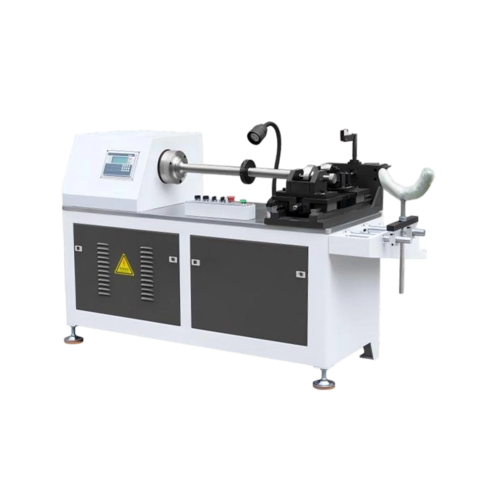
The CNC Pipe Cutting Machine is designed for high-precision cutting of stainless steel pipes, especially suited for cup ...
See Details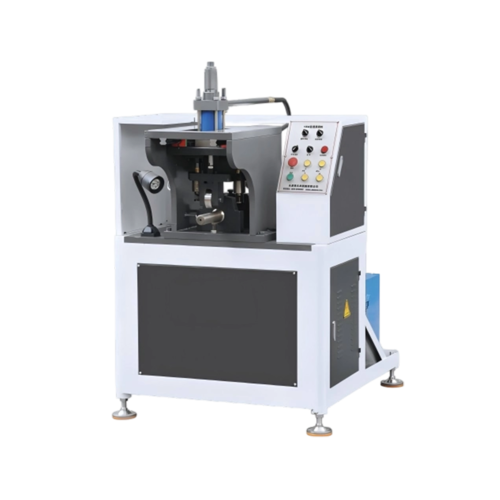
The Hydraulic Welding Seam Flatten Rolling Machine is a specialized piece of equipment designed for rolling and leveling...
See Details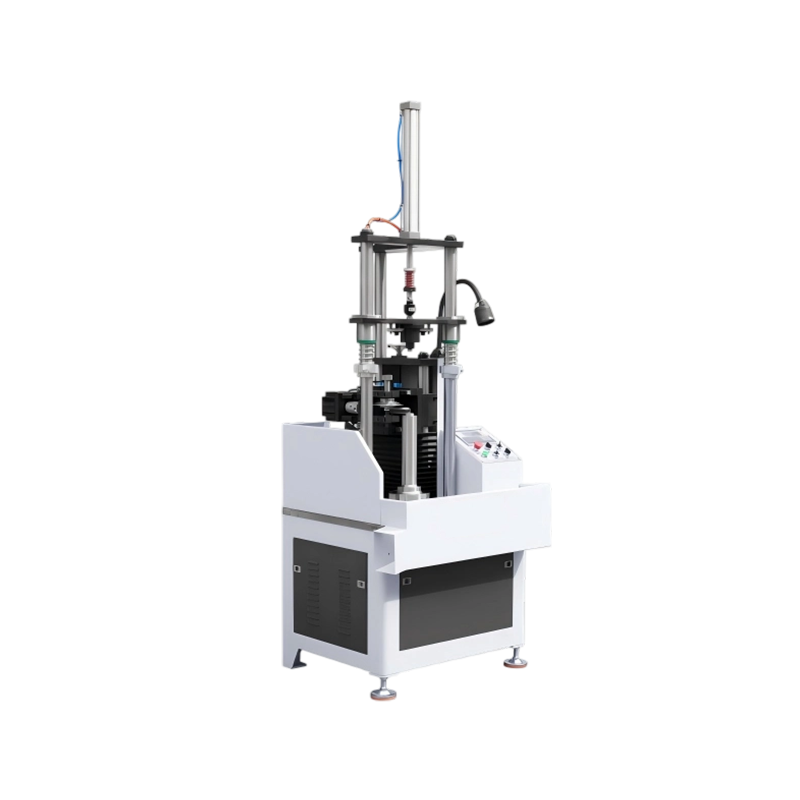
The CNC Rim Neck Cutting Machine is a high-precision, fully automated equipment designed for cutting and trimming the wa...
See Details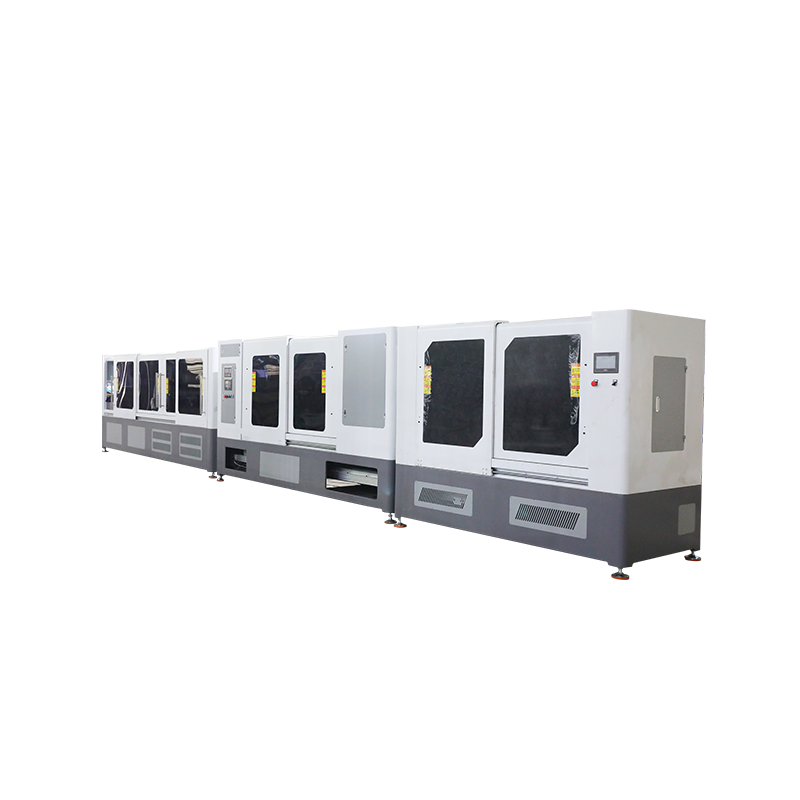
The Fully Automatic Pipe Drawing Machine for Thermos is a precision-engineered production system. It integrates laser pi...
See Details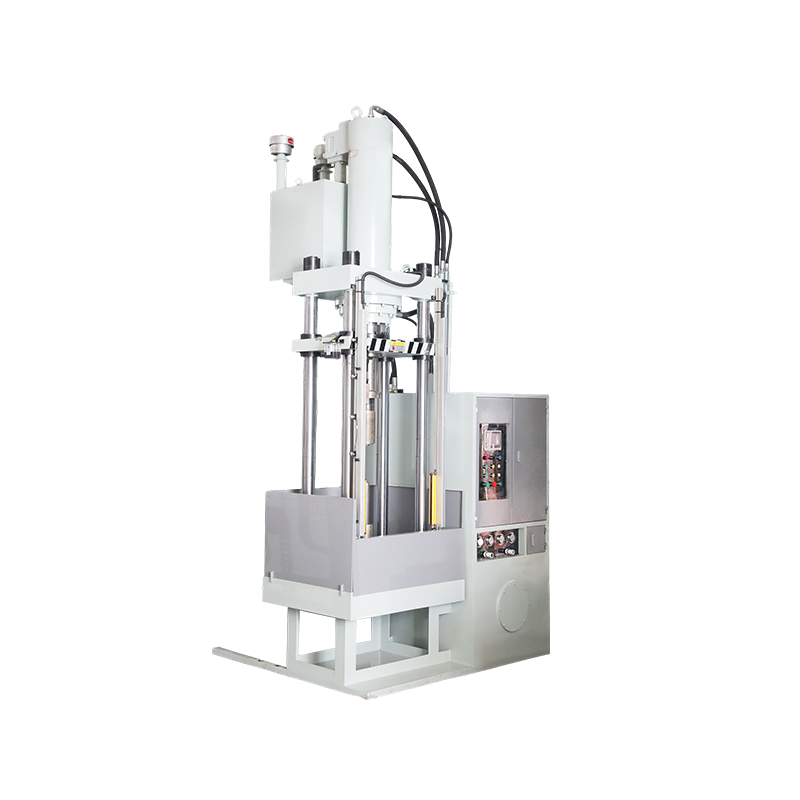
The Water Bulging Bottle Making Machine is made for the precision forming process of both the outer shell and inner line...
See Details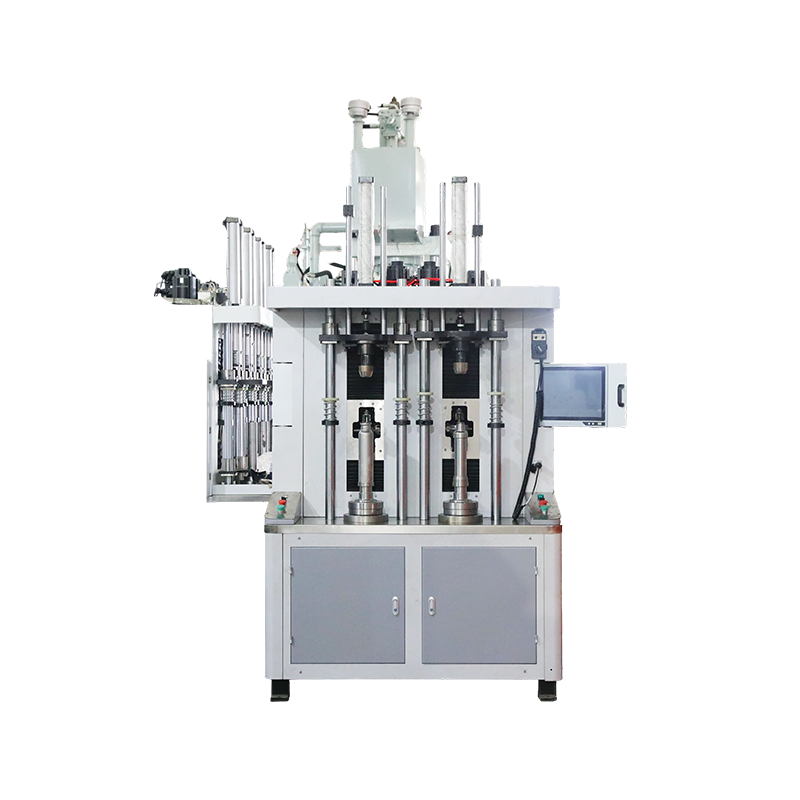
The Double Station CNC Tube End Shrinking Machine is designed for the spinning and compressing process of cup and pot mo...
See Details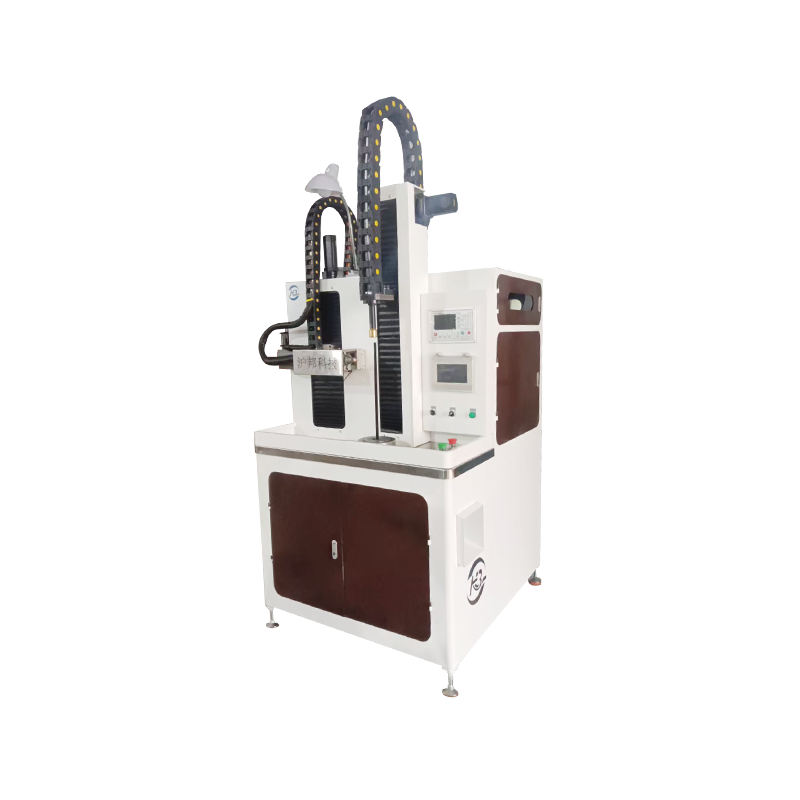
The Laser Bottle Flask Dividing Machine is designed for precision processing of various cup and pot components, includin...
See Details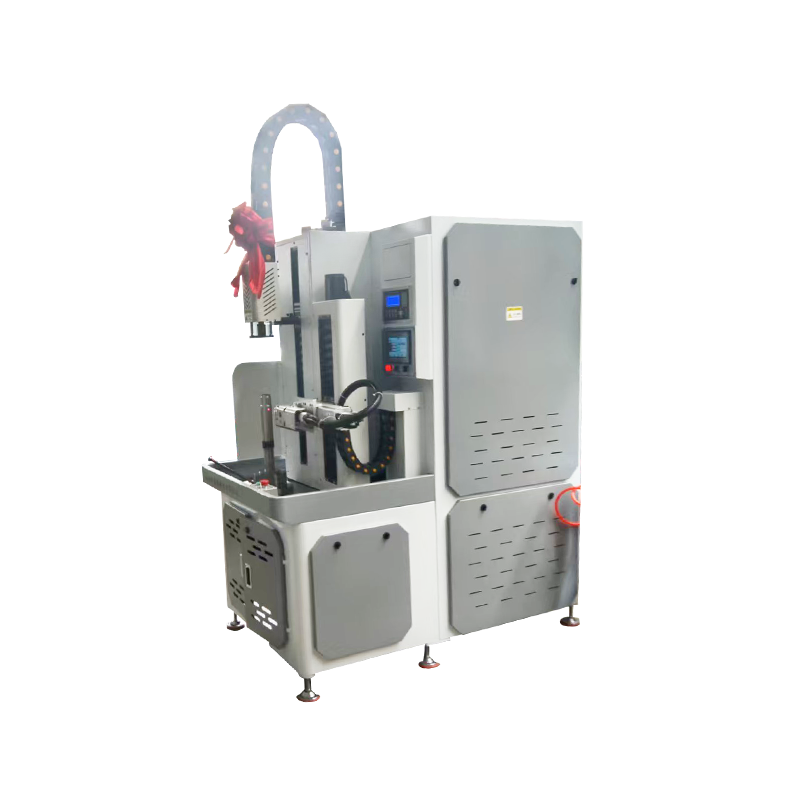
The Automatic Laser End Cutting Machine for Vacuum Flask is a high-precision equipment designed for efficient cutting of...
See Details
Yongkang Hubang Machinery Technology Co., Ltd.

No. 223, Chengxin Road, Economic Development Zone, Dongcheng Street, Yongkang City, Jinhua City, Zhejiang Province, China
Copyright © Yongkang Hubang Machinery Technology Co., Ltd.

Stainless Steel Flask Making Machine Supplier


