 English
 русский

The CNC Pipe Cutting Machine is designed for high-precision cutting of stainless steel pipes, especially suited for cup ...
See Details
Bottle design is genuinely changing in response to consumer habits, product positioning, and the growing interest in reusable drinkware. A bottle might be tall and narrow, short and wide, rounded, square-shaped, or designed with a distinctive profile. Even small changes in shape can genuinely affect how a bottle gets produced.
This genuinely raises a practical question for manufacturers: can one flask machine adapt to different bottle designs?
The answer genuinely depends on the machine, the production process, and the type of design being produced. A machine designed around a narrow range of bottle shapes might carry limited flexibility. A more adaptable production setup can genuinely accommodate a wider variety of designs.
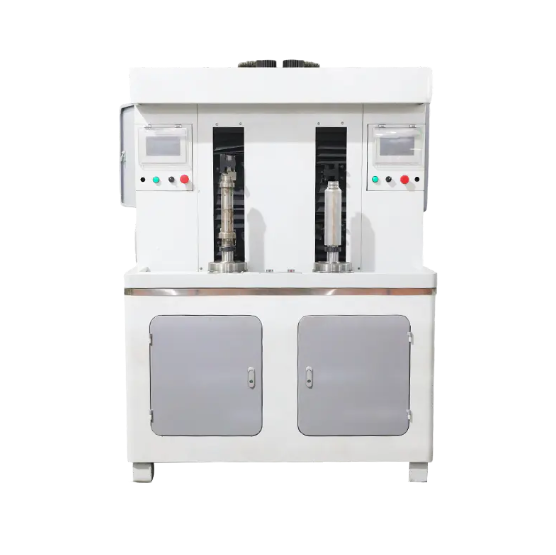
This issue genuinely matters because bottle manufacturers are rarely dealing with one permanent product. They might need to produce different shapes for different markets. They might also adjust designs as consumer preferences change.
A flask machine therefore genuinely needs to fit into a broader production strategy. Flexibility can genuinely influence how manufacturers approach product development, production planning, and equipment selection.
The traditional image of a flask is relatively simple. Many people think of a straight cylindrical container with a basic lid. Modern drinkware has moved beyond that familiar shape.
Consumers now encounter bottles designed for different lifestyles and uses. Some are made for carrying in bags. Others are shaped for vehicle cup holders. Some focus on a compact appearance, while others use larger bodies for longer periods of use.
Design also plays a role in product identity.
A manufacturer may want a bottle to look different from similar products on the market. This can involve the body shape, shoulder area, base, neck, or overall proportions.
These changes create more production requirements.
A machine that works well with one bottle design may not automatically suit another. The production process needs to accommodate changes without making every new design feel like an entirely new manufacturing project.
This is where machine flexibility becomes important.
A flexible machine does not necessarily mean that one machine can produce every possible bottle shape. It means the machine can be adjusted or configured to support a suitable range of designs within its intended production role.
That distinction helps manufacturers set realistic expectations.
Bottle shape genuinely carries a direct relationship with the production process.
A simple cylindrical bottle might follow a relatively familiar manufacturing route. A bottle with curves, changes in width, or unusual proportions might require a different approach.
The shape can genuinely influence how the material gets formed, how the bottle moves through the production process, and how different stages get coordinated.
Manufacturers should therefore genuinely consider the bottle design before selecting equipment.
Several design features may be relevant:
| Bottle Design Factor | Why It Matters to Machine Selection |
|---|---|
| Body Shape | Different profiles may require different forming approaches. |
| Bottle Width | Influences how the product fits within the production setup. |
| Neck Design | May affect later processing and assembly. |
| Base Shape | Can influence positioning and stability during production. |
| Curved Sections | May require greater process flexibility. |
| Decorative Features | Can introduce additional production considerations. |
| Product Variety | Determines how often equipment may need adjustment. |
The goal is not simply to find a machine that can produce one bottle.
A manufacturer should think about the range of products it expects to make.
If a business plans to produce several bottle styles, equipment flexibility may become more valuable than a setup designed around only one shape.
In many cases, a machine can support more than one bottle design, but the degree of flexibility varies.
Some machines are designed around a particular product category. Their operating range may allow several related shapes while remaining focused on a defined type of bottle.
Other production setups may provide more adjustment options. This can make it easier to move between designs without replacing the entire production system.
The key issue is compatibility.
A bottle design needs to match the machine's intended production process. If the shape is outside that range, additional equipment or a different production method may be required.
Manufacturers should avoid assuming that flexibility means unlimited compatibility.
A practical approach is to group bottle designs into families.
For example, a manufacturer may have several cylindrical bottles with different proportions. These products may be relatively close in production requirements.
Another group may include bottles with more complex curves or distinctive shapes. These may require a different setup.
This way of thinking makes equipment planning more realistic.
Instead of asking, "Can this machine make every bottle?", manufacturers can ask, "Which bottle designs can this machine support, and how easily can we move between them?"
That is a more useful question for production planning.
Product development does not always follow a fixed path.
A design team may create several bottle concepts before deciding which shape fits a particular market. Consumer feedback may also encourage a manufacturer to adjust an existing design.
If the production equipment is highly restricted, even a small design change can create additional challenges.
Flexible equipment can provide more room for experimentation.
Manufacturers can consider different bottle profiles without immediately rebuilding an entire production process. This can make the relationship between product design and manufacturing more practical.
It also encourages communication between design and production teams.
Designers need to understand what the manufacturing process can support. Production teams need to understand why a new shape is being considered.
When these groups work together, equipment flexibility becomes more useful.
The machine is no longer viewed simply as a production device. It becomes part of the product development process.
This can be particularly relevant for companies that regularly introduce new bottle styles.
A manufacturer producing one fixed product may have limited need for flexibility. A business serving different customers or product categories may place much greater value on adaptable equipment.
Machine flexibility can come from several aspects of the production setup.
Adjustability is one important factor. If the equipment can be adjusted to suit different product shapes, manufacturers may have more freedom when planning production.
Changeover also matters.
A production line that requires a complicated process to move from one bottle design to another may reduce the practical value of its flexibility. A simpler transition can make product variety easier to manage.
The supporting equipment is important as well.
A machine rarely operates alone. Bottle production may involve several connected stages. If one stage can handle different designs but another stage cannot, the overall production process may still be limited.
This means manufacturers should evaluate the complete workflow.
A useful way to view adaptability is through four areas:
Design range
What types of bottle shapes can the equipment support?
Adjustment
How easily can the setup accommodate a different design?
Production flow
Can other stages of the process work with the same range of products?
Future needs
Is the equipment likely to remain useful if the product range changes?
Looking at these areas can help manufacturers avoid focusing too heavily on one machine feature.
Bottle shape is not the only consideration.
The material used in production can also influence how a bottle is formed and processed. Different materials can respond differently to manufacturing conditions.
For stainless steel flask production, the relationship between material and shape can be particularly important. A simple shape may be easier to manage than a design with multiple curves or changes in profile.
Manufacturers therefore need to consider the interaction between material, design, and equipment.
A bottle that looks simple on a computer screen may present different production needs once it enters the manufacturing process.
This is why early production testing can be useful.
Rather than developing a design in isolation, manufacturers can consider how the proposed shape fits the available equipment.
Such an approach can reduce the gap between design ideas and practical manufacturing.
It also gives product designers a clearer understanding of what types of shapes are realistic for the intended production process.
Production variety is becoming an important issue for many manufacturers.
A business may not want to produce one bottle design for years. Market demand can change. Customers may request different shapes. New product categories may require another appearance.
This creates a need for equipment that can support change.
A manufacturer with a diverse product range may benefit from equipment that can handle related designs within the same production environment.
A manufacturer with a narrow product range may have different priorities.
The table below illustrates how production strategy can influence equipment considerations:
| Production Approach | Equipment Consideration |
|---|---|
| One Main Bottle Design | Consistent production may be the main focus. |
| Several Related Designs | Adjustment flexibility becomes more important. |
| Frequent Product Updates | Easy design changes can support production planning. |
| Different Customer Requirements | A wider production range may be useful. |
| New Product Development | Equipment flexibility can support design exploration. |
This does not mean flexibility should always be the deciding factor.
Equipment should match the actual business model.
Buying a machine with capabilities that will never be used may add unnecessary complexity. Choosing a machine with too little flexibility may create limitations later.
The right balance depends on the manufacturer's product strategy.
Automation is influencing how manufacturers approach bottle production.
Automated equipment can help organize repeated production tasks and create more consistent workflows. It can also support adjustments between different product designs when the production setup is designed with flexibility in mind.
The important point is that automation and flexibility are not automatically the same thing.
A highly automated machine may still be designed for one narrow product range.
A more adaptable automated system can offer a different value. It can combine repeatable production with the ability to support multiple bottle designs.
This is becoming more relevant as manufacturers look for ways to manage product variety without creating unnecessary production complexity.
Automation can also improve communication between different production stages.
When equipment is coordinated as part of a larger system, manufacturers can plan product changes more carefully. This can help reduce interruptions when moving between related bottle designs.
The future of machine development may therefore involve a balance between automation and adaptability.
The goal is not simply to automate more tasks. It is to create a production environment that can respond to changing product requirements.
The most useful questions are often practical rather than purely technical.
Manufacturers can begin by examining their current and planned bottle designs.
What shapes are currently in production?
This establishes the actual requirements rather than relying on assumptions.
How often will bottle designs change?
Frequent changes may make adjustment and changeover more important.
Will new product styles be introduced?
If product development is an important part of the business, equipment should leave enough room for future designs.
Can the supporting production stages handle the same product range?
A flexible machine is less useful if the rest of the production process cannot accommodate the same bottle designs.
How will operators manage product changes?
The people using the equipment need a clear and practical process for switching between designs.
Does the machine fit the long-term production strategy?
The equipment should make sense not only for current production but also for the direction the business expects to take.
These questions can help manufacturers evaluate a Vacuum Flask Machine from a broader perspective.
The discussion is ultimately about more than whether a machine can produce a particular bottle.
It is about whether the equipment can keep pace with the way bottle design is changing.
As reusable drinkware becomes more diverse, manufacturers are looking for ways to balance design freedom with practical production. Flask machines that can support a suitable range of bottle shapes may give manufacturers more room to respond to new product ideas, customer preferences, and changing production needs.
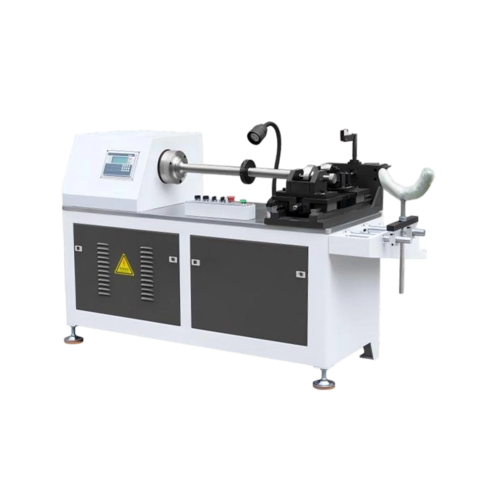
The CNC Pipe Cutting Machine is designed for high-precision cutting of stainless steel pipes, especially suited for cup ...
See Details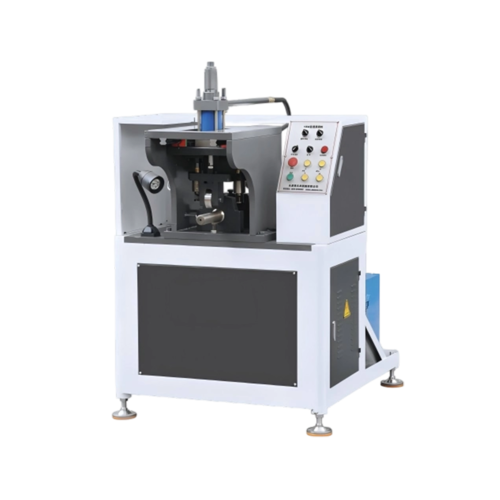
The Hydraulic Welding Seam Flatten Rolling Machine is a specialized piece of equipment designed for rolling and leveling...
See Details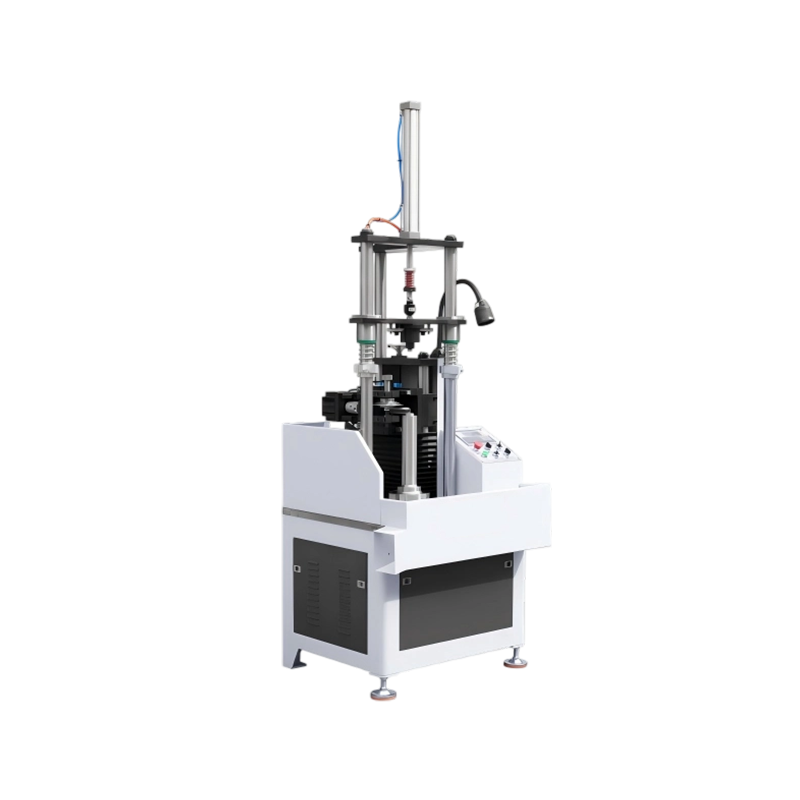
The CNC Rim Neck Cutting Machine is a high-precision, fully automated equipment designed for cutting and trimming the wa...
See Details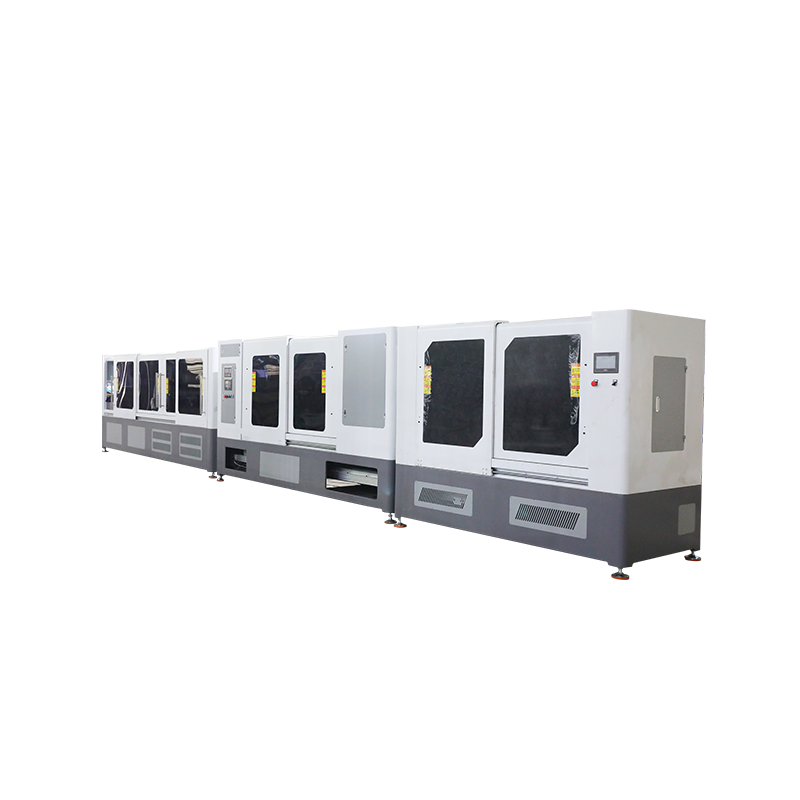
The Fully Automatic Pipe Drawing Machine for Thermos is a precision-engineered production system. It integrates laser pi...
See Details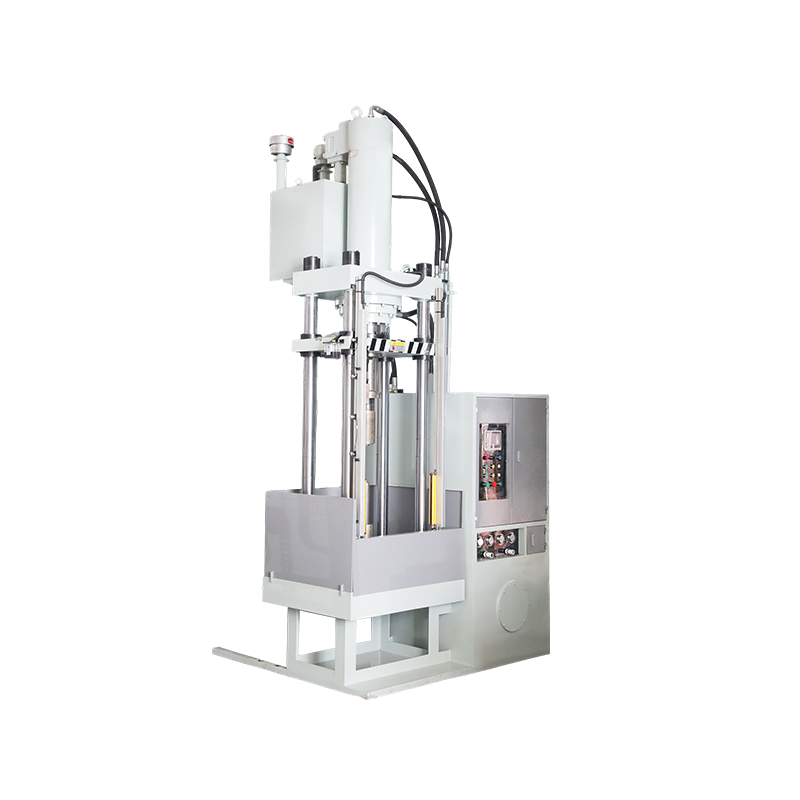
The Water Bulging Bottle Making Machine is made for the precision forming process of both the outer shell and inner line...
See Details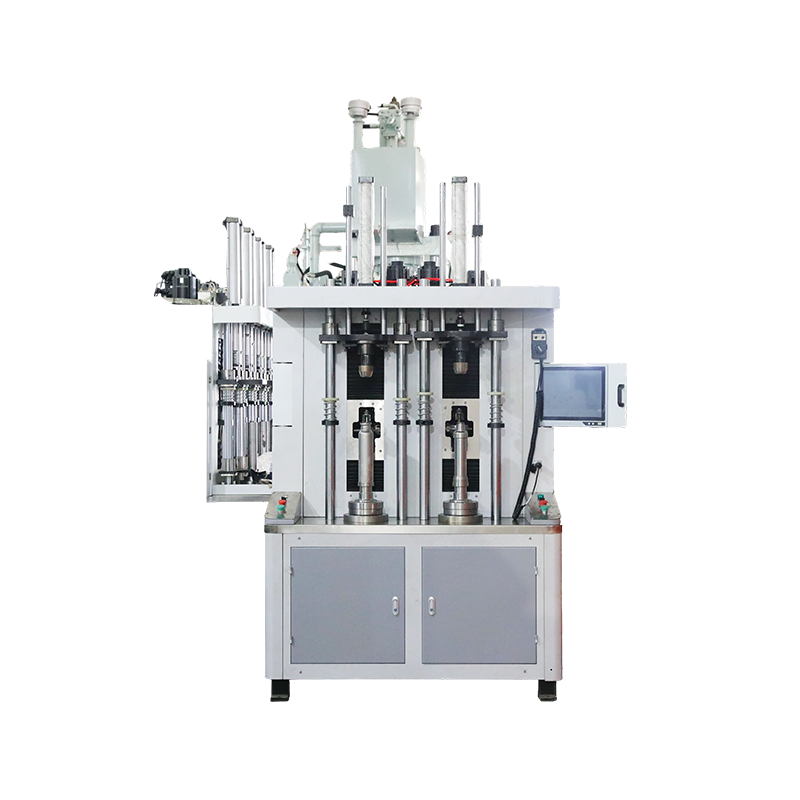
The Double Station CNC Tube End Shrinking Machine is designed for the spinning and compressing process of cup and pot mo...
See Details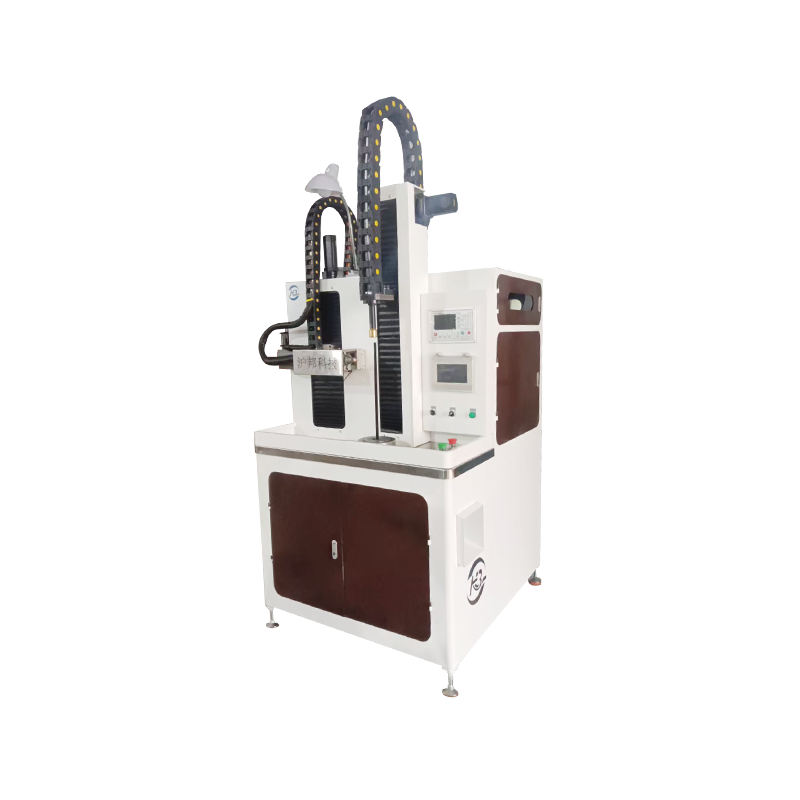
The Laser Bottle Flask Dividing Machine is designed for precision processing of various cup and pot components, includin...
See Details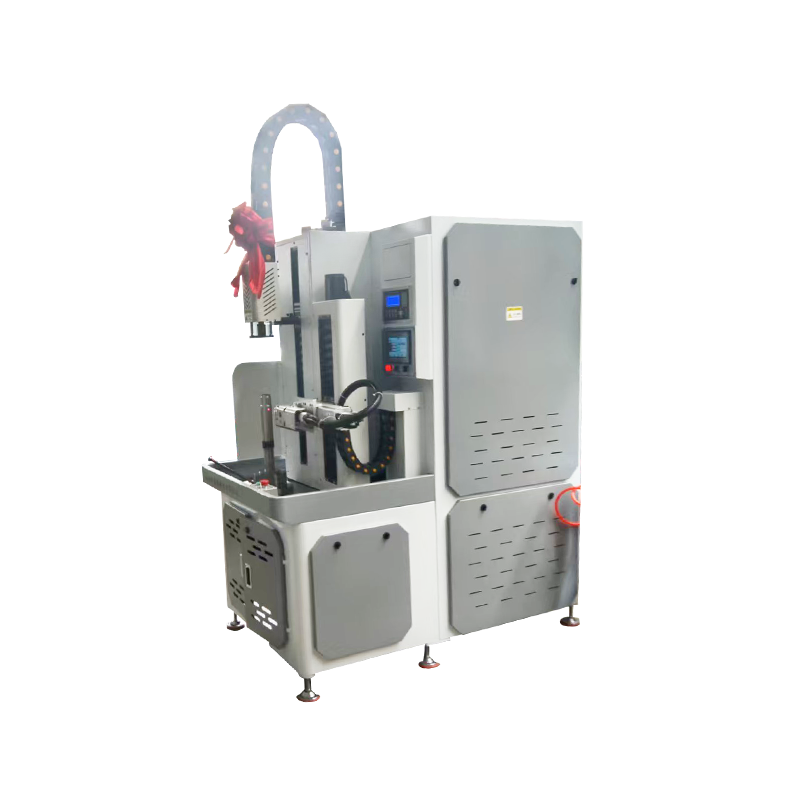
The Automatic Laser End Cutting Machine for Vacuum Flask is a high-precision equipment designed for efficient cutting of...
See Details
Yongkang Hubang Machinery Technology Co., Ltd.

No. 223, Chengxin Road, Economic Development Zone, Dongcheng Street, Yongkang City, Jinhua City, Zhejiang Province, China
Copyright © Yongkang Hubang Machinery Technology Co., Ltd.

Stainless Steel Flask Making Machine Supplier


