 English
 русский

The CNC Pipe Cutting Machine is designed for high-precision cutting of stainless steel pipes, especially suited for cup ...
See Details
Manufacturing industries are constantly looking for ways to improve production processes and respond to changing market needs. As product demand becomes more diverse, many companies are exploring solutions that help organize operations and improve workflow management.
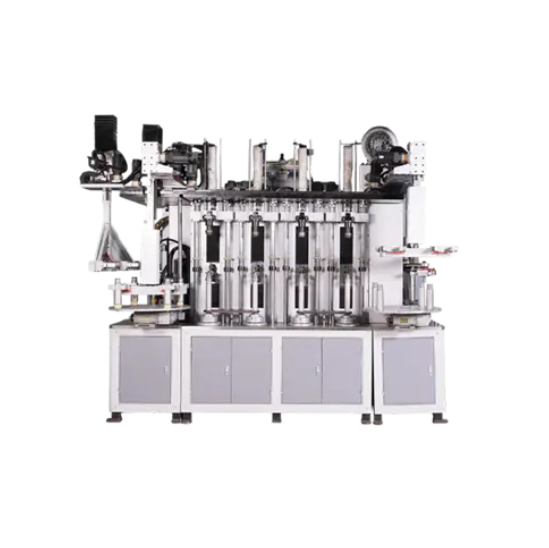
Automated Production Equipment has become an important part of this development. By supporting repeated production tasks and improving process organization, automation equipment helps manufacturers create more structured production environments.
Unlike traditional production methods that depend heavily on manual operation, automated systems can handle many routine activities with less direct intervention. This allows workers to focus on tasks that require planning, monitoring, and problem-solving.
The adoption of equipment is not only about increasing production speed. It is also related to improving workplace organization, supporting consistent product quality, and creating more flexible manufacturing processes.
Efficiency is probably the most obvious payoff, and it comes down to how well automation handles the coordination problem that manual production always struggles with.
Automated systems tend to deliver:
When production stages connect smoothly instead of stalling between steps, resources get used a lot more effectively across the board. Workers spend less time babysitting repetitive tasks and more time actually planning and managing quality.
That efficiency gain pays off in a pretty practical way too — a well-organized production line adapts a lot faster when customer orders suddenly shift or spike.
Manufacturers deal with a recurring set of headaches — labor shortages, inconsistent output, workflow chaos — and automation tackles a surprising amount of that directly.
| Manufacturing Challenge | How Automation Equipment Helps |
|---|---|
| Repetitive tasks | Supports automatic handling of regular operations |
| Workflow management | Creates more organized production processes |
| Production pressure | Helps maintain stable operation |
| Human error risks | Supports consistent task execution |
| Changing requirements | Provides flexible production support |
It's worth being clear, though — automation doesn't eliminate the human role here, it just changes it. People shift toward equipment management, process improvement, and the kind of decision-making machines simply can't do, while the machines themselves take over the routine grind.
Consistency is one of those things customers rarely notice when it's done right, but absolutely notice the moment it isn't. Every batch is expected to look and perform the same way as the last, and manual processes make that surprisingly hard to guarantee at scale.
Automated equipment solves this by executing the same planned process the exact same way, batch after batch, without the natural variation that creeps into manual work over a long shift.
That kind of consistency really pays off in industries like:
A stable, repeatable production process gives manufacturers a much stronger foundation for actually meeting quality expectations reliably, rather than hoping for the best batch to batch.
Plenty of manufacturing tasks involve repetitive motion or genuinely demanding physical conditions — exactly the kind of work that wears people down over time and raises injury risk. Automation takes a lot of that burden off workers directly.
The safety benefits tend to show up as:
A well-thought-out automated setup lets employees work more comfortably while the operation itself keeps humming along efficiently. That combination of safety and efficiency isn't a trade-off — it genuinely supports better long-term employee experience alongside stronger manufacturing management.
Resource management and sustainability have climbed way up the priority list for manufacturers, and automation turns out to be a genuinely effective tool for tightening up how materials actually get used.
That waste reduction shows up through:
Better-managed production naturally means better use of the resources already on hand. And this isn't purely an environmental win, either — cutting waste translates pretty directly into better cost control and more efficient operations across the board.
Automation has found its way into a genuinely broad range of industries, each one adapting it to their own particular production needs.
| Industry | Automation Application |
|---|---|
| Automotive manufacturing | Supporting vehicle component production |
| Electronics | Managing product assembly processes |
| Food and beverage | Improving production organization |
| Medical products | Supporting controlled manufacturing |
| Packaging | Handling repeated production activities |
That spread across such different sectors says something important — the underlying need for more organized, adaptable production systems is genuinely universal, regardless of what's actually being made.
Markets shift fast these days, and manufacturers increasingly need to pivot production quickly — different designs, different quantities, different arrangements — without grinding everything to a halt.
Automation helps in a few concrete ways:
Faster production adjustments
Automated systems can reorganize processes efficiently the moment requirements actually change.
Better workflow planning
Manufacturers get a much clearer view of production steps, making resource management noticeably more effective.
Multiple product needs
Flexible automation setups can shift between different manufacturing tasks depending on whatever the current production goal actually is.
That flexibility has genuinely become a competitive necessity for companies trying to keep pace with markets that don't sit still.
Picking the right automation setup takes real planning — every factory has its own particular needs, and the right solution depends heavily on the specific operating conditions on the ground.
| Consideration | Purpose |
|---|---|
| Production requirements | Matching equipment with manufacturing goals |
| Product characteristics | Supporting suitable production methods |
| Workplace conditions | Ensuring proper equipment integration |
| Maintenance needs | Supporting long-term operation |
| Future plans | Allowing room for production changes |
Smart automation planning weighs both current needs and where the business is actually headed. The right solution supports day-to-day production while still leaving enough room to adapt as future demands inevitably shift.
Manufacturing continues to move toward more organized, flexible, and efficient production models. Automated Production Equipment plays an important role in this transformation.
The value of automation goes beyond machine operation. It supports better production planning, improved workflow control, and stronger manufacturing management.
As companies continue to improve their production methods, automated equipment will remain an important part of modern industrial development. It helps manufacturers create more structured processes and adapt to changing production needs.
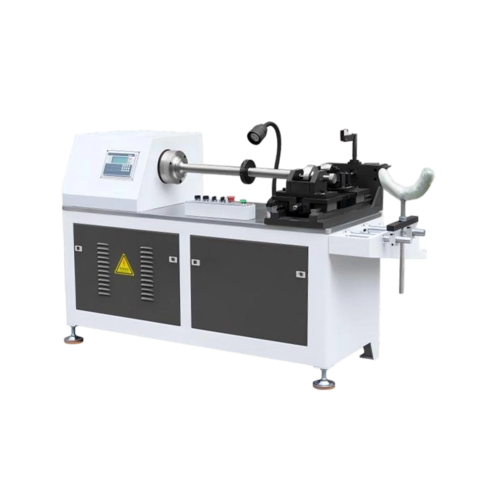
The CNC Pipe Cutting Machine is designed for high-precision cutting of stainless steel pipes, especially suited for cup ...
See Details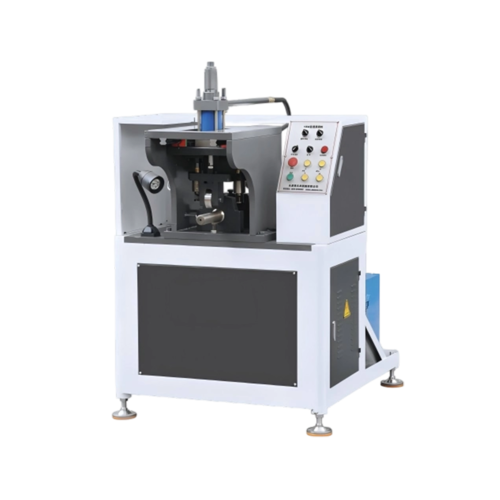
The Hydraulic Welding Seam Flatten Rolling Machine is a specialized piece of equipment designed for rolling and leveling...
See Details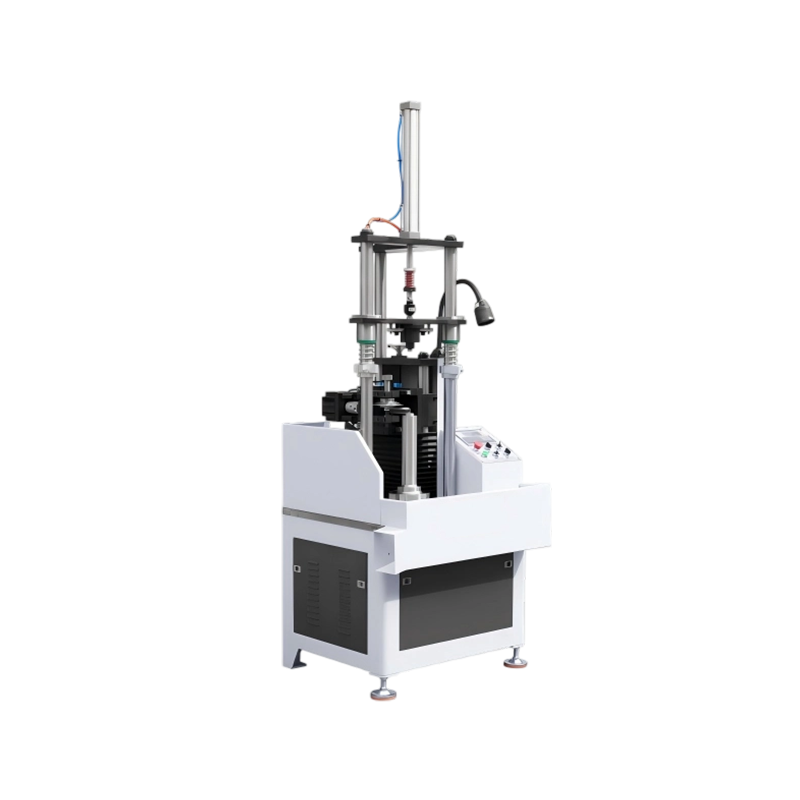
The CNC Rim Neck Cutting Machine is a high-precision, fully automated equipment designed for cutting and trimming the wa...
See Details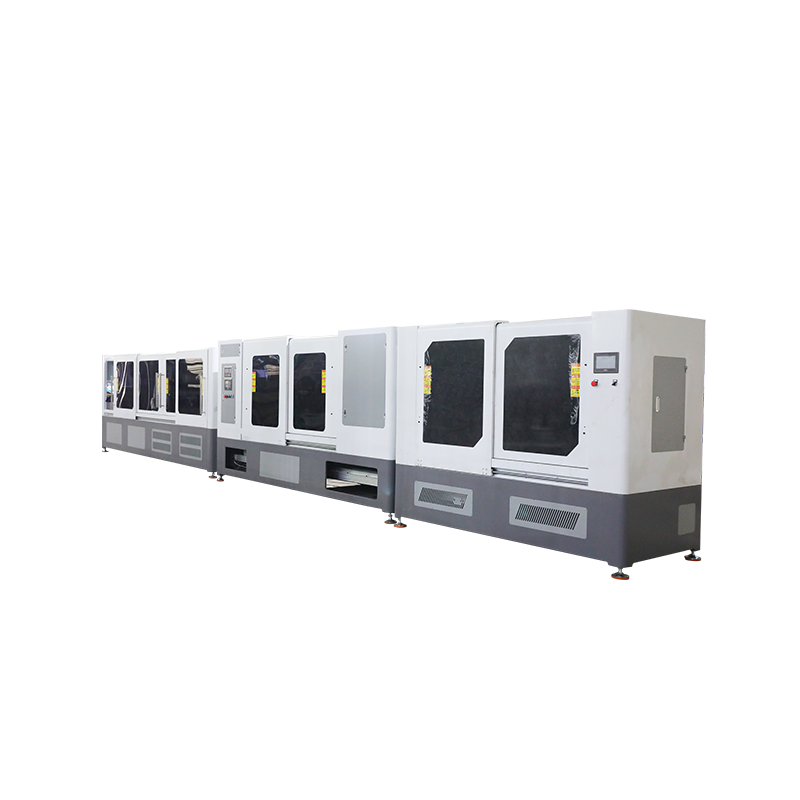
The Fully Automatic Pipe Drawing Machine for Thermos is a precision-engineered production system. It integrates laser pi...
See Details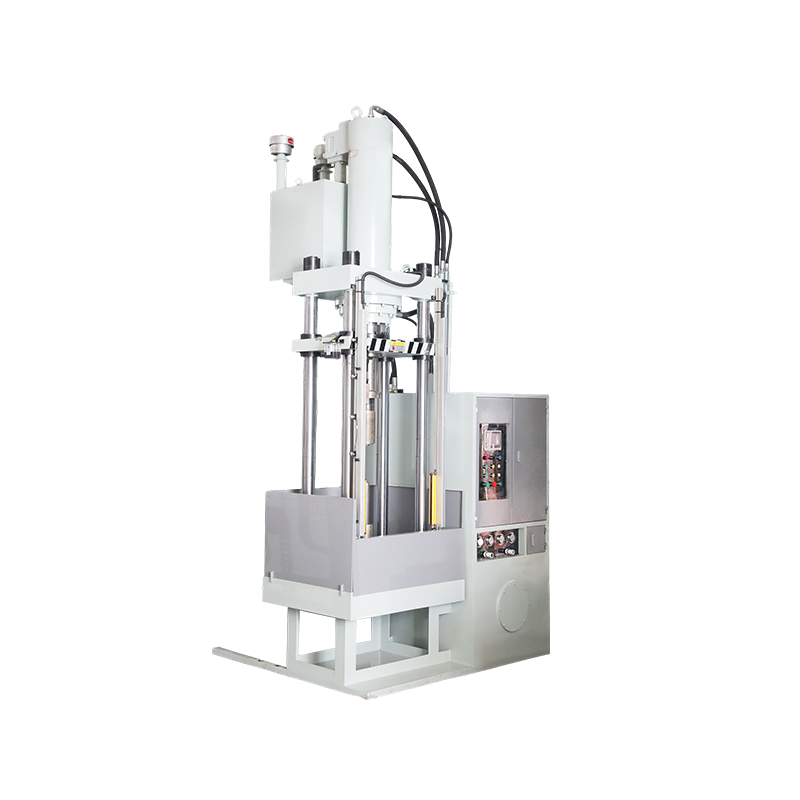
The Water Bulging Bottle Making Machine is made for the precision forming process of both the outer shell and inner line...
See Details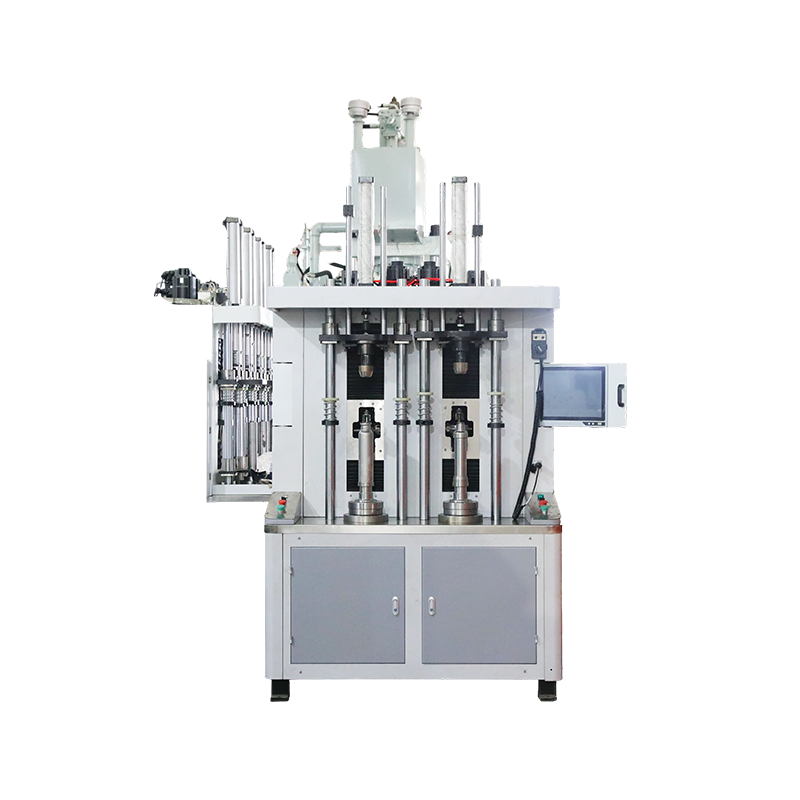
The Double Station CNC Tube End Shrinking Machine is designed for the spinning and compressing process of cup and pot mo...
See Details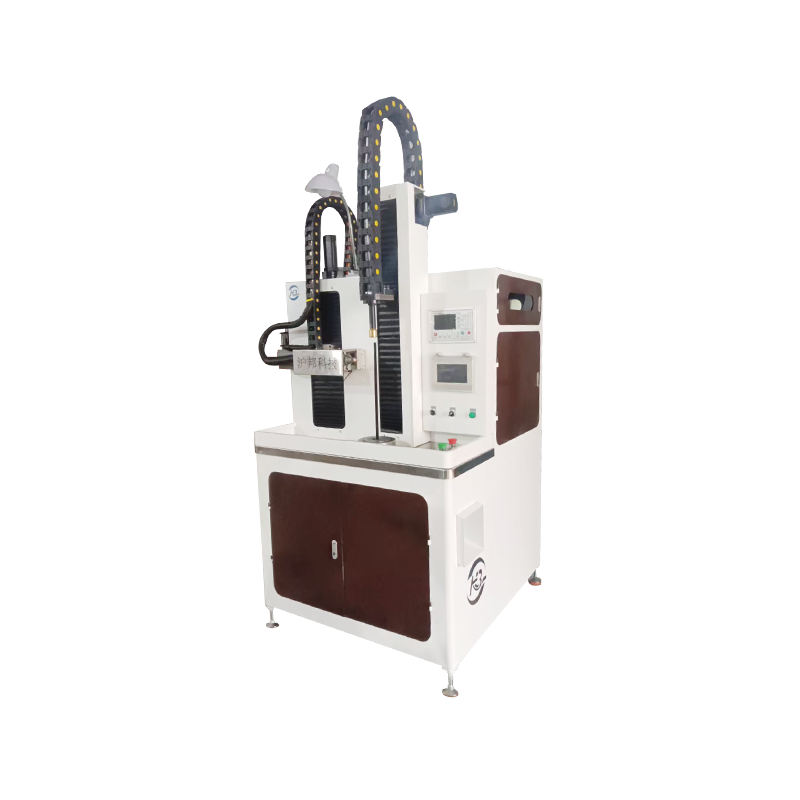
The Laser Bottle Flask Dividing Machine is designed for precision processing of various cup and pot components, includin...
See Details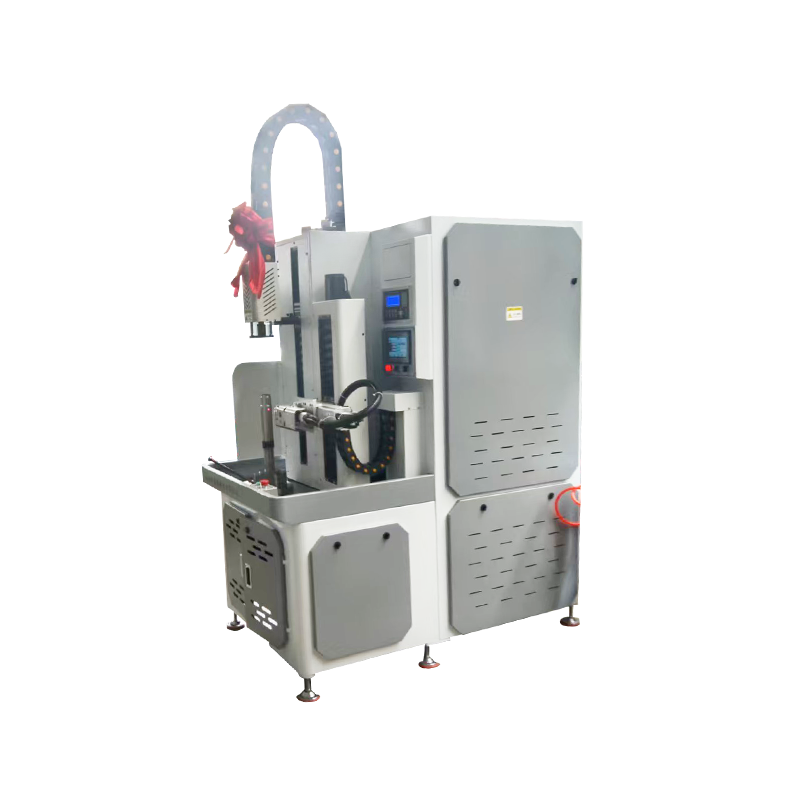
The Automatic Laser End Cutting Machine for Vacuum Flask is a high-precision equipment designed for efficient cutting of...
See Details
Yongkang Hubang Machinery Technology Co., Ltd.

No. 223, Chengxin Road, Economic Development Zone, Dongcheng Street, Yongkang City, Jinhua City, Zhejiang Province, China
Copyright © Yongkang Hubang Machinery Technology Co., Ltd.

Stainless Steel Flask Making Machine Supplier


