 English
 русский

The CNC Pipe Cutting Machine is designed for high-precision cutting of stainless steel pipes, especially suited for cup ...
See Details
Manufacturing floors run on repetition more than people usually realize. Materials need to move, production steps need prepping, and a steady workflow has to hold together through it all — and a lot of that leans on human effort that adds up fast over a shift. As factories keep looking for ways to sharpen their operations, automatic feeding equipment has become a genuinely important answer for cutting down on that repetitive manual load.
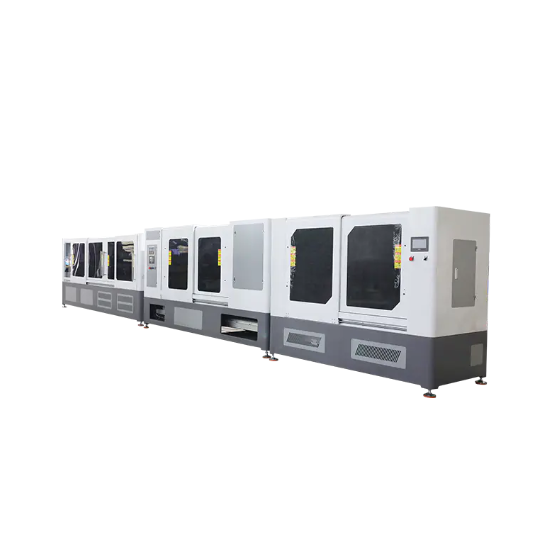
Feeding equipment exists to support how materials get moved and supplied throughout production. It bridges different stages of manufacturing together and frees up workers to focus on the parts of the job that actually demand attention and judgment.
The point of automation was never simply to swap machines in for people. It's about building a better balance between the two. By taking over routine material feeding, this kind of equipment helps factories tighten up their workflow and build a genuinely more efficient working environment.
Traditional manufacturing leans heavily on workers physically moving materials between production stages. Skilled employees matter enormously here, but repeated handling still eats up real time and energy day after day.
Feeding equipment shifts that dynamic by building a far more organized way to keep materials flowing. Instead of relying entirely on manual movement, factories can lean on equipment to keep production running continuously.
That shift shows up across several areas:
| Traditional Manual Process | With Automatic Feeding Equipment |
|---|---|
| Workers move materials repeatedly | Equipment supports material movement |
| Production speed depends heavily on manual operation | Workflow becomes more organized |
| More attention is needed for repetitive tasks | Workers can focus on other activities |
| Material supply may require frequent coordination | Feeding processes become easier to manage |
Equipment isn't just about physically moving material around, either. It also builds a smoother connection between different production activities that would otherwise operate as disconnected steps.
Once material supply gets more consistent, manufacturers end up managing their daily operations with a lot less friction.
Manufacturing is full of repetitive activity. Some of it demands real skill, but a lot of it is just repeated movement, over and over.
Feeding equipment tends to take over tasks like:
None of these look particularly dramatic on paper, but repeated often enough, they eat up a genuinely large chunk of working time.
By absorbing these activities, equipment frees employees up to spend more time on the things that actually require decision-making, inspection, and real problem-solving.
That builds a different working model entirely — one where workers and machines each handle the part of the job they're actually suited to.
Manufacturers are constantly hunting for ways to sharpen their production management. Rising demand for flexible operations has pushed a lot of factories toward exploring automation as a real option.
Feeding equipment draws attention specifically because it tackles a genuinely common headache — keeping a stable material supply running without interruption.
A production line only runs smoothly when materials show up exactly when they're needed. Interruptions anywhere along that chain tend to ripple through the entire workflow.
A lot of manufacturers turn to automatic feeding equipment because it helps with:
The growing interest here isn't purely about speed, either. It's just as much about building a production environment that actually feels balanced rather than constantly strained.
Workplace efficiency was never just about finishing tasks fast. It's really about how resources, workers, and equipment all work together as a system.
When employees spend less time wrestling with repetitive feeding tasks, they end up with more room to focus on quality checks, equipment upkeep, and genuine process improvements.
Feeding equipment tends to contribute to efficiency in a few specific ways:
| Area | Possible Improvement |
|---|---|
| Material Handling | Creates a smoother supply process |
| Worker Activities | Reduces repeated physical tasks |
| Production Planning | Supports better workflow control |
| Daily Operations | Helps maintain organized processes |
Efficiency gains here tend to come from small changes rather than dramatic overhauls. A better material feeding setup can end up influencing the entire production environment around it.
For factories running regular production schedules, improvements like this make daily operations genuinely easier to organize and keep on track.
Different industries carry different production requirements. A solution that fits perfectly in one setting might need real adjustment before it works in another.
Feeding equipment shows up across a lot of fields simply because material movement is such a universal need in manufacturing generally.
Applications tend to span:
Each of these industries brings its own materials and workflows to the table. The equipment has to match whatever production environment it's dropped into.
Flexibility matters a lot here, since manufacturers routinely handle shifting product designs and changing material types. Equipment that can bend with those changes carries a lot more practical value than something rigid.
The relationship between automation and human workers gets misunderstood a lot more often than it should. equipment exists mainly to support human work, not to sideline skilled employees.
Manufacturing still needs people for:
Machines are genuinely good at repetitive movement, but human experience still carries most of the real weight in a working factory.
A factory running automation still depends heavily on workers who actually understand what production requires. The real difference is that employees spend less time on routine tasks and more time on work that actually calls for knowledge and attention.
That cooperation between people and equipment is what builds a genuinely more balanced production model overall.
Picking the right equipment starts with genuinely understanding what production actually requires. Every factory runs different materials, different layouts, different working methods.
Worth weighing carefully:
A genuinely suitable system needs to match the factory's real situation on the ground. Equipment that shines in one production environment might not fit at all somewhere else.
Manufacturers tend to evaluate how easily new equipment connects with existing processes already in place. Good integration cuts down on unnecessary disruption and supports operations that stay smooth rather than getting knocked off balance.
The goal was never just bolting automation onto an existing line. It's building a system that genuinely improves the overall workflow it's part of.
Manufacturing continues to move toward more organized and flexible operations. As factories face changing market needs, automation solutions are becoming more important.
Feeding equipment represents one part of this development. It helps manufacturers manage repetitive tasks while allowing workers to focus on more valuable activities.
Future manufacturing environments may place more attention on:
Automation is developing together with human skills. The combination of technology and experience helps manufacturers create more practical production systems.
Automatic feeding equipment provides support by reducing manual feeding tasks and improving the connection between different production stages. As manufacturing continues to change, its role in creating smoother workflows will remain an important area of discussion.
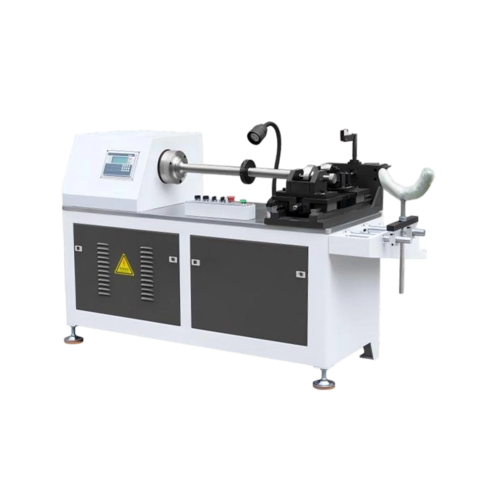
The CNC Pipe Cutting Machine is designed for high-precision cutting of stainless steel pipes, especially suited for cup ...
See Details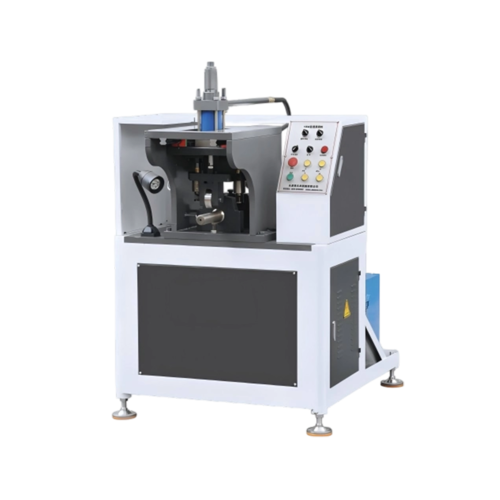
The Hydraulic Welding Seam Flatten Rolling Machine is a specialized piece of equipment designed for rolling and leveling...
See Details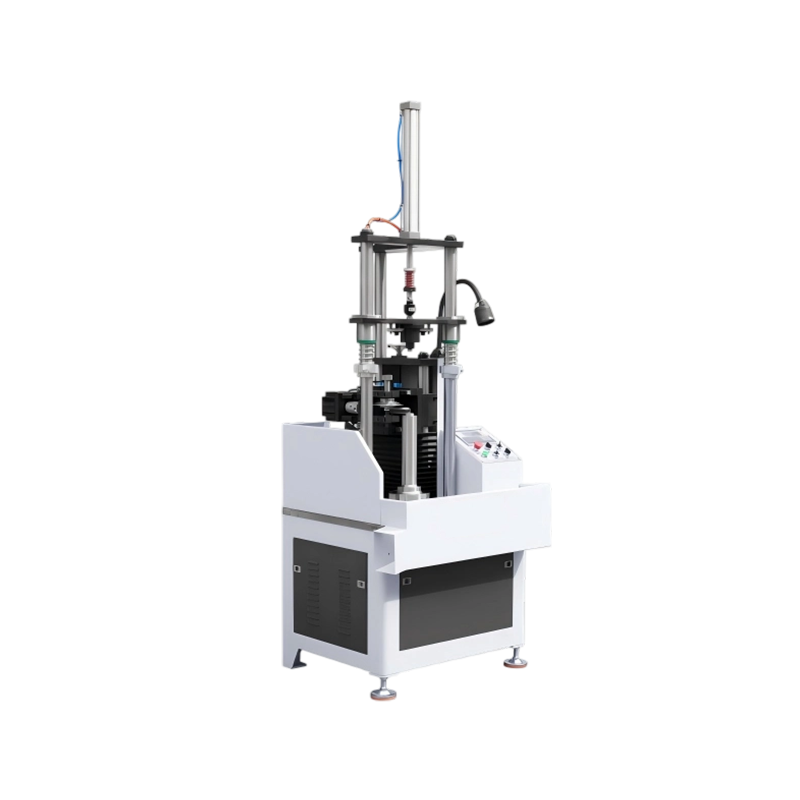
The CNC Rim Neck Cutting Machine is a high-precision, fully automated equipment designed for cutting and trimming the wa...
See Details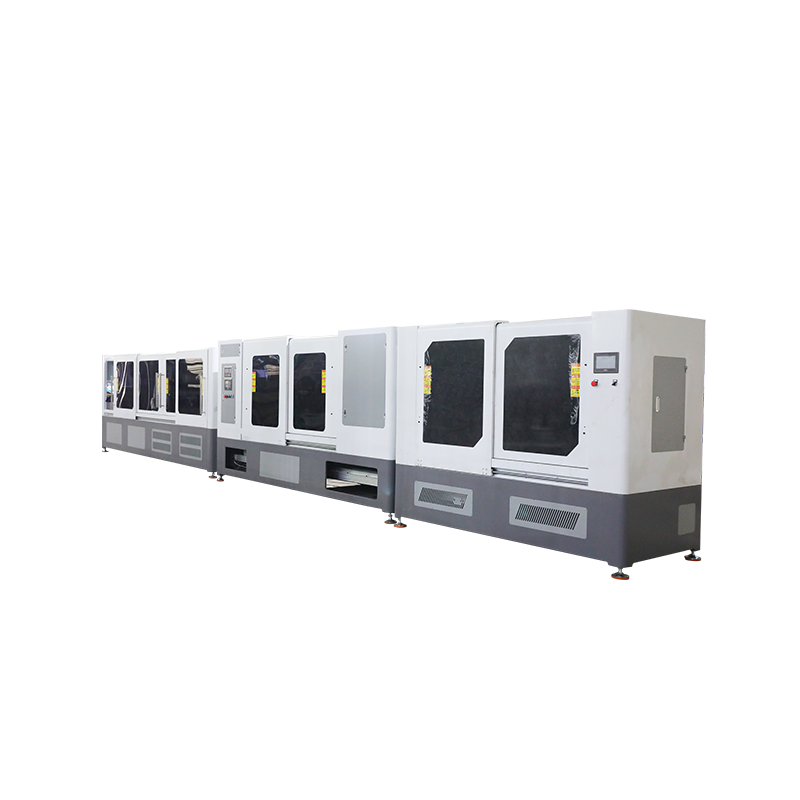
The Fully Automatic Pipe Drawing Machine for Thermos is a precision-engineered production system. It integrates laser pi...
See Details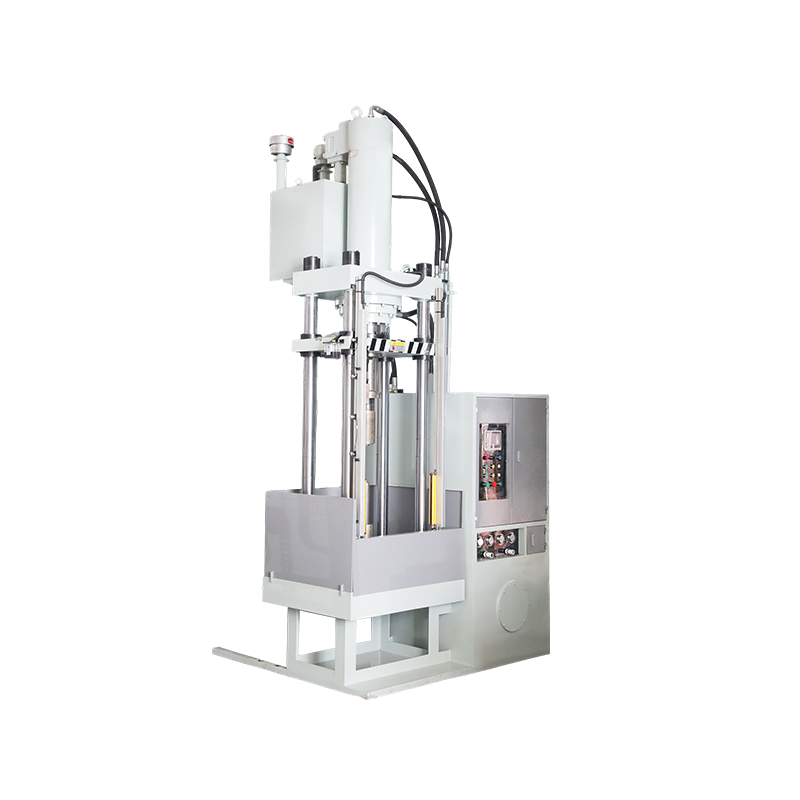
The Water Bulging Bottle Making Machine is made for the precision forming process of both the outer shell and inner line...
See Details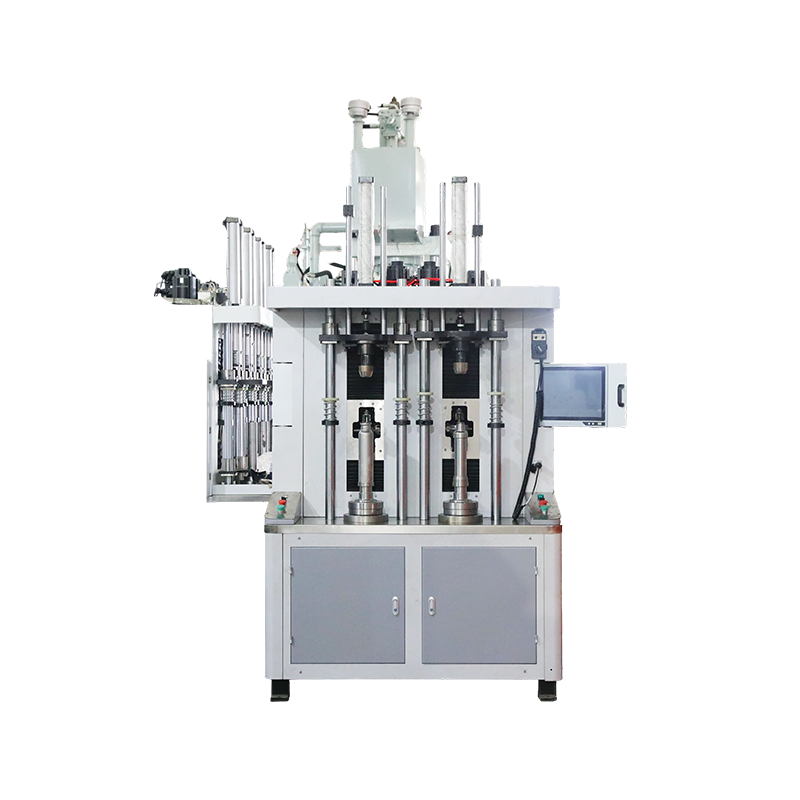
The Double Station CNC Tube End Shrinking Machine is designed for the spinning and compressing process of cup and pot mo...
See Details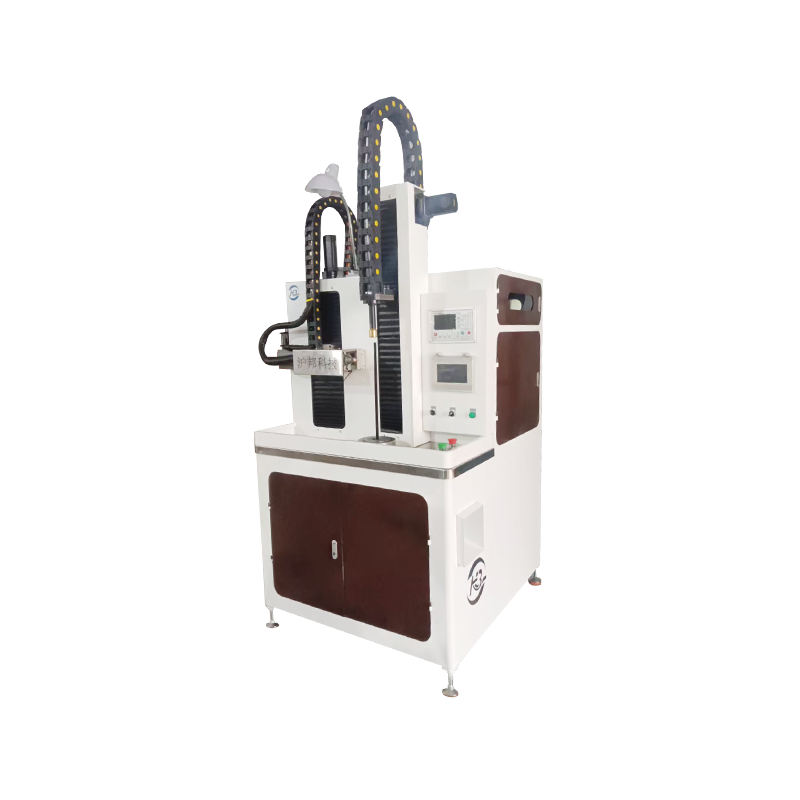
The Laser Bottle Flask Dividing Machine is designed for precision processing of various cup and pot components, includin...
See Details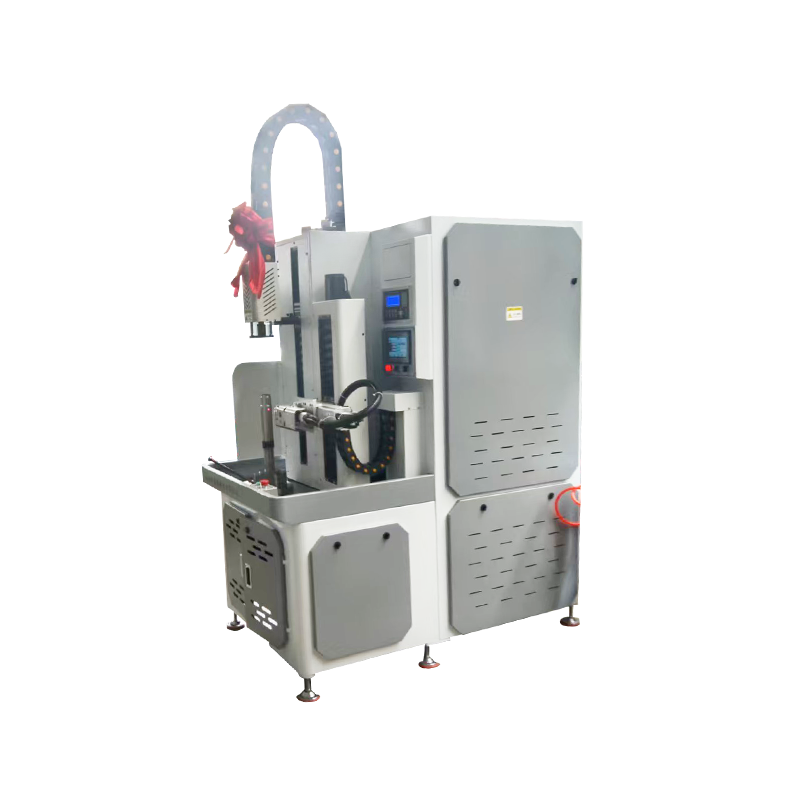
The Automatic Laser End Cutting Machine for Vacuum Flask is a high-precision equipment designed for efficient cutting of...
See Details
Yongkang Hubang Machinery Technology Co., Ltd.

No. 223, Chengxin Road, Economic Development Zone, Dongcheng Street, Yongkang City, Jinhua City, Zhejiang Province, China
Copyright © Yongkang Hubang Machinery Technology Co., Ltd.

Stainless Steel Flask Making Machine Supplier


