 English
 русский

The CNC Pipe Cutting Machine is designed for high-precision cutting of stainless steel pipes, especially suited for cup ...
See Details
Manufacturing has always depended on people. From operating machines and checking products to organizing production tasks, workers remain an important part of industrial activities.
However, many factories are facing new challenges. Production demands are changing. Some tasks require repeated actions for long periods. Finding suitable workers for certain positions can also become difficult. These situations have encouraged manufacturers to explore new ways to organize production.
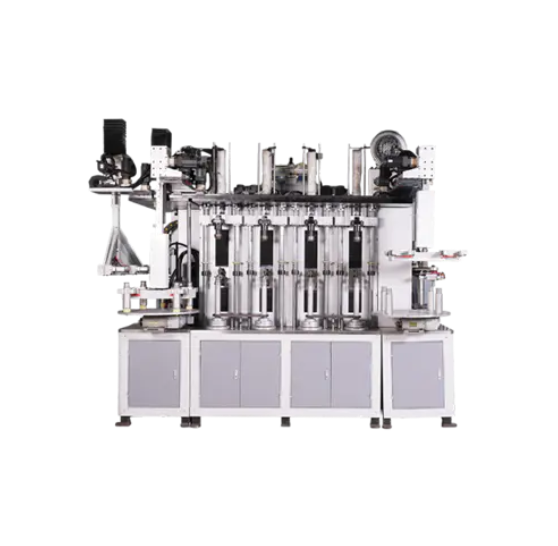
Manufacturing Automation Equipment has become one of the solutions attracting attention. Instead of completely replacing people, automation equipment is often used to support workers, handle repetitive tasks, and create a more balanced production environment.
The question is not simply whether machines can replace labor. The more practical question is whether automation equipment can reduce pressure on workers and help factories operate more smoothly.
Labor pressure in manufacturing comes from many different areas. It is not only about the number of workers available. It also involves workload, repetitive operations, production schedules, and workplace conditions.
Many factory tasks require workers to repeat the same movements throughout the day. These activities may include handling materials, operating production equipment, inspecting products, or packaging finished items.
Over time, repetitive work can create challenges for both employees and companies.
Common labor-related concerns include:
| Labor Challenge | Possible Impact |
|---|---|
| Repetitive tasks | Increased physical workload |
| Difficult recruitment | Production organization challenges |
| Manual operation limits | Reduced production flexibility |
| Long working processes | Higher management pressure |
Manufacturers are looking for ways to improve these situations while maintaining stable operations.
Automation equipment provides another approach by allowing machines and workers to cooperate.
Manufacturing automation equipment isn't really about replacing people — it's more about taking the repetitive, grinding parts of a production line off someone's plate. The stuff that's technically doable by hand but eats up hours and doesn't really need a person's full attention.
That doesn't mean workers become extra. If anything, what usually changes is what they end up spending their time on.
Machines end up handling the routine, repeatable motions — moving materials from point A to B, helping assemble products, running the same production step over and over without losing consistency, catching issues during inspection, handling packaging. That kind of thing. Meanwhile, employees shift toward the parts of the job that actually need a human brain involved: watching for problems, making judgment calls, adjusting settings on the fly, keeping the whole process running the way it's supposed to.
Basically, once the heavier, repetitive workload gets absorbed by the equipment, people end up with more room to focus on the tasks where real experience and judgment actually matter — the stuff a machine still can't replicate.
Repetitive work is one of the main reasons manufacturers consider automation.
Many production processes include actions that must be performed again and again. While these tasks may seem simple, maintaining consistent attention over long periods can be challenging.
Automation equipment can perform repeated operations according to a planned process. This allows workers to spend less time on routine activities.
A comparison can be seen below:
| Manual Production Tasks | Automation Supported Tasks |
|---|---|
| Workers repeat operations continuously | Equipment handles repeated movements |
| More physical involvement | Reduced direct workload |
| Greater dependence on manual consistency | More organized production flow |
| Workers spend more time on routine tasks | More focus on other responsibilities |
The purpose of automation is not to remove human involvement. It is to create a better division of work between people and machines.
Different factories experience different challenges. Automation equipment may help with several common production issues.
Physical Workload
Some manufacturing activities require frequent movement, lifting, or handling. Automation equipment can assist with these tasks and reduce physical demands on workers.
Repeated Operations
Tasks that involve the same action many times can often be supported by automated systems.
Production Coordination
When multiple steps are involved, automation equipment can help organize the production process and make operations easier to manage.
Workplace Conditions
Some environments may involve uncomfortable working conditions. Automation can allow machines to handle certain processes while workers supervise or manage operations from a more suitable position.
The effect of automation depends on how it is introduced and how well it matches the factory's needs.
Automation offers many advantages, but it is not a solution that fits every situation in the same way.
Each factory has different production methods, product types, and workforce structures.
Before choosing automation equipment, companies usually consider:
| Consideration | Why It Matters |
|---|---|
| Production requirements | Determines suitable automation needs |
| Available workspace | Affects equipment arrangement |
| Worker skills | Influences operation and management |
| Future plans | Helps with long-term decisions |
A factory with highly repetitive production may benefit from automation more quickly. Another factory with frequent product changes may need a more flexible approach.
The key is finding equipment that matches actual production conditions.
There's a common assumption that automation is mainly about cutting jobs. In practice, though, it usually has more to do with changing what people actually spend their day doing.
When machines take over the repetitive, predictable parts of a job, workers don't just vanish from the floor—they tend to shift into different kinds of work. Someone who used to run the same motion hundreds of times a shift might now be watching equipment performance instead, catching quality issues before they become bigger problems, adjusting settings when something starts drifting off spec, helping plan how production should flow, or coordinating when maintenance needs to happen.
That kind of shift tends to open doors that weren't there before. A worker who understands both the hands-on side of production and the logic behind the automation systems running it becomes genuinely harder to replace—not easier. That combination of practical know-how and technical fluency is exactly what a lot of modern manufacturing floors are short on.
So rather than automation simply reducing headcount, it usually ends up redrawing the line between what people do and what machines do. Each side contributes something the other can't, and the result is a factory floor that runs less on repetition and more on judgment.
Labor shortages tend to get framed as a hiring problem, but for a lot of plant managers, it's just as much a planning problem.
Running a factory means juggling schedules, keeping output steady, and reacting to demand that rarely holds still. When most of that depends on manual work, small disruptions—an absence, a slow shift, a bottleneck nobody flagged in time—can throw the whole day off.
Automation equipment doesn't solve every problem on its own, but it does bring a lot more structure to how things run. Workflows get easier to map and follow. Steps that used to require someone walking over and doing something by hand get streamlined or cut out entirely. Planning becomes more reliable simply because output is more predictable. And with better real-time visibility into what's actually happening on the floor, monitoring stops feeling like guesswork.
The payoff isn't just a smoother production line—it's less pressure trickling down through every level of the operation, from the floor up to the office making the big decisions.
Modern manufacturing environments change quickly. Customer needs, product designs, and production plans may not remain the same for long periods.
Because of this, manufacturers are paying more attention to flexible automation solutions.
Flexible equipment can help factories adjust to different production requirements without making major changes to the entire process.
Important factors include:
The goal is not only automation itself. The goal is creating a production system that can respond to change.
Introducing new equipment requires planning. If automation is added without proper preparation, it may create new challenges.
Workers need time to understand new processes. Management teams need to organize training and operation methods.
A smoother transition often includes:
Automation works better when employees understand how it supports their daily work.
A successful automation process depends on cooperation between equipment, management, and workers.
Manufacturing continues to move toward smarter and more adaptable production methods. Companies are not only looking for machines that perform tasks. They are also looking for solutions that improve overall production organization.
Future automation development is likely to focus more on:
The purpose of automation is becoming broader. It is no longer only about increasing production ability. It is also about creating a more balanced workplace where employees can focus on tasks that require human experience.
China Automation Equipment is becoming an important part of this change, helping factories rethink how people and technology can work together.
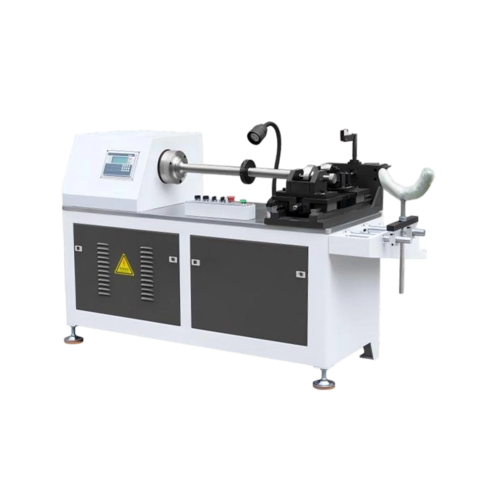
The CNC Pipe Cutting Machine is designed for high-precision cutting of stainless steel pipes, especially suited for cup ...
See Details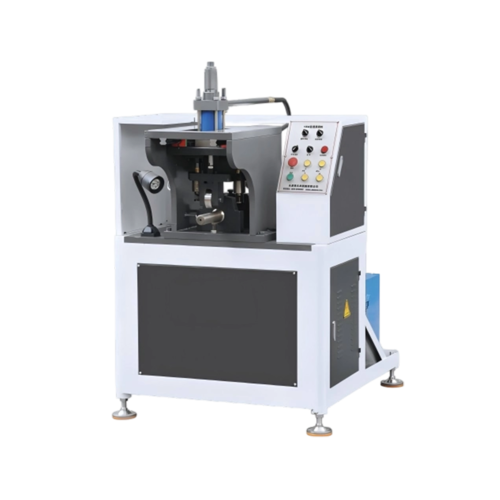
The Hydraulic Welding Seam Flatten Rolling Machine is a specialized piece of equipment designed for rolling and leveling...
See Details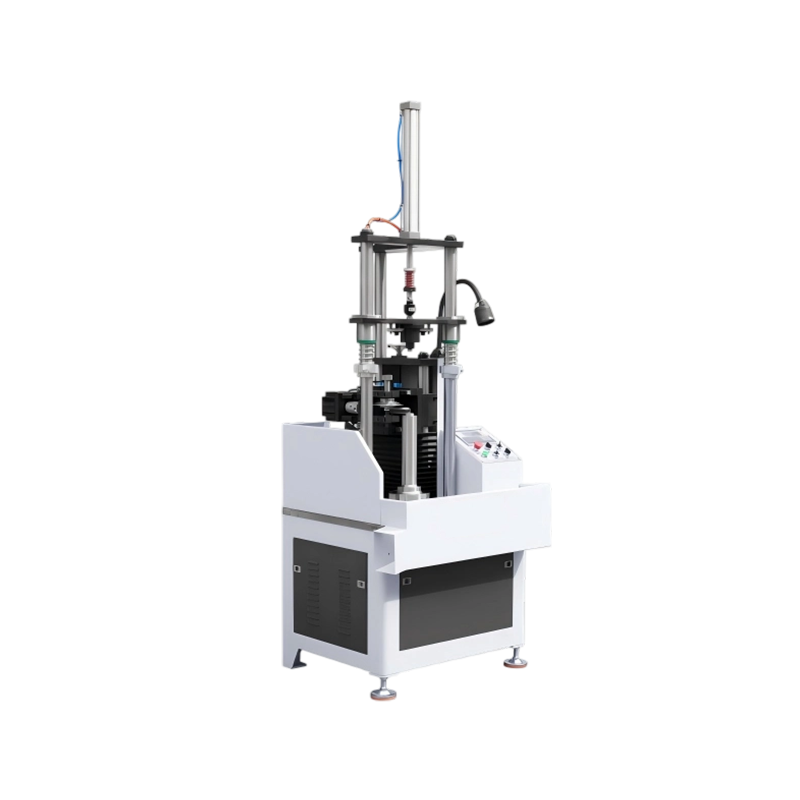
The CNC Rim Neck Cutting Machine is a high-precision, fully automated equipment designed for cutting and trimming the wa...
See Details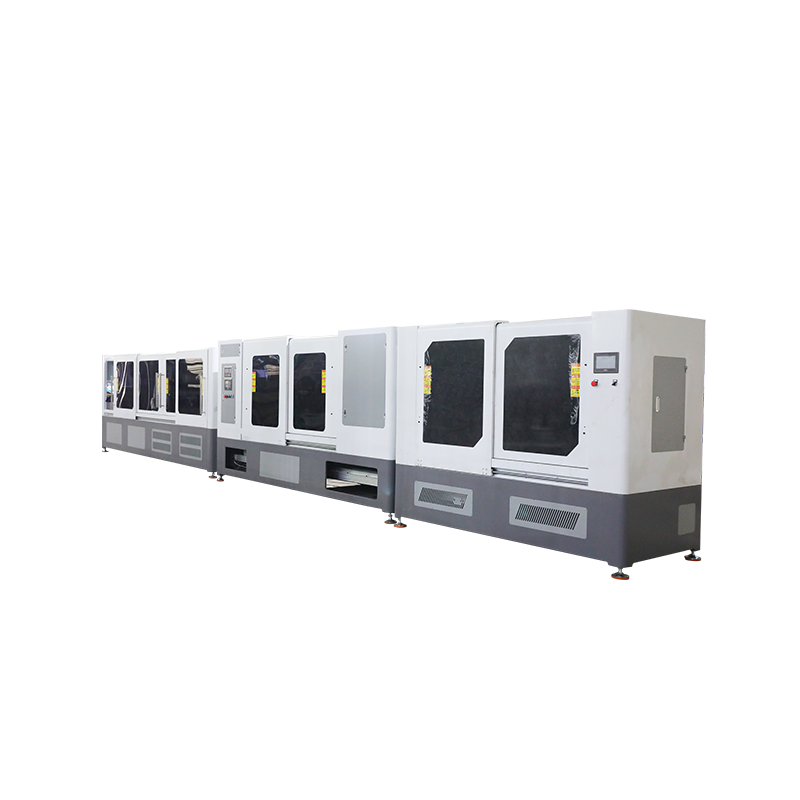
The Fully Automatic Pipe Drawing Machine for Thermos is a precision-engineered production system. It integrates laser pi...
See Details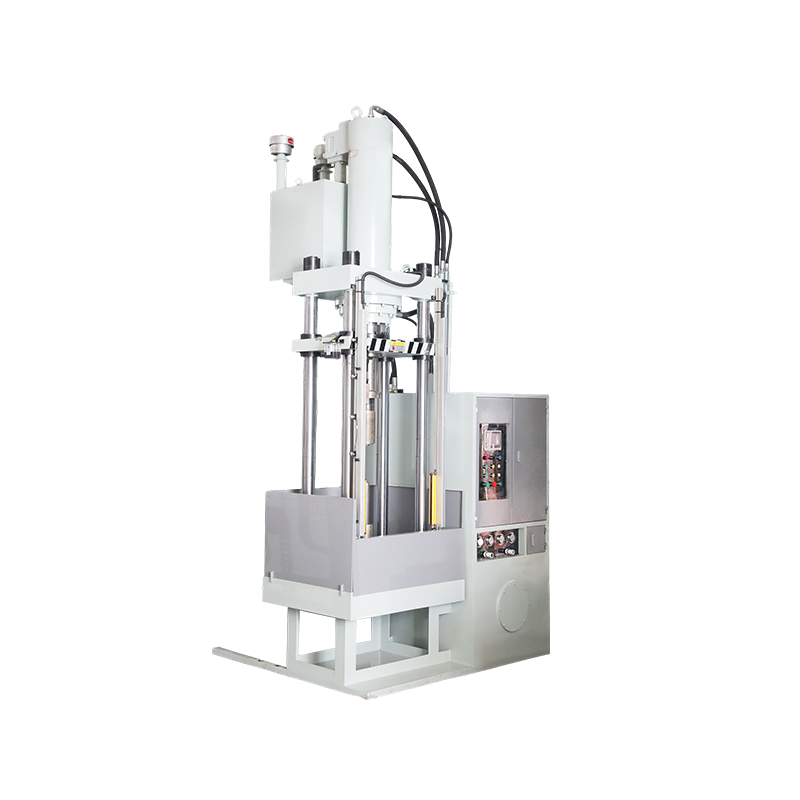
The Water Bulging Bottle Making Machine is made for the precision forming process of both the outer shell and inner line...
See Details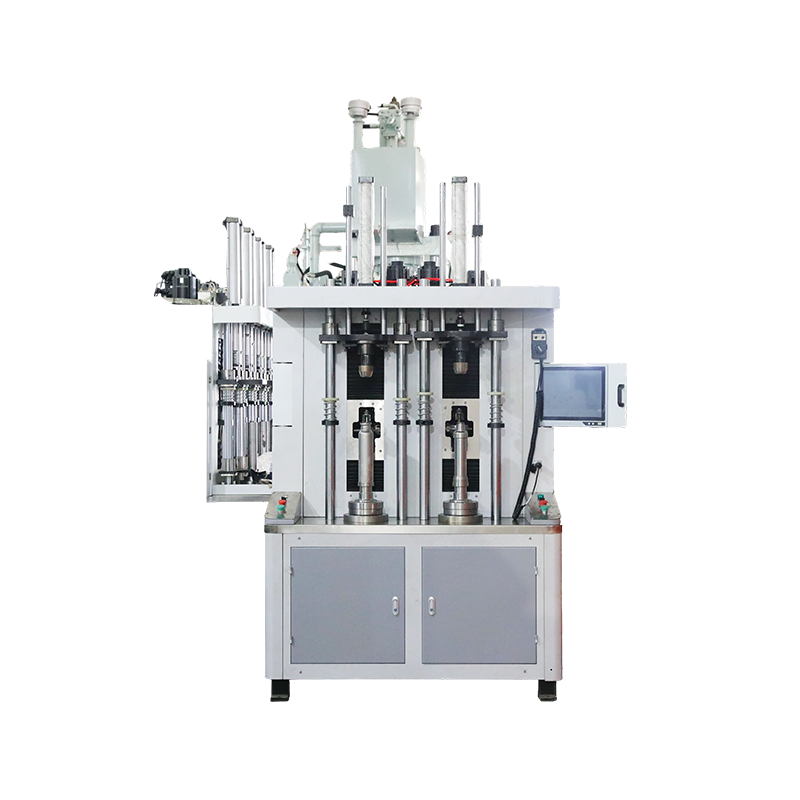
The Double Station CNC Tube End Shrinking Machine is designed for the spinning and compressing process of cup and pot mo...
See Details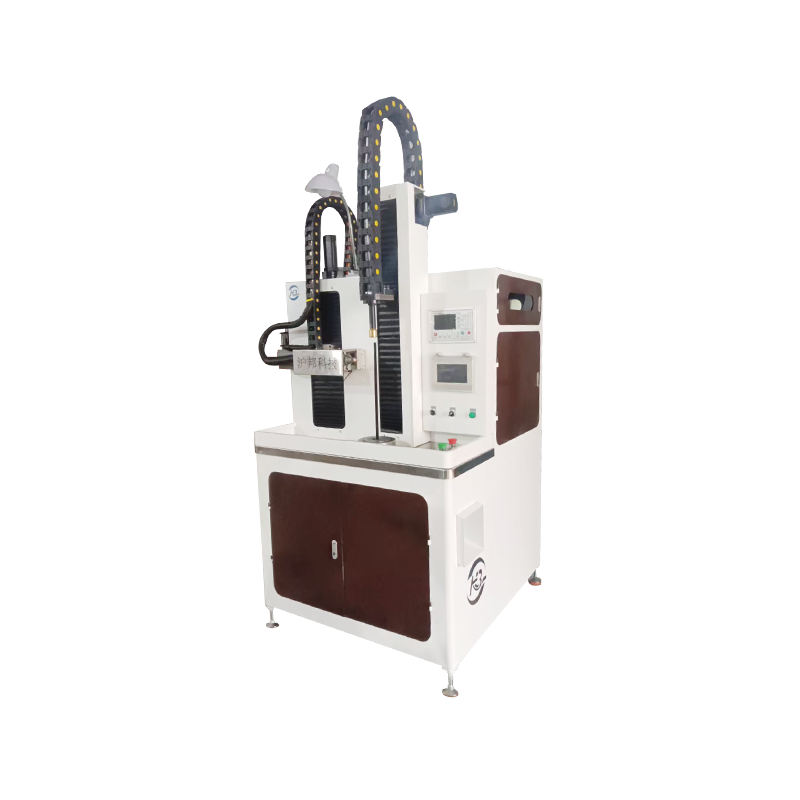
The Laser Bottle Flask Dividing Machine is designed for precision processing of various cup and pot components, includin...
See Details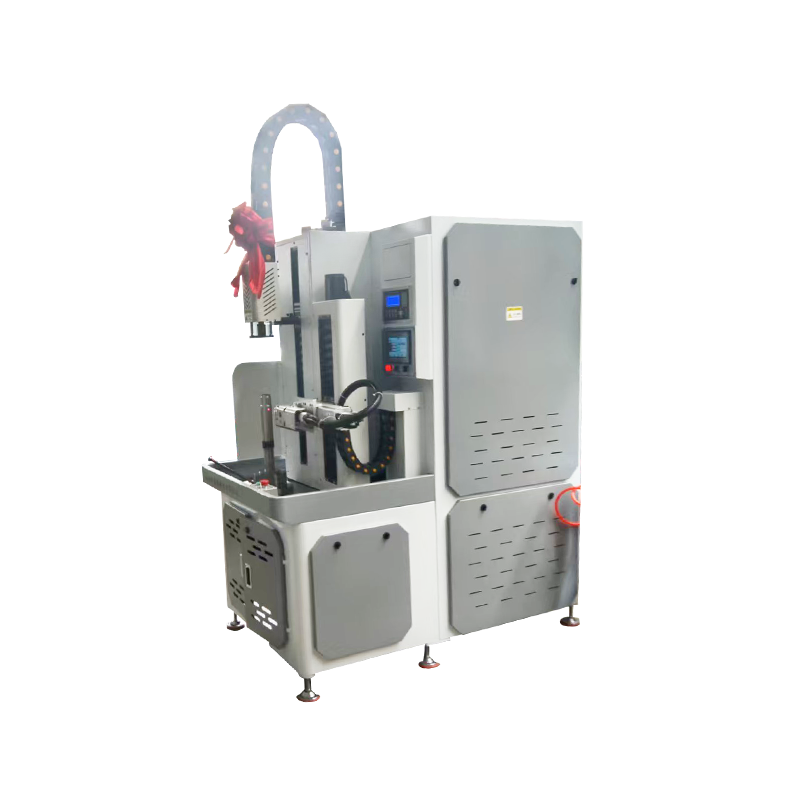
The Automatic Laser End Cutting Machine for Vacuum Flask is a high-precision equipment designed for efficient cutting of...
See Details
Yongkang Hubang Machinery Technology Co., Ltd.

No. 223, Chengxin Road, Economic Development Zone, Dongcheng Street, Yongkang City, Jinhua City, Zhejiang Province, China
Copyright © Yongkang Hubang Machinery Technology Co., Ltd.

Stainless Steel Flask Making Machine Supplier


