 English
 русский

The CNC Pipe Cutting Machine is designed for high-precision cutting of stainless steel pipes, especially suited for cup ...
See Details
The manufacturing sector is constantly evolving. Today's factories no longer only chase higher output volumes. Instead, they focus on streamlining daily workflows, optimizing resource utilization and building more flexible production models to adapt to shifting market demands. In this ongoing industrial upgrade, automation equipment made in China has become a core driving force for modern manufacturing development.
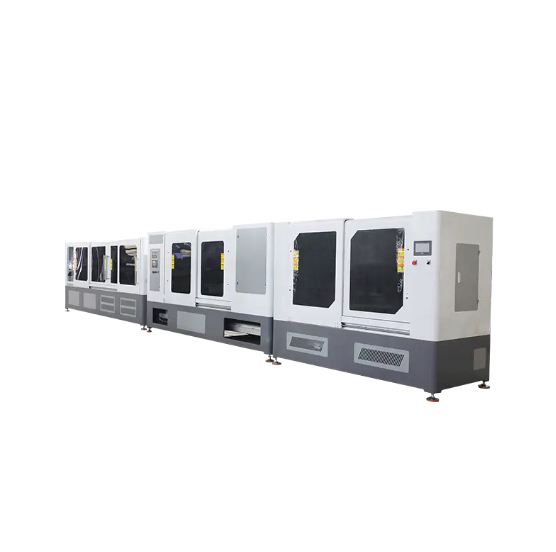
As on-site production scenarios grow increasingly complex, more manufacturers are turning to automated solutions. Factories need versatile equipment that can handle diverse production tasks, adapt to frequent order changes, and help staff boost overall operational efficiency.
Nowadays, Chinese automation gear is widely deployed across dozens of industries, including precision electronics, automotive manufacturing, packaging processing, medical supplies and daily consumer goods. This advanced equipment is completely reshaping how modern factories arrange production schedules and manage daily operational procedures.
Traditional manufacturing relies heavily on manual labor. While skilled workers remain irreplaceable in production, factories are facing mounting challenges: surging market demand, fast-updating customer product requirements, and rising standards for stable, consistent production quality.
Automation equipment effectively standardizes and optimizes factory operations. It takes over repetitive, mechanical production tasks, cuts down unnecessary manual workload, and assists workers in finishing complex, high-precision production processes.
The booming adoption of China's automation solutions also stems from the practical needs of industrial upgrading. Most enterprises prefer simple, functional equipment upgrades that streamline workflows without complicating on-site management or raising operational costs.
It is worth noting that industrial automation is never about replacing human workers. It aims to build a smarter human-machine collaboration model. Workers can shift their focus to core work that requires professional judgment, strategic management and innovative thinking, while automated systems handle monotonous repeated operations.
| Manufacturing Challenge | How Automation Equipment Can Help |
|---|---|
| Repetitive production tasks | Supports continuous and stable operations |
| Changing market requirements | Allows more flexible production arrangements |
| Workflow management difficulties | Helps organize production processes |
| Need for quality consistency | Provides more controlled operations |
This industry shift explains why automated equipment has become a must-have upgrade for modern manufacturing plants.
Real manufacturing efficiency is not just about producing more goods. It lies in refined management of production resources, manpower allocation and process arrangement to eliminate waste and stabilize output.
China's automation equipment connects every production link seamlessly. With scientific equipment coordination and procedural planning, the entire production chain becomes easier to supervise and adjust.
Automated systems cover core production links such as material handling, product assembly, quality inspection and finished product packaging. These highly repetitive, procedural tasks are perfectly suited for machine operation, freeing up massive labor resources.
Deploying automated production brings tangible on-site improvements in four key areas:
Streamlined production workflows
Automation bridges gaps between different production stages, reducing frequent start-stop interruptions. Materials and semi-finished products circulate smoothly on the production line for continuous operation.
Optimized human resource allocation
Workers no longer need to repeat mechanical work all day long. They can devote more energy to process optimization, quality inspection and production management work.
Stable and reliable operation
Automated production maintains unified processing standards and working conditions, effectively avoiding quality fluctuations caused by manual errors and ensuring stable batch production.
Flexible production planning
With powerful equipment support, factories can flexibly adjust production schedules according to order changes and market feedback, greatly improving market response speed.
The core value of industrial automation lies in overall process optimization, rather than the improvement of a single machine or individual production step.
Automation technology is being applied across wider industrial fields. Though different sectors have differentiated production requirements, they all pursue more standardized workflows and flexible production modes.
In the electronics manufacturing industry, precision automated equipment handles tiny component assembly and processing, supporting stable, high-precision production and ensuring product consistency.
The automotive industry relies heavily on automated systems to complete complex assembly, welding and molding processes, standardizing every production stage and improving overall factory operation order.
Packaging enterprises benefit greatly from automation as product categories continue to expand. Flexible automated packaging equipment can quickly switch between different product specifications to meet diverse customization needs.
Medical product manufacturing with strict hygiene and precision standards also widely adopts automated solutions. It achieves closed, controllable production environments to meet strict industry safety and quality requirements.
| Industry | Common Automation Applications |
|---|---|
| Electronics | Assembly and production support |
| Automotive | Manufacturing process assistance |
| Packaging | Product handling and packaging operations |
| Medical products | Controlled production environments |
| Consumer goods | Flexible production solutions |
The widespread adoption of these automated devices fully reflects the general trend of modern manufacturing moving toward intelligence and flexibility.
Smart factories have become the mainstream direction of global manufacturing upgrading. Smart manufacturing is not just about simple machine replacement, but building an interconnected, data-driven and highly organized production system.
Chinese automation equipment serves as the core hardware foundation for smart factory transformation. Modern automated devices can connect with factory management systems, realize real-time data interaction, support intelligent scheduling, and adapt to dynamic production changes.
The biggest feature of smart factories is systematic collaboration. Production equipment, on-site workers and management platforms work together to minimize operational errors and maximize overall efficiency.
Automation equipment empowers smart manufacturing in multiple ways:
More enterprises are abandoning traditional extensive production modes. They no longer regard equipment as simple production tools, but take automated solutions as an important part of long-term factory operational planning and intelligent transformation.
Selecting suitable automated equipment requires comprehensive evaluation, as every factory has unique production conditions, product characteristics and development plans. Blind equipment matching will fail to deliver practical value.
The ideal automation solution must fit the actual on-site environment, meet current production demands, and reserve upgrade space for future business expansion.
Enterprises can refer to the following core factors for selection:
Actual production demands
Clarify the links that need automated upgrading, define clear production goals, and select targeted equipment instead of pursuing full automation blindly.
Equipment flexibility and adaptability
Market demands and product specifications keep updating. Priority should be given to versatile equipment that supports parameter adjustment and multi-scenario production switching.
Supplier communication and matching
In-depth communication with suppliers ensures equipment functions, performance and parameters fully match on-site production expectations.
Subsequent maintenance services
Stable after-sales maintenance and technical support are key to long-term stable equipment operation, which should be fully considered in procurement decisions.
On-site space and workflow matching
Equipment size, installation mode and operation logic need to adapt to factory space layout and original workflow to avoid disrupting normal production.
Procuring automation equipment is far more than a simple purchase behavior. It is a systematic layout to optimize the overall manufacturing system.
The popularization of industrial automation is rewriting the traditional relationship between workers and machines. On-site staff are gradually shifting from repetitive operators to equipment managers, process coordinators and technical optimizers.
Modern smart manufacturing puts forward higher comprehensive skill requirements for employees. Workers need to master basic equipment operation principles, familiarize themselves with system scheduling logic, and be able to judge and solve on-site operational faults in a timely manner.
Automation frees workers from heavy, repetitive physical labor, allowing them to focus on technical work that relies on experience, thinking and professional judgment.
This transformation also drives enterprises to strengthen staff skill training. Advanced automated equipment can only exert maximum value with professional and skilled operators.
The combination of human flexibility and machine stability builds a more balanced and efficient manufacturing model. Machines guarantee operational standardization and consistency, while personnel provide flexible adjustment, innovation and problem-solving capabilities.
The manufacturing industry is always pursuing more practical, flexible and efficient production solutions. Future automated equipment development will focus on improving human-machine collaboration efficiency, equipment adaptability and intelligent operational capabilities.
As product iteration speeds up and personalized orders increase, factories need automation systems that can keep pace with market changes rather than restricting production innovation.
Several major trends will lead the industry's future development:
Chinese automation equipment has become a core pillar of domestic manufacturing transformation and upgrading. It represents the industry's overall shift toward standardization, flexibility and high efficiency.
As factory intelligent renovation continues to deepen, automation technology and equipment will continue to lead production model upgrades and support the long-term steady development of modern manufacturing.
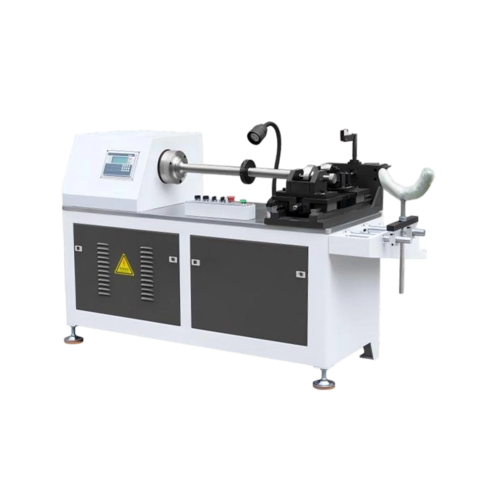
The CNC Pipe Cutting Machine is designed for high-precision cutting of stainless steel pipes, especially suited for cup ...
See Details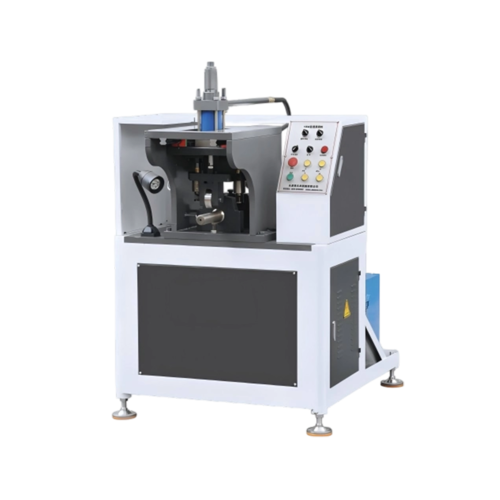
The Hydraulic Welding Seam Flatten Rolling Machine is a specialized piece of equipment designed for rolling and leveling...
See Details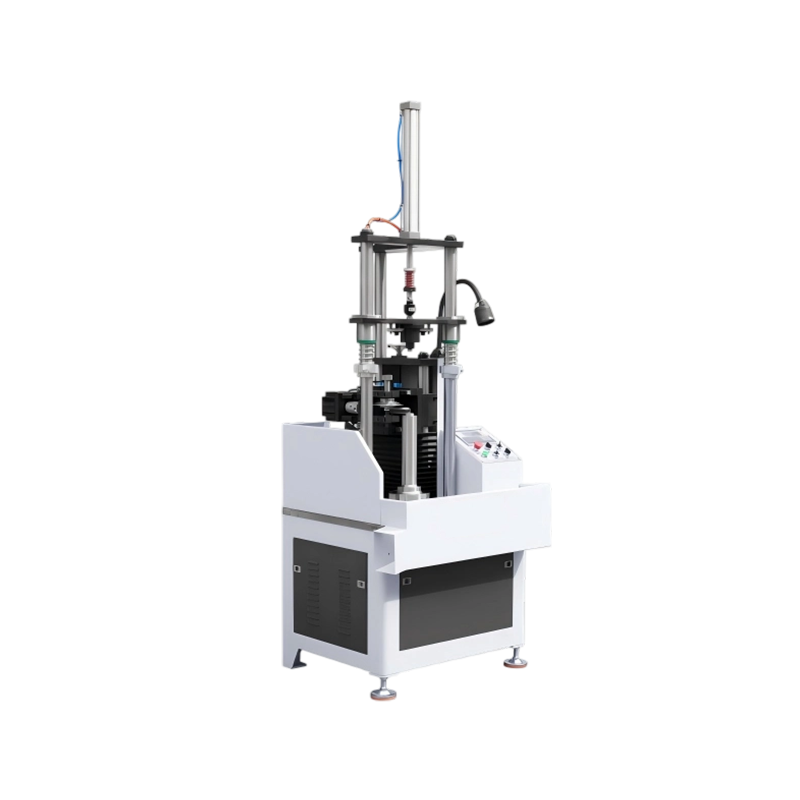
The CNC Rim Neck Cutting Machine is a high-precision, fully automated equipment designed for cutting and trimming the wa...
See Details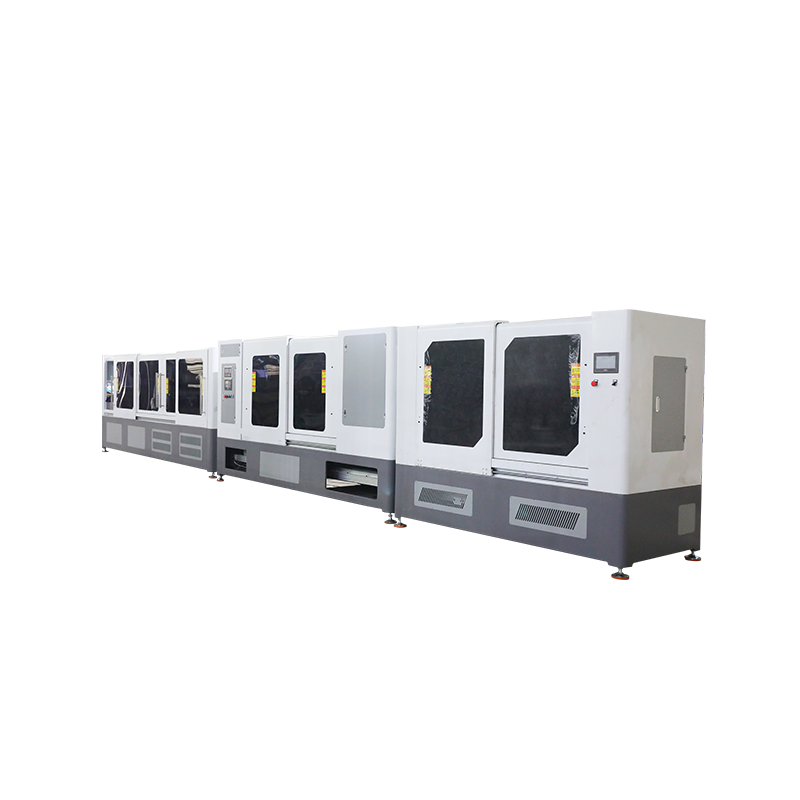
The Fully Automatic Pipe Drawing Machine for Thermos is a precision-engineered production system. It integrates laser pi...
See Details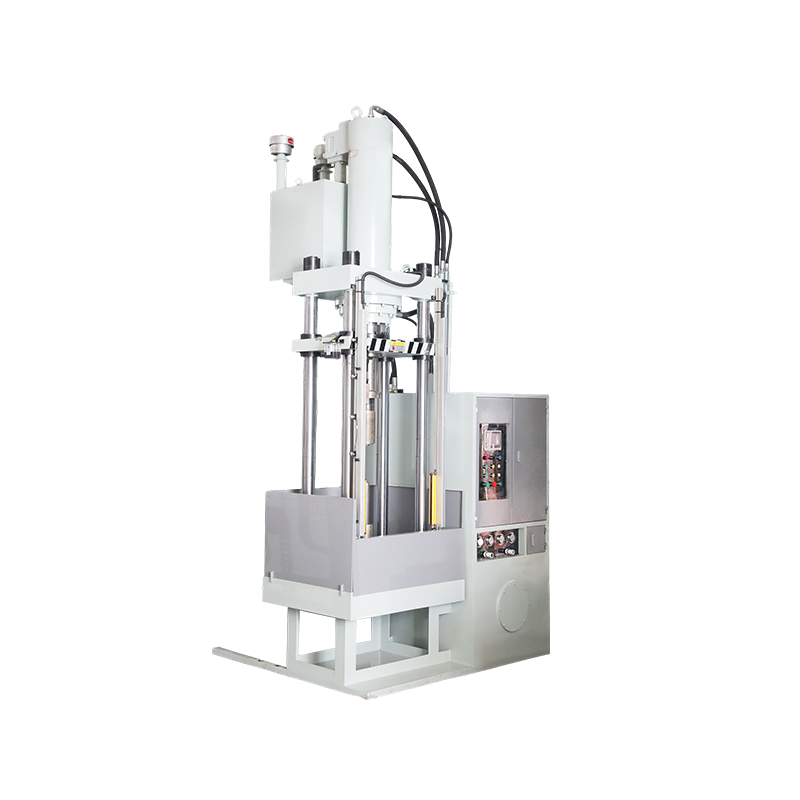
The Water Bulging Bottle Making Machine is made for the precision forming process of both the outer shell and inner line...
See Details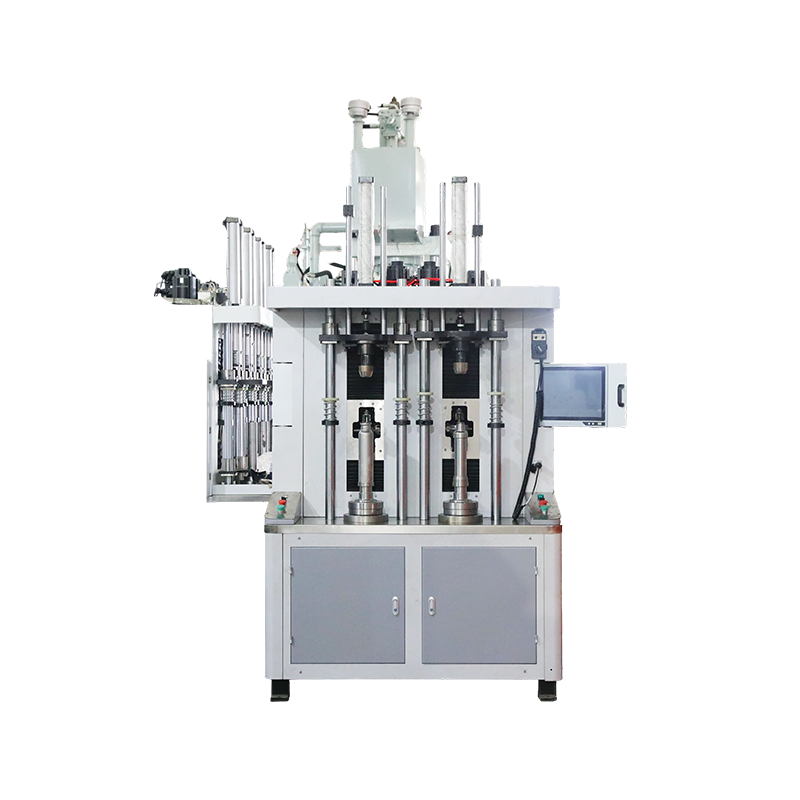
The Double Station CNC Tube End Shrinking Machine is designed for the spinning and compressing process of cup and pot mo...
See Details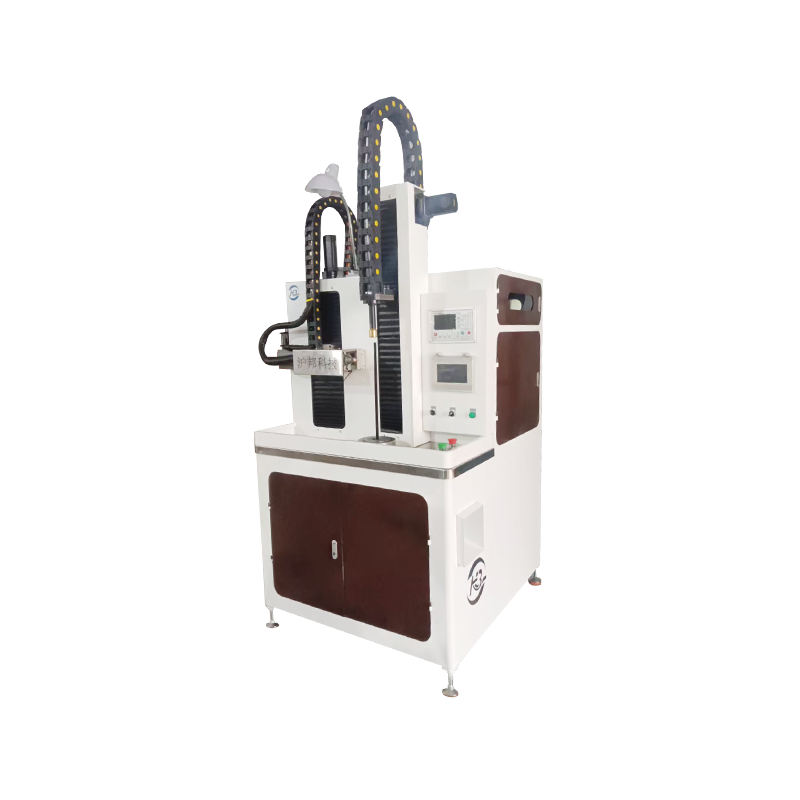
The Laser Bottle Flask Dividing Machine is designed for precision processing of various cup and pot components, includin...
See Details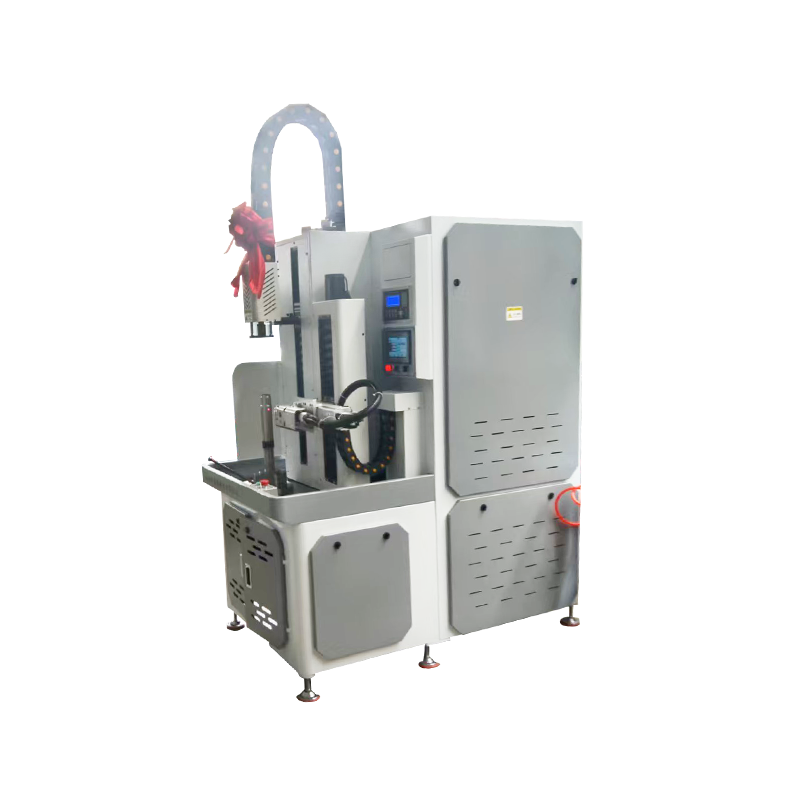
The Automatic Laser End Cutting Machine for Vacuum Flask is a high-precision equipment designed for efficient cutting of...
See Details
Yongkang Hubang Machinery Technology Co., Ltd.

No. 223, Chengxin Road, Economic Development Zone, Dongcheng Street, Yongkang City, Jinhua City, Zhejiang Province, China
Copyright © Yongkang Hubang Machinery Technology Co., Ltd.

Stainless Steel Flask Making Machine Supplier


