 English
 русский

The CNC Pipe Cutting Machine is designed for high-precision cutting of stainless steel pipes, especially suited for cup ...
See Details
Wire manufacturing is changing with the needs of different industries. A single type of wire may no longer meet every application. From general industrial use to more specialized products, manufacturers are looking for equipment that can match different production goals.
Among the available options, China drawing machine have become an important choice for many wire processing companies. The reason is not only related to equipment availability. More attention is now placed on how a machine fits into a real production environment.
Choosing a drawing machine requires more than checking the appearance of the equipment. The material being processed, the working process, and the expected product quality all influence the final decision.
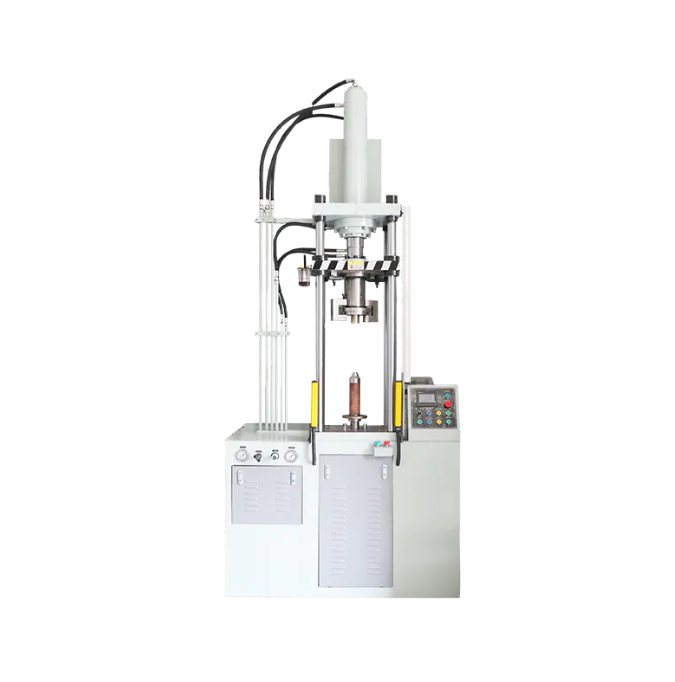
A suitable machine should work together with the production plan. It should help operators maintain a stable workflow while allowing adjustments when requirements change.
Wire products may look similar, but their production requirements can be very different. A wire used in one industry may need different handling compared with another wire designed for a separate purpose.
The material itself plays an important role. Different materials respond differently during processing. Some require careful control to maintain surface quality, while others focus more on strength and consistency.
The final application also affects equipment selection. Wire used for construction, electrical purposes, manufacturing parts, or daily products may follow different production paths.
A drawing machine is not simply a general tool. It becomes part of the manufacturing process. When the equipment matches the product requirements, production becomes easier to manage.
| Wire Application | Equipment Consideration |
|---|---|
| General industrial wire | Focus on stable operation and regular production needs |
| Electrical wire | Requires attention to consistency during processing |
| Fine wire products | Needs careful handling during production |
| Special application wire | May require flexible production adjustments |
Understanding the purpose of the wire helps companies avoid choosing equipment based only on general expectations.
Selecting equipment usually begins with a simple question: what kind of wire will be produced?
This question influences many later decisions. A factory producing one regular wire type may have different needs from a company handling multiple products.
Production conditions also matter. Space, workflow, operator experience, and future plans all affect whether a machine is suitable.
Some important points include:
Material characteristics
The behavior of the material during processing influences machine selection. Different materials may require different production approaches.
Production arrangement
Some factories need continuous operation, while others need more flexibility between different orders.
Daily operation
A machine should fit naturally into existing workflows. Complicated operation methods may increase management difficulty.
Maintenance needs
Regular care is part of long-term operation. Equipment that is easier to inspect and maintain can help reduce unnecessary interruptions.
The right choice comes from looking at the whole production environment rather than focusing on one feature.
Efficiency in wire manufacturing is not only about speed. A smooth production process also depends on consistency and ease of operation.
When equipment fits the production requirement, operators can manage daily work more comfortably. Problems caused by unsuitable equipment may affect production flow and increase adjustment time.
A suitable drawing machine can influence several areas:
| Production Area | Possible Influence |
|---|---|
| Workflow arrangement | Helps maintain smoother daily operations |
| Product consistency | Supports stable processing results |
| Operator handling | Makes routine tasks easier to manage |
| Production planning | Allows better coordination with demand changes |
Efficiency comes from cooperation between people, equipment, and production planning.
A machine that matches the factory environment often creates better results than equipment selected only for general capacity.
Wire producers constantly deal with unstable market orders. Batch sizes fluctuate, and they regularly switch between different wire specifications.
That's why machine flexibility is now a top priority. Factories tend to invest in gear that can adjust to varying production tasks.
Versatile drawing machines let manufacturers pivot quickly when customer requirements shift, cutting down costly frequent equipment swaps.
Even so, flexibility shouldn't come with unnecessary extras. Overloaded functions only make daily operation and maintenance harder. The ideal unit always matches a factory's real production workload.
Striking a good middle ground between adaptable performance and practical usability is key when choosing drawing machinery.
A drawing machine does not operate alone. It works together with other parts of the production process.
Compatibility affects how smoothly materials move through the workflow. It also influences how easily operators can manage daily tasks.
Before choosing equipment, companies often consider:
Good compatibility reduces unnecessary changes. It allows the machine to become a natural part of the factory environment.
This is especially important for companies that want stable operation over a long period.
Comparing different machines requires a practical approach. Looking only at appearance or general descriptions may not provide enough information.
Manufacturers often compare equipment from several perspectives.
| Comparison Point | Why It Matters |
|---|---|
| Production purpose | Determines whether the machine fits the application |
| Material type | Influences processing requirements |
| Operating environment | Affects daily use |
| Maintenance process | Impacts long-term management |
| Future needs | Helps prepare for possible changes |
A careful comparison helps companies understand what they actually need.
The most suitable equipment is not always the one with the most features. It is the one that fits the production situation.
Wire manufacturers are switching to more flexible production setups. Factory owners now put extra weight on machines that can handle varying orders and product specs.
People's mindset about drawing machines has also shifted. These devices aren't just simple processing tools anymore; they're a vital part of the whole factory's production layout.
Four key trends guide equipment purchases:
All these shifts make it clear that wire production businesses are now prioritizing tools that deliver real, usable results on the workshop floor.
Picking the right drawing machine means matching your real production needs to what the equipment can deliver. There's no universal model that works for every wire workshop.
First, factories should sort out their own production demands clearly. What kinds of wire they process, their daily working routines, and long-term business plans all serve as key reference points.
Taking time to evaluate before buying cuts down later costly replacements or modifications. The machine will also integrate far better into existing workflows without extra hassle.
Chinese wire drawing machines are widely used across the wire making industry. With more varied end-use scenarios emerging, it's more critical than ever to align machine specs with actual production demands.
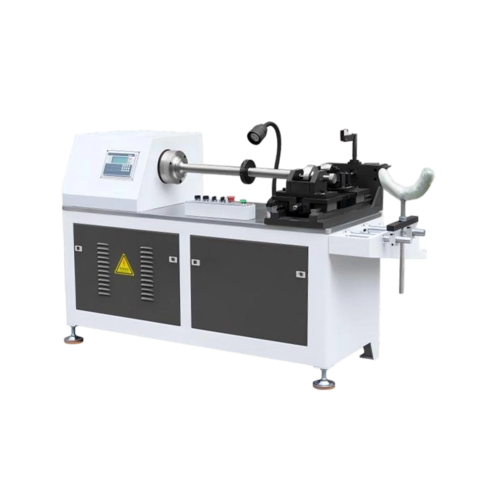
The CNC Pipe Cutting Machine is designed for high-precision cutting of stainless steel pipes, especially suited for cup ...
See Details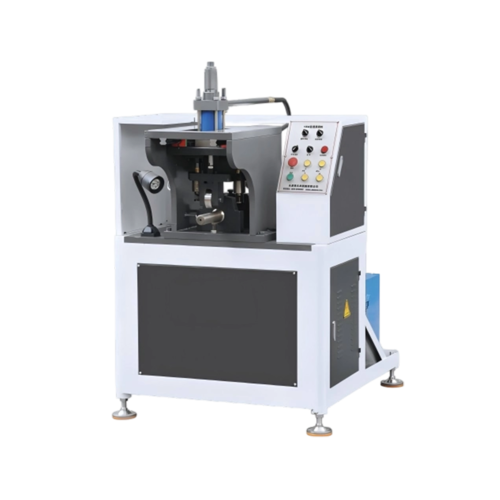
The Hydraulic Welding Seam Flatten Rolling Machine is a specialized piece of equipment designed for rolling and leveling...
See Details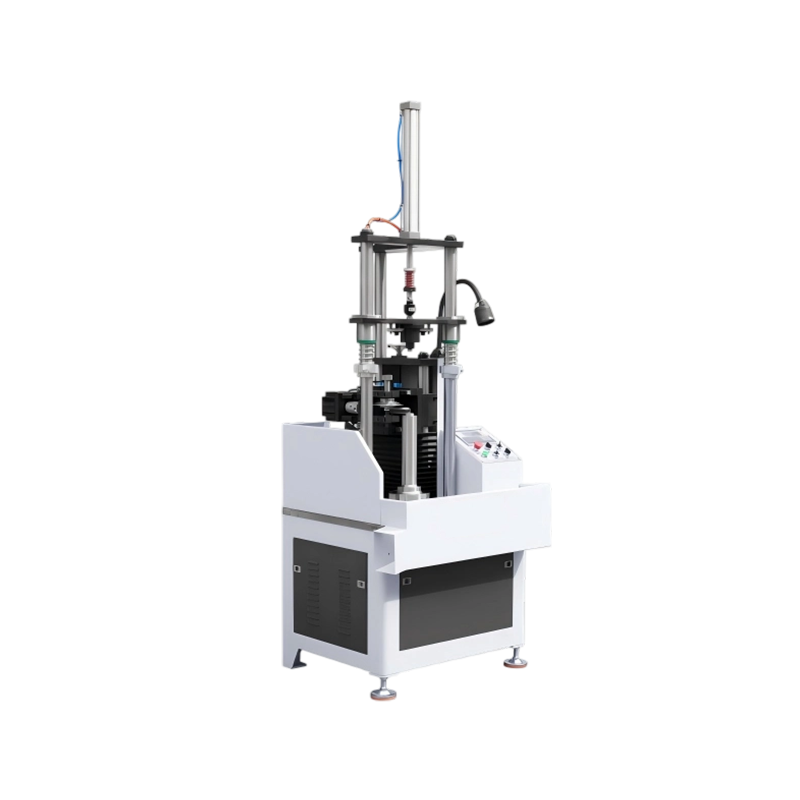
The CNC Rim Neck Cutting Machine is a high-precision, fully automated equipment designed for cutting and trimming the wa...
See Details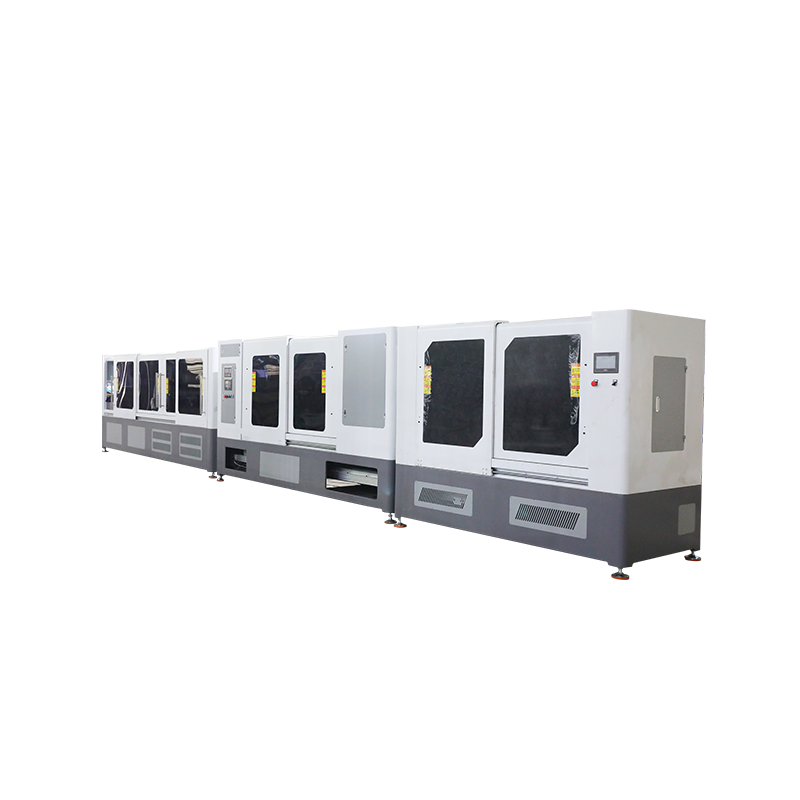
The Fully Automatic Pipe Drawing Machine for Thermos is a precision-engineered production system. It integrates laser pi...
See Details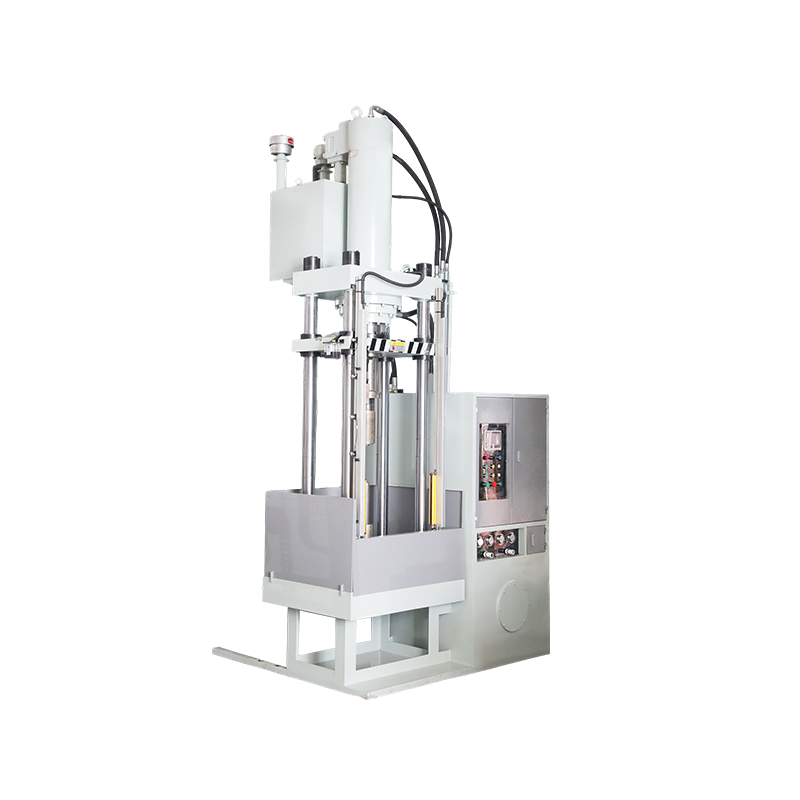
The Water Bulging Bottle Making Machine is made for the precision forming process of both the outer shell and inner line...
See Details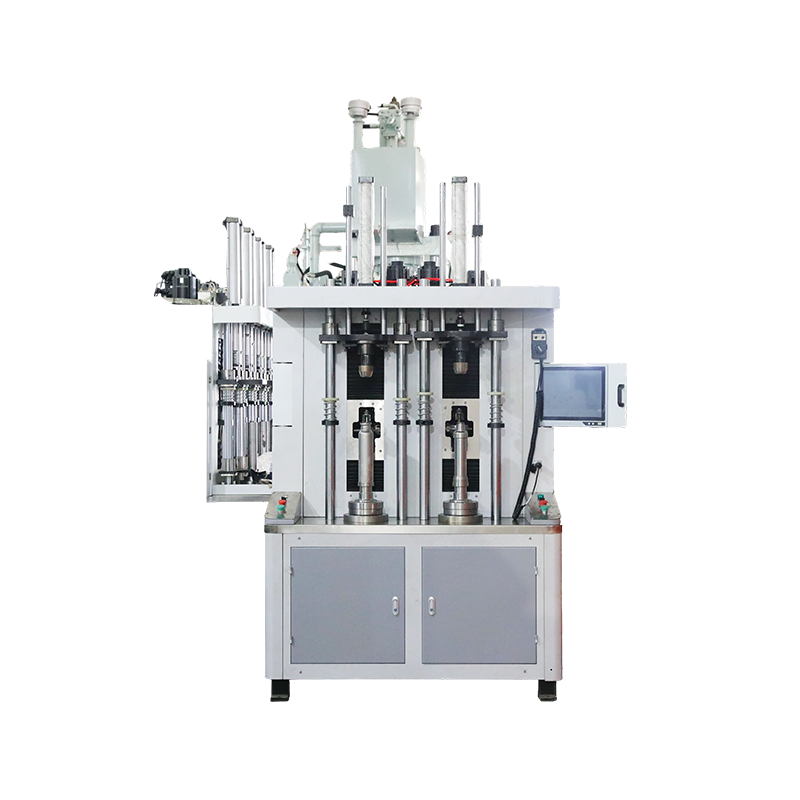
The Double Station CNC Tube End Shrinking Machine is designed for the spinning and compressing process of cup and pot mo...
See Details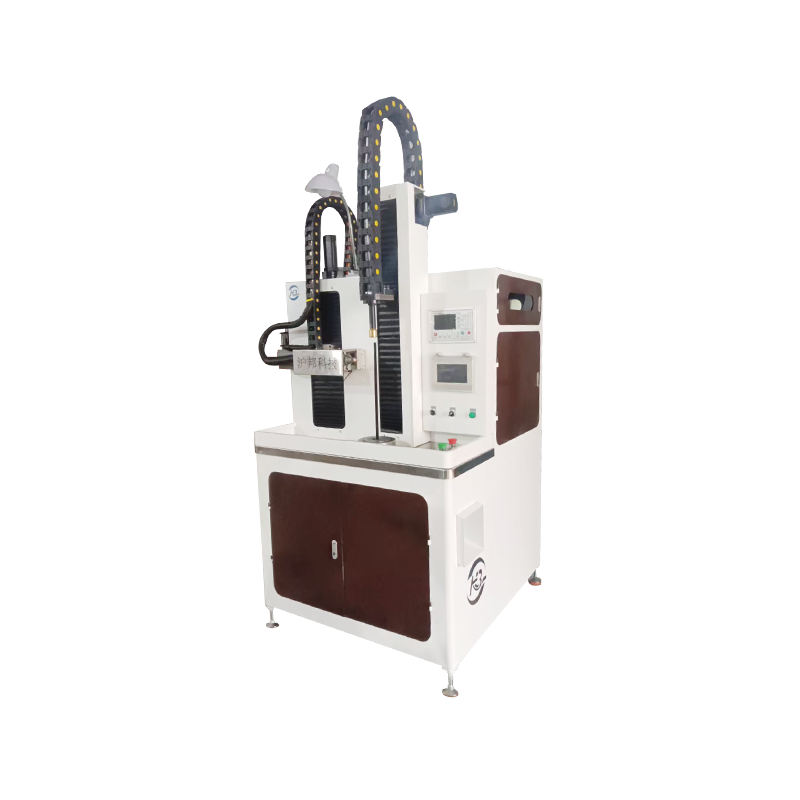
The Laser Bottle Flask Dividing Machine is designed for precision processing of various cup and pot components, includin...
See Details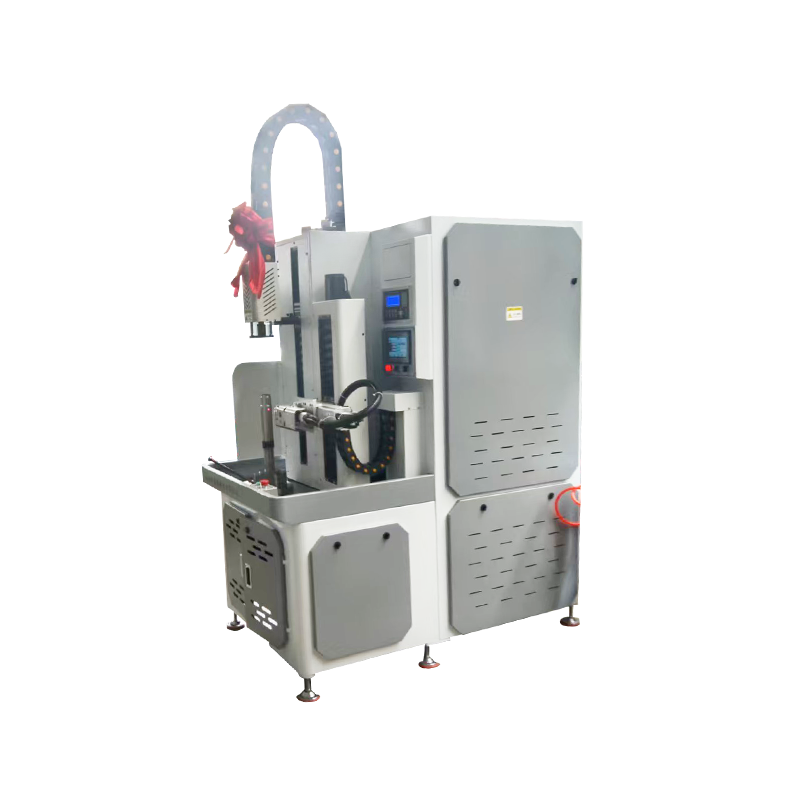
The Automatic Laser End Cutting Machine for Vacuum Flask is a high-precision equipment designed for efficient cutting of...
See Details
Yongkang Hubang Machinery Technology Co., Ltd.

No. 223, Chengxin Road, Economic Development Zone, Dongcheng Street, Yongkang City, Jinhua City, Zhejiang Province, China
Copyright © Yongkang Hubang Machinery Technology Co., Ltd.

Stainless Steel Flask Making Machine Supplier


