 English
 русский

The CNC Pipe Cutting Machine is designed for high-precision cutting of stainless steel pipes, especially suited for cup ...
See Details
Producing stainless steel cups and tumblers runs through several distinct forming and finishing stages. After welding, spinning, and initial forming, a workpiece often still needs correction, sizing, cutting, necking, or separation before it's ready for the next production step.
Different machines handle each of these jobs. From cup straightening and tube sizing through to laser cutting and cup-mouth forming, every machine on this list plays a specific role — tightening up workpiece consistency and keeping production flowing without unnecessary bottlenecks.
The cup shaping machine tackles shape correction on the cup body right after welding or forming. Pneumatic or hydraulic drive pushes even pressure around the outer wall through a forming die, evening things out where they've gone slightly off.
That correction handles the usual suspects — ovality, local dents, dimensional deviations. Controlled pressure applied across the workpiece pulls the cup shape back toward consistency without much fuss.
Daily operation stays fairly simple thanks to the PLC and touchscreen interface built into the machine. A servo motor drives the actual forming process, keeping movement steady and predictable run after run.
Key features include:
Production lines running welded or formed cup bodies that need extra shape correction before moving forward tend to find this machine a natural fit.
This machine handles straightening and sizing for welded straight tube blanks. Welded tube material has a habit of picking up bends or uneven outer dimensions somewhere along the production line, and this is where those issues get sorted out.
A strong drawing capability keeps continuous production moving while the process itself stays under control. An intelligent control system paired with precision sensors coordinates machine operation, keeping the whole process noticeably more consistent from batch to batch.
The operating interface skews toward clear and intuitive. Most users pick up the controls quickly without needing much specialized training beforehand.
Its compact structure also makes installation a lot less of a headache across different working platforms. A stable build cuts down on unwanted movement while the machine's actually running.
Other characteristics include:
This machine tends to slot in as a prep step, getting tube blanks ready before they head into further cup-forming processes downstream.
This machine relies on fiber laser cutting to run precise circular cuts around the mouth of a spun cup, with the workpiece accurately positioned and rotated throughout the cutting process.
Where mechanical cutting methods press directly against the workpiece, laser cutting skips the mechanical squeezing entirely. That cuts the risk of deformation or pressure marks showing up around the cup mouth considerably.
The resulting cut edge comes out smooth with relatively little burr, which trims down the workload during later mouth-grinding steps.
Numerical control lets operators adjust cutting settings on the fly, too, making it a lot easier to switch between different cup styles without much downtime.
Main product characteristics include:
The four-station necking machine handles step-by-step rotary forming for the cup mouth. Rather than shaping the opening in one aggressive pass, it gradually narrows the cup mouth across multiple forming stages.
That staged approach eases up on forming stress and cuts down the odds of cracking around the cup mouth considerably. The opening narrows gradually toward the target size instead of getting forced there in one shot.
The main frame runs on a cast structure, built alongside precision components like linear guides, bearings, and a numerical control system. Everything's designed to keep operation stable while cutting down on vibration and noise.
A lubrication monitoring system sits around the machine body, keeping tabs on the guide and screw components for maintenance purposes. The main shaft runs on variable-speed control, giving operators flexibility to adjust speed as needed mid-operation.
The four-station layout also cuts down on manual intervention and connects fairly easily into common metalworking production lines.
Important features include:
This machine cuts long cylindrical blanks apart into separate cup blanks, using fiber laser circular cutting while the workpiece spins coaxially with tight positioning accuracy.
The laser beam tracks a preset cutting position and can split one long tube blank into two separate cup blanks in a single pass. Skipping mechanical squeezing entirely means the cup body avoids getting flattened or pushed oval during the cut.
The cutting surface comes out smooth with minimal burr, which cuts down significantly on flat-mouth grinding work afterward. Numerical cutting settings adjust easily for different cup styles, so the machine flexes to cover varied production requirements without much retooling.
PLC and touchscreen controls keep daily operation straightforward. Four-axis coordinated movement handles positioning, main-shaft rotation, and the related cutting functions in sync.
A height-adjustment system controls servo-driven movement and can accommodate irregular or deformed cup and bottle blanks that wouldn't work with a fixed setup. Dust collection kicks in during both upper and lower processing, keeping the inside of the cup body noticeably cleaner throughout.
The machine also reconfigures for different functions — cup-mouth cutting, flat-mouth and flat-bottom processing, and cup separation all fall within its range.
Key features include:
Together, these five machines cover the bulk of the critical stages in stainless steel cup and tumbler processing. Each one zeroes in on a specific production need — shape correction, tube sizing, laser cutting, cup-mouth forming, blank separation — and combined, they give manufacturers a genuinely organized path through the whole cup production process.
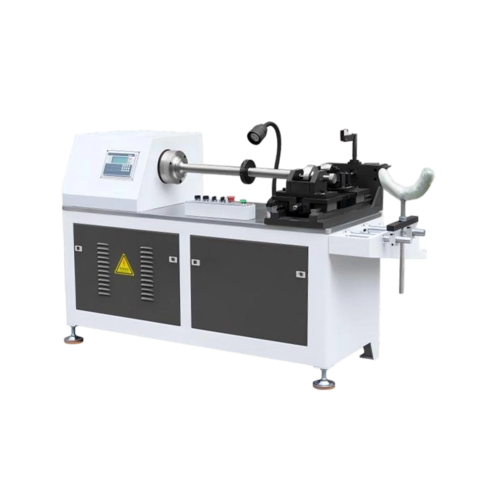
The CNC Pipe Cutting Machine is designed for high-precision cutting of stainless steel pipes, especially suited for cup ...
See Details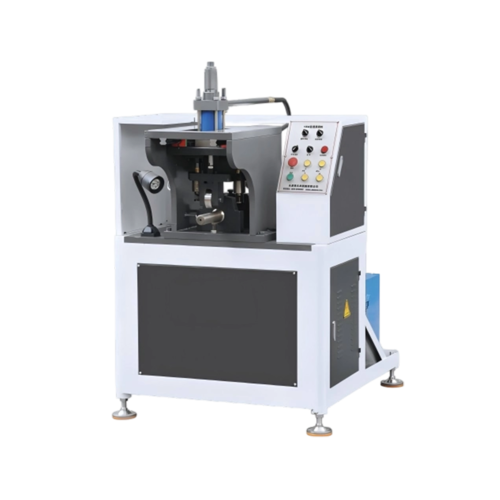
The Hydraulic Welding Seam Flatten Rolling Machine is a specialized piece of equipment designed for rolling and leveling...
See Details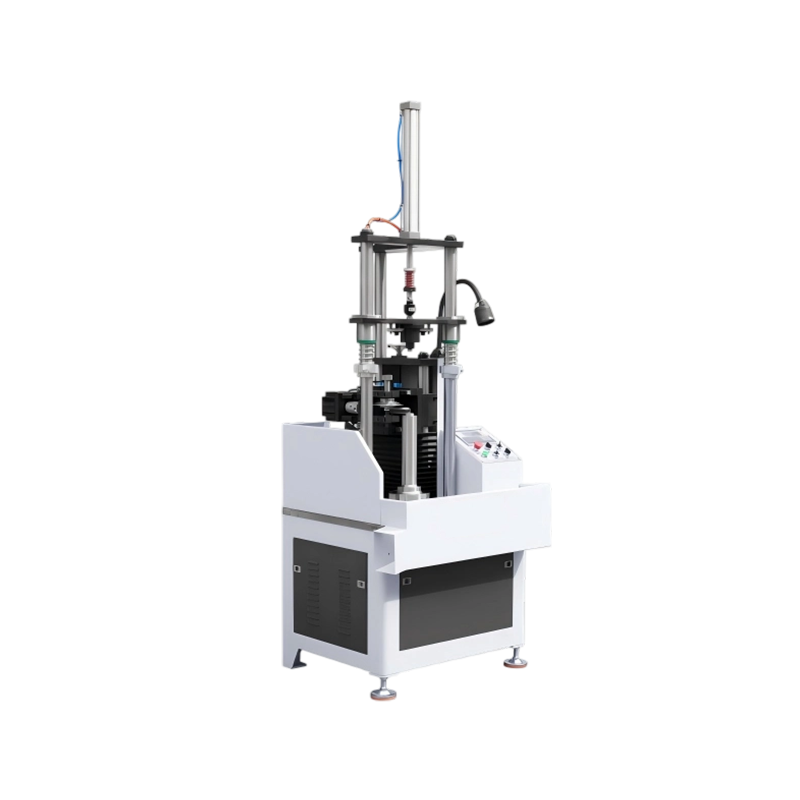
The CNC Rim Neck Cutting Machine is a high-precision, fully automated equipment designed for cutting and trimming the wa...
See Details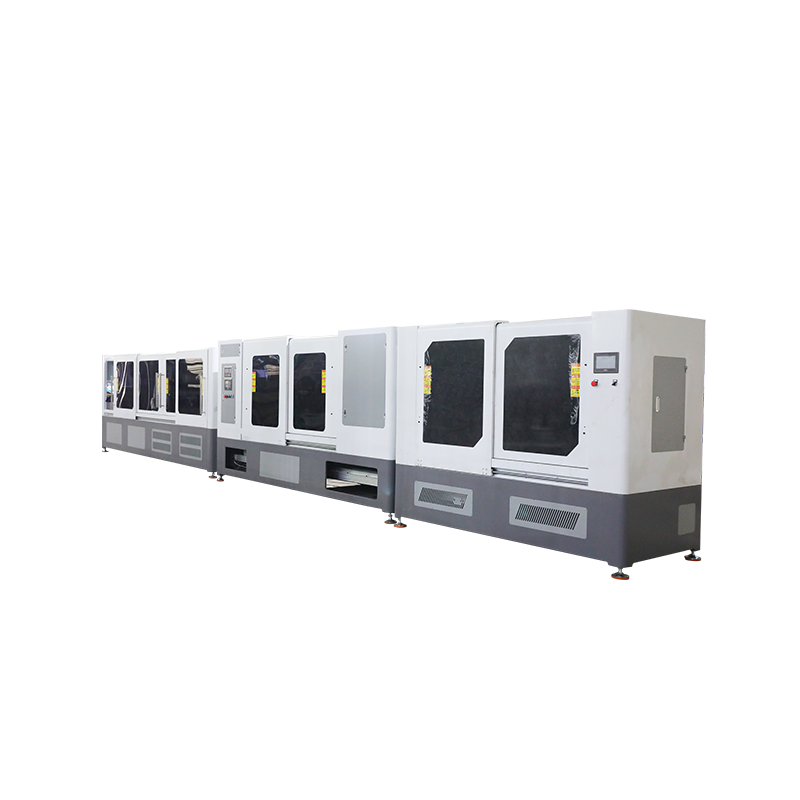
The Fully Automatic Pipe Drawing Machine for Thermos is a precision-engineered production system. It integrates laser pi...
See Details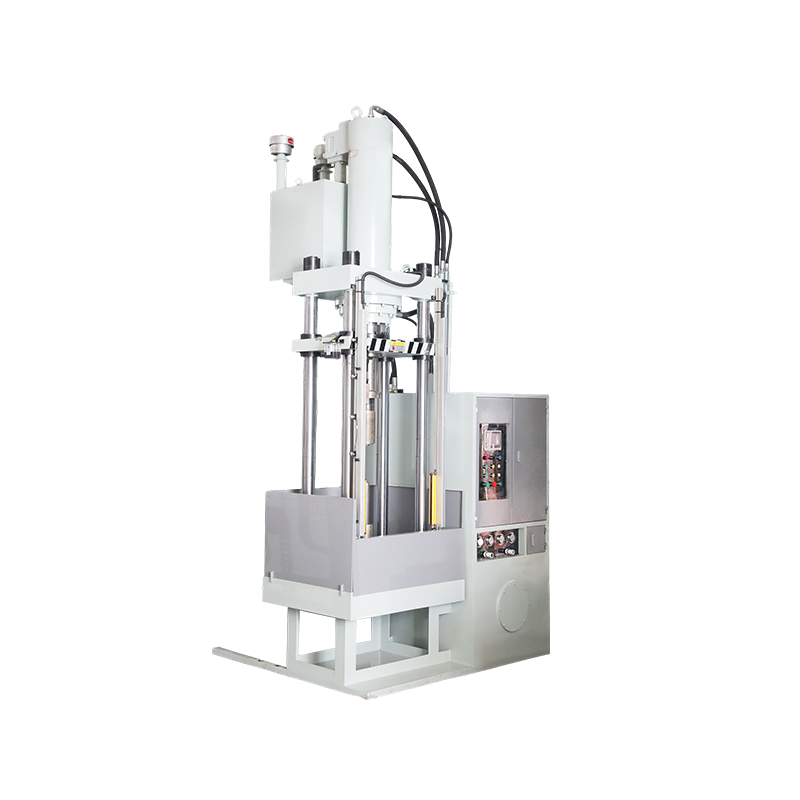
The Water Bulging Bottle Making Machine is made for the precision forming process of both the outer shell and inner line...
See Details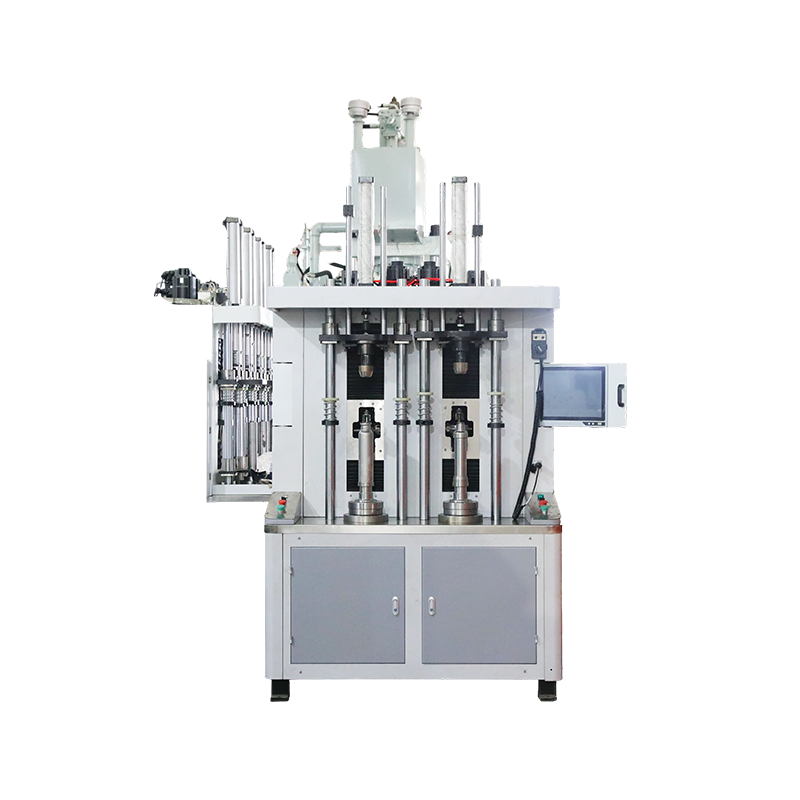
The Double Station CNC Tube End Shrinking Machine is designed for the spinning and compressing process of cup and pot mo...
See Details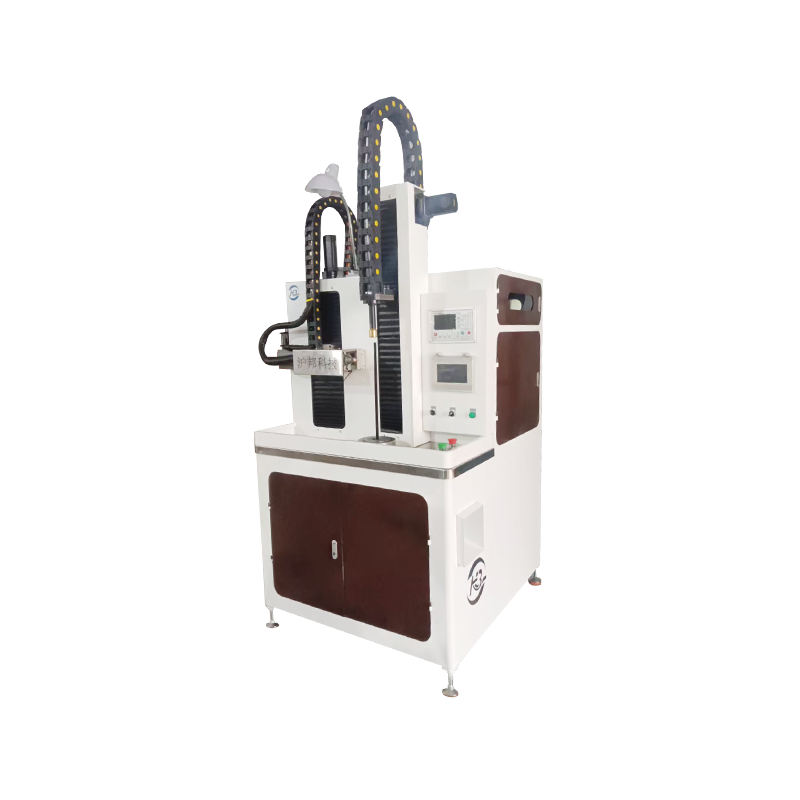
The Laser Bottle Flask Dividing Machine is designed for precision processing of various cup and pot components, includin...
See Details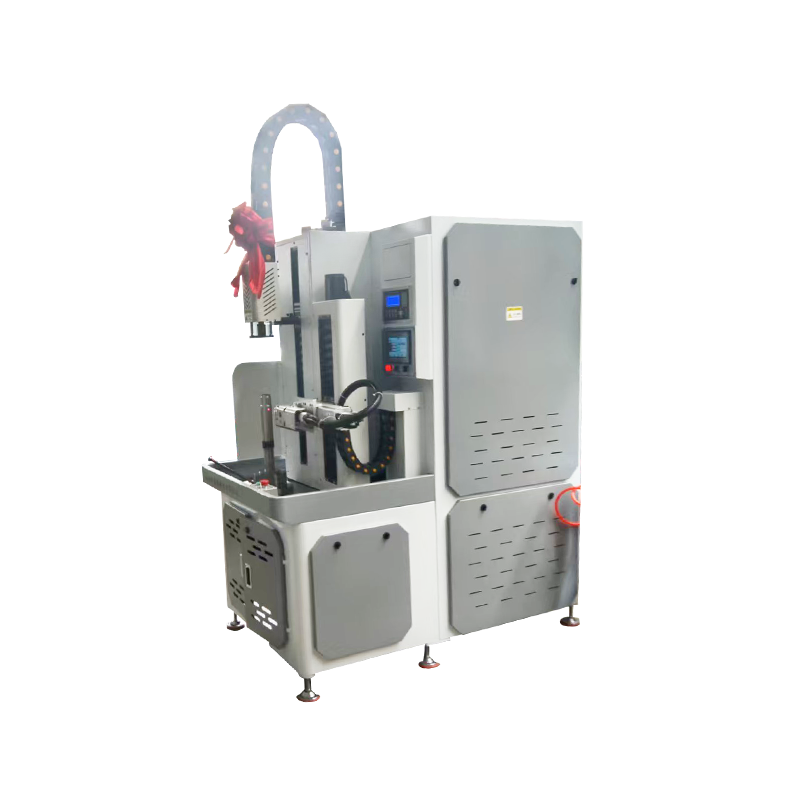
The Automatic Laser End Cutting Machine for Vacuum Flask is a high-precision equipment designed for efficient cutting of...
See Details
Yongkang Hubang Machinery Technology Co., Ltd.

No. 223, Chengxin Road, Economic Development Zone, Dongcheng Street, Yongkang City, Jinhua City, Zhejiang Province, China
Copyright © Yongkang Hubang Machinery Technology Co., Ltd.

Stainless Steel Flask Making Machine Supplier


