English
 русский

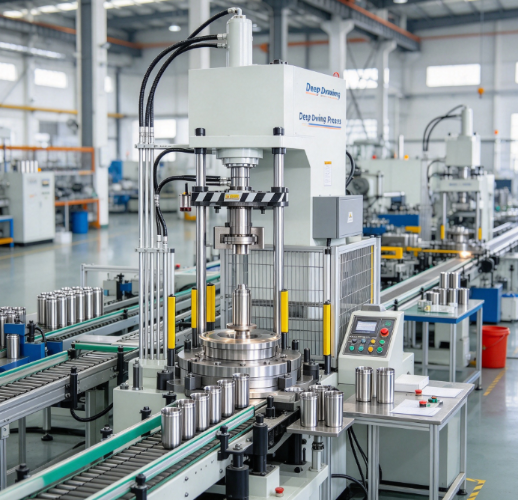
Within a Vacuum Flask Production Line, deep drawing can play a genuinely important role in shaping metal sheets into hollow components. Instead of treating the flask body as a flat piece of material, the forming process gradually turns the sheet into a container-like structure through repeated pressing.
This makes deep drawing closely connected with production line planning. A Hydraulic Deep Drawing Machine may perform a forming operation, while other equipment handles feeding, trimming, transfer, inspection, and later assembly. The Deep Drawing Process therefore needs to fit into the wider manufacturing flow, rather than operate as an isolated step tucked off to the side.
Why Is Deep Drawing Used in Vacuum Flask Production?
Vacuum flasks require hollow metal bodies with a controlled shape. Starting with a flat metal sheet provides a genuinely practical way to form such a structure through controlled pressing, rather than casting or machining from solid stock.
Deep drawing pushes a sheet into a forming tool, so the material moves from a flat shape toward a deeper hollow form. The operation can get repeated or combined with other forming steps when the final product requires several stages to reach its shape.
| Production Stage | General Purpose |
|---|---|
| Sheet preparation | Provides material for forming |
| Deep drawing | Creates the hollow body shape |
| Additional forming | Refines the body structure |
| Trimming | Removes unwanted material |
| Inspection | Checks the formed component |
| Further processing | Prepares the body for later assembly |
The exact sequence depends on the flask design and production setup running that day. The important point is that deep drawing gives the production line a way to transform sheet material into a genuinely useful hollow component.
How Does the Deep Drawing Process Shape the Flask Body?
The Deep Drawing Process relies on controlled movement between the sheet, forming tool, and pressing equipment working in sync. The sheet gets positioned before the forming operation begins, and pressure then moves the material into the desired cavity beneath it.
As the material changes shape, the forming operation needs to maintain a controlled relationship between the sheet and the tool throughout the stroke. Uneven material movement can affect the resulting body and may create genuine problems for later operations down the line.
A suitable forming sequence considers sheet placement alongside material movement and tool shape. Pressing action matters too, along with part removal and transfer to the next operation waiting nearby. The process can involve several forming stages, rather than trying to create the complete flask body in one operation, which allows the production line to manage changes in shape progressively.
What Role Does a Hydraulic Deep Drawing Machine Play?
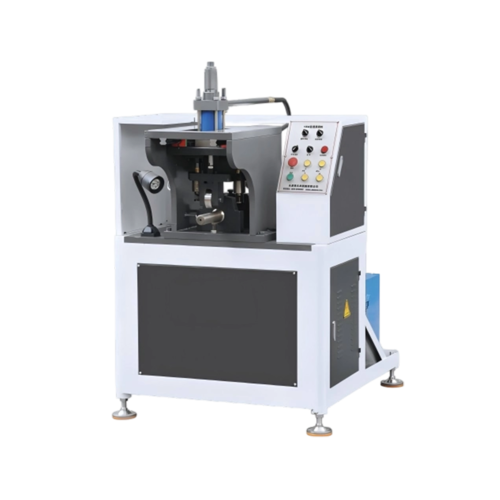
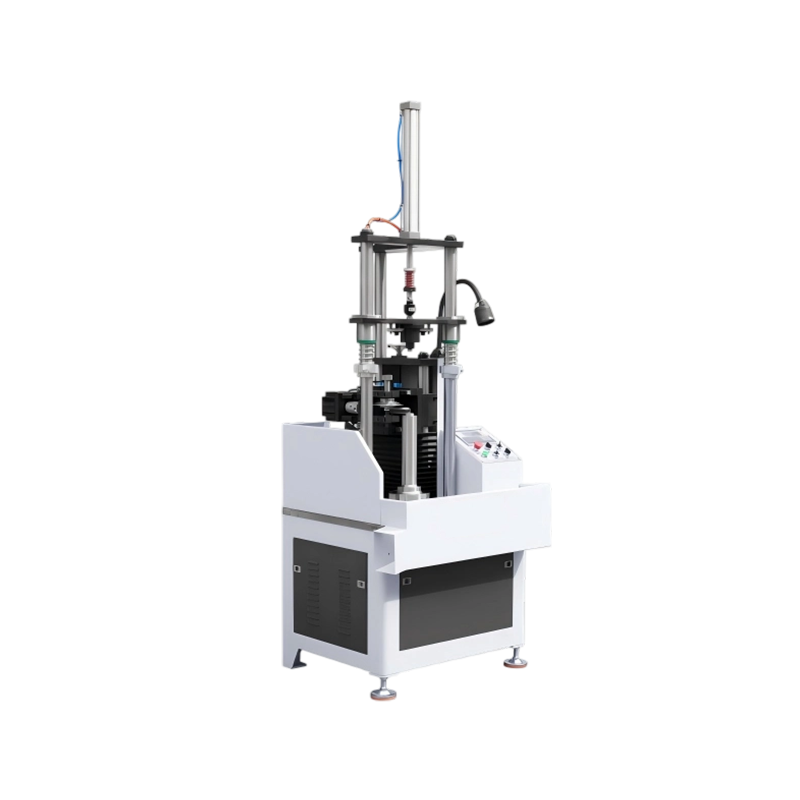
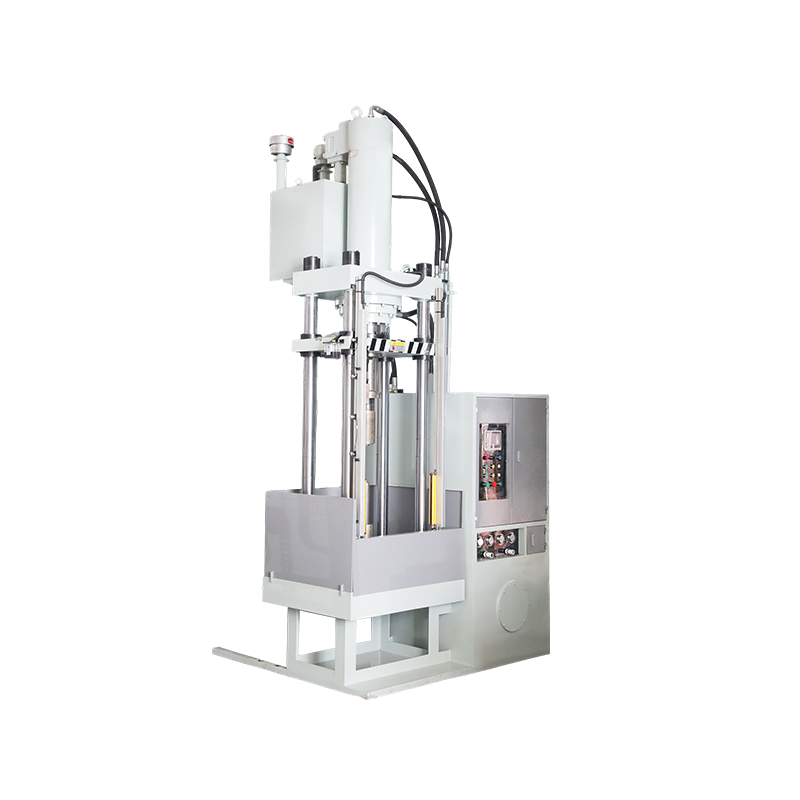
A Hydraulic Deep Drawing Machine provides the pressing action required to move the sheet into the forming tool. Its role within the production line isn't limited to applying force alone. The machine also needs to work with the tooling, material handling system, and surrounding production equipment as one coordinated unit.
Hydraulic operation can support controlled movement during forming, with the exact machine configuration depending on the product and manufacturing requirements at hand.
| Machine Function | Production Role |
|---|---|
| Sheet forming | Creates the hollow body |
| Controlled pressing | Supports consistent material movement |
| Tool interaction | Defines the formed shape |
| Part release | Allows transfer to another stage |
| Production integration | Connects forming with other operations |
The machine therefore acts as one part of the production system, not a standalone island. Its performance needs to match the way materials and components move through the complete line surrounding it.
How Does a Deep Drawing Press Machine Fit Into the Production Line?
A Deep Drawing Press Machine can serve as the central forming station within a vacuum flask manufacturing setup. However, the surrounding equipment genuinely determines how efficiently material moves into and away from the press itself.
A production line may include material preparation, feeding equipment, forming stations, trimming equipment, inspection points, and transfer systems, each handling a genuinely different task. The press needs to receive material in a condition suitable for forming, and after the operation, the formed part needs to leave the working area without creating unnecessary delays for the next station.
This creates a simple production relationship: material preparation flows into forming, which flows into transfer, then inspection, then further processing. The exact arrangement can change according to the flask structure and factory layout in place. The key is making the press work as part of the sequence, rather than treating it as a separate machine that operators must manage independently.
How Does Material Feeding Affect Deep Drawing?
Material feeding determines how the sheet reaches the forming station in the first place. If the material isn't positioned correctly, the forming operation may not produce the intended shape at all.
A production line can use manual or automated feeding depending on its configuration and volume. Automated handling can connect material preparation with the press and reduce repeated manual movement that slows things down. The feeding method also affects how quickly parts move between operations, since a forming machine may have suitable capabilities, but the overall line can still experience interruptions if material arrives irregularly.
For this reason, manufacturers can consider how sheets get prepared and how material enters the forming area. How formed parts get removed matters too, along with how components move to inspection and how completed parts get transferred to later processes. This approach connects the Deep Drawing Process with material handling, rather than considering forming by itself in isolation.
Why Is Tooling Important in Deep Drawing?
The forming tool gives the sheet its new shape, and its surface and geometry genuinely influence how the material moves during pressing. In vacuum flask production, the tool needs to correspond with the intended body shape closely, since the relationship between the tool and sheet also affects how the material behaves during forming.
Tool condition can become genuinely important as production continues week after week. Wear, contamination, or damage can influence the resulting parts and may require inspection or maintenance before the next run.
A production team can therefore include tool checks within its normal workflow. Keeping the forming area clean and inspecting tooling according to the manufacturer's maintenance requirements can help maintain stable production over time. The tool should also get considered when changing from one flask design to another, since different product shapes may require genuinely different forming arrangements.
How Can Multiple Drawing Stages Support Flask Body Formation?
Some flask bodies may require more than one forming operation to reach their intended shape. The material may begin with a relatively simple form and then move through additional stages that gradually deepen and refine it.
| Drawing Stage | General Purpose |
|---|---|
| Initial forming | Begins the hollow shape |
| Further drawing | Develops the body depth |
| Shape refinement | Adjusts the body structure |
| Final forming | Prepares the component for later work |
The number and arrangement of stages depend on the product design and material behavior under pressure. Within a Vacuum Flask Production Line, these stages can get placed close together or separated by transfer operations, with the choice depending on factory layout, equipment configuration, production volume, and automation requirements.
How Does Automation Connect Deep Drawing With Other Processes?
Automation can help connect individual machines into a continuous manufacturing sequence, rather than leaving each station to operate in a bubble. Instead of treating each forming operation as a separate task, automated transfer can move parts from one station to another without a forklift in between.
A typical automated arrangement may coordinate material feeding alongside press operation and part removal. Transfer comes next, followed by trimming, inspection, and sorting at the end of the line. The benefit comes from coordination, rather than automation alone for its own sake, since each station needs to communicate with the next part of the process, so material doesn't accumulate unnecessarily between operations.
Sensors and control systems may also monitor equipment status and part movement, depending on the production setup in place. The appropriate level of automation depends on the factory's needs, with a smaller operation using more manual handling while a larger production system connects several stations through automated transfer.
Why Does Trimming Follow Deep Drawing?
Deep drawing creates the main body shape, but the formed component may still contain material around its edge that needs further processing before it's usable. Trimming can remove unwanted sections and help prepare the body for subsequent operations, since the trimmed edge may later need to connect with another component or undergo additional finishing.
The position of trimming within the production line genuinely matters because it affects how the formed body gets transferred and inspected afterward. A practical sequence may involve forming the body, transferring it to a trimming station, checking the result, and then sending it to another part of the manufacturing process, keeping each operation focused on its intended task.
How Does Inspection Fit Into a Deep Drawing Production Line?
Inspection provides feedback about the formed components before they travel further down the line. A production line needs to identify problems before they continue through several additional stages and multiply into bigger issues.
Inspection can look at visible shape, edge condition, surface appearance, and other product requirements, with the exact method depending on the flask design and manufacturing process used.
| Inspection Point | Possible Focus |
|---|---|
| After forming | Body shape and surface |
| After trimming | Edge condition |
| Before assembly | Component suitability |
| Final inspection | Overall product condition |
Inspection can also provide genuinely useful information for production adjustment. If repeated forming issues appear, the production team can examine material preparation, tooling, machine settings, or handling conditions, creating a feedback loop between manufacturing and quality control.
How Can a Vacuum Flask Production Line Reduce Unnecessary Material Handling?
Material handling can genuinely influence the flow of an entire production line. Every unnecessary transfer creates another opportunity for a component to get dropped, damaged, misplaced, or delayed on its way to the next station.
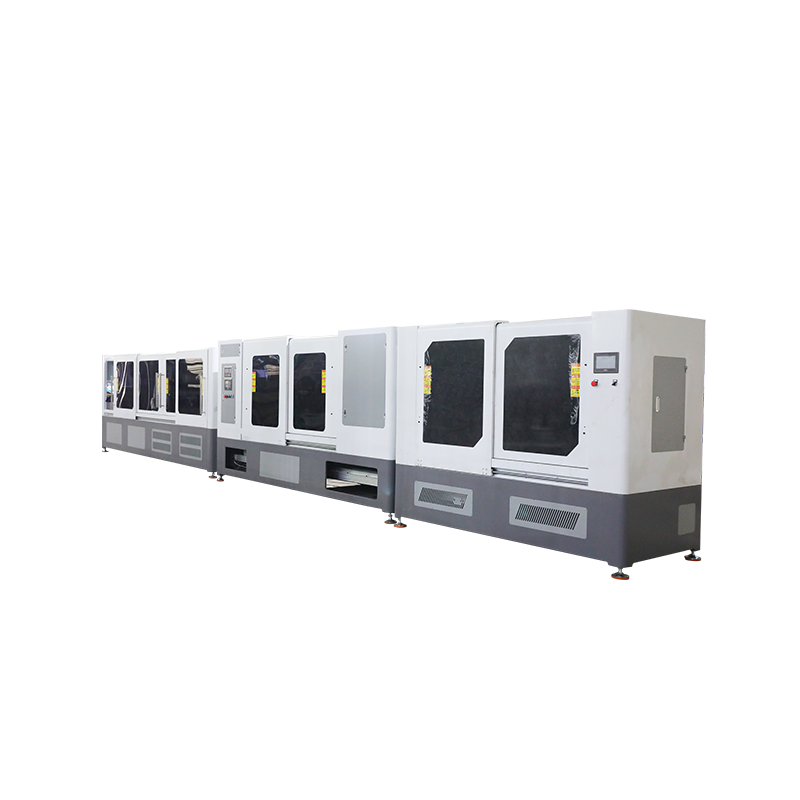
A well-planned Vacuum Flask Production Line places related operations in a sensible sequence. The formed body should move naturally toward trimming, inspection, cleaning, or later assembly, rather than traveling repeatedly across the factory floor. Equipment placement can therefore genuinely affect production organization, since the deep drawing station should have suitable space for material entry and formed-part removal, letting nearby stations receive components without unnecessary movement.
This approach can also make the production area genuinely easier to monitor, since operators can identify where material is waiting and where a process may need attention.
What Should Manufacturers Consider When Integrating a Hydraulic Deep Drawing Machine?
Machine integration involves genuinely more than placing a press beside another piece of equipment and calling it done. The Hydraulic Deep Drawing Machine needs to fit the material flow, tooling arrangement, transfer method, inspection process, and factory layout surrounding it.
| Integration Area | Question to Consider |
|---|---|
| Material feeding | Can sheets reach the press smoothly? |
| Tooling | Does the forming tool suit the product? |
| Part removal | Can formed bodies leave the station safely? |
| Transfer | Can components move to the next operation? |
| Inspection | Is there a suitable quality check point? |
| Maintenance | Can the machine and tools be accessed properly? |
These considerations help connect machine selection with production planning as a whole. A machine can have suitable forming capabilities while still being genuinely difficult to integrate if the surrounding workflow hasn't been considered ahead of time.
How Does Production Line Configuration Affect Deep Drawing?
Every factory has its own available space, equipment arrangement, material flow, and product requirements shaping its layout. There's no single production line layout that suits every vacuum flask manufacturer equally.
Some lines may arrange forming stations in a straight sequence running down the floor. Others may use compact layouts where material changes direction between processes to save space. The production line configuration should make the movement of materials and parts genuinely easy to understand for anyone walking through.
A useful layout considers material entry alongside forming station location, transfer routes, inspection areas, maintenance access, and finished-part movement. This also affects how workers interact with the equipment day to day, since clear movement paths can make routine operation and maintenance genuinely easier to manage.
How Can Deep Drawing Equipment Support Different Flask Designs?
Vacuum flasks can have genuinely different body shapes and structural requirements from one model to the next. The forming process therefore needs to accommodate the intended product, rather than forcing every design through the same rigid sequence.
A Deep Drawing Press Machine may work with different tools or forming arrangements according to the product being made that day. Changes in tooling can allow the production system to handle different body structures while retaining a familiar manufacturing framework underneath. However, product changes still need proper planning, since material preparation, tool replacement, forming stages, inspection, and transfer methods may all need adjustment when switching over.
Manufacturers can therefore consider flexibility when planning a production line. The goal isn't adding unnecessary complexity for its own sake but making the equipment suitable for the products the factory actually produces.
What Maintenance Considerations Matter for Deep Drawing Equipment?
Deep drawing equipment operates through repeated movement and contact between the machine, tooling, and material, cycle after cycle. Regular maintenance helps keep these parts in suitable working condition over the equipment's working life.
Maintenance tasks should follow the equipment manufacturer's instructions closely, which may include checking machine components, keeping the forming area clean, inspecting tooling, and addressing unusual operating conditions as they appear. Tool condition deserves particular attention because the tool directly affects the shape of the formed body, and a damaged or poorly maintained tool can create problems that only surface during later inspection.
A planned maintenance routine can also reduce unexpected interruptions on the floor. When machine and tooling checks become part of normal production management, problems may be genuinely easier to identify before they affect a larger number of components.
How Should Manufacturers Evaluate a Deep Drawing Press Machine?
Selecting a Deep Drawing Press Machine involves genuinely more than considering its forming function in isolation. Manufacturers need to understand how the machine will interact with the complete production line surrounding it.
Useful questions include whether the machine fits the intended material, tooling arrangement, production sequence, transfer method, and factory layout already in place. Buyers can also examine machine structure and operating method alongside compatibility with planned tooling. Material feeding arrangement matters too, along with part removal method, maintenance access, integration with automation, and the inspection and quality-control workflow already established.
These points help manufacturers connect equipment selection with actual production needs, since the right machine for one production environment may not suit another because line configuration and product requirements can genuinely differ.
How Does Deep Drawing Connect the Complete Vacuum Flask Production Process?
Deep drawing is one part of a larger manufacturing chain, not the whole story by itself. Sheet material needs to reach the forming station, move through the required shaping stages, and continue toward trimming, inspection, cleaning, and later assembly down the line.
The Vacuum Flask Production Line brings these operations into one organized system working together. The Hydraulic Deep Drawing Machine provides forming capability, while the Deep Drawing Process determines how the sheet changes shape stage by stage. A Deep Drawing Press Machine can then get integrated with feeding, transfer, inspection, and automation systems according to the factory's production needs.
This connection between equipment and process matters genuinely because the quality of one stage can affect the work that follows immediately after. A well-formed body can move more naturally into trimming and inspection, while an inconsistent forming result may create additional work later in the line.