 English
 русский


The CNC Pipe Cutting Machine is designed for high-precision cutting of stainless steel pipes, especially suited for cup ...
See Details
Rim neck cutting depends on a controlled path that removes material only where the design requires. CNC programming defines that path in advance: tool approaches, depths, contours and end positions are written as instructions the controller executes the same way on every cycle. The machine follows the program rather than relying on continuous manual guidance of the cutting tool by hand.
Predefined machining instructions reduce the scatter that appears when different operators interpret a drawing slightly differently or when fatigue changes how steadily a lever is held. Dimensional targets for the neck region stay tied to the program and to the machine's ability to execute it. The CNC Rim Neck Cutting Machine's numerical control capability supports accurate cutting dimensions and repeatable machining results when the program matches the rim design, the tool is suitable and the workpiece is held correctly. Programming does not remove the need for proving a first piece; it makes subsequent pieces follow the proven path.
Accuracy suffers when the tool wanders from the intended line. CNC control coordinates axis motion so that feed direction, speed along the path and transitions between segments stay within the machine's positioning behaviour. Coordinated movements reduce positioning deviations that would otherwise show up as uneven neck profiles or stepped surfaces where a smooth form was planned.
During rim neck machining, the cutter must track a geometry that may include cylindrical sections, shoulders or blends. Stable, controller-driven motion helps each pass stay on that geometry. The product's CNC-controlled cutting movements help maintain consistency across repeated rim neck operations when mechanical backlash is managed, lubrication is sound and the program avoids abrupt moves that excite vibration. Consistency is a system result: control, mechanics and tooling together.
Even a correct program cuts in the wrong place if the rim is not located where the program assumes. Workpiece positioning sets the relationship between the neck feature and the machine axes. Stable clamping resists cutting forces so that the rim does not creep, rotate or lift during the pass. Alignment errors at setup become systematic dimensional errors on every piece until someone corrects the fixture or the offsets.
Reliable alignment throughout the cut depends on locating surfaces that match the rim's reference features and on clamps that hold without crushing thin sections. The machine's positioning and workpiece holding design support that alignment when operators clean locating faces, seat the rim fully and verify critical offsets according to workshop practice. CNC Rim Machine setups for neck work succeed or fail largely on this discipline before the spindle starts.
Cutting speed, feed rate and depth of cut influence how the tool removes material and how much force enters the rim and the machine. Excessive depth or feed can deflect the tool or the workpiece; unsuitable speed can degrade the edge and change the effective size of the cut. CNC parameter settings allow those values to be chosen for the material and the tool, then locked into the program so that every cycle uses the same combination.
Adjustable machining parameters let operators configure cutting conditions for different rim materials, neck geometries or tool types without rebuilding the machine. Dimensional control improves when parameters keep cutting forces predictable and heat moderate for the operation at hand. Parameter choice is still a technical responsibility: values that look aggressive on a rigid block may not suit a lighter rim section. The machine provides the means to set and repeat the chosen conditions.
Machine rigidity is the structure's resistance to deflection under load. When the frame, spindle support and slides are stiff enough for the cuts being taken, the tool stays closer to the programmed position. Excessive vibration moves the tool tip in ways the program did not command, which shows up as surface waviness, chatter marks and variation in measured neck dimensions from piece to piece.
Structural stability during cutting helps maintain a consistent machining process. Support for the workpiece and a solid machine build reduce the energy available for chatter. Operators still contribute by avoiding tools that are too long or too worn and by choosing parameters that do not drive the system into a bad vibration mode. Rigidity does not replace sharp tooling; it gives sharp tooling a stable platform. CNC Machine Rims neck operations benefit when both the machine and the fixture are equal to the cutting load.
Batch work exposes any process that cannot repeat. CNC programs store the same machining instructions for reuse, so the cutting path, the sequence of operations and the nominal parameters do not depend on memory from shift to shift. Repeatable paths and controlled parameters help reduce dimensional differences between workpieces when tools are managed and blanks are similar.
The CNC Rim Neck Cutting Machine's repeatable processing capability supports consistent rim neck dimensions and quality across production batches when tool wear is monitored, offsets are updated in a controlled way and first-off inspection confirms that the program still matches the drawing. Repeatability is not automatic forever; it holds while the inputs—tool, blank, fixture and machine condition—stay within the band assumed when the process was validated.
| Factor | Contribution to accuracy | Workshop focus |
|---|---|---|
| CNC program | Defines path and dimensions | Prove first piece; control program revisions |
| Controlled tool motion | Tracks intended geometry | Maintain axes, avoid harsh motion |
| Workpiece location and clamp | Puts neck on the programmed position | Clean locators; verify seating |
| Cutting parameters | Manages force and material removal | Match speed, feed, depth to tool and rim |
| Machine and fixture rigidity | Limits deflection and chatter | Stable setup; suitable tooling length |
| Program reuse in batch | Same instructions each cycle | Tool life control; periodic verification |
CNC technology improves accuracy only as part of a complete method. Dull inserts enlarge effective tool radius and shift size. Chips left on locators tilt the next rim. Unrecorded offset changes create invisible variation. Shops that treat the program, the fixture and the tool as one controlled process keep neck dimensions on target longer than shops that only trust the controller display. Training operators to notice sound, surface and measurement trends protects the accuracy the CNC system is capable of delivering.
CNC technology improves rim neck cutting accuracy through programmed dimensions, controlled tool movement, deliberate workpiece positioning, adjustable cutting parameters, rigid machine support and repeatable use of the same instructions in batch work. The CNC Rim Neck Cutting Machine brings numerical control, stable cutting motion, positioning capability, parameter adjustment, structural stability and repeatable processing to that task when applied with sound tooling and setup practice. Yongkang Hubang Machinery Technology Co., Ltd. produces CNC equipment including rim neck cutting machine configurations. Review of rim geometry, material, batch size and inspection method against machine capability supports consistent neck dimensions in production.
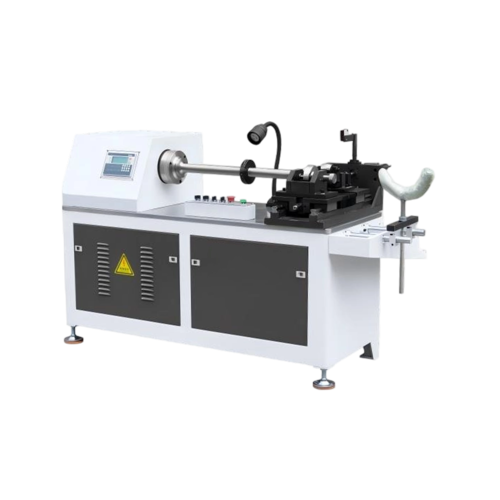
The CNC Pipe Cutting Machine is designed for high-precision cutting of stainless steel pipes, especially suited for cup ...
See Details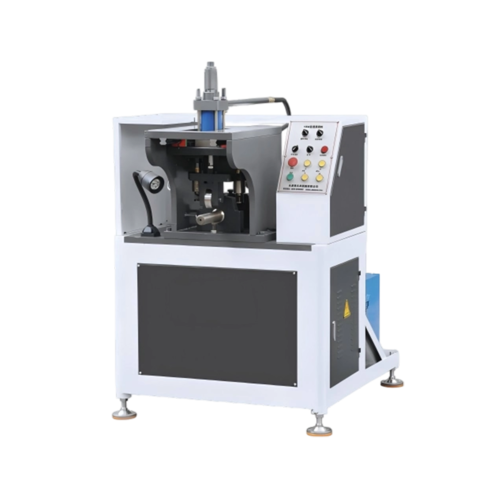
This machine is built specifically to roll and level the weld seam on metal pipes. It leaves the surface smooth and even...
See Details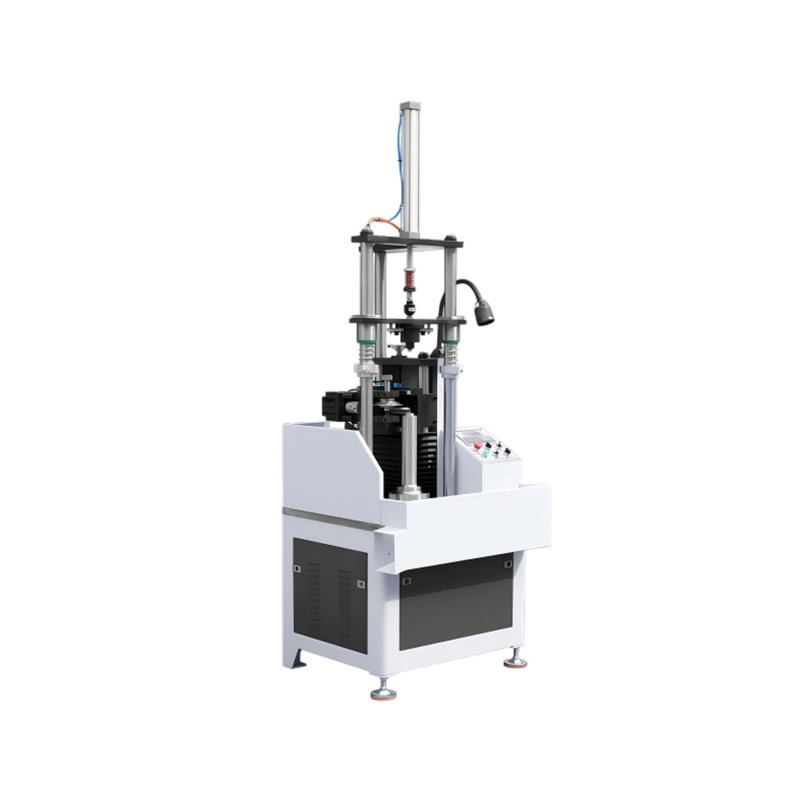
This is a fully automated CNC machine made for cutting and trimming the leftover material around the mouth of cups and p...
See Details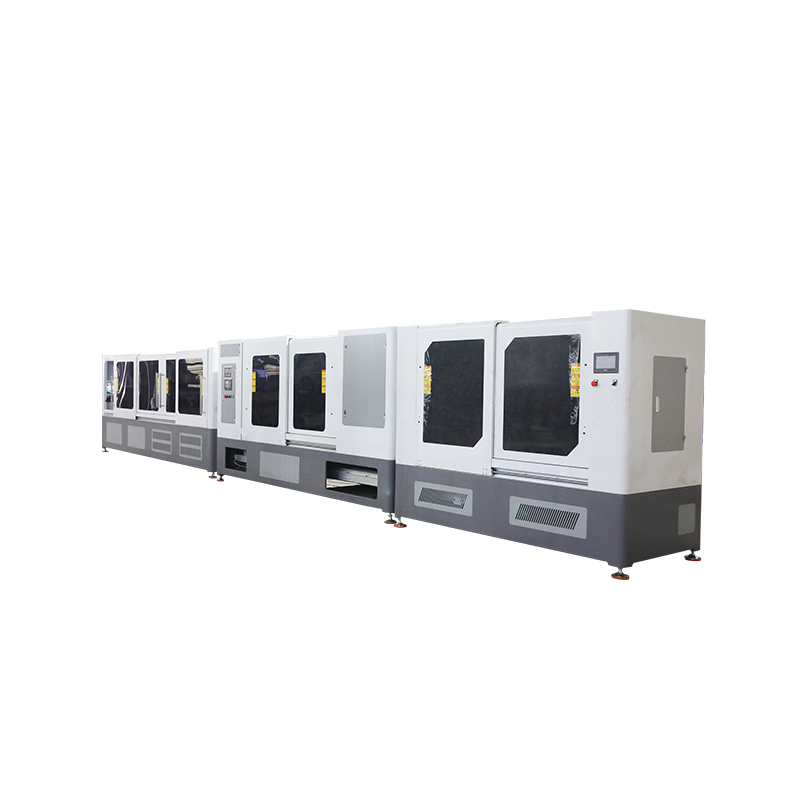
The Fully Automatic Pipe Drawing Machine for Thermos is a precision-engineered production system. It integrates laser pi...
See Details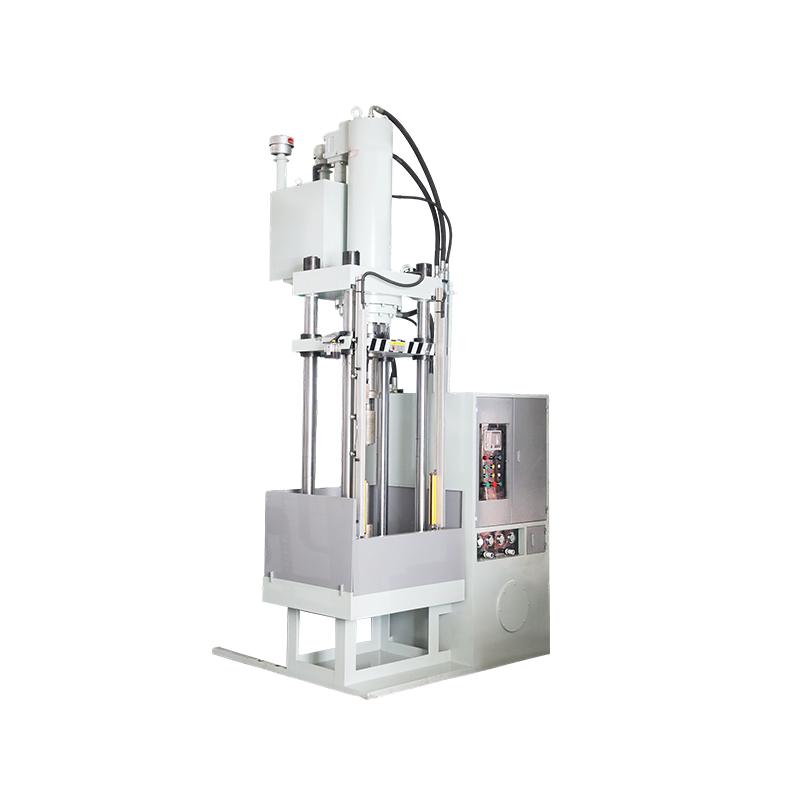
The Water Bulging Bottle Making Machine is made for the precision forming process of both the outer shell and inner line...
See Details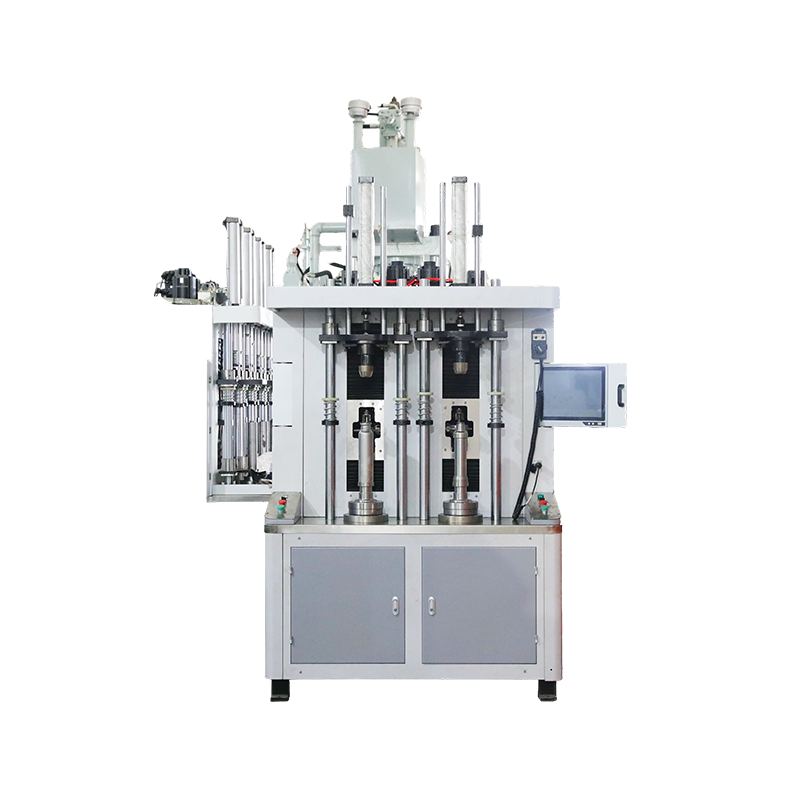
The Double Station CNC Tube End Shrinking Machine is designed for the spinning and compressing process of cup and pot mo...
See Details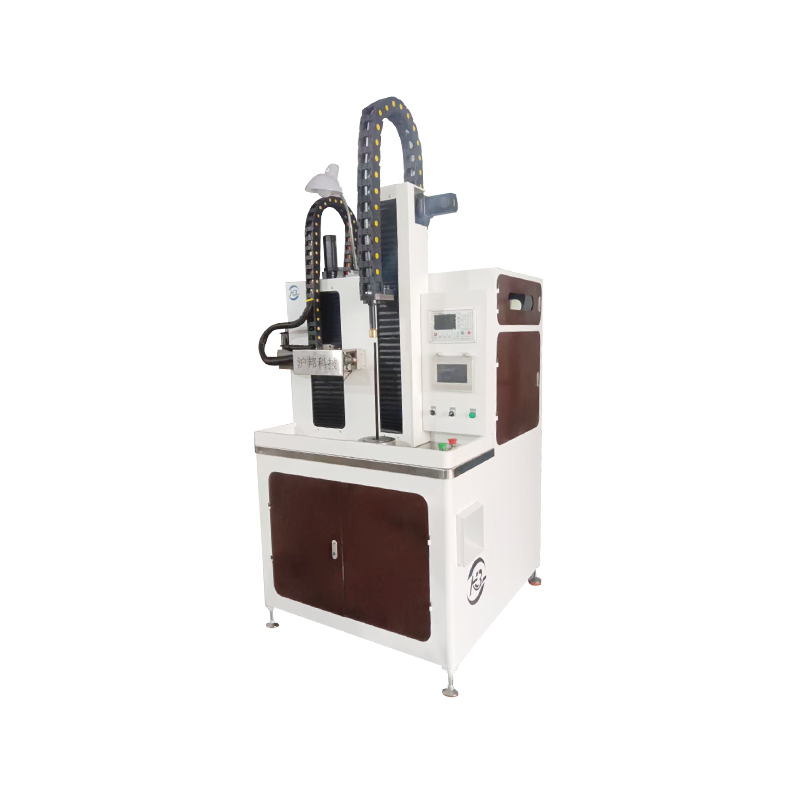
The Laser Bottle Flask Dividing Machine is designed for precision processing of various cup and pot components, includin...
See Details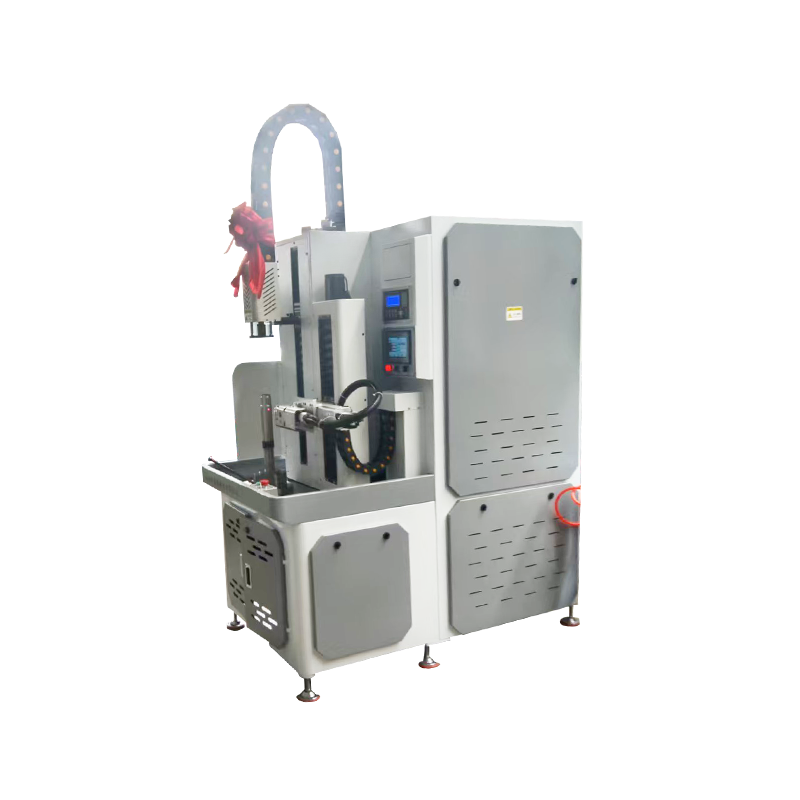
The Automatic Laser End Cutting Machine for Vacuum Flask is a high-precision equipment designed for efficient cutting of...
See Details
Yongkang Hubang Machinery Technology Co., Ltd.

No. 223, Chengxin Road, Economic Development Zone, Dongcheng Street, Yongkang City, Jinhua City, Zhejiang Province, China
Copyright © Yongkang Hubang Machinery Technology Co., Ltd.

Stainless Steel Flask Making Machine Supplier


