 English
 русский


The CNC Pipe Cutting Machine is designed for high-precision cutting of stainless steel pipes, especially suited for cup ...
See Details
Metal workshops often need to reduce local raised areas after welding or to pass sheet and plate through rolls for general forming. Two equipment families appear in that discussion: hydraulic flattening machines that press material under controlled hydraulic force, and traditional rolling machines that work the metal between driven rolls. They share an interest in changing thickness or height of metal, yet their principles, control methods and best uses differ. Choosing between them starts with the process goal—local seam flattening, broad plate levelling or continuous forming—rather than with a single equipment label.
A hydraulic flattening machine applies force through a hydraulic system to rollers or pressing elements that bear on the workpiece. The aim is often to reduce a raised weld bead or a local high spot so the surface sits closer to the surrounding plate. Force can be adjusted through the hydraulic circuit, which suits work where pressure must be matched to material and seam geometry.
A traditional rolling machine passes metal between rolls that impose mechanical reduction or bending. Drive may be mechanical or hydraulic, but the defining idea is continuous or stepwise deformation as the piece moves through the roll gap. Applications include plate rolling, levelling and general thickness reduction across a width rather than only at a weld line.
Both types belong to forming and finishing operations after cutting or welding. Hydraulic flattening is frequently discussed where weld reinforcement must be lowered without removing large amounts of metal. Rolling is discussed where the whole sheet or plate must be formed or levelled. A Metal Flattening Machine in the hydraulic category is specified when local, pressure-controlled work is the priority.
In hydraulic flattening, a pump and cylinder system generate force that is transmitted to the working rolls or tools. The operator or control system sets pressure according to material and seam. Contact can be concentrated on the raised area so that surrounding plate is disturbed less than in a full-width pass.
Traditional rolling relies on the geometry of the roll gap and the torque of the drive. The metal is drawn or pushed through; reduction is a function of gap setting, pass schedule and material strength. Force is inherent in the deformation, not independently dialled as a hydraulic set-point in the same way.
Hydraulic systems emphasise adjustable pressure and dwell on a local feature. Rolling systems emphasise gap, speed and number of passes over a length or width. Mixing the two concepts without looking at the workpiece leads to the wrong machine enquiry.
Hydraulic flattening allows pressure to be raised or lowered for different alloys or bead heights. Rolling control is more about gap and feed. When seam height varies along a joint, adjustable pressure is often the more direct response.
Thick plate and tall weld reinforcement may need high local force; thin sheet may need careful limits to avoid over-thinning. Rolling handles general thickness change across a panel. The process question is whether the problem is a line-like seam or the whole surface.
Flattening quality depends on roll condition, pressure setting, alignment and how well the seam is centred under the tools. Rolling quality depends on roll crown, gap uniformity and pass design. Neither method guarantees a given finish without correct setup and suitable material condition.
Hydraulic seam flatteners are often arranged so a welded joint can be presented under a short roll set. Rolling machines may be longer, with multiple rolls for continuous plate movement. Operator steps, guarding and maintenance points follow those layouts.
Local weld-bead reduction, preparation for painting or stacking, and repair of raised joints point toward hydraulic flattening. Curving plate, general levelling and multi-pass thickness reduction point toward traditional rolling. Many factories run both for different stations.
Weld reinforcement sits above the plate and can interfere with fit-up, coating or stacking. Grinding removes metal and takes time; heavy rolling of the whole plate may be excessive when only the bead is the problem.
Hydraulic flattening can concentrate force on the bead so that it is pressed down toward the plate level. Success depends on bead shape, material, pressure and roll profile. The surrounding plate should remain as undisturbed as the process allows.
Conventional rolls can also reduce a bead if the joint is passed through a suitable gap, but control is less local and the whole width may be affected. For narrow seam work, dedicated hydraulic flattening is often the more targeted tool.
Material grade, bead hardness, roll diameter and surface, pressure or gap setting and number of passes all influence the final height and surface. Trials on representative welds remain more reliable than assumptions from plate thickness alone. Equipment used near Seam Welding Machines on a fabrication line should be chosen so that bead treatment matches the weld process and downstream steps.
When the task is to lower reinforcement on long welded joints, hydraulic flattening aligned with the seam path is the usual candidate.
When the task is to curve, level or reduce sheet and plate across a wide area, traditional rolling configurations are the usual candidate.
Roll width, pressure capacity, opening height and drive type must fit the largest and thickest work expected. Production volume affects whether manual presentation of each seam is acceptable or whether mechanised feeding is required.
Material list, thickness range, seam height, panel size and required surface condition should be written down before comparing machine quotations. Vague requests produce quotations that cannot be ranked fairly.
Alloy and thickness set the force demand and the risk of marking. Supplier discussion starts from real sample coupons when possible.
Seam length, bead width and panel size determine roll face length and machine throat. Undersized rolls force multiple setups; oversized machines waste floor space.
Available pressure range and roll arrangement must cover the hardest combination of material and bead. Adjustment resolution matters when several product types share one machine.
Shift length, cycle frequency and operator skill influence whether a simple manual machine is enough or whether fixtures and stops are needed.
Guarding, emergency stops and access for seal and oil maintenance are part of the specification. Hydraulic systems need clean oil and leak control to stay reliable.
This class of machine combines hydraulic force with rolls arranged to work on welded seams. The intent is controlled reduction of reinforcement rather than full-plate rolling.
A hydraulic power unit feeds cylinders that load the rolls. Roll profile and stiffness affect how the bead is pressed and how much the adjacent plate moves.
The welded joint is positioned under the rolls; pressure is applied; the seam is advanced or the head is indexed as needed until the bead height meets the workshop standard.
Applicable metals and thickness bands are those confirmed in the machine's documentation and proven in trials—not every alloy on the shop floor by default.
Roll width, pressure package, fixturing and controls can be adapted when the manufacturer supports custom configuration for a defined product mix.
Useful machines are sized from material, seam and throughput data, not from a generic catalogue page alone.
Frame rigidity, hydraulic integrity and roll quality are checked before shipment. Records of those checks support acceptance at the buyer's site.
Clear answers on capacity, tooling and limits help the buyer avoid ordering a machine that cannot process the hardest routine job.
When standard models do not fit, drawing review and agreed modifications create a machine matched to a specific line—subject to engineering feasibility and cost.
Hydraulic flattening emphasises adjustable pressure on local features such as weld beads; traditional rolling emphasises continuous deformation through a roll gap over a length or width of plate.
Yes, when the machine is designed and set up for seam work, with suitable rolls, pressure and presentation of the joint.
Those listed and proven for the specific model—typically common structural metals within a stated thickness band; unusual alloys need trial confirmation.
From material strength, bead geometry and trial results on representative welds, within the machine's rated range and safe operating practice.
Material types, thickness range, seam height and length, panel size, production rate, accuracy expectations and any preferred roll or fixture features.
| Factor | Hydraulic Flattening Focus | Traditional Rolling Focus |
|---|---|---|
| Primary goal | Local bead or high-spot reduction | Broad forming, levelling, thickness change |
| Force control | Hydraulic pressure setting | Roll gap and pass schedule |
| Typical workpiece feature | Weld reinforcement along a joint | Full sheet or plate width |
| Setup emphasis | Alignment to seam; pressure trials | Gap uniformity; multi-pass planning |
| Line relationship | Often downstream of welding stations | Standalone forming or levelling line |
| Selection data needed | Bead size, material, panel limits | Width, thickness, bend or reduction targets |
Hydraulic flattening and traditional rolling both deform metal, but one concentrates adjustable pressure on local seams while the other works material through rolls over a wider area. Matching machine type to seam-only work versus general plate work avoids idle capability and incomplete results. Yongkang Hubang Machinery Technology Co., Ltd. builds hydraulic flattening and related metal-processing equipment for industrial workshops. Review of material, seam geometry, pressure needs and production volume against machine configuration supports selection of flattening or rolling equipment that fits the intended metalworking task.
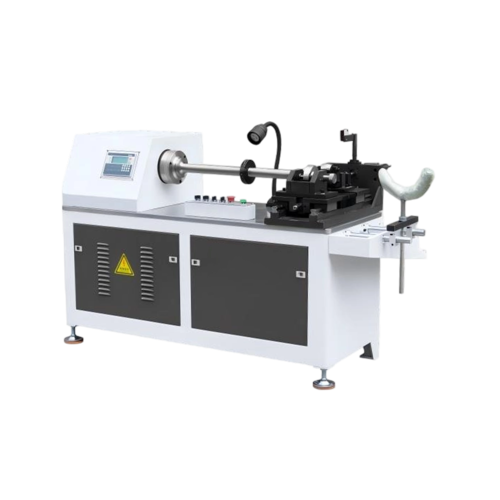
The CNC Pipe Cutting Machine is designed for high-precision cutting of stainless steel pipes, especially suited for cup ...
See Details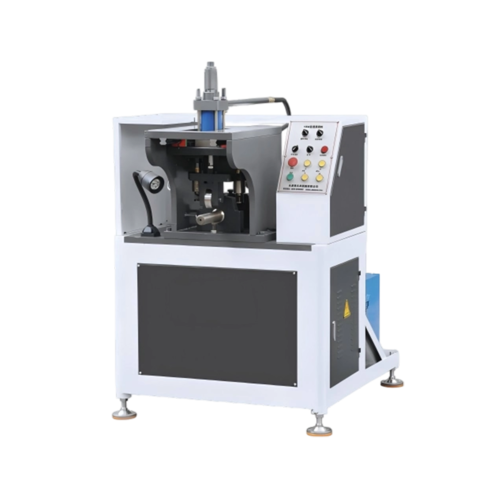
This machine is built specifically to roll and level the weld seam on metal pipes. It leaves the surface smooth and even...
See Details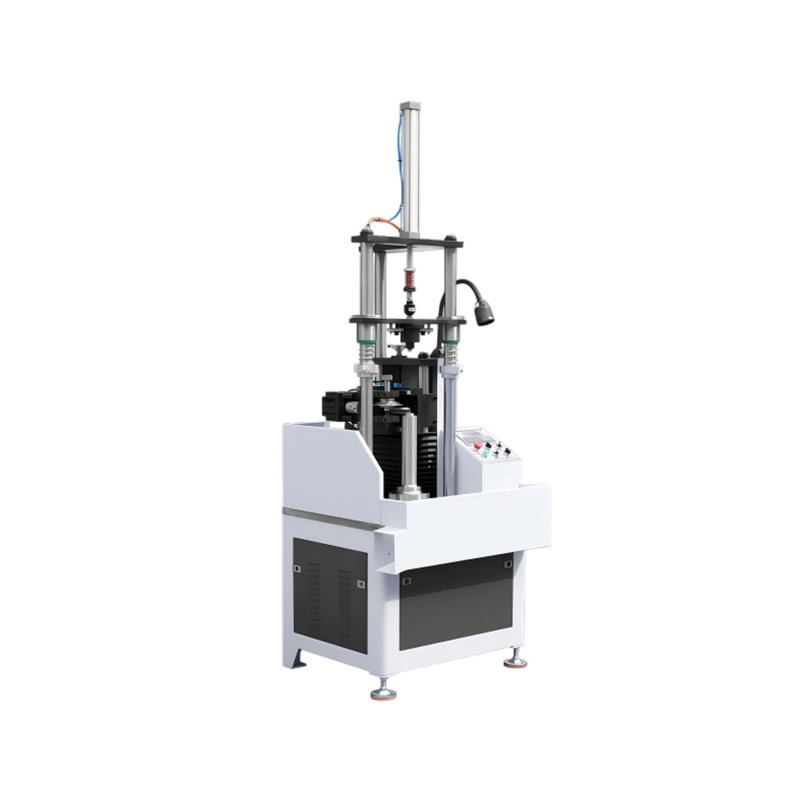
This is a fully automated CNC machine made for cutting and trimming the leftover material around the mouth of cups and p...
See Details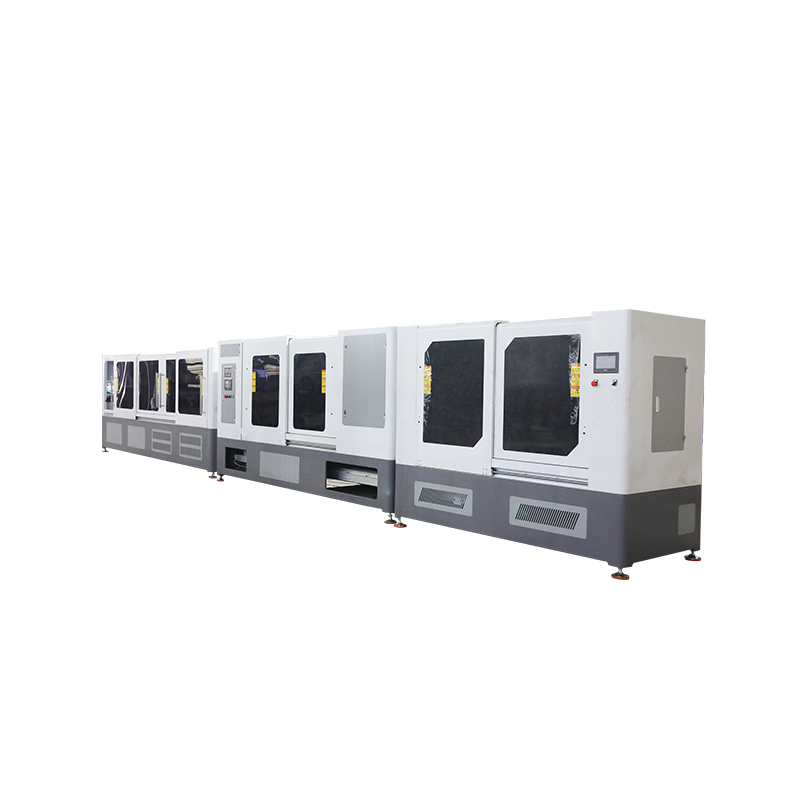
The Fully Automatic Pipe Drawing Machine for Thermos is a precision-engineered production system. It integrates laser pi...
See Details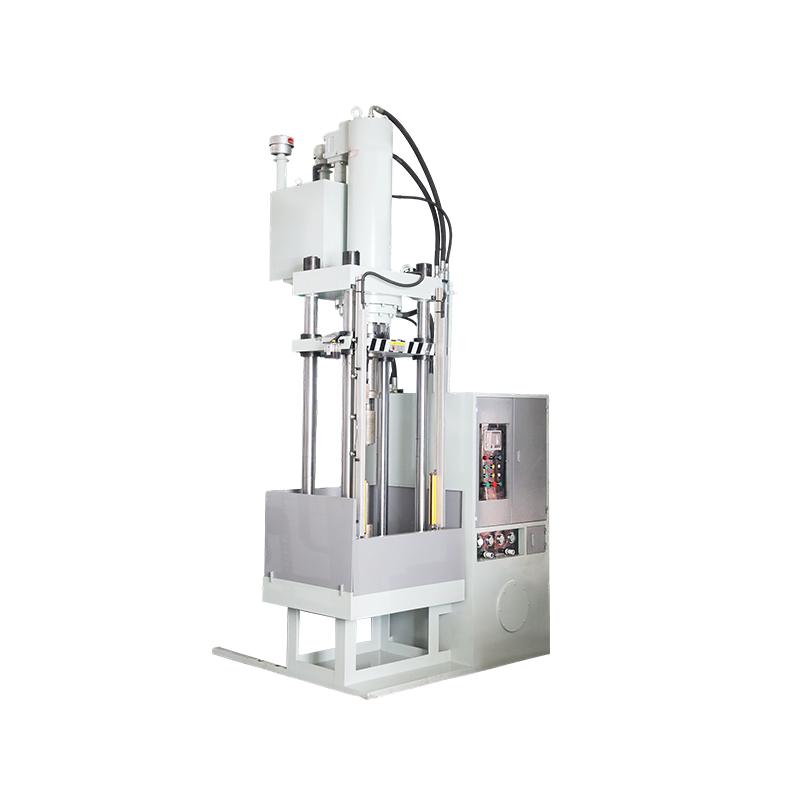
The Water Bulging Bottle Making Machine is made for the precision forming process of both the outer shell and inner line...
See Details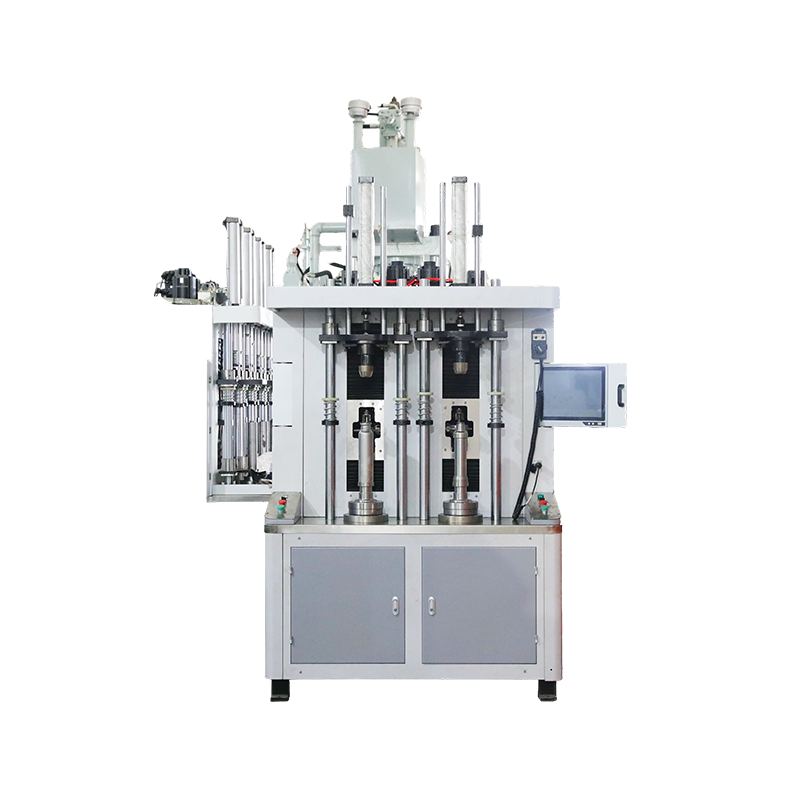
The Double Station CNC Tube End Shrinking Machine is designed for the spinning and compressing process of cup and pot mo...
See Details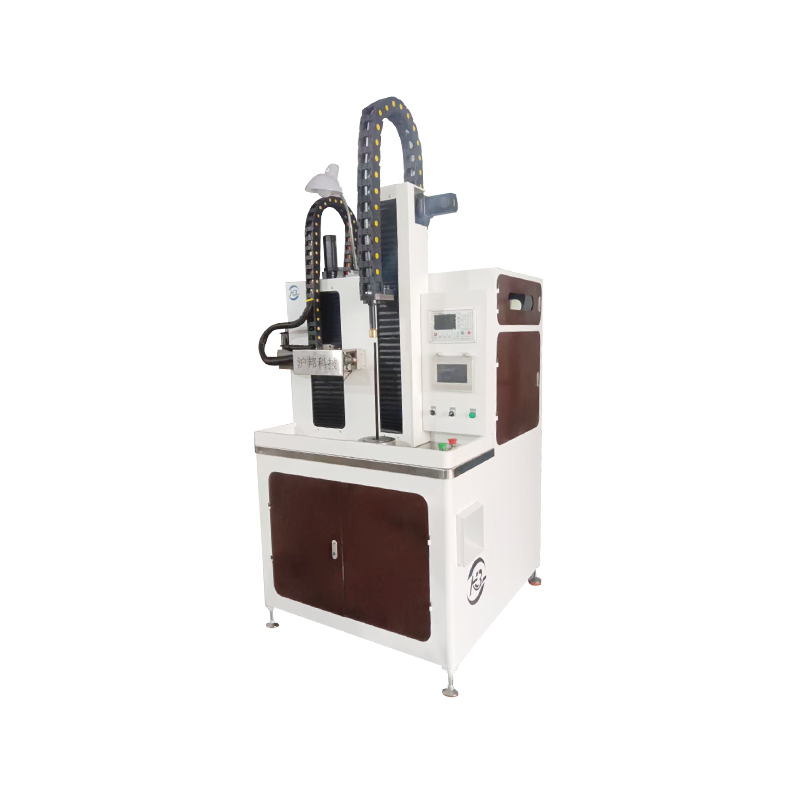
The Laser Bottle Flask Dividing Machine is designed for precision processing of various cup and pot components, includin...
See Details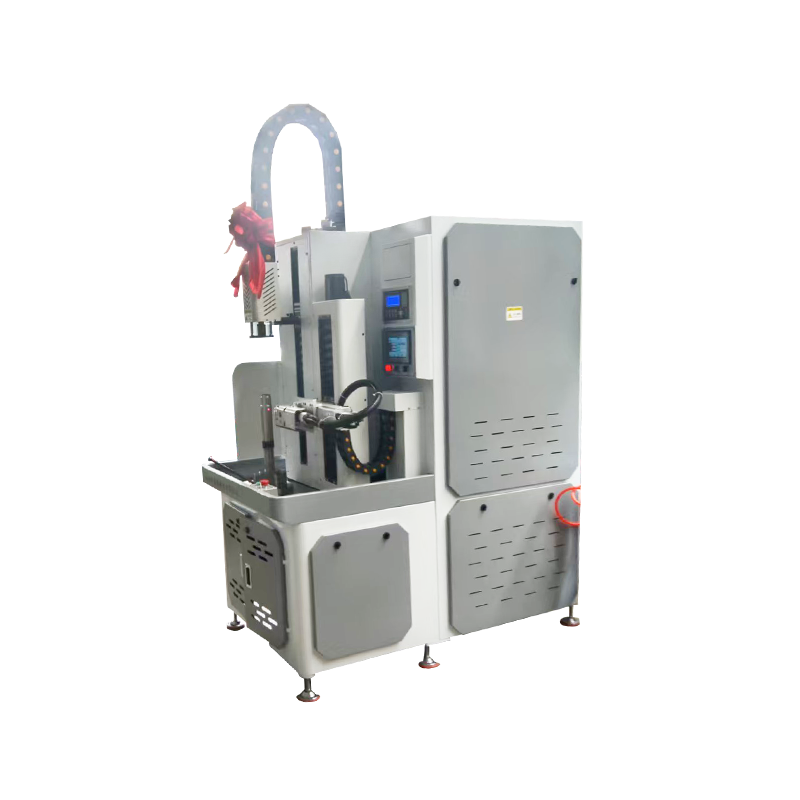
The Automatic Laser End Cutting Machine for Vacuum Flask is a high-precision equipment designed for efficient cutting of...
See Details
Yongkang Hubang Machinery Technology Co., Ltd.

No. 223, Chengxin Road, Economic Development Zone, Dongcheng Street, Yongkang City, Jinhua City, Zhejiang Province, China
Copyright © Yongkang Hubang Machinery Technology Co., Ltd.

Stainless Steel Flask Making Machine Supplier


