 English
 русский


The CNC Pipe Cutting Machine is designed for high-precision cutting of stainless steel pipes, especially suited for cup ...
See Details
CNC pipe-cutting equipment is used to prepare tubes and pipes to defined lengths and profiles before forming, welding or assembly. Selecting a machine on price alone overlooks whether the equipment can handle the actual materials, diameters and wall thicknesses in the production plan, whether the cut quality meets downstream requirements, and whether the supplier can support installation, training and spare parts. CNC Pipe-Cutting Machines and a CNC Pipe Profile Cutting Machine that match the workpiece range and the factory workflow therefore depend on clear answers to a structured set of technical and commercial questions before any order is placed.
The buyer states the materials that will be processed—stainless steel, carbon steel or other alloys—and asks the supplier to confirm that the cutting method, tooling and fixturing are suitable for those metals. Different materials respond differently to heat and mechanical force; a machine designed around one family of alloys may not deliver acceptable edges or tool life on another.
The range of outer diameters, wall thicknesses and maximum lengths the machine can clamp and cut is compared with the actual billets or tubes used in production. Providing the supplier with the real size envelope prevents later discovery that a frequent stock size falls outside the machine's capacity. Special attention is given to the combination of large diameter and thin wall, which can challenge both clamping and cut quality.
When the downstream product is a vacuum flask or similar tubular article, the buyer describes the specific tube sections, any required bevels or notches, and the sequence of operations that follow cutting. The supplier is then asked to confirm that the machine's process capability matches those intermediate parts rather than a generic pipe-cutting duty.
The supplier is asked to state the cutting principle—mechanical, thermal or another process—and to explain why that method suits the target materials and geometries. The answer is checked against the need for clean ends, limited heat-affected zones or specific edge preparation for later welding or forming.
Dimensional consistency from piece to piece and the condition of the cut surface affect fit-up and scrap rates in later stations. Sample cuts on the buyer's own material, or documented results from comparable jobs, give clearer evidence than brochure statements. The buyer defines the acceptance criteria for length tolerance and edge quality before any demonstration is evaluated.
If the production plan includes mitres, slots, holes or other non-square ends, the supplier is asked whether the control system and the mechanical axes can generate those paths. The conversation covers how programs are created, stored and recalled, and whether complex profiles require additional software or fixtures.
The way tubes are presented to the machine, held during the cut and removed afterward determines cycle time and operator workload. The buyer compares the proposed handling method with the current material flow and notes any need for conveyors, magazines or manual intervention that would change labour requirements.
Claims about output are tied to specific material, diameter, wall thickness and cut type. The supplier is asked to state the conditions under which any quoted cycle time was measured and to indicate how that time would change with the buyer's actual mix of sizes. This prevents capacity planning based on an optimistic or unrepresentative figure.
Where the line already uses automated feeding or must pass data to downstream stations, the supplier is asked what interfaces and optional modules exist. Compatibility with existing safety circuits, control networks and material-handling hardware is confirmed before the machine is treated as a drop-in addition.
A complete data package includes the working envelope, overall machine dimensions, power and compressed-air needs, and any special foundation or environmental conditions. These documents allow the buyer to verify that the machine will fit the intended bay and that the factory can supply the required services.
The supplier describes the tests performed before shipment and the procedure for final acceptance at the buyer's site. The buyer ensures that the acceptance checklist includes the materials, sizes and quality criteria that matter for the actual products, so that sign-off is based on relevant performance rather than on a generic trial.
Guarding of moving parts, emergency stops, interlocks and the standards to which the machine is built are confirmed against the requirements of the destination market and the buyer's internal safety rules. Operating manuals and warning labels in the required language form part of the same discussion.
The quotation is broken down so that the base machine, standard tooling, software licences, installation assistance and any optional equipment are clearly listed. Items that will be needed later—additional clamps, specialised cutters or software modules—are identified so that their cost can be planned rather than discovered after installation.
Lead time, shipping responsibilities, site preparation requirements and the extent of commissioning support are stated in writing. The training offered to operators and maintenance staff is described in enough detail for the buyer to judge whether the workforce will be able to run and care for the machine after the supplier's team leaves.
Critical wear parts, their expected consumption and the channels for ordering them are discussed. The supplier's method of providing troubleshooting help—remote guidance, on-site visits or local partners—is noted so that downtime can be estimated and managed.
All offers are mapped onto the same list of material types, size ranges, accuracy expectations, cycle-time conditions and automation requirements. Differences then reflect real capability rather than differences in how each supplier presents the data.
The buyer supplies actual tube samples and drawings and asks each shortlisted supplier to propose a test that reflects the production duty. Results are judged against the previously agreed acceptance criteria, not against a demonstration performed on idealised material.
The ability of the supplier to explain technical limits, to answer follow-up questions promptly and to commit to long-term parts and service support is weighed alongside the machine specification. A capable machine backed by weak communication or uncertain spare-parts supply still carries operational risk.
| Enquiry Area | Purpose of the Question | Evidence to Request |
|---|---|---|
| Material and size capability | Confirm the machine can process actual stock | Written capacity range and material suitability |
| Cutting method and edge quality | Match process to downstream fit-up needs | Sample cuts or documented results on similar work |
| Cycle time and handling | Plan realistic throughput and labour | Timed results under defined material and cut conditions |
| Documentation and acceptance | Verify fit, utilities and performance criteria | Spec sheets, layout drawings, acceptance checklist |
| Safety and compliance | Meet market and internal safety rules | Guarding description and applicable standard references |
| Commercial scope and support | Understand total cost and post-installation care | Itemised quotation, training outline, parts list |
A CNC pipe-cutting machine serves production only when its material range, size capacity, cut quality and handling method match the real workpieces and the existing workflow. Clear questions about process capability, documented performance, acceptance procedures and after-sales support allow different offers to be compared on the same terms. Yongkang Hubang Machinery Technology Co., Ltd. supplies CNC pipe-cutting equipment for tubular components used in thermos and related manufacturing. Review of material compatibility, working envelope, cutting process, cycle-time data and support arrangements against the specific tube sizes and production sequence enables selection of a machine suited to the intended cutting duty.
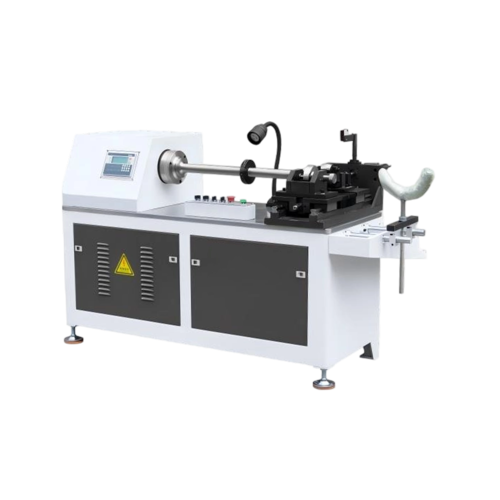
The CNC Pipe Cutting Machine is designed for high-precision cutting of stainless steel pipes, especially suited for cup ...
See Details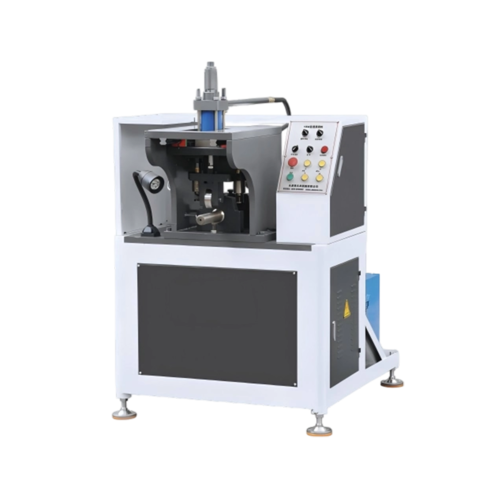
This machine is built specifically to roll and level the weld seam on metal pipes. It leaves the surface smooth and even...
See Details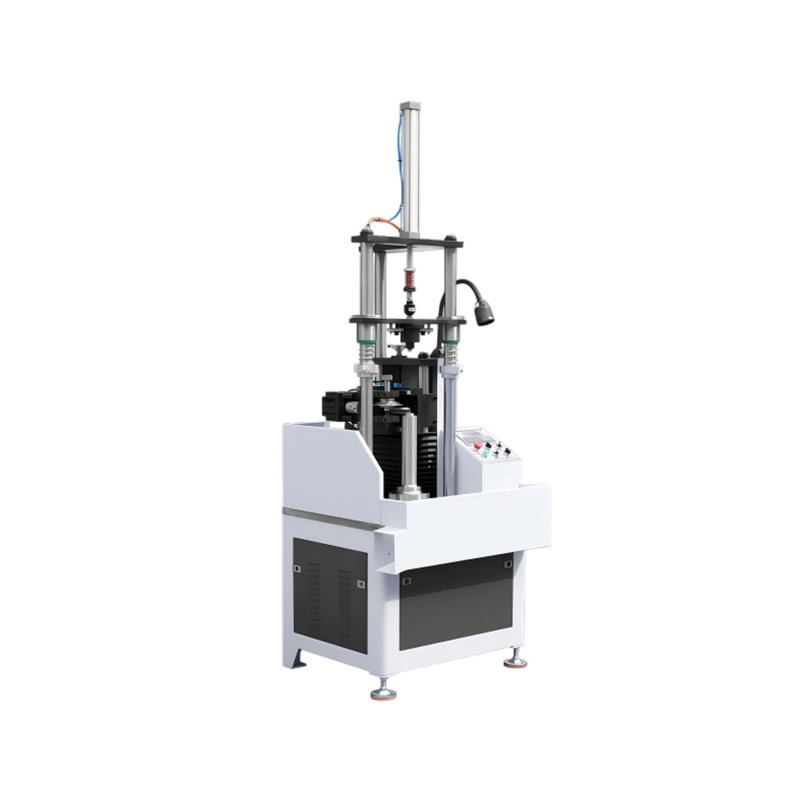
This is a fully automated CNC machine made for cutting and trimming the leftover material around the mouth of cups and p...
See Details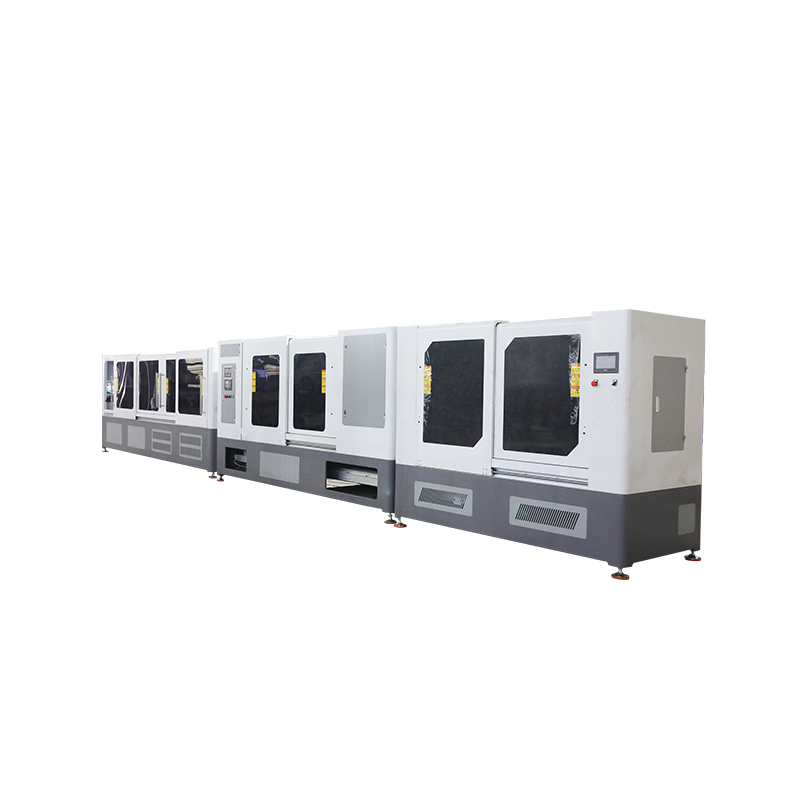
The Fully Automatic Pipe Drawing Machine for Thermos is a precision-engineered production system. It integrates laser pi...
See Details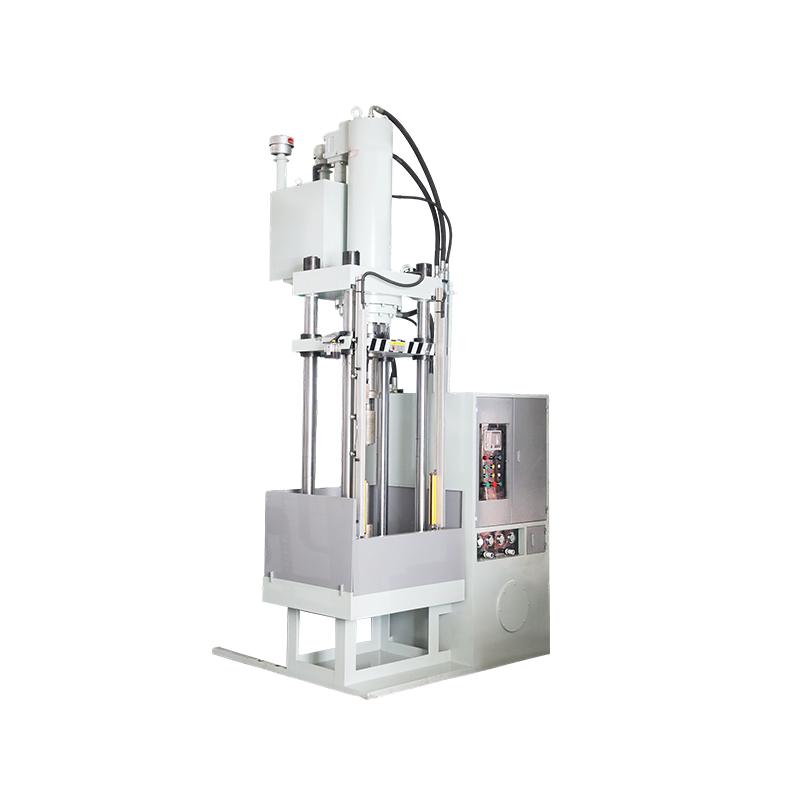
The Water Bulging Bottle Making Machine is made for the precision forming process of both the outer shell and inner line...
See Details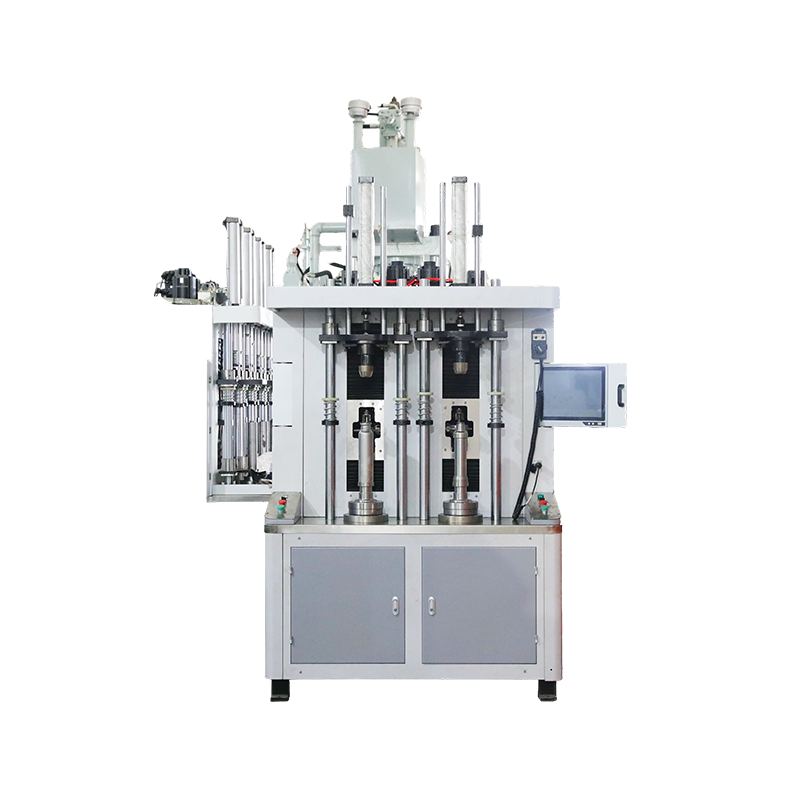
The Double Station CNC Tube End Shrinking Machine is designed for the spinning and compressing process of cup and pot mo...
See Details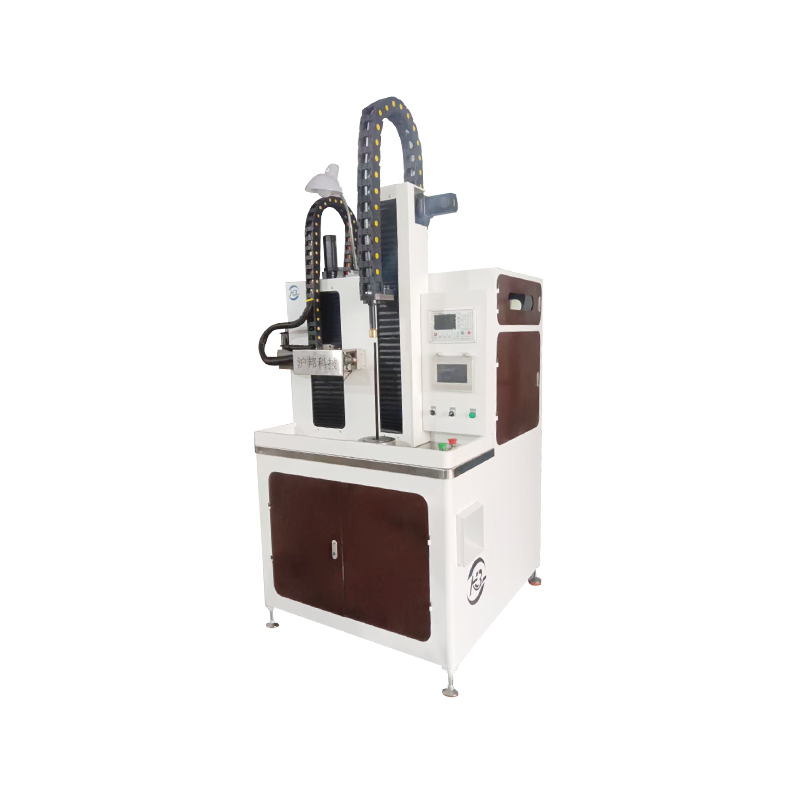
The Laser Bottle Flask Dividing Machine is designed for precision processing of various cup and pot components, includin...
See Details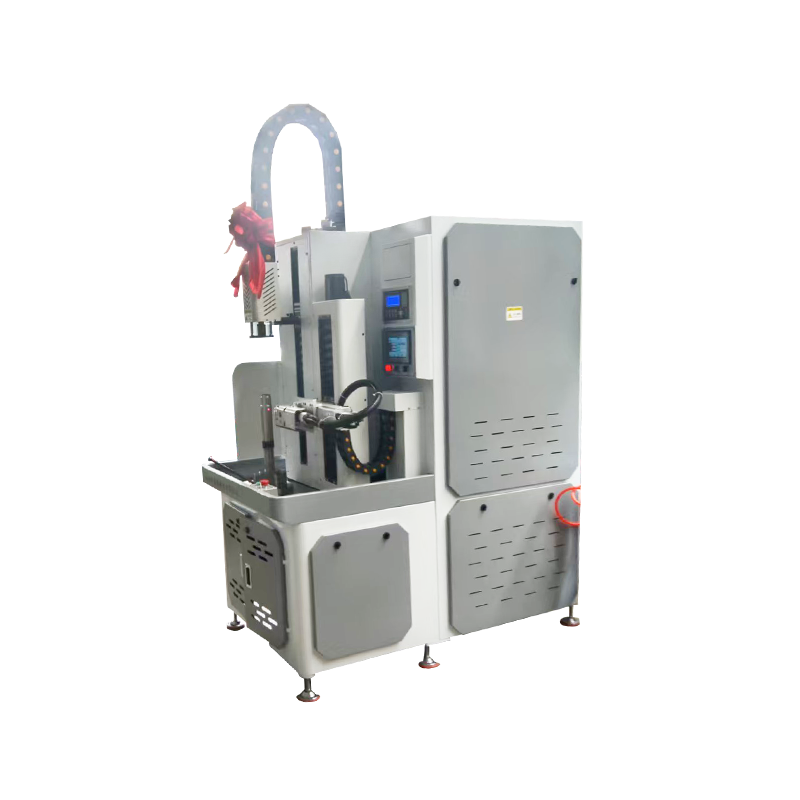
The Automatic Laser End Cutting Machine for Vacuum Flask is a high-precision equipment designed for efficient cutting of...
See Details
Yongkang Hubang Machinery Technology Co., Ltd.

No. 223, Chengxin Road, Economic Development Zone, Dongcheng Street, Yongkang City, Jinhua City, Zhejiang Province, China
Copyright © Yongkang Hubang Machinery Technology Co., Ltd.

Stainless Steel Flask Making Machine Supplier


