 English
 русский


The CNC Pipe Cutting Machine is designed for high-precision cutting of stainless steel pipes, especially suited for cup ...
See Details
CNC systems for cutting pipe convert programmed instructions into coordinated motion of the cutting head and the workpiece. Frame rigidity, positioning accuracy, control software and the ability to hold the pipe securely all influence how consistently the machine produces the required length and end geometry. Production volume, material range and the complexity of the cut shapes determine which combination of these features is necessary. A Pipe CNC Cutting Machine that balances mechanical stability with clear programming and suitable automation therefore becomes a practical tool only when its capabilities match the actual work that must be performed.
A stiff machine frame limits deflection under the forces generated by the cutting process. Durable guide ways, bearings and drive components keep motion smooth and repeatable over long production runs. Vibration that reaches the cutting zone produces uneven edges and dimensional scatter; effective isolation and balanced rotating parts reduce that vibration. Clamping fixtures and intermediate supports hold pipes of varying length and diameter so that the workpiece does not shift or sag while the cut is made. Stability of both the machine structure and the clamped pipe is therefore a prerequisite for consistent results.
Positioning systems that return to the same coordinate with minimal deviation keep successive cuts within the same length tolerance. Cutting parameters, the condition of the cutting tool or beam source, and regular calibration of the machine axes all affect the final edge quality and the squareness of the cut face. When these factors remain under control, the variation from one workpiece to the next stays small. Evaluation of cut quality must still take into account the specific material, wall thickness and the functional requirements of the finished part; a surface acceptable for one application may be inadequate for another.
The CNC controller translates the part program into coordinated motion of the axes and the cutting process. An interface that presents the necessary parameters clearly shortens setup time and reduces the chance of entry errors. Stored programs allow the same sequence of cuts to be repeated without re-entering data, supporting batch production of identical parts. When the controller accepts input from design or nesting software, more complex profiles and multi-cut sequences can be prepared offline and transferred to the machine, extending the range of shapes that can be produced without manual intervention.
Different metals respond differently to a given cutting method. Carbon steel, stainless steel and aluminum, for example, may require distinct process settings, tool types or assist gases. The machine's stated capacity for diameter, wall thickness and maximum length must encompass the full range of pipe that will be processed. Confirming material compatibility and dimensional limits against the intended production mix prevents the selection of equipment that cannot handle the actual workpieces.
Automatic loading devices reduce the number of times an operator must handle each pipe. Reliable clamping that engages consistently prevents movement once the cut begins. Programmed positioning of the pipe relative to the cutting head supports the same starting point for every piece in a batch. The degree of automation is matched to the required throughput and to the existing material-handling flow in the workshop; excessive automation that remains idle wastes capital, while insufficient automation limits output when volumes rise.
Cutting speed and the time required to change from one job to the next together determine how many pieces leave the machine in a given period. Optimized tool paths that avoid unnecessary travel reduce cycle time without lowering cut quality. Where nesting software is available, arrangements that place successive cuts to minimize scrap improve the yield from each length of pipe. Efficiency figures are therefore examined together with edge quality, unplanned downtime and the cost of consumables so that overall operating cost remains visible.
Guarding around the cutting zone, clearly marked emergency stops and interlocks that halt motion when access doors open form the basic safety layer. Controls that are within easy reach and labeled unambiguously allow the operator to start, stop and adjust the process without ambiguity. Effective removal of chips, fumes or debris keeps the working area clear and reduces secondary hazards. Training that covers both normal operation and emergency procedures remains necessary regardless of the level of guarding provided.
Routine inspection of guides, drives, clamps and cutting-process components detects wear before it affects accuracy. Wear parts that can be reached and replaced without extensive disassembly shorten planned maintenance intervals. Documentation that lists inspection points, lubrication schedules and torque values simplifies daily care. Availability of spare parts and responsive technical support over the expected service life of the machine determines how quickly production can resume after an unplanned stop.
The cutting method and the stated capacity are compared with the materials, diameters and lengths that will actually be processed. Technical data on control functions, safety features and maintenance requirements are reviewed in detail. Sample cuts performed on representative pipe confirm that edge quality and dimensional results meet the required standard. Installation, tooling, energy use, maintenance and operator training costs are added to the purchase price so that total ownership cost is visible. Performance statements are accepted only when supported by specifications or by observed test results.
Mechanical stability, positioning accuracy and appropriate automation together support dependable output when the machine configuration matches the work that must be done. Consistent cut quality, manageable maintenance and accessible technical support further reduce the risk of prolonged interruptions. Assessment against the specific mix of materials, volumes and cut geometries yields a clearer decision than comparison of purchase price alone.
| Evaluation Area | Contribution to Reliable Output | Points to Confirm |
|---|---|---|
| Frame and mechanical rigidity | Limits vibration and deflection during cutting | Structure, guides, drive components, pipe support |
| Positioning and cut quality | Keeps length and edge geometry within tolerance | Accuracy data, tool condition, calibration practice |
| Control and programming | Enables repeatable sequences and complex profiles | Interface clarity, program storage, software links |
| Material and size capacity | Matches the actual production mix | Diameter, thickness, length and material range |
| Automation of handling | Reduces manual intervention and improves consistency | Feeding, clamping and positioning functions |
| Safety and maintenance access | Protects operators and shortens service time | Guarding, emergency stops, spare-part availability |
Structural stability, cutting accuracy, control capability, material compatibility, safety provisions and maintainability together characterize equipment suited to continuous pipe-cutting work. Verification of these attributes against the intended materials, dimensions and output volume precedes any purchasing decision. Yongkang Hubang Machinery Technology Co., Ltd. produces CNC systems for pipe cutting. Review of available machine configurations, control options and support arrangements against the specific production requirements allows selection of equipment that sustains consistent and efficient operation.
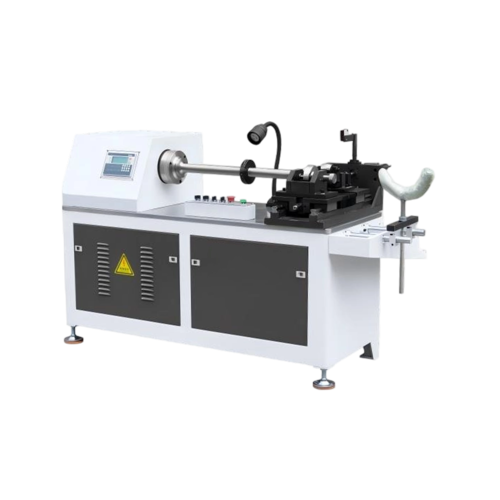
The CNC Pipe Cutting Machine is designed for high-precision cutting of stainless steel pipes, especially suited for cup ...
See Details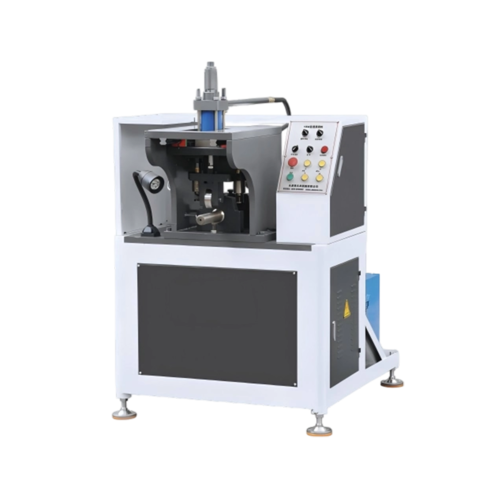
This machine is built specifically to roll and level the weld seam on metal pipes. It leaves the surface smooth and even...
See Details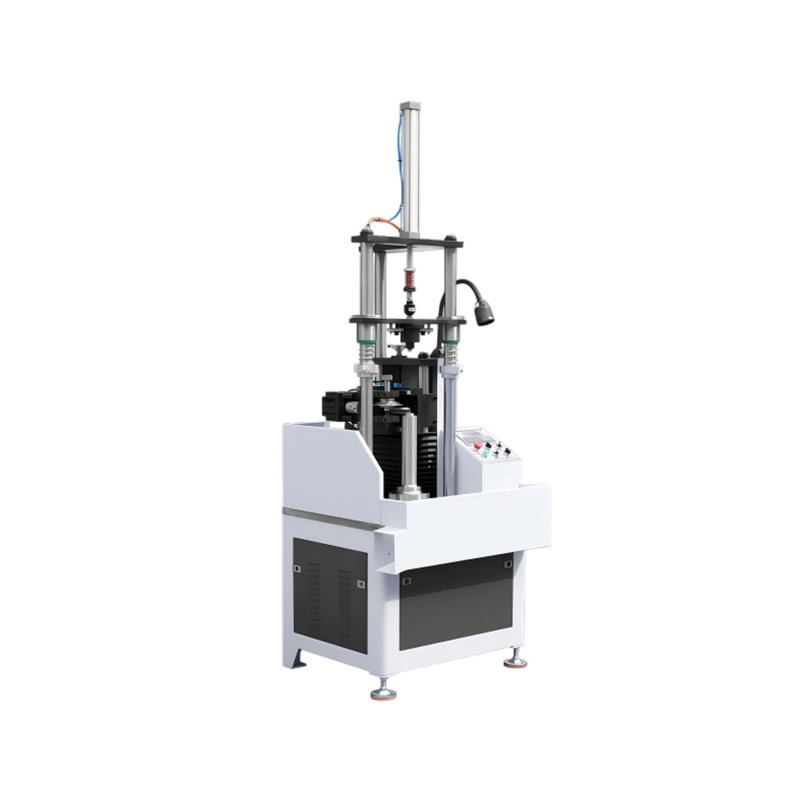
This is a fully automated CNC machine made for cutting and trimming the leftover material around the mouth of cups and p...
See Details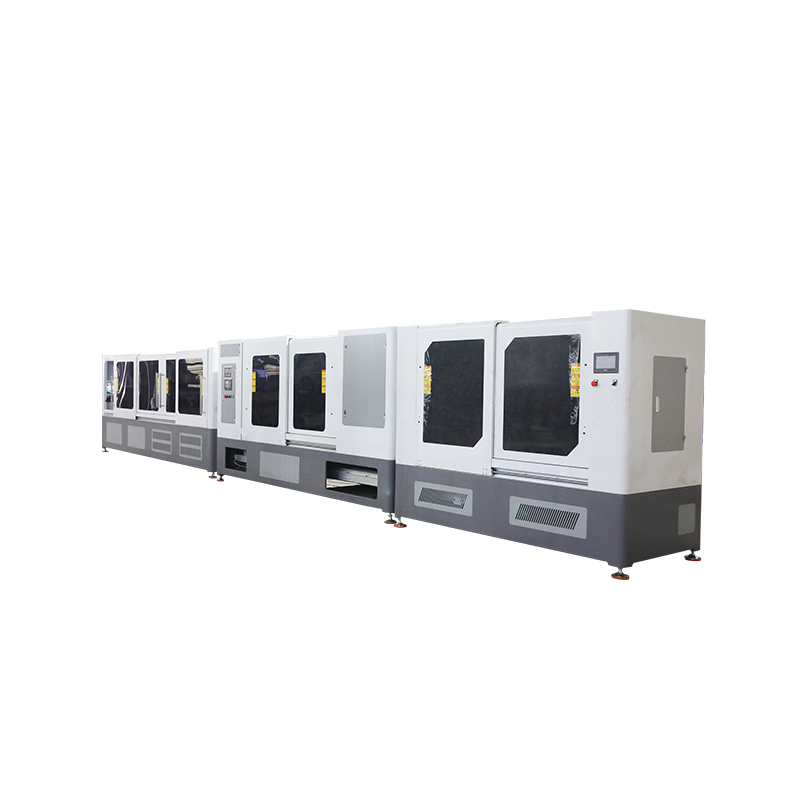
The Fully Automatic Pipe Drawing Machine for Thermos is a precision-engineered production system. It integrates laser pi...
See Details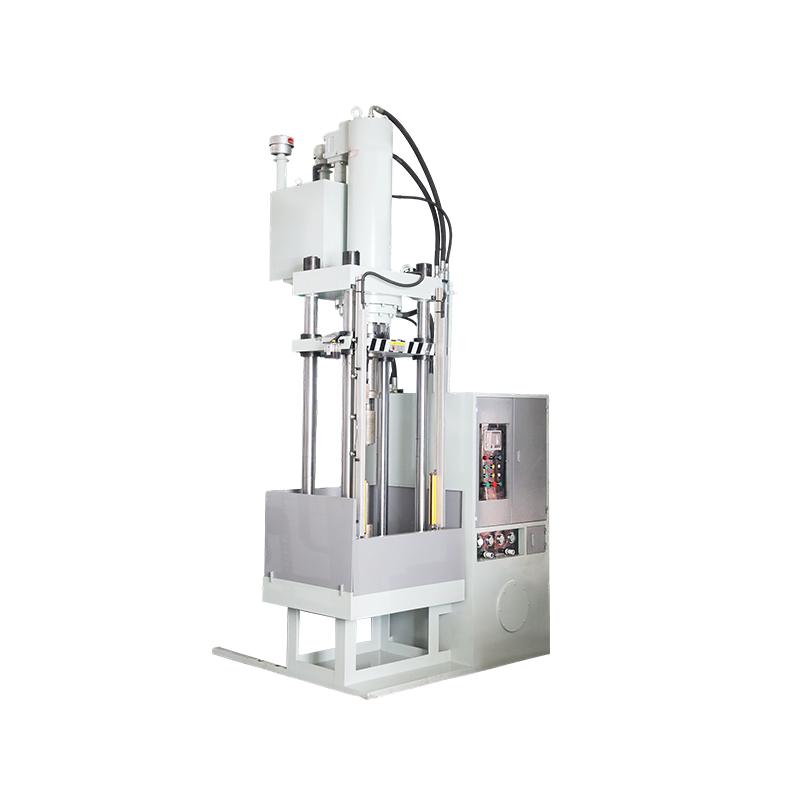
The Water Bulging Bottle Making Machine is made for the precision forming process of both the outer shell and inner line...
See Details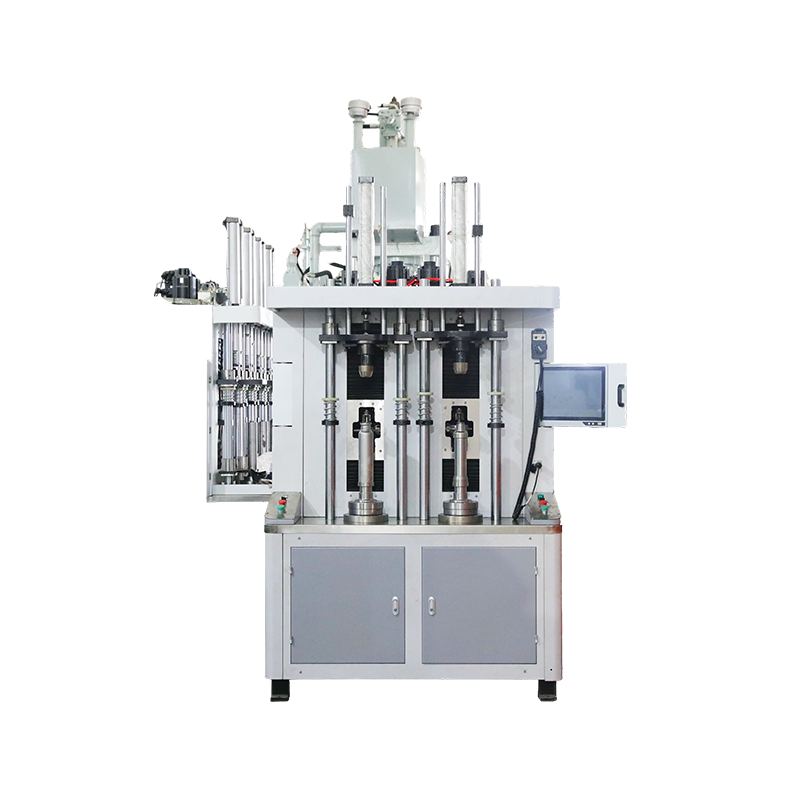
The Double Station CNC Tube End Shrinking Machine is designed for the spinning and compressing process of cup and pot mo...
See Details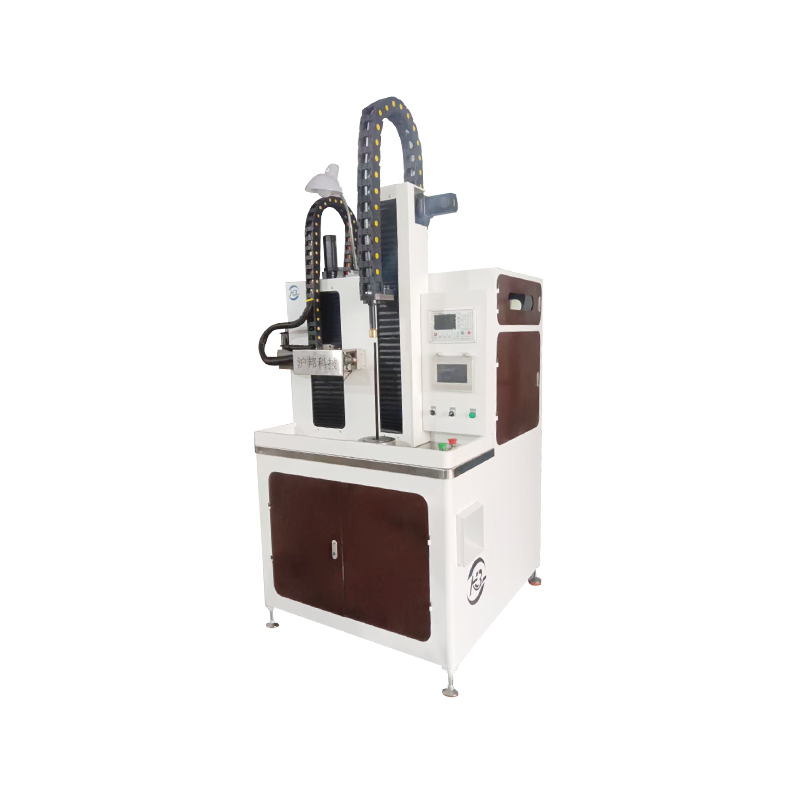
The Laser Bottle Flask Dividing Machine is designed for precision processing of various cup and pot components, includin...
See Details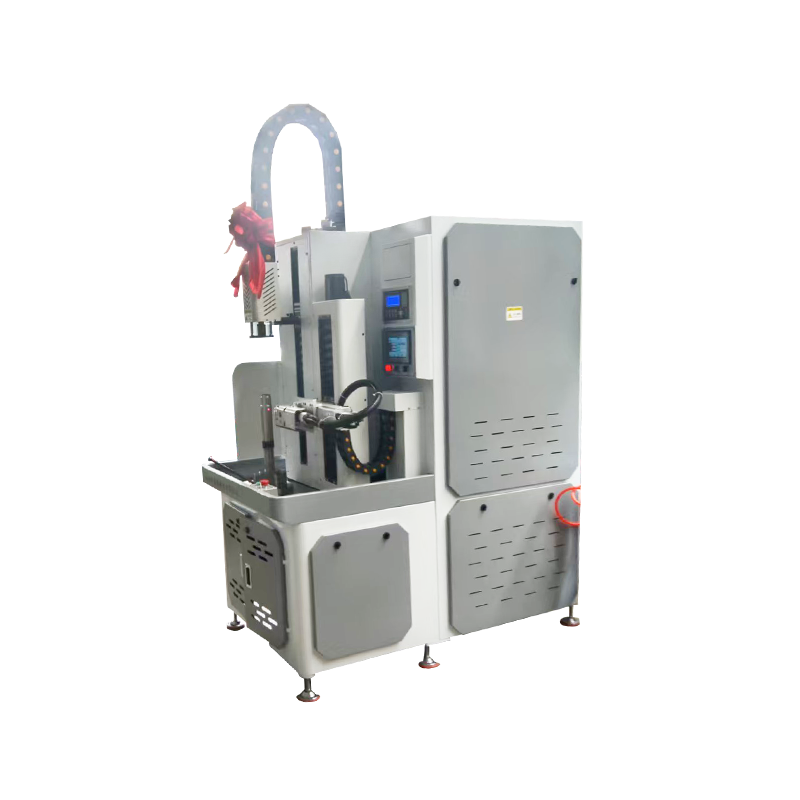
The Automatic Laser End Cutting Machine for Vacuum Flask is a high-precision equipment designed for efficient cutting of...
See Details
Yongkang Hubang Machinery Technology Co., Ltd.

No. 223, Chengxin Road, Economic Development Zone, Dongcheng Street, Yongkang City, Jinhua City, Zhejiang Province, China
Copyright © Yongkang Hubang Machinery Technology Co., Ltd.

Stainless Steel Flask Making Machine Supplier


