 English
 русский


The CNC Pipe Cutting Machine is designed for high-precision cutting of stainless steel pipes, especially suited for cup ...
See Details
After metal parts are joined, the weld bead can stand proud of the surrounding surface. That ridge may affect appearance, stacking, coating or the fit of the next assembly step. Manual grinding can remove height, yet results vary with operator fatigue and access to the joint.
Hydraulic rolling applies controlled pressure through rollers to press the seam toward the parent surface. Dedicated equipment gives a repeatable path for this finishing work instead of relying only on hand tools. The Hydraulic Welding Seam Flatten Rolling Machine is one equipment option aimed at improving the surface condition of welded metal components before they move downstream.
The hydraulic system supplies the force that the rollers transmit into the seam. Different materials and bead profiles need different pressure levels; a rigid one-setting approach either marks soft stock or under-works hard beads. Smooth, steady application of force supports more even rolling than abrupt loading.
Stability of the hydraulic circuit across successive cycles matters when the same joint type is processed all day. Controlled hydraulic operation is a practical core of seam flattening rather than a secondary detail.
Rollers are the interface between machine and workpiece. Their diameter, face shape and mounting rigidity influence how pressure spreads along the bead. Drift or misalignment can leave one side of the seam higher than the other.
Structural alignment of the roll heads relative to the support table or guides helps keep contact consistent when workpiece sections change. The rolling mechanism on the Hydraulic Welding Seam Flatten Rolling Machine is central to how the finishing result is produced.
Buyers should start from the metals actually welded in the shop—mild steel, stainless grades and other common fabrication alloys each respond differently under roll pressure. Settings that suit one family may be wrong for another.
Workpiece size, seam location and whether the joint sits on a flat panel or near a bend all affect fixturing and approach. Selecting a Metal Flattening Machine against real production mix is more useful than choosing on a single demonstration coupon.
Uniform pressure and steady feed encourage a more even seam profile. Workpiece seating and roller tracking work together; slip or bounce shows up as local high spots. Reducing obvious irregularities improves the look of visible joints and can simplify later polishing or coating when those steps are required.
Orderly, consistent finishing is the practical goal for shops that need predictable weld appearance across batches.
Controls should allow pressure and motion adjustments without obscure sequences. Operators need clear access to load, align and unload parts without awkward reaches into the roll zone. Layout that sits logically beside welding bays or grind stations reduces extra handling.
A machine that is simple to run day to day keeps seam processing from becoming a bottleneck even when the metallurgy of the joint is straightforward.
Hydraulic rolling imposes cyclic loads on the frame and linkages. A rigid structure limits deflection that would otherwise show as uneven crush. Quality of fabrications, fasteners and hydraulic joints influences how the machine behaves after months of use.
Judging equipment only by paint and guards misses whether the underlying build can hold alignment. Construction quality deserves the same attention as peak force claims.
Floor space, infeed height and exit path should be checked against the existing line. Flattening typically sits after welding and before final cosmetic or assembly work. Coordination with Seam Welding Machines upstream and with polishing or fit-up downstream keeps intermediate storage low.
Workshop placement that avoids cross-traffic makes the extra process step easier to sustain.
Hydraulic valves, hoses, rollers and slides need periodic inspection. Clean roll faces and checked bearings support consistent contact. Procedures written for the actual machine help maintenance staff keep performance steady.
When comparing options, ease of reaching service points matters as much as theoretical duty cycle.
Clear description of materials, seam types and part sizes helps the supplier propose a suitable configuration. Trials or sample processing reveal how a given roll setup behaves on real joints. Structural or layout adjustments may be available when standard geometry does not fit the dominant workpiece.
Suppliers who discuss application detail rather than only list modules are easier partners for production buyers.
Hydraulic control quality, roll design, material range, ease of use, maintenance access and supplier support should be weighed together. Isolated features look strong on paper but weak if the rest of the package does not match the shop's joints and volume.
| Factor | What to examine | Shop relevance |
|---|---|---|
| Hydraulic behaviour | Steady force, usable adjustment | Consistent crush on mixed beads |
| Roll structure | Alignment, face condition, rigidity | Even contact along the seam |
| Material and size range | Metals and part geometries actually run | Less changeover friction |
| Operation | Controls, load path, unload path | Sustainable daily throughput |
| Frame and build | Rigidity under load, joint quality | Alignment held over time |
| Line fit and care | Footprint, service access | Easier integration and upkeep |
Buying a hydraulic welding seam flattening machine means checking force control, rolling structure, material fit, operating convenience, structural stability and maintenance access against the seams the plant actually produces. Yongkang Hubang Machinery Technology Co., Ltd. produces hydraulic welding seam flatten rolling equipment for metal fabrication workshops. Review of weld types, part sizes and downstream finishing needs against machine configuration supports selection of seam flattening equipment aligned with production requirements.
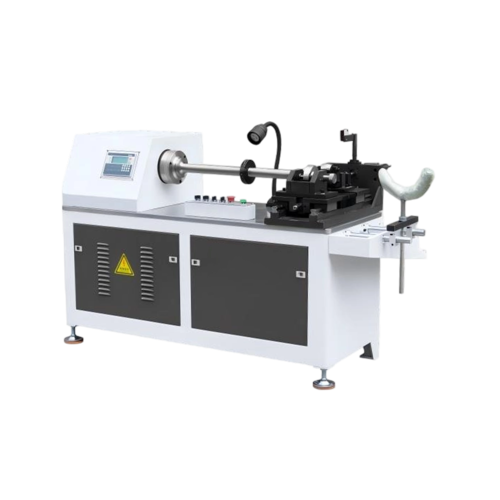
The CNC Pipe Cutting Machine is designed for high-precision cutting of stainless steel pipes, especially suited for cup ...
See Details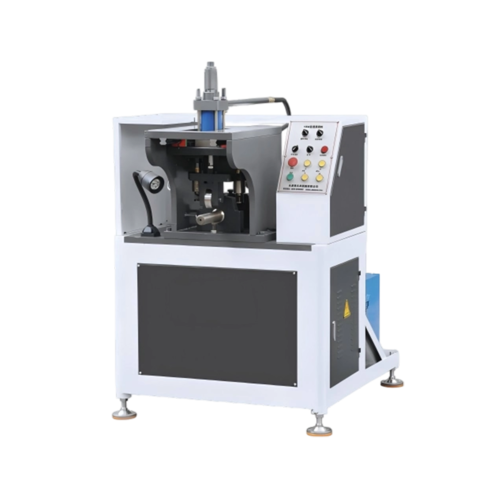
This machine is built specifically to roll and level the weld seam on metal pipes. It leaves the surface smooth and even...
See Details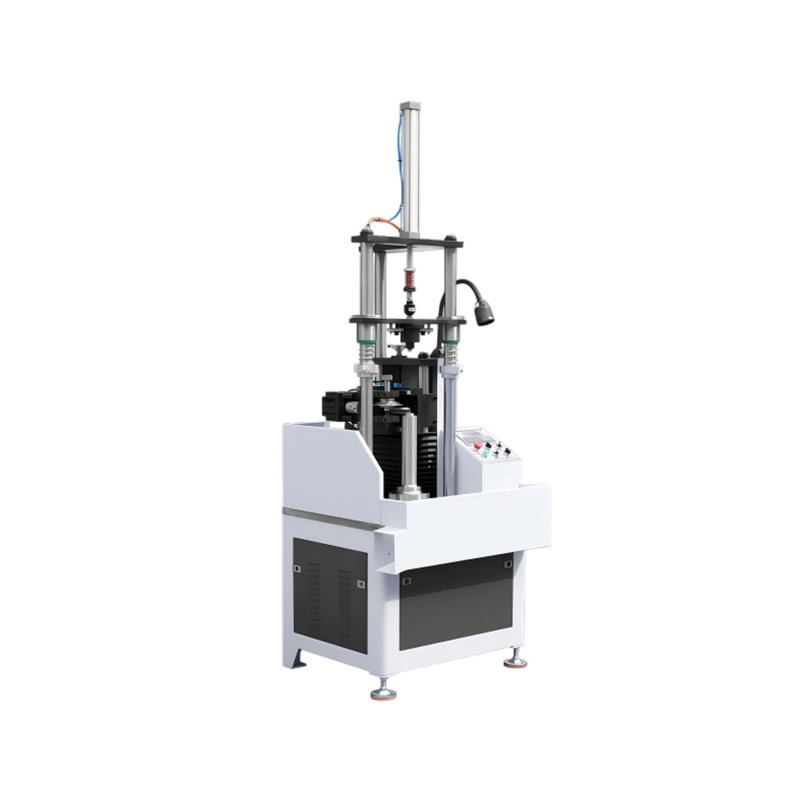
This is a fully automated CNC machine made for cutting and trimming the leftover material around the mouth of cups and p...
See Details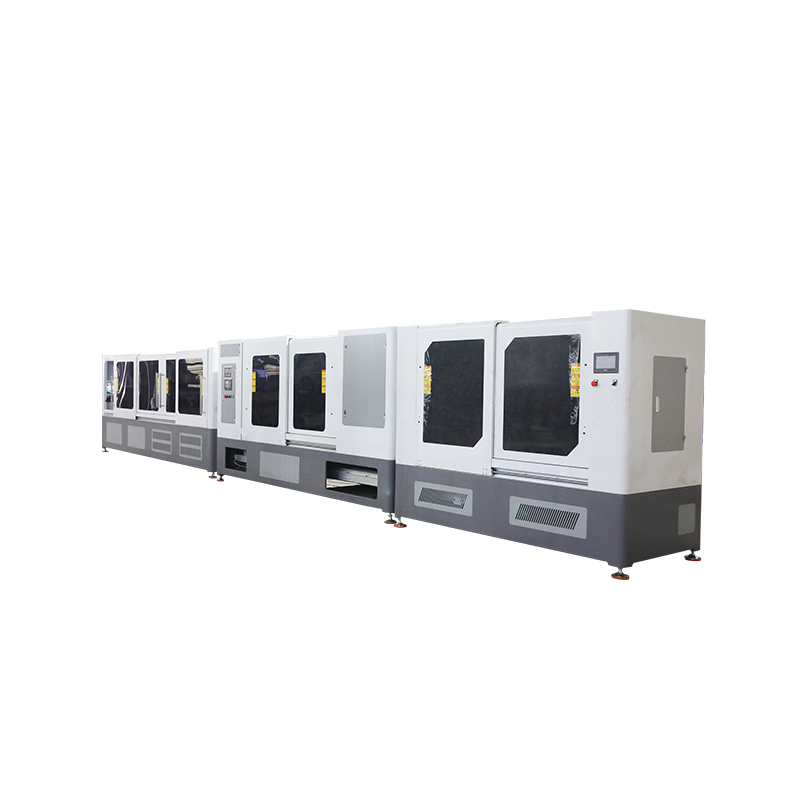
The Fully Automatic Pipe Drawing Machine for Thermos is a precision-engineered production system. It integrates laser pi...
See Details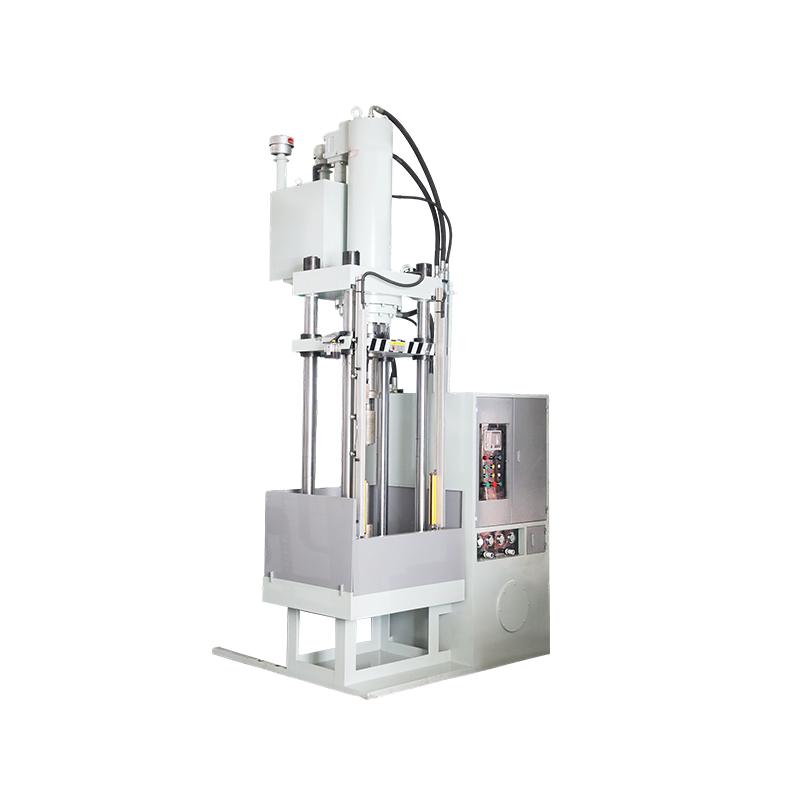
The Water Bulging Bottle Making Machine is made for the precision forming process of both the outer shell and inner line...
See Details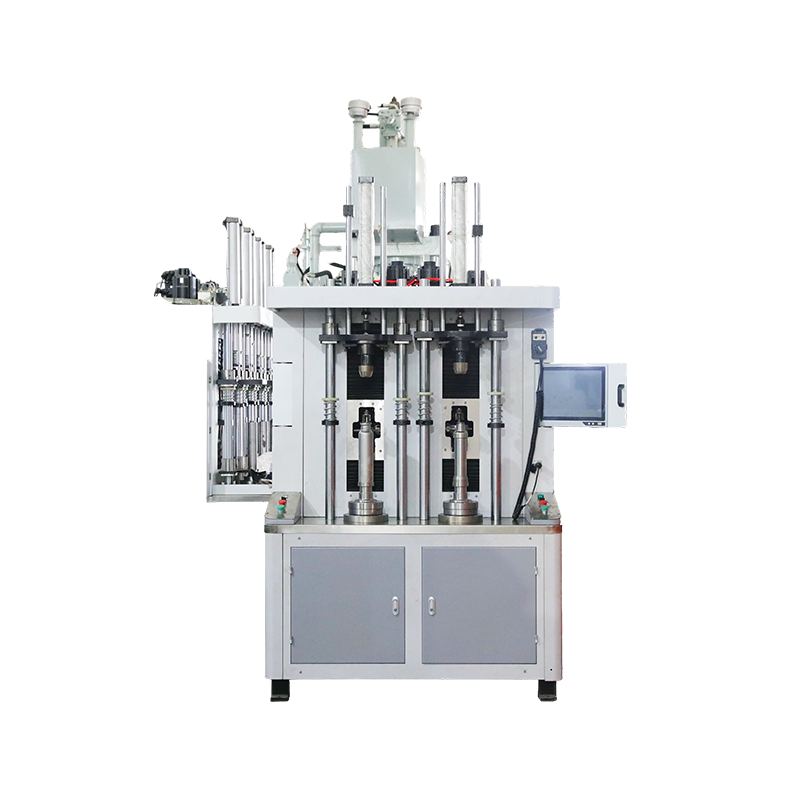
The Double Station CNC Tube End Shrinking Machine is designed for the spinning and compressing process of cup and pot mo...
See Details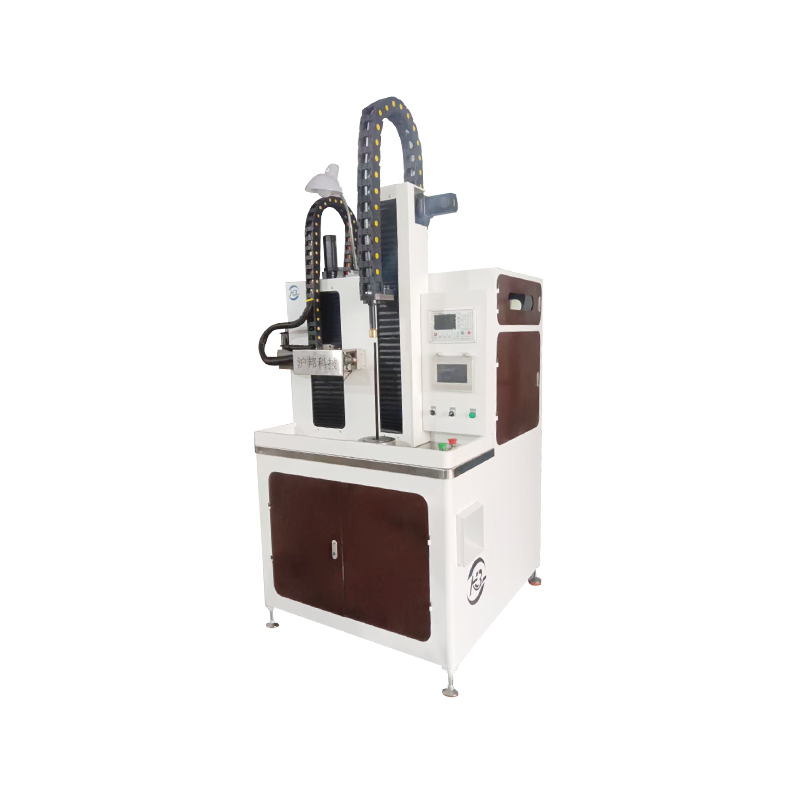
The Laser Bottle Flask Dividing Machine is designed for precision processing of various cup and pot components, includin...
See Details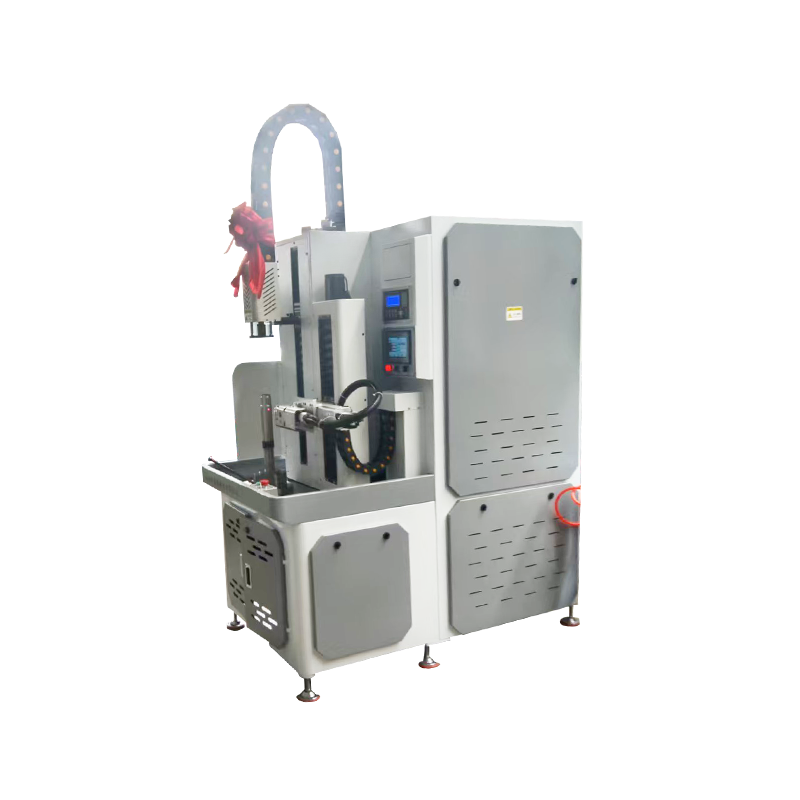
The Automatic Laser End Cutting Machine for Vacuum Flask is a high-precision equipment designed for efficient cutting of...
See Details
Yongkang Hubang Machinery Technology Co., Ltd.

No. 223, Chengxin Road, Economic Development Zone, Dongcheng Street, Yongkang City, Jinhua City, Zhejiang Province, China
Copyright © Yongkang Hubang Machinery Technology Co., Ltd.

Stainless Steel Flask Making Machine Supplier


