English
 русский

Growing Need for Accurate Pipe Processing Across Manufacturing Sectors
Accurate and efficient cutting of pipes and tubes forms a core step in many manufacturing sequences. Computer-controlled systems direct the cutting path so that each length and profile follows the programmed shape. The result is steadier output, fewer variations between pieces, and less dependence on purely manual measuring and sawing. Several major sectors rely on this approach to prepare tubular parts for later assembly or further processing.
Automotive and Transportation Manufacturing Applications
Vehicle frames, exhaust routes, chassis members, and other tubular elements require consistent lengths and precise end angles. Computer-directed cutting produces these features repeatedly so that subsequent welding and joining steps proceed without repeated adjustment. When large numbers of identical or closely related components are needed, the programmed sequence keeps each cut within the same dimensional band. The prepared ends then fit more readily into automated or semi-automated assembly lines, reducing the time spent on corrective grinding or rework.
Construction and Structural Steel Fabrication Needs
Metal pipes and tubes appear in building frameworks, handrails, scaffolding, and architectural features. Straight cuts, angled ends, and selected contoured profiles can all be produced once the machine configuration matches the required geometry. Dimensional consistency becomes especially important when tubular members must align with other structural elements during site assembly. Recurring orders for standard components and one-off customized pieces can both be handled through stored programs, allowing the same equipment to shift between different project requirements without extensive manual layout.
Furniture and Interior Fixture Production Uses
Chairs, tables, shelving units, bed frames, and display stands often incorporate metal tubing. Cutting to varied lengths and joint angles supports the range of designs found in these products. Uniform end quality contributes to cleaner visual lines and smoother assembly. Flexible programming lets the same machine move from one design series to another without continuous reliance on hand-measured cuts, so production can follow changing style demands while keeping the basic process stable.
HVAC and Fluid System Component Preparation
Heating, ventilation, air-conditioning, refrigeration, and fluid-handling equipment all depend on accurately prepared pipe sections. Correct lengths and end forms ease later joining, whether by welding, soldering, or mechanical fittings. The cutting method and machine settings must suit the particular material and wall thickness involved. Repeatable dimensions across successive batches help maintain the fit of fabricated sections and reduce field adjustments during installation.
Agricultural Machinery and General Industrial Equipment
Tubular members form frames, support structures, and mechanical assemblies in agricultural machinery and material-handling systems. Computer-controlled cutting prepares these parts to consistent sizes so that different product models can share the same production line. Configurations that accommodate both short custom runs and larger batches give fabricators the flexibility to respond to varying order volumes without separate manual setups for each type.
Energy Sector and Specialized Equipment Fabrication
Selected energy-related installations and supporting structures also use pipes and tubes of defined length and geometry. Computer-directed preparation supplies the required shapes, yet material grade, wall thickness, edge quality, and applicable industry expectations differ from one application to another. Equipment selection therefore centers on matching the actual production process rather than assuming a single configuration will cover every demand.
Factors Guiding Selection of Suitable Pipe-Cutting Equipment
Material compatibility determines whether carbon steel, stainless grades, or aluminum can be processed under the machine’s design limits. Supported diameter, length, and wall range must cover the parts that will be produced. The cutting process itself—laser, plasma, mechanical sawing, or another method—needs to match the required edge condition and material. Accuracy, achievable shapes, edge quality, and expected production volume further narrow the choice. Loading and unloading options, programming interface, and the ability to link with existing plant systems affect daily workflow. Operator training, routine maintenance needs, spare-part availability, and technical assistance complete the practical evaluation.
Reasons for Adopting Computer-Controlled Pipe Cutting
Automation reduces the share of repetitive measuring and manual cutting that would otherwise occupy skilled labor. Stored programs allow the same sequence to be recalled for repeat orders or modified for complex profiles without starting from a blank layout each time. Optimized nesting of cuts can limit leftover material when process settings are correctly applied. The degree of improvement in output rate and material use depends on the specific machine arrangement, the materials processed, the operating environment, and the overall production targets. Direct comparison of equipment capabilities against actual processing needs remains the reliable basis for any investment decision.
Overview of Industry Applications and Typical Tube Uses
| Industry Sector | Typical Tubular Components | Primary Cutting Focus |
|---|---|---|
| Automotive and transportation | Frames, exhaust parts, chassis members | Consistent lengths and end angles |
| Construction and structural steel | Frameworks, handrails, scaffolding | Straight, angled, and profiled ends |
| Furniture and interior fixtures | Chair and table frames, shelving, displays | Varied lengths and joint profiles |
| HVAC and fluid systems | Duct and pipe sections, equipment links | Accurate lengths for later joining |
| Agricultural and industrial equipment | Machinery frames, support structures | Repeatable cuts across product models |
| Energy and specialized equipment | Installation piping and support members | Specified lengths and geometries |
Matching Equipment to Production Requirements and Available Manufacturing Support
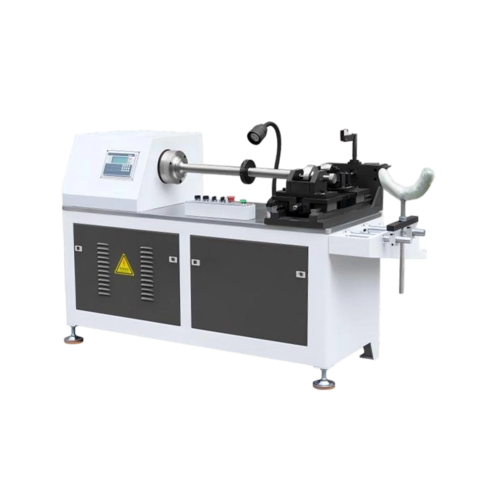
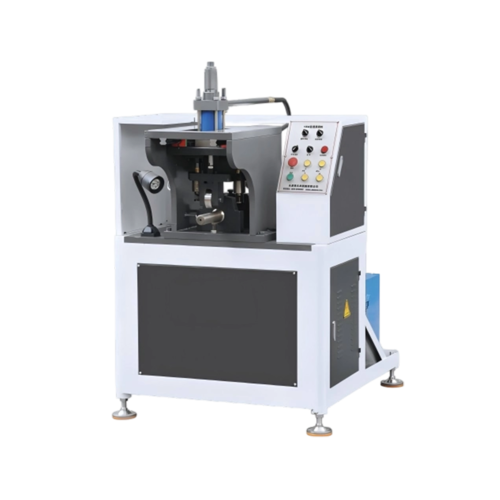
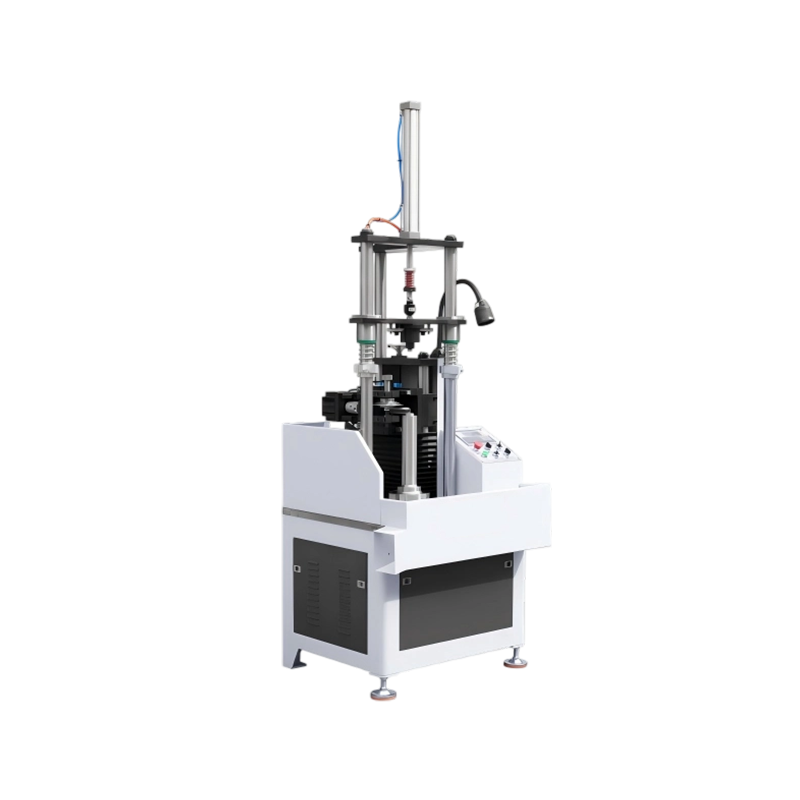
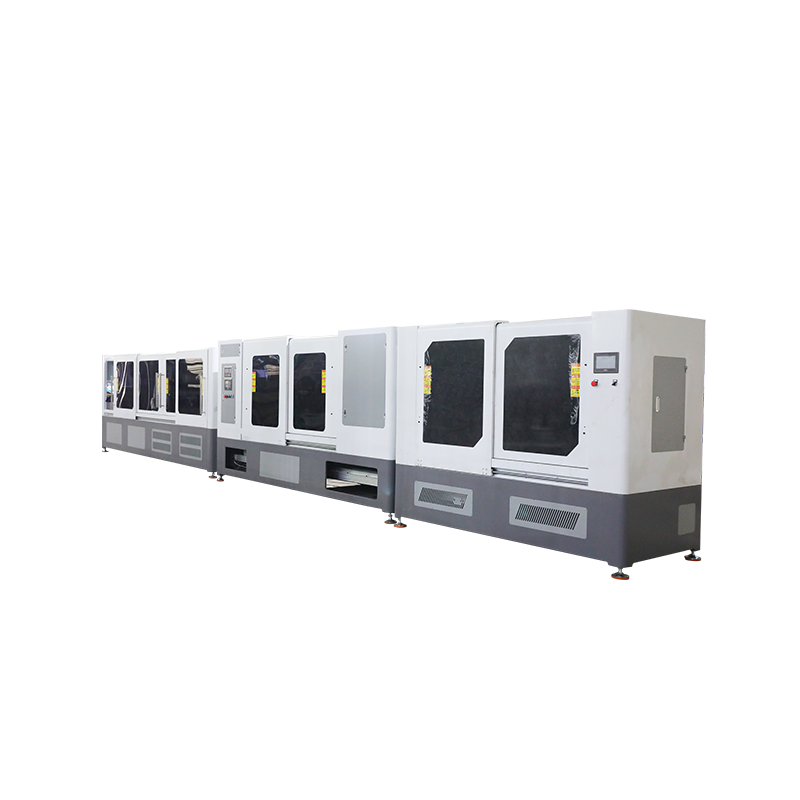
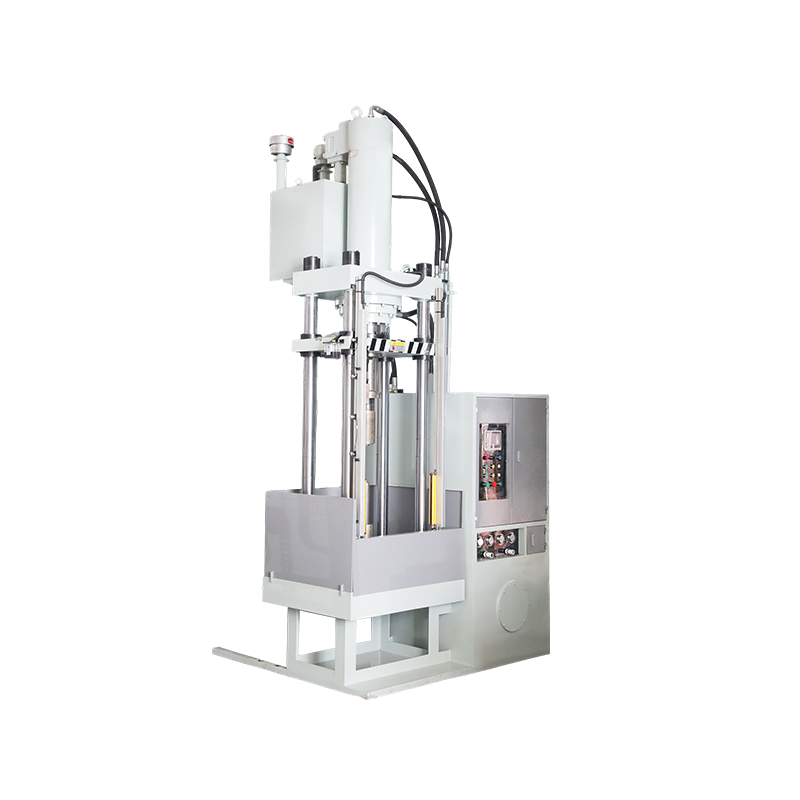
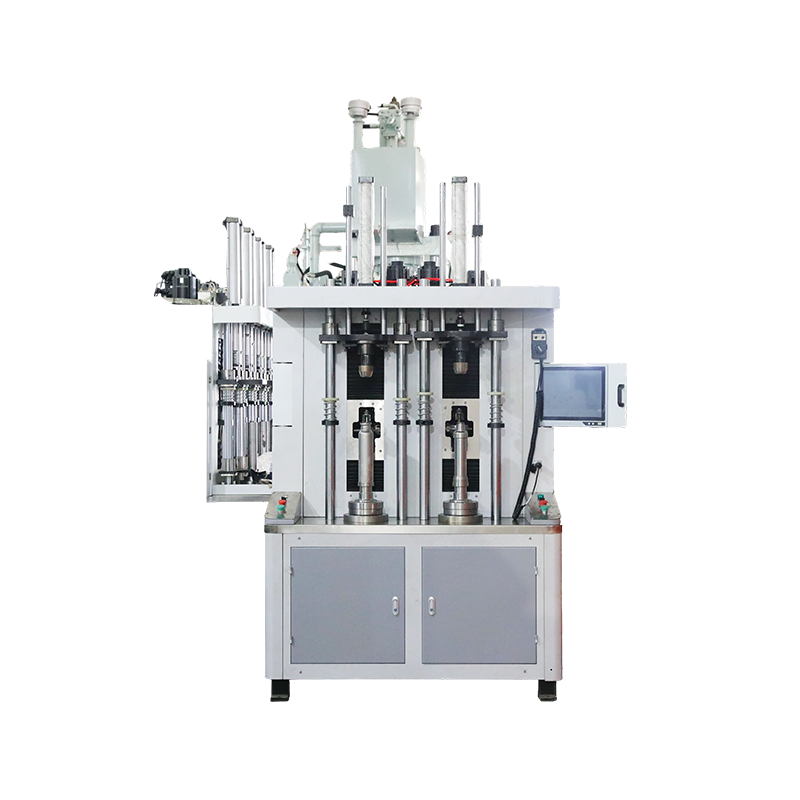
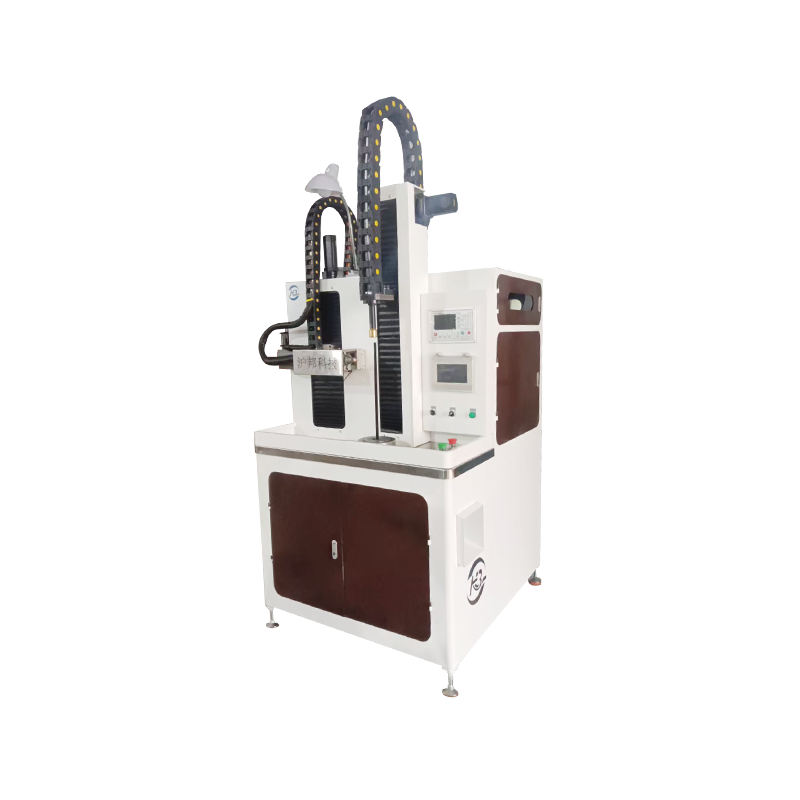
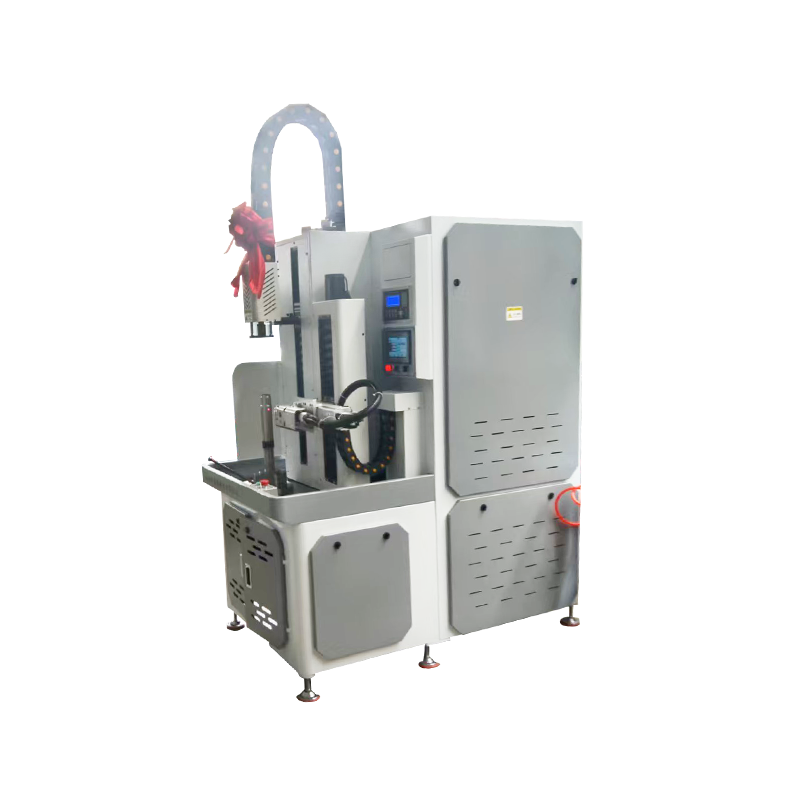
Computer-controlled pipe cutting supports automotive component lines, structural steel preparation, furniture fabrication, HVAC assembly, industrial equipment frames, and selected energy applications. Selection centers on material range, pipe size capacity, cutting process, and overall production aims rather than on a single universal solution. Yongkang Hubang Machinery Technology Co., Ltd. manufactures a range of Pipe CNC Cutting Machine systems designed for these varied industrial settings. Examination of available configurations and direct discussion of processing needs allow identification of equipment that aligns with the specific manufacturing sequence and output targets.